lower backservekinetic chain
When Your Lower Back Feels Overarched on the Serve
Instead of trying to create a bigger arch, examine the roles of the toss, thoracic spine, hips, and legs together.
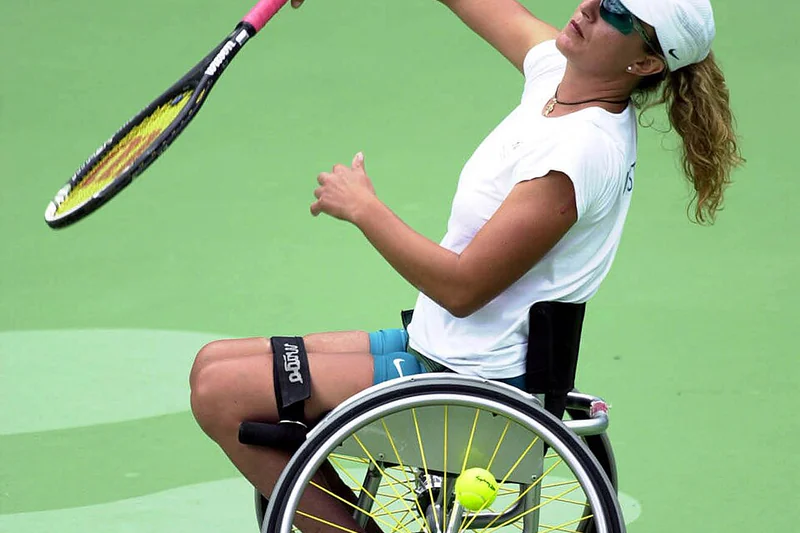
Start with this check
During a serve, excessive extension and rotation isolated in the lower back can concentrate the motion in one area instead of distributing it through the whole kinetic chain.
Try these steps in order
- If pain recurs, stop serving and seek both medical and coaching assessments.
- Use side-view video to check whether the toss is too far behind you and whether the trunk and legs are timed together.
- Resume serving only after restoring pain-free core and hip function, beginning with half-speed serves.
Bottom line
A back-friendly serve does not come from one cue to use the back less; it comes from a motion that shares the load across the body.
Reviewed sources
Technical evidence is shown separately from community topic signals.
Technical evidence
- Sports Medicine - OpenTennis Serve Biomechanics, Joint Load Mechanics and Overuse Injuries: A Narrative Review
- Sports BiomechanicsReview of tennis serve motion analysis and the biomechanics of three serve types with implications for injury
- Cambridge University Hospitals NHS Foundation TrustBack pain — symptoms requiring immediate assessment
TENNIS TENSION LAB
Check your racquet’s tension today.
Get a high-precision tension reading in under 10 seconds. Tension Lab tracks changes from your first reading and helps you see when to restring.
- High-precision tension measurement. Ready in under 10 seconds.
- Track every change in feel. See the full story over time.
- Time to restring? Never leave it to guesswork.