shoulderservefatigue
Should You Keep Playing When Your Shoulder Feels Heavy After Serving?
If normal fatigue and pain are hard to distinguish, watch how symptoms change and whether the motion breaks down before focusing on serve count.
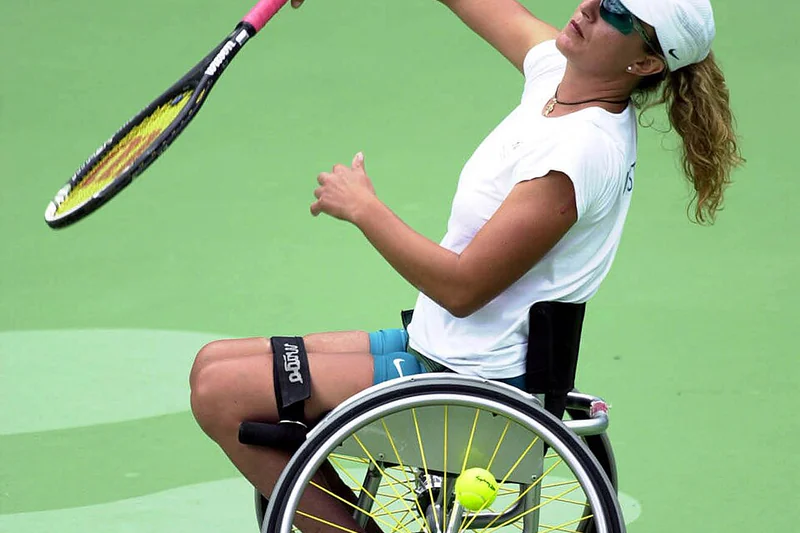
Start with this check
Repeated overhead motion places substantial load on the shoulder, and accumulated fatigue can alter how the trunk, shoulder blade, and arm work together.
Try these steps in order
- Stop and seek an assessment for sharp or worsening pain, or pain at night.
- Record serve count and intensity, recovery days, and changes in range of motion.
- When returning, progress from half-speed serves to placement and then pace.
Bottom line
Shoulder-conscious serve training respects fatigue signals and manages load in stages before adding speed.
Reviewed sources
Technical evidence is shown separately from community topic signals.
Technical evidence
- Sports BiomechanicsReview of tennis serve motion analysis and the biomechanics of three serve types with implications for injury
- Sports Medicine - OpenTennis Serve Biomechanics, Joint Load Mechanics and Overuse Injuries: A Narrative Review
- International Journal of Environmental Research and Public HealthRisk Factors for Upper Limb Injury in Tennis Players: A Systematic Review
- NHSShoulder pain — when to get medical help
TENNIS TENSION LAB
Check your racquet’s tension today.
Get a high-precision tension reading in under 10 seconds. Tension Lab tracks changes from your first reading and helps you see when to restring.
- High-precision tension measurement. Ready in under 10 seconds.
- Track every change in feel. See the full story over time.
- Time to restring? Never leave it to guesswork.