return to playtime awaytraining volume
The First Month Back: Why You Should Not Play at Your Old Level After a Long Break
The swing stored in memory may return quickly, but the amount of training your tissues can tolerate recovers more slowly.
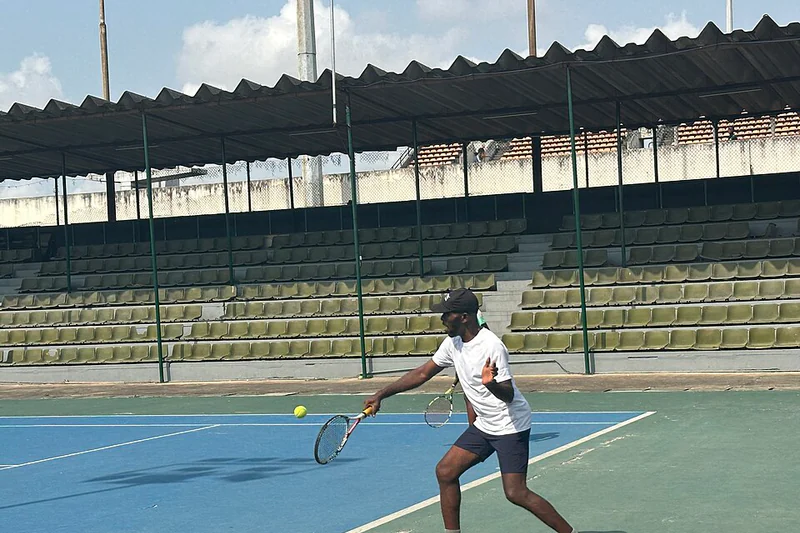
Start with this check
Immediately returning to your former duration and intensity after time away can sharply increase technical fatigue and overuse load.
Try these steps in order
- In the first week, assess your current response with short sessions and cooperative rallies to generous targets.
- Track playing time, serve count, and next-day pain, and build weekly load gradually.
- Add full matches and consecutive playing days only after technique and recovery are stable.
Bottom line
The goal of returning is not to reach your old speed quickly, but to be healthy enough to take the court again next week.
Reviewed sources
Technical evidence is shown separately from community topic signals.
Technical evidence
- PLOS OneA systematic review of the best-practice return to play programs in tennis players
- BMJ Open Sport & Exercise MedicineSystematic development of a tennis injury prevention programme
- Sports HealthTennis 10+ Warm-Up and Cool-Down Program: A 1-Year Longitudinal Analysis
- International Journal of Environmental Research and Public HealthRisk Factors for Upper Limb Injury in Tennis Players: A Systematic Review
TENNIS TENSION LAB
Check your racquet’s tension today.
Get a high-precision tension reading in under 10 seconds. Tension Lab tracks changes from your first reading and helps you see when to restring.
- High-precision tension measurement. Ready in under 10 seconds.
- Track every change in feel. See the full story over time.
- Time to restring? Never leave it to guesswork.