Sabalenka won 6–1, 6–3. The more revealing contest was with her own expectations
Eleven aces, no break points faced and a comfortable win. Alongside that performance, Sabalenka was discussing a harder habit to change: how she speaks to herself when she wants more.
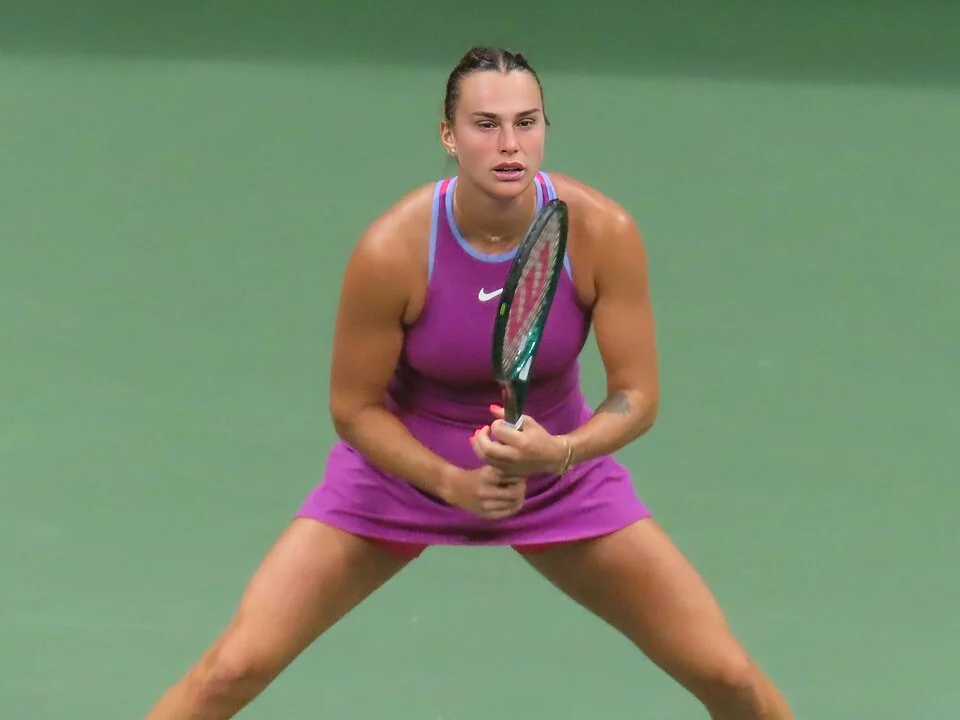
Aryna Sabalenka had plenty of good tennis to take home from her Beijing opener on 2 October 2026. She beat Renata Zarazua 6–1, 6–3, served 11 aces and never faced a break point. The WTA counted 36 winners, two more than Zarazua's total points won. Asked about the performance, Sabalenka expressed satisfaction with her level, focus and physical condition. This was not a player searching for a positive detail in a disaster.
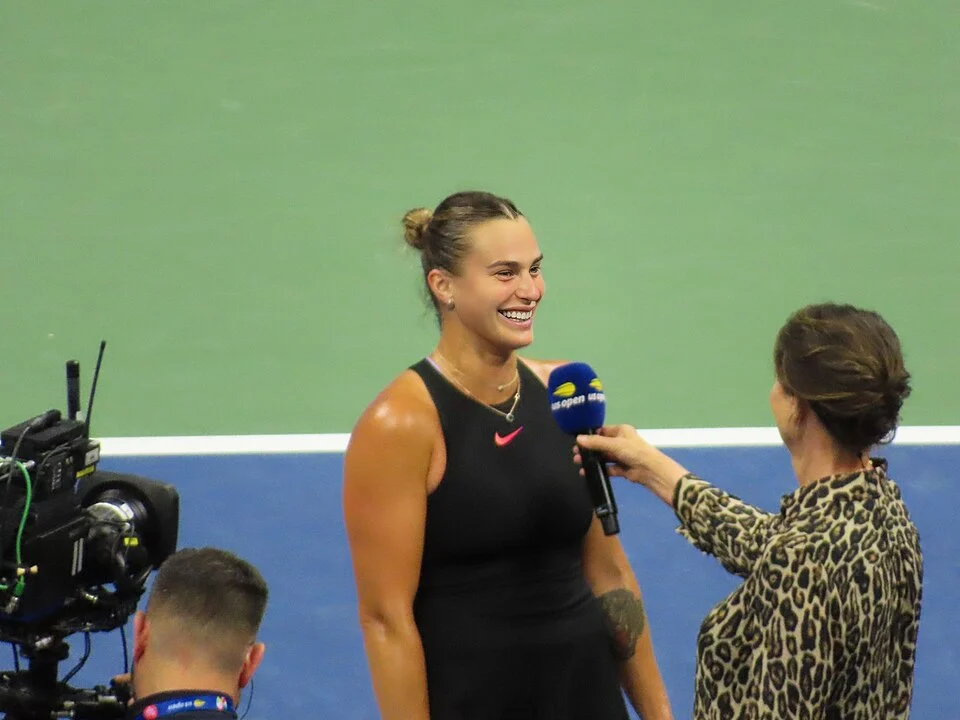
Yet her comments about expectations reached beyond that afternoon. As reported by BBC Sport, Sabalenka described her habit of asking more from herself as both a good and a bad part of her personality. Sometimes it moved her forward; sometimes it drained her energy. She said she was trying hard to be easier on herself. The interesting admission is the coexistence of those effects. The habit that helps someone pursue a difficult standard can also become expensive to keep running.
An experienced club player does not need a Grand Slam résumé to recognise the problem. You know what your forehand can do. You have made that return hundreds of times. The missed ball therefore arrives with a second event attached: an argument about how a player of your level could possibly have missed it. By the time you are ready to solve the first event, the next point is already waiting.
The season explains the size of the expectation
Sabalenka's context was unusually demanding. The October report described her first match since losing the US Open final and the world No. 1 ranking to Elena Rybakina in September. She had won Indian Wells and Miami back-to-back in March, yet the year's four majors had passed without a title for her, the first such season since 2022. A major-title criterion and a week-to-week performance criterion were producing different verdicts on the same year.
The WTA's account made that contrast sharper. After beating Zarazua, Sabalenka stood at 47–9 in 2026, a winning percentage of 83.9% that the report identified as the highest on tour at that point. That does not erase losing a final she wanted to win. It does show why calling the season simply good or bad can flatten the information a player needs. A demanding goal can remain unmet while a large amount of excellent work remains real.
The temptation is to prescribe a different personality: be calmer, care less, smile after errors. Her comments do not establish that formula, and the win does not prove a new mental routine caused the result. What they offer is a more useful question. When a high expectation speaks during a match, does it tell you what to do next, or does it only keep announcing that the last point should have been better?
Consider the difference between an ambition and an instruction. Wanting to make a deep return on a second serve is an ambition you can organise a point around. Telling yourself that a decent player would never miss it is a verdict without a direction. It does not identify the ball you received, where your preparation broke down or which target was available. Its severity can feel like serious analysis while producing very little usable information.
Give the next point something it can use
A practical approach is to shorten the distance between observation and action. Suppose a return sailed long because you tried to drive a shoulder-high ball from a cramped position. One possible response is a global accusation about your returning. Another is to identify the next playable adjustment: a larger target, a more compact preparation, or a different starting position if the same serve keeps causing the problem. The right choice depends on the actual ball; the example is a way to review a decision, not a reconstruction of Sabalenka's routine.
There is also a time to leave a miss alone. If the target was sensible, the preparation was available and the execution was simply imperfect, a complete technical rebuild between points may create more confusion than information. Keep the intention and try again. If the same problem repeats under comparable conditions, give it more attention at the changeover or in the next practice. A single point and a recurring pattern deserve different amounts of analysis.
This does not require you to feel pleased after an error. Trying to display flawless composure can become another standard to fail. The useful question is behavioural: after the reaction, can you return to the score, the opponent and the next choice? A player can be annoyed and still prepare properly. Another can appear quiet while replaying the previous mistake throughout the next service game. Looking calm and being ready are different observations.
For doubles, the distinction becomes visible to somebody else. A partner who hears a long self-criticism may not know whether you want tactical help, reassurance or silence. A short message with a next action gives the pair a shared task: watch the wide serve, cover the middle after the next return, or keep the first volley deep. It also makes the point less likely to become a conversation about one person's worth as a player.
Review the match without putting yourself on trial
After a practice set, write down a few moments when the reaction seemed to continue into the next point. Keep the description narrow. What happened? What did you say or do? What was your first decision afterward? You are looking for a sequence you can recognise again, rather than grading your entire mentality. This is a suggested reflection exercise, not a measured intervention with a promised improvement in results.
One revealing distinction is whether a complaint changed the next choice. Perhaps a missed attack made you stop taking a short ball you would normally use. Perhaps a double fault made the next second serve so tentative that the returner took control. Or perhaps you were frustrated, reset, and played the next point as intended. Those are different outcomes. Counting every visible reaction as a failure would hide the differences you need to understand.
Equipment-sensitive players have another version of the same trap: a poor game becomes immediate evidence that the tension is wrong. Sometimes the setup does need attention. Record what changed and compare the response over more than one rushed contact. A consistent tension history can help that investigation. Repeatedly changing the racquet, the target and the swing after each mistake makes it harder to discover which problem was present. Save the useful equipment question from the emotion of having to answer everything immediately.
The end of the review should leave a limited piece of work. If returns become rushed after a miss, the next session can include return points where you must choose and state the target before receiving again. If an error rarely changes the following decision, there may be less to fix in the reaction than you assumed. Keep the task small enough that you can observe it. Adding ten mental instructions can occupy the same attention you wanted to free.
Sabalenka's Beijing win supplies no guarantee that this balance is now solved for her. Her own wording described an effort still in progress. That is part of what makes the admission useful: a player capable of overwhelming an opponent can still be examining the cost of her standards. For the rest of us, the next step is available well below that level. Keep demanding good decisions and honest work. Make the voice carrying that demand useful to the next ball.
Sources and further reading
TENNIS TENSION LAB
Check your racquet’s tension today.
Get a high-precision tension reading in under 10 seconds. Tension Lab tracks changes from your first reading and helps you see when to restring.
- High-precision tension measurement. Ready in under 10 seconds.
- Track every change in feel. See the full story over time.
- Time to restring? Never leave it to guesswork.