TENNIS TENSION LAB · JOURNAL
Tennis journal
The stories behind the scoreline. Players, rivalries, tactics and equipment—examined for people who know the game.
Strings & tension
11
Why old poly can feel harsher even as its tension falls
Lower tension does not tell the whole story of worn polyester. Separate stringbed deflection, inter-string friction and changing launch behaviour before deciding when to restring.
7 min read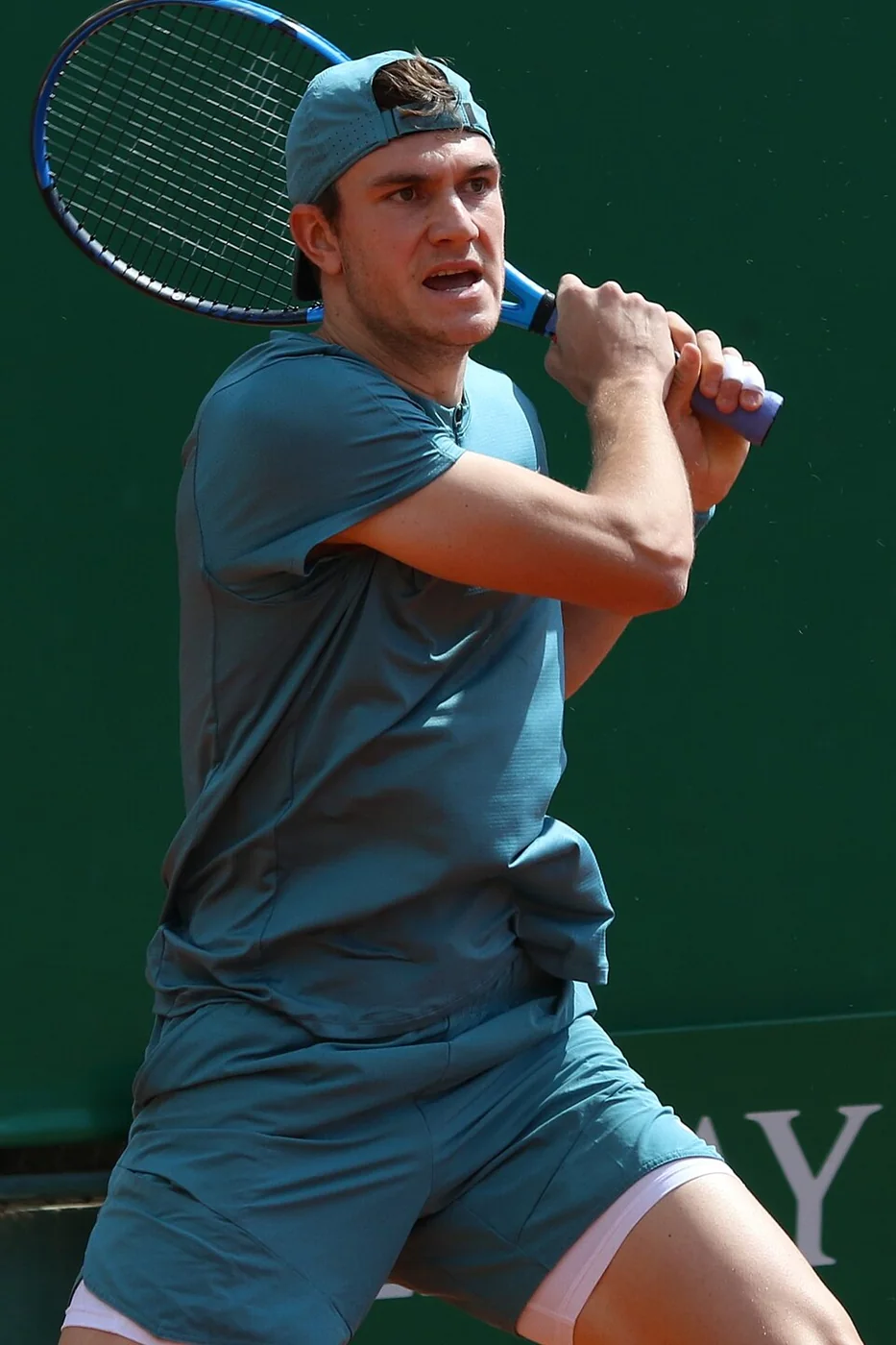
Jack Draper’s natural-gut experiment challenges the “serious players use poly” rule
What Jack Draper’s reported move from polyester toward natural gut tells experienced players about string stiffness, useful life and choosing a setup without copying a pro’s prescription.
8 min read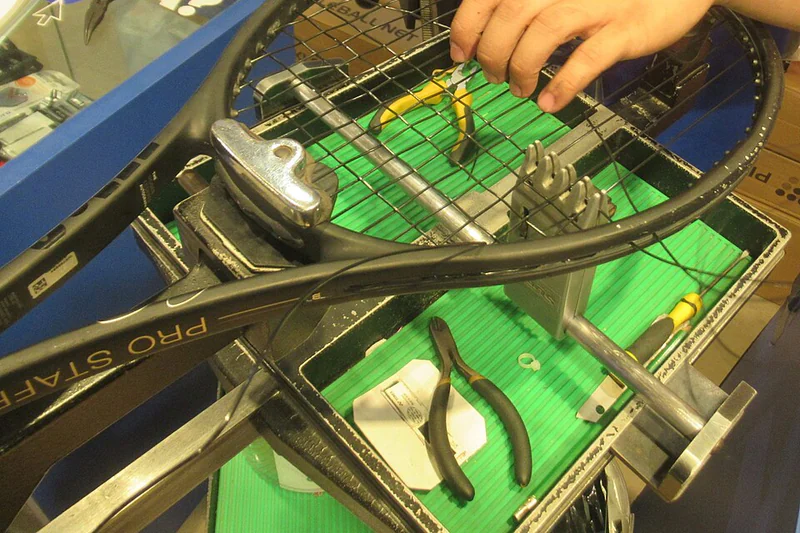
The first tension drop can mislead your next restring
A fair tension history separates the stringing-machine setting, the fresh stringbed reading and the first-session baseline. Here is how to compare strings without moving the starting line.
7 min read
Your racquet has cooled down. Have the strings recovered?
A string-temperature experiment explains why cooling a racquet after hot storage may not restore its earlier tension—and why the often-quoted loss percentages need care.
7 min readSame gut, same poly—why reversing mains and crosses makes a different hybrid
Gut mains and poly crosses are not the same setup as the reverse. Historical friction measurements explain why order matters, and what to record before comparing hybrids.
9 min readHyper-G Soft or lower-tension Hyper-G? Make the comparison before buying the reel.
Changing to Hyper-G Soft and lowering your usual Hyper-G tension are different experiments. A practical comparison of gauge, fresh string jobs, return depth and response over time.
8 min readSame 50 lb, different racquet: the trap when you change stringing machines
Lockout and constant pull do not share a universal conversion percentage. Reproduce a preferred setup by recording the process, material and measurement timing.
7 min read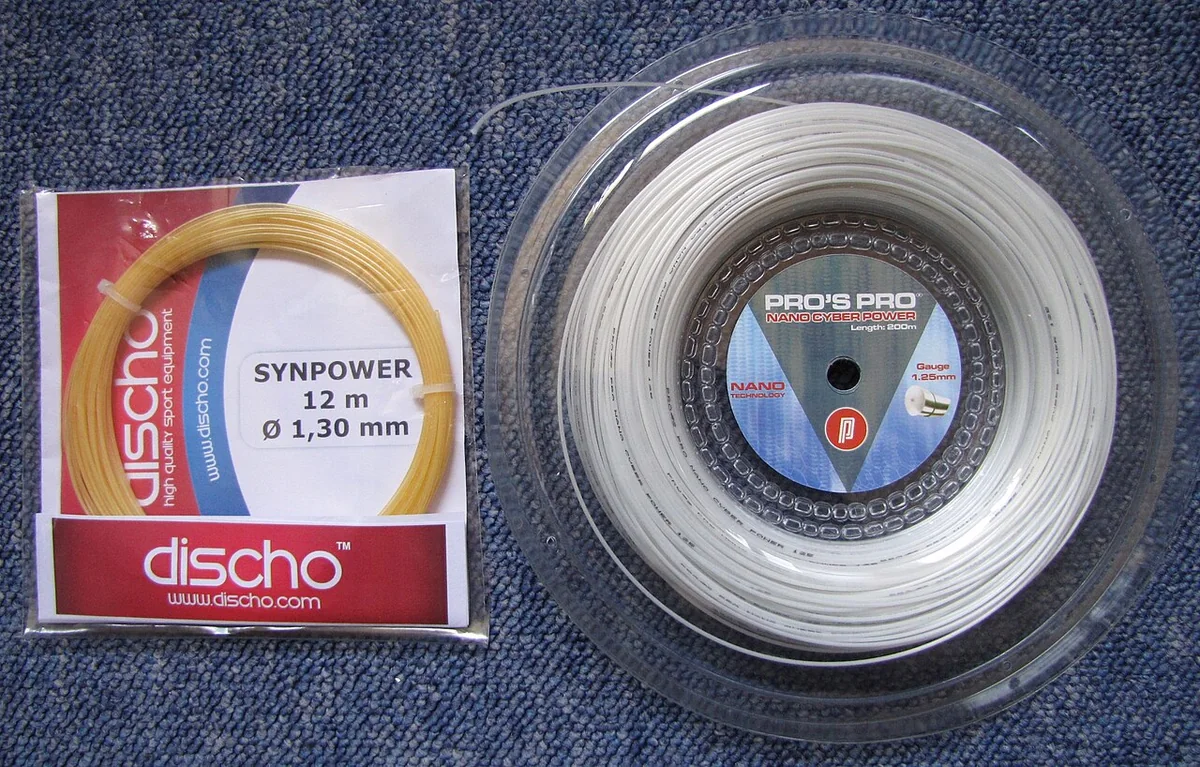
Never break strings? Polyester can still be your most expensive choice
Polyester durability is not the same as useful playing life. How infrequent string breakers can choose between poly, synthetic gut and multifilament.
7 min read1.20 or 1.25 mm? What those 0.05 millimetres cannot promise.
Thinner tennis strings are not automatically softer or better for spin. Understand nominal diameter, impact stiffness and useful playing life before choosing a gauge or buying a reel.
8 min readLower tension, higher launch—but where did the topspin go?
Lower string tension can raise the launch angle without delivering more topspin. What TWU’s string-movement experiments reveal, and how to judge a useful low-tension setup.
9 min readShould a spin string be rough or slippery? You are asking about two different surfaces
Ball-to-string grip and friction between mains and crosses do different jobs. How to read spin claims, hybrid tests and visible string movement without confusing them.
8 min readRacquets & gear
9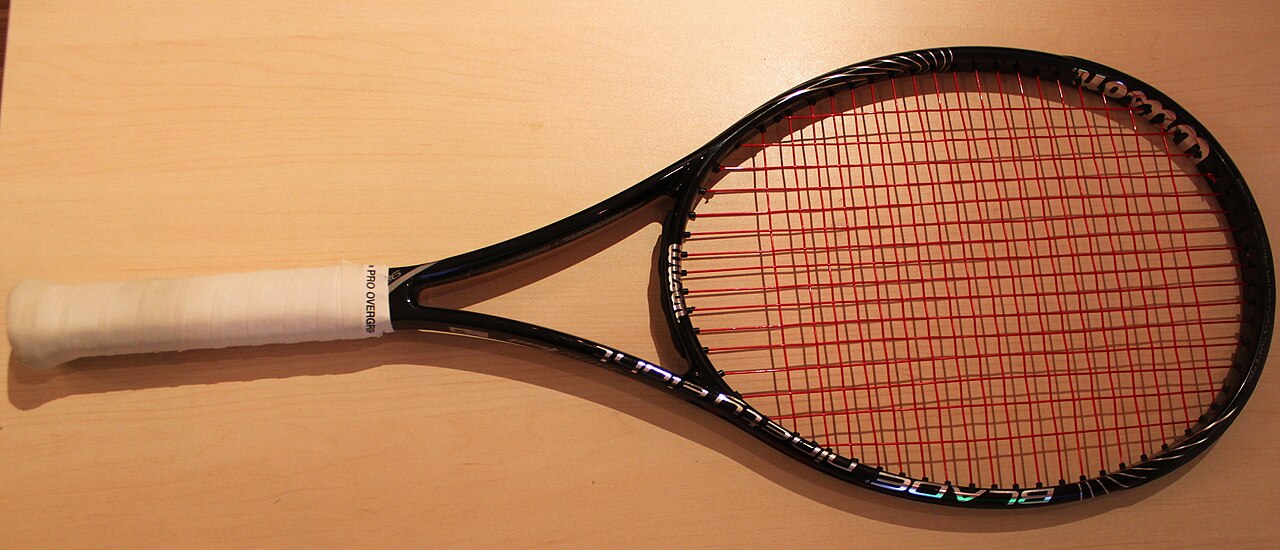
Blade V10 16×19 or 18×20? Choose the flight, not the label.
The Blade 98 V10 patterns share several listed specifications. Compare their string spacing, demo setups and usable ball flight without confusing higher launch with more spin.
9 min read
A quieter racquet is not proof of a safer arm: what a dampener actually changes
Dampener debates mix sound, feel and arm protection. Two published studies help separate those questions—and explain why the accessory comes off before a tension reading.
8 min read
EZONE 98 vs 100: you are changing more than two square inches
The eighth-generation Yonex EZONE 98 and 100 differ in listed balance and frame width as well as head size. Read the official dimensions before blaming every demo difference on 98 versus 100.
8 min readBoth racquets say 305 g. Why does one keep arriving late?
Identical listed weight does not mean identical swingweight. Read mass, balance and rotational resistance together before choosing a new frame or matching a second racquet.
8 min read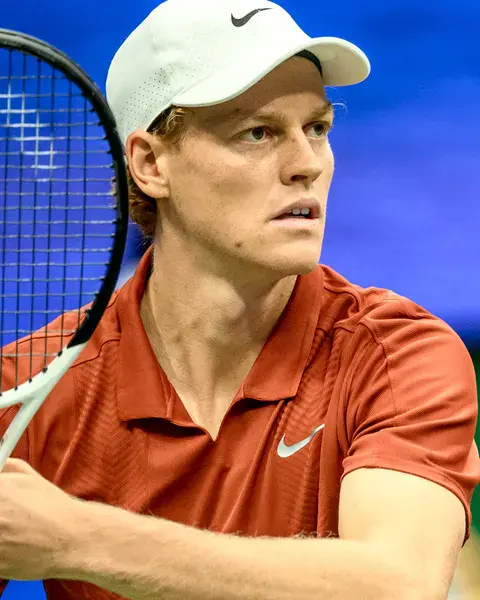
Sinner’s racquet looks familiar. Does that tell you what is inside the one you can buy?
A recurring Sinner paintjob debate reveals why colour, endorsement, retail specifications and a professional’s individual setup need separate answers.
8 min read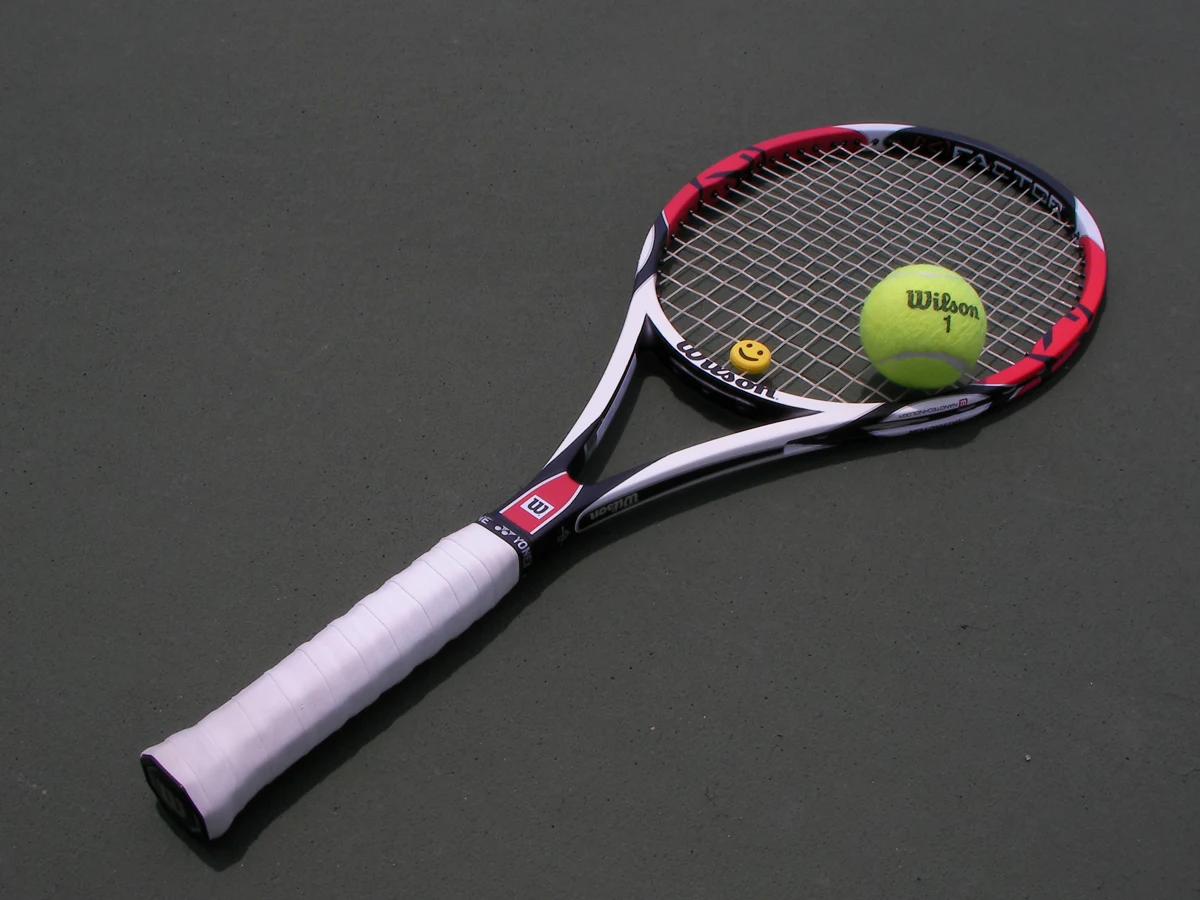
Your grip feels sticky in the shop. Why does it slip in the second set?
Tacky feel and sweat handling are different things. Choose an overgrip by its behaviour during a match, and stop judging it with a dry hand alone.
7 min readT-Fight 305S vs TF-40 305: the string count does not settle the argument
Two Tecnifibre racquets share 305 g and a 98-inch head, yet their official construction descriptions point in different directions. Here is how to read the comparison without inventing a playtest.
7 min read12 o’clock or 3 and 9? The same four grams can change a racquet in different ways
Racquet weight at 12 o’clock and at 3 and 9 changes different rotational demands. A worked example separates swingweight, twist resistance and the limits of laboratory evidence.
8 min readWilson Defyer 98 or 100? The argument is about more than head size
The Defyer debate is unusually lively. Official Wilson dimensions, retailer measurements and conflicting player reports reveal what an experienced buyer should compare before switching.
7 min readMatch tactics
4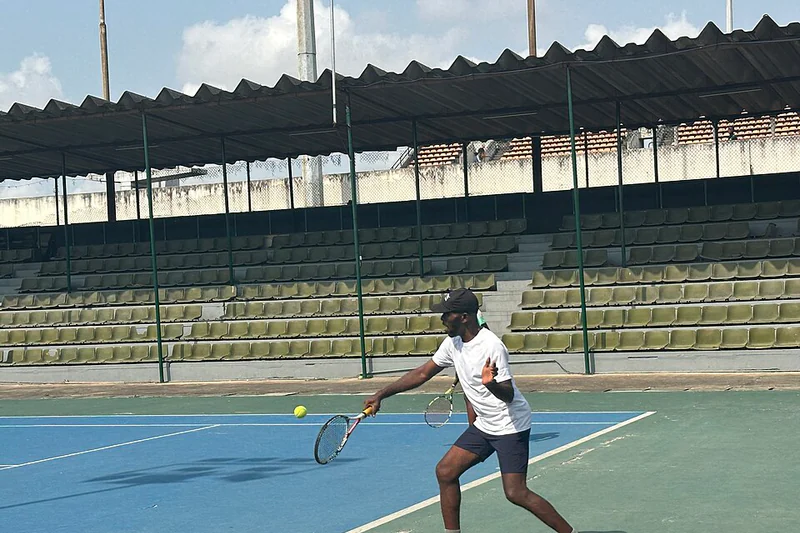
Before buying an AI ball machine, ask for a full practice session—not just its top speed
Pongbot, Acemate and Tero discussions reveal the questions a specification sheet misses: usable drills, app dependence, transport, repair and the real return conditions.
8 min read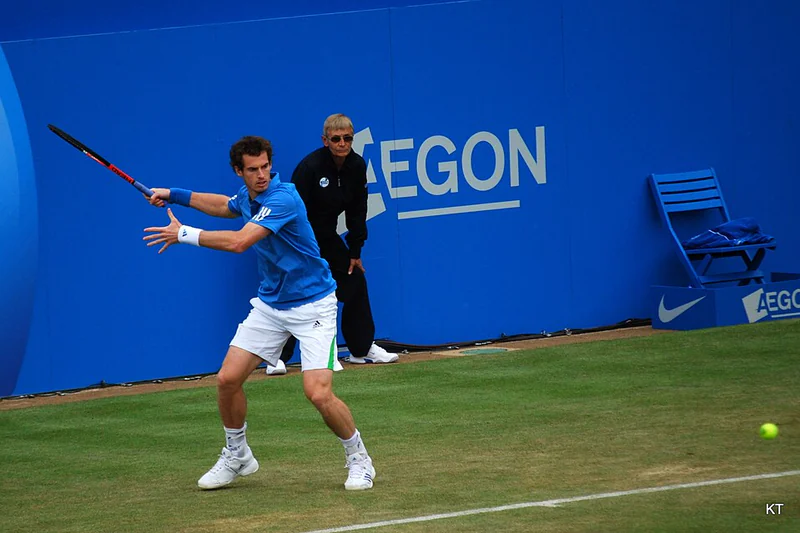
Still losing to pushers? Stop trying to prove you hit the better ball
Why experienced players lose to defensive retrievers—and how to change the geometry of the point without gambling on winners or rushing the net.
7 min read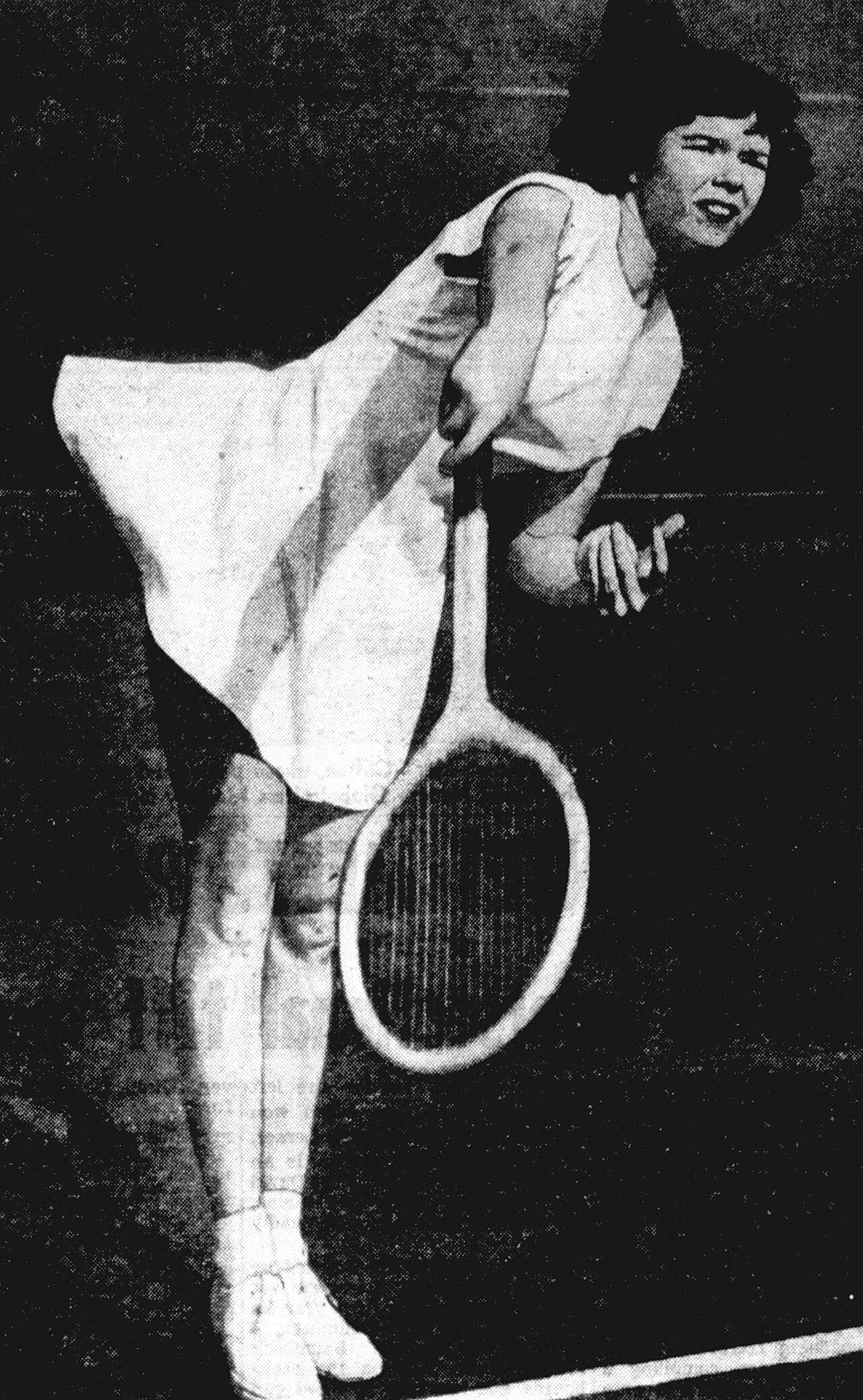
Two forehands, no weak side? The question Lucas Herrera Sanchez brings back to tennis
A junior with two forehands revived an old tennis idea. What a four-point statistical estimate does—and does not—tell us about replacing the backhand, changing grips and court position.
8 min read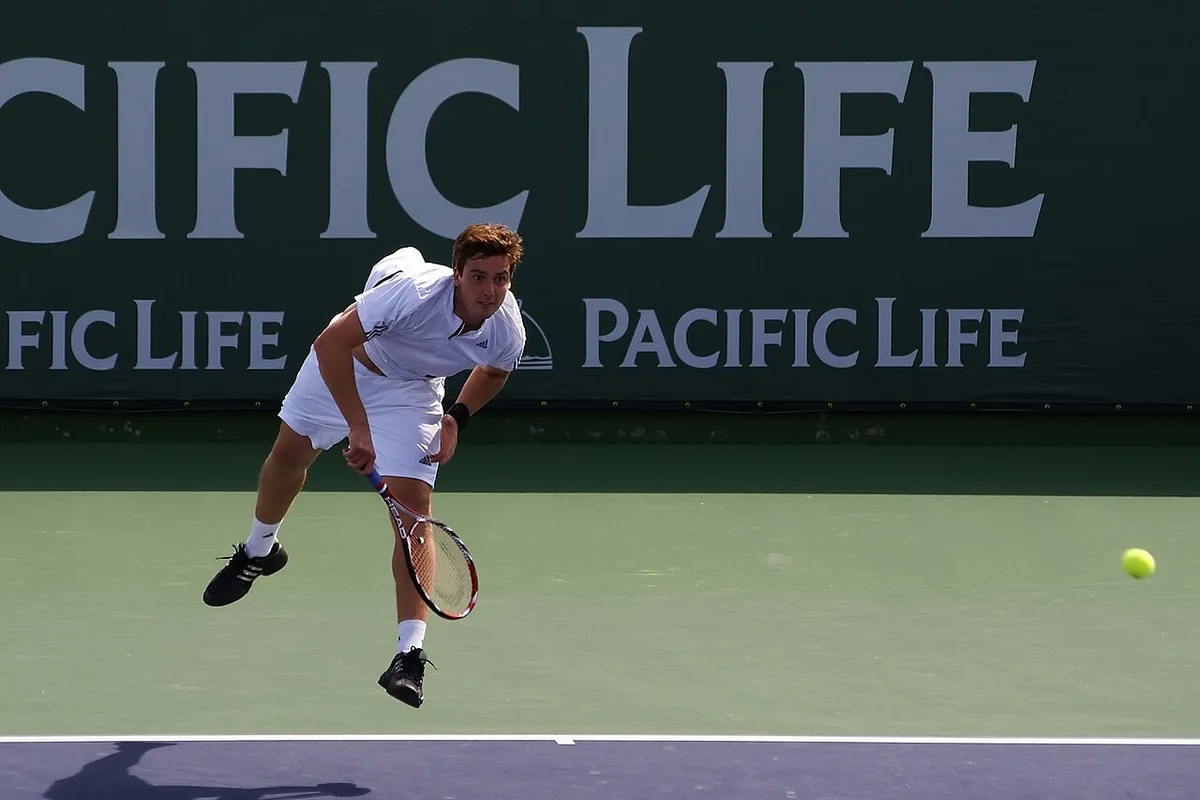
You can reject the toss. Why do you keep serving from it?
Catching an abandoned service toss is different from swinging and missing. Know the rule, keep the match moving, and practise the decision before a double fault makes it expensive.
8 min readPlayers & the tour
31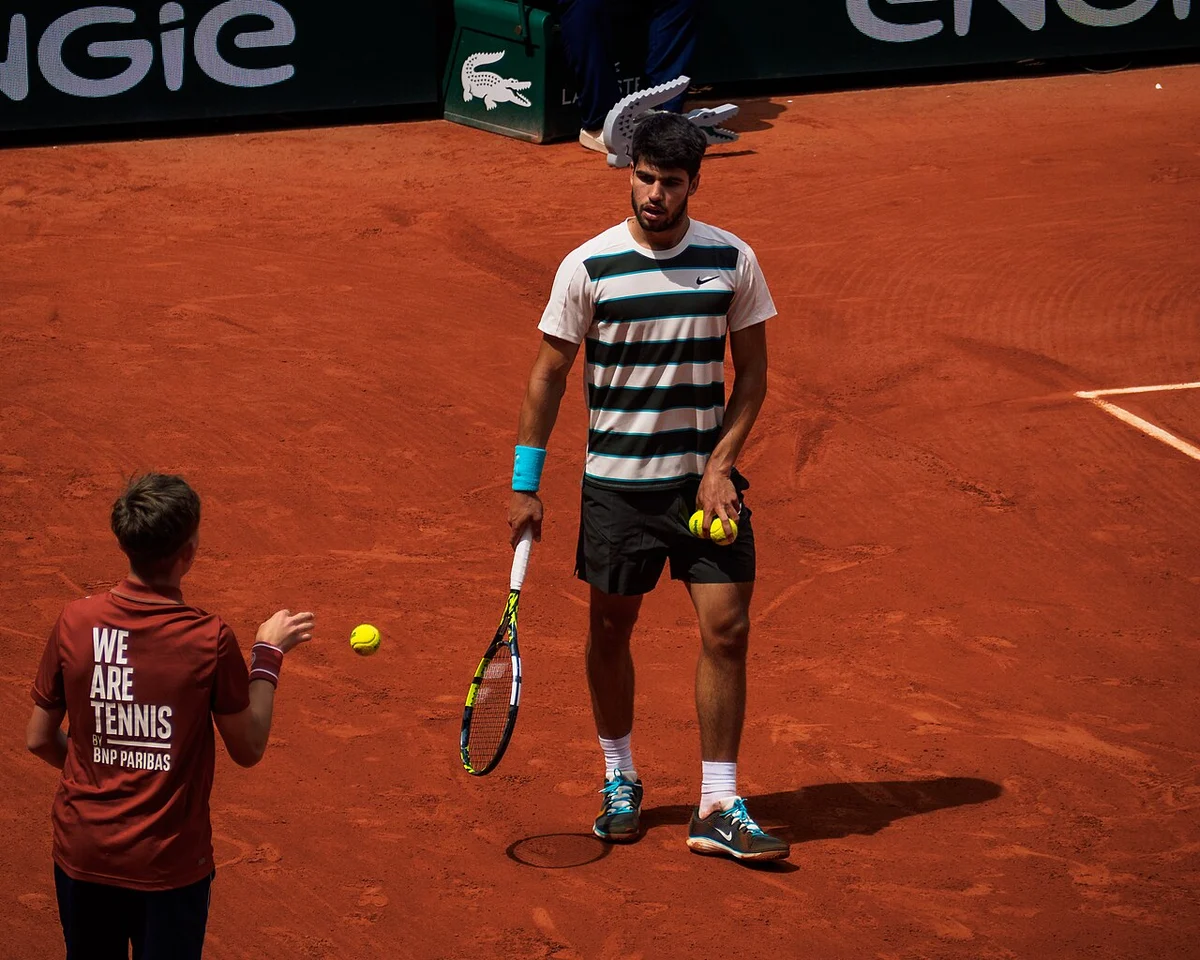
Alcaraz finished at 3:34am. Who should pay for tennis running late?
After a four-hour, 28-minute US Open quarter-final against Ben Shelton, Carlos Alcaraz questioned the schedule. Wimbledon shows both the value and the cost of setting a finishing boundary.
8 min read
Alcaraz brought back 76.5% of Djokovic’s first serves. The next number matters just as much
A closer look at Carlos Alcaraz’s first-serve return against Novak Djokovic: how getting the ball back and competing after the return combine to take away a server’s advantage.
8 min readMatch point down, Alcaraz played a drop shot. Was that really the risky choice?
Carlos Alcaraz used drop shots to escape Taylor Fritz and finish their 2026 Laver Cup match. What that decision reveals about playing safe under pressure.
8 min read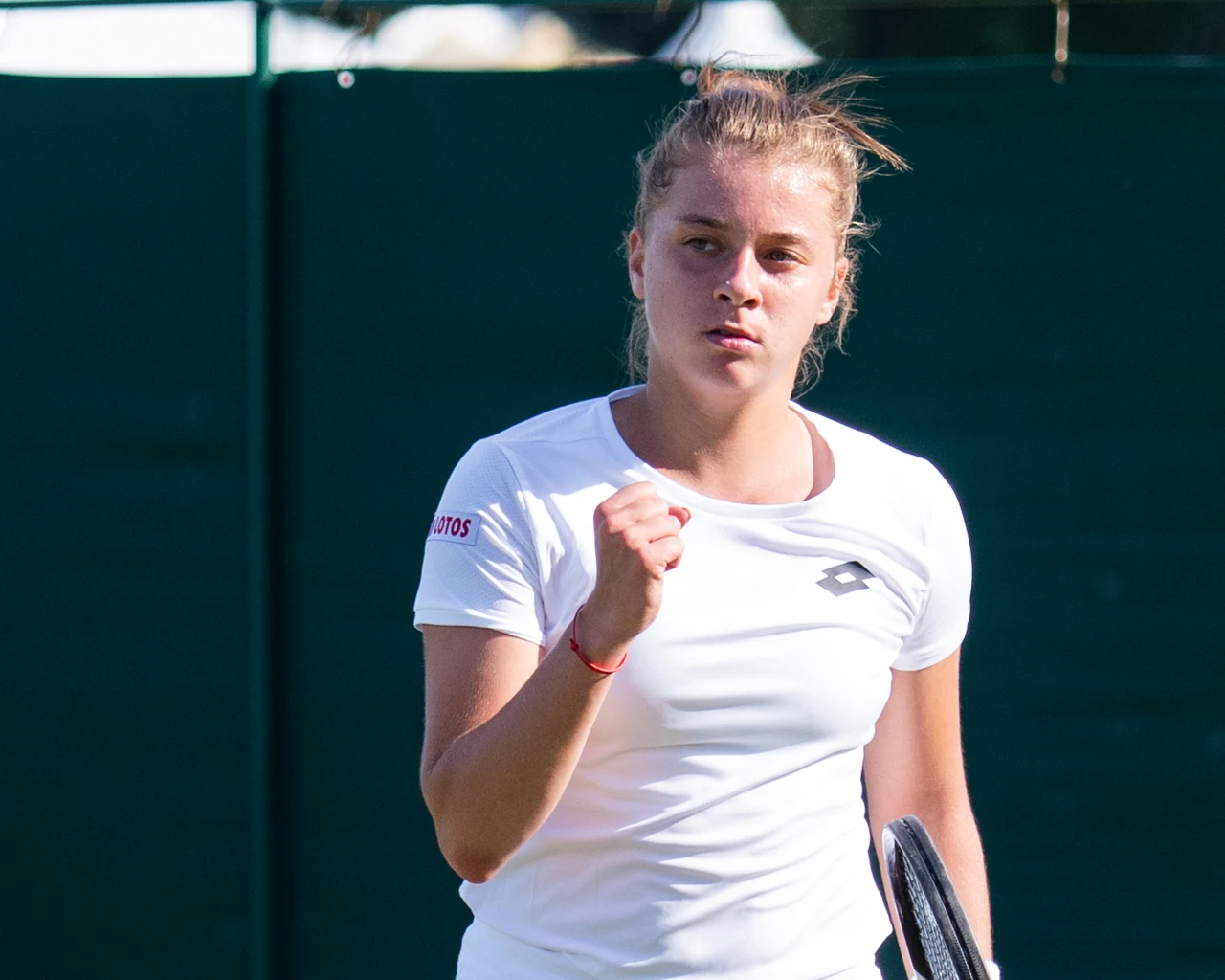
No. 114 to a Roland Garros final: what Chwalinska’s variety made opponents solve
Maja Chwalinska reached the 2026 Roland Garros final from qualifying at No. 114. Her defeat to Mirra Andreeva reveals the tactical demands behind a remarkable run.
8 min read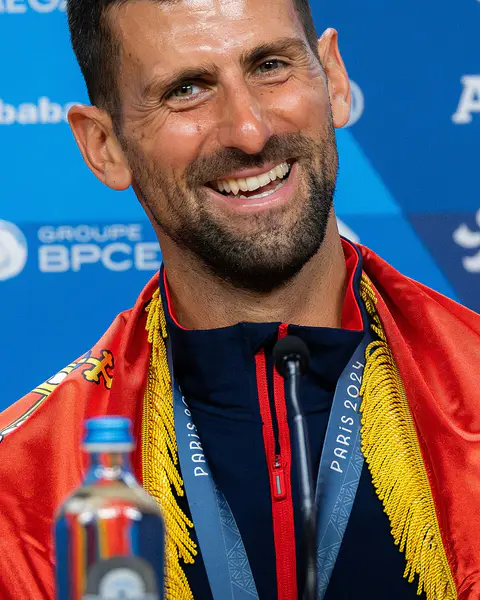
Djokovic plays less. Why is the last part of a tournament still so hard?
A lighter calendar and a deep Grand Slam run answer different questions. Djokovic’s comments on an emptying tank offer a better way to think about tournament readiness than counting entries.
8 min read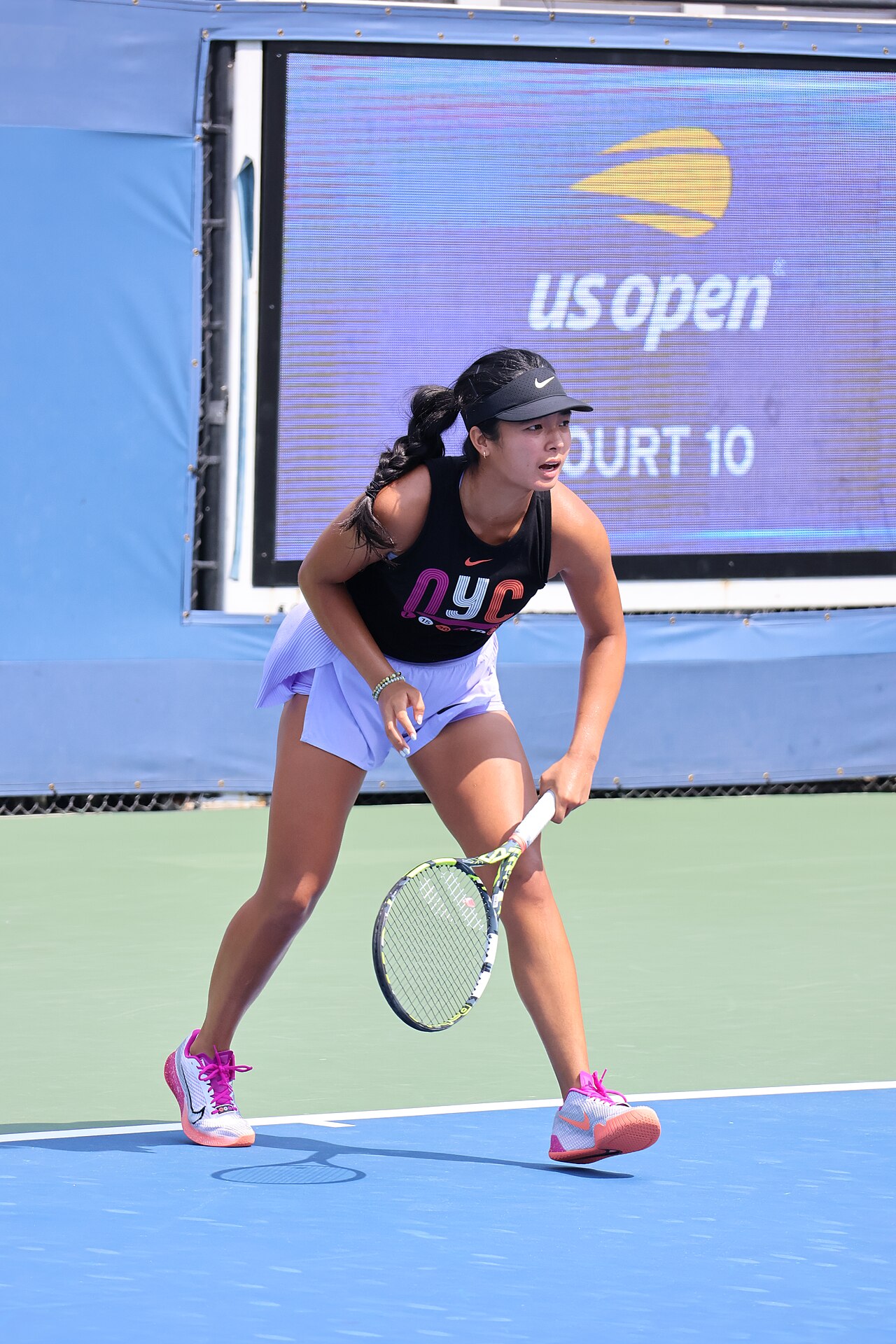
Zheng, Fernandez, Svitolina, Osaka, Pegula: read Eala’s first title through the draw
Alexandra Eala’s 2026 Washington title came through five major names and the top three seeds. Why the route to her first WTA trophy matters as much as her move into the Top 20.
8 min read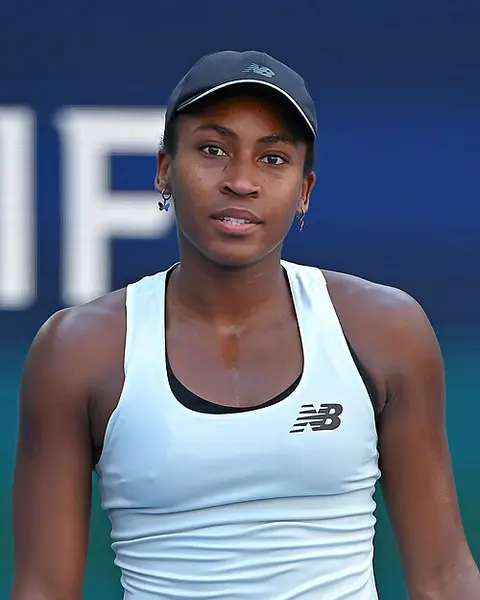
Gauff ended a ten-month drought. Pegula’s service games explain the week better.
Coco Gauff beat Jessica Pegula 6–2, 6–4 for the 2026 Cincinnati title. Beyond the ten-month trophy gap, the return points and Pegula’s own reaction reveal why the final felt so difficult.
8 min read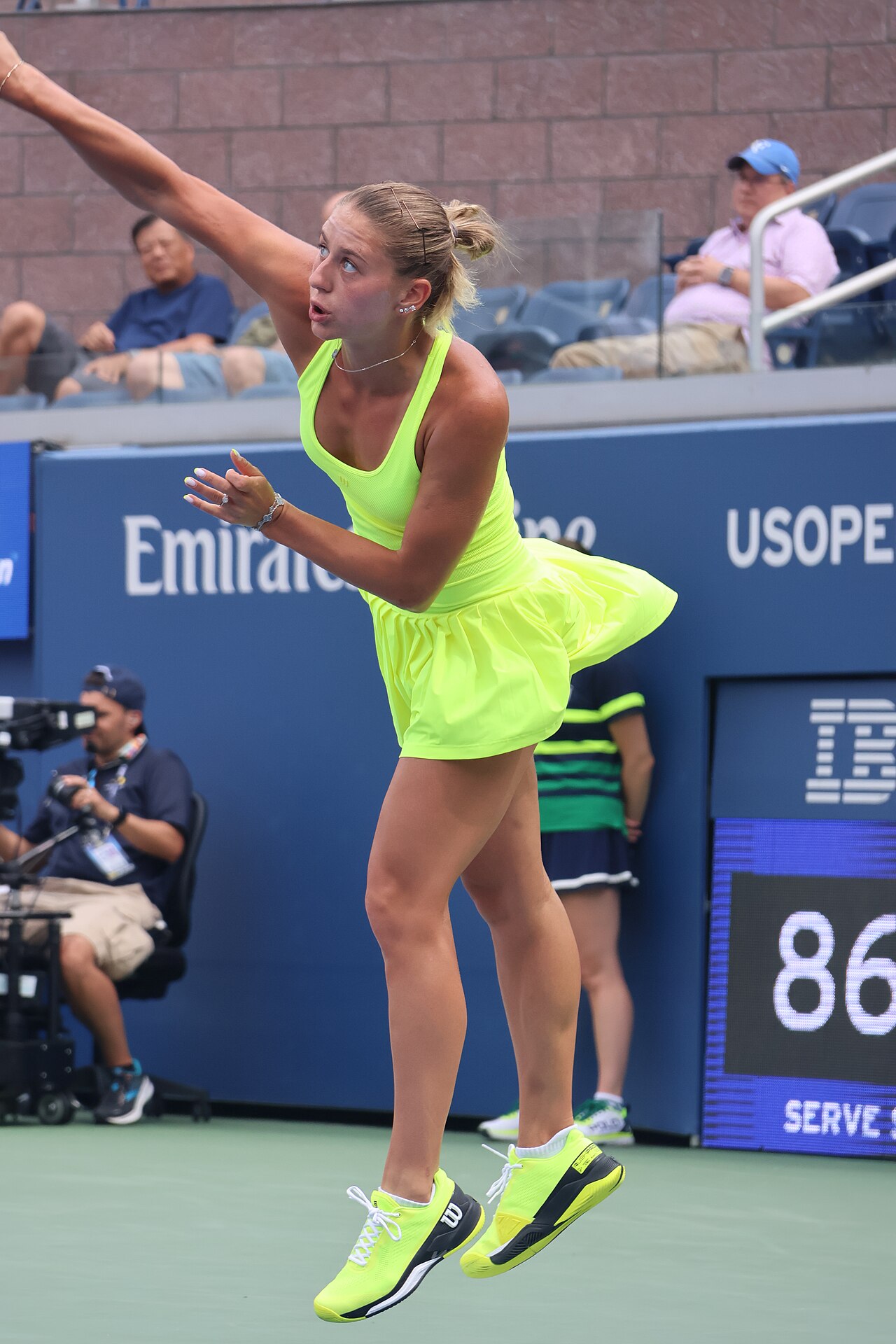
Why Kostyuk chose a 250 before winning Madrid: the pressure of being expected to win
Marta Kostyuk chose Rouen over Stuttgart before her Madrid title. Coach Sandra Zaniewska explains the need for consecutive matches and experience as the favourite.
9 min read
Medvedev hit fewer forehands. The space he did not abandon may be the interesting part
A 45% forehand share in Daniil Medvedev’s charted matches raises a useful question: how much court position are you spending to avoid your backhand?
8 min read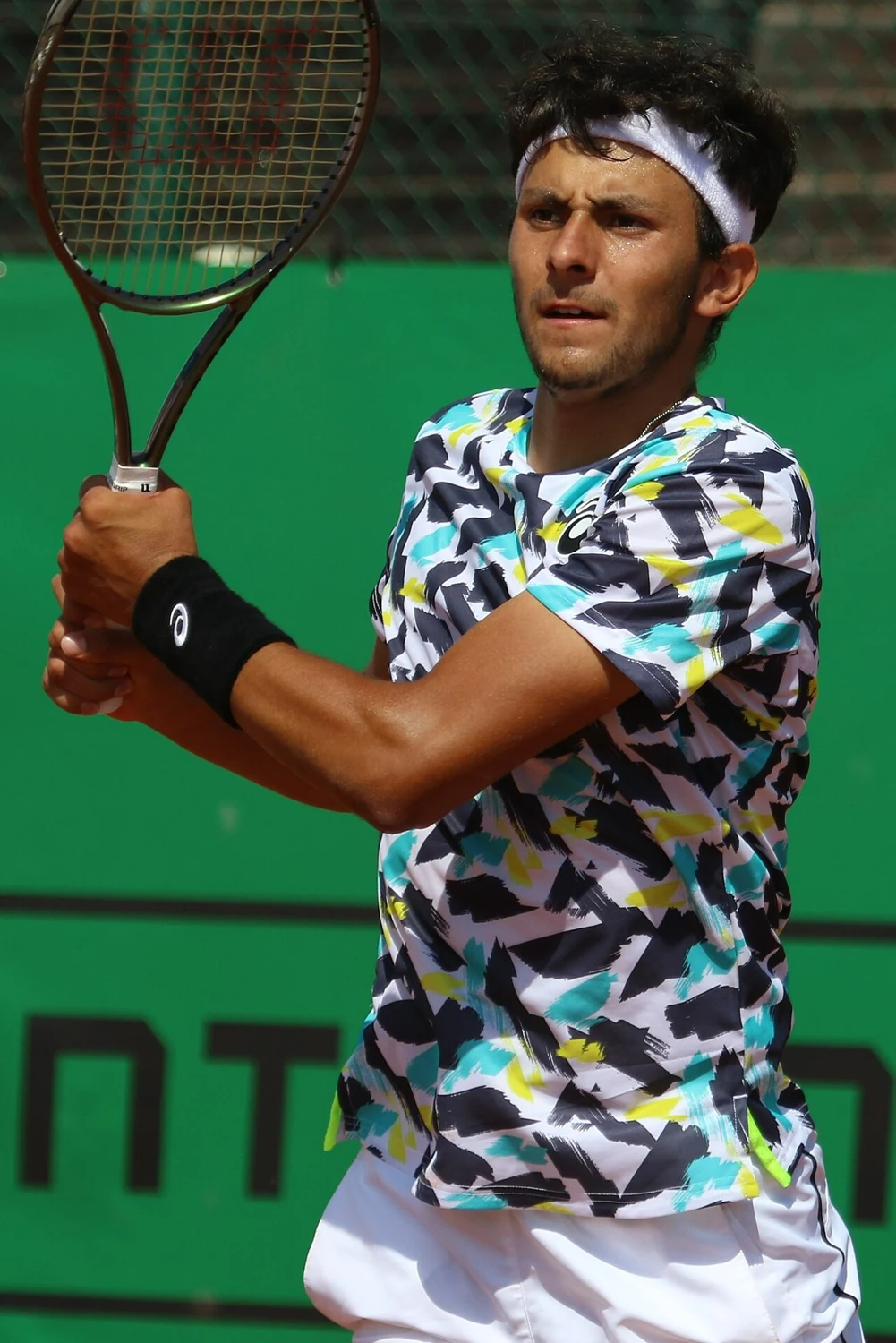
Seven Challenger titles. Why was Emilio Nava still waiting for a breakthrough?
Nava’s 2026 Neckarcup title paired a top-100 player’s progress with a tournament’s uncertain future. It is a revealing look at the distance between excellent tennis and a sustainable stage.
8 min read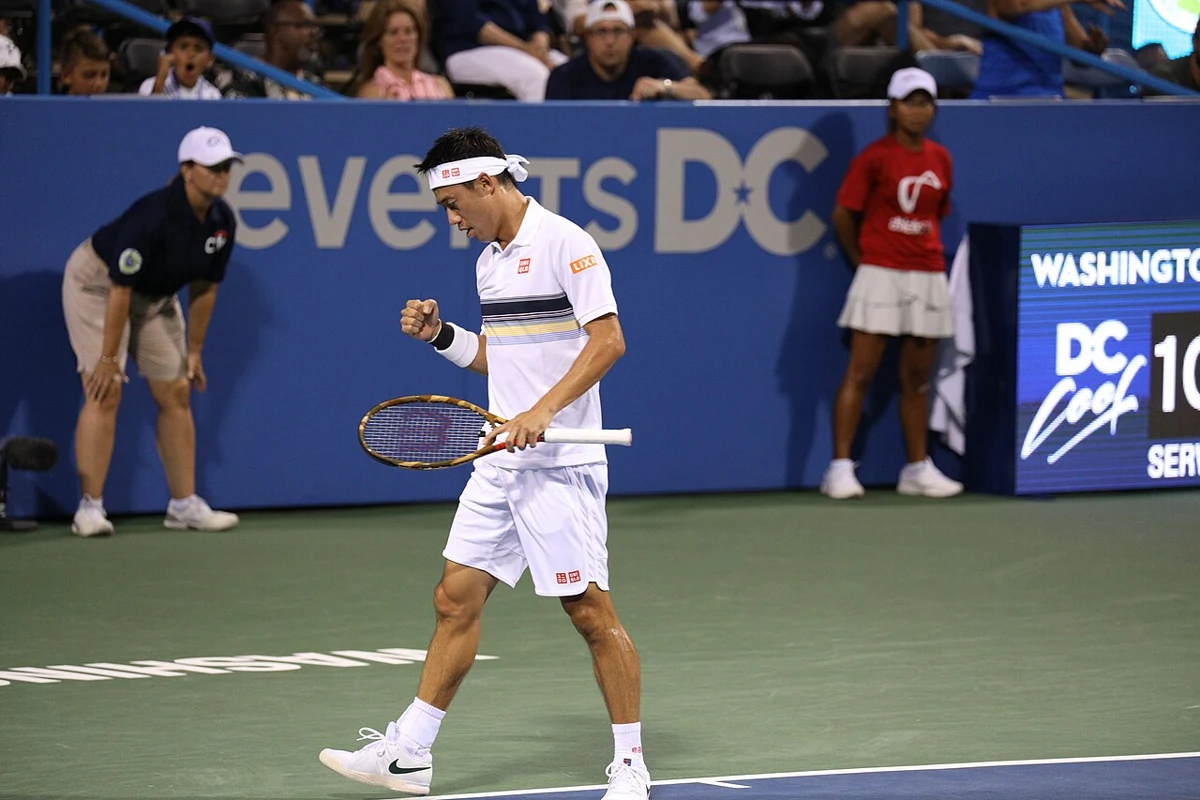
No major title. A 72.5% deciding-set record. How should we remember Nishikori?
Kei Nishikori’s farewell brought an extraordinary deciding-set statistic back into view. It deserves attention—and a more careful reading than “he always won the big points”.
8 min read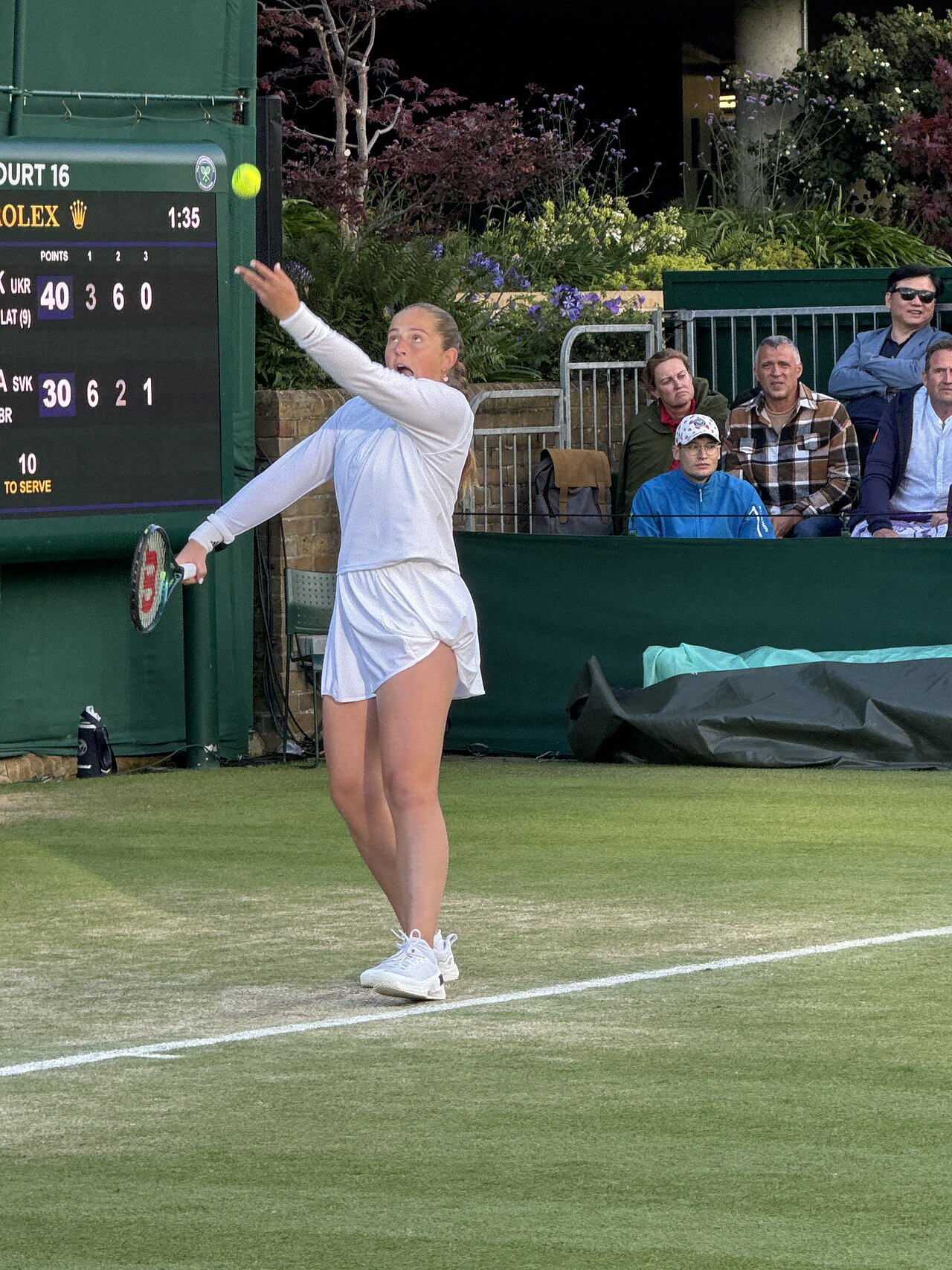
Ostapenko’s 300,000-view videos: the tennis story beyond the score in Beijing
Jelena Ostapenko explains her growing TikTok presence after beating Badosa in Beijing. Why the videos, fan support and Sakkari’s ranking comments tell different stories.
8 min read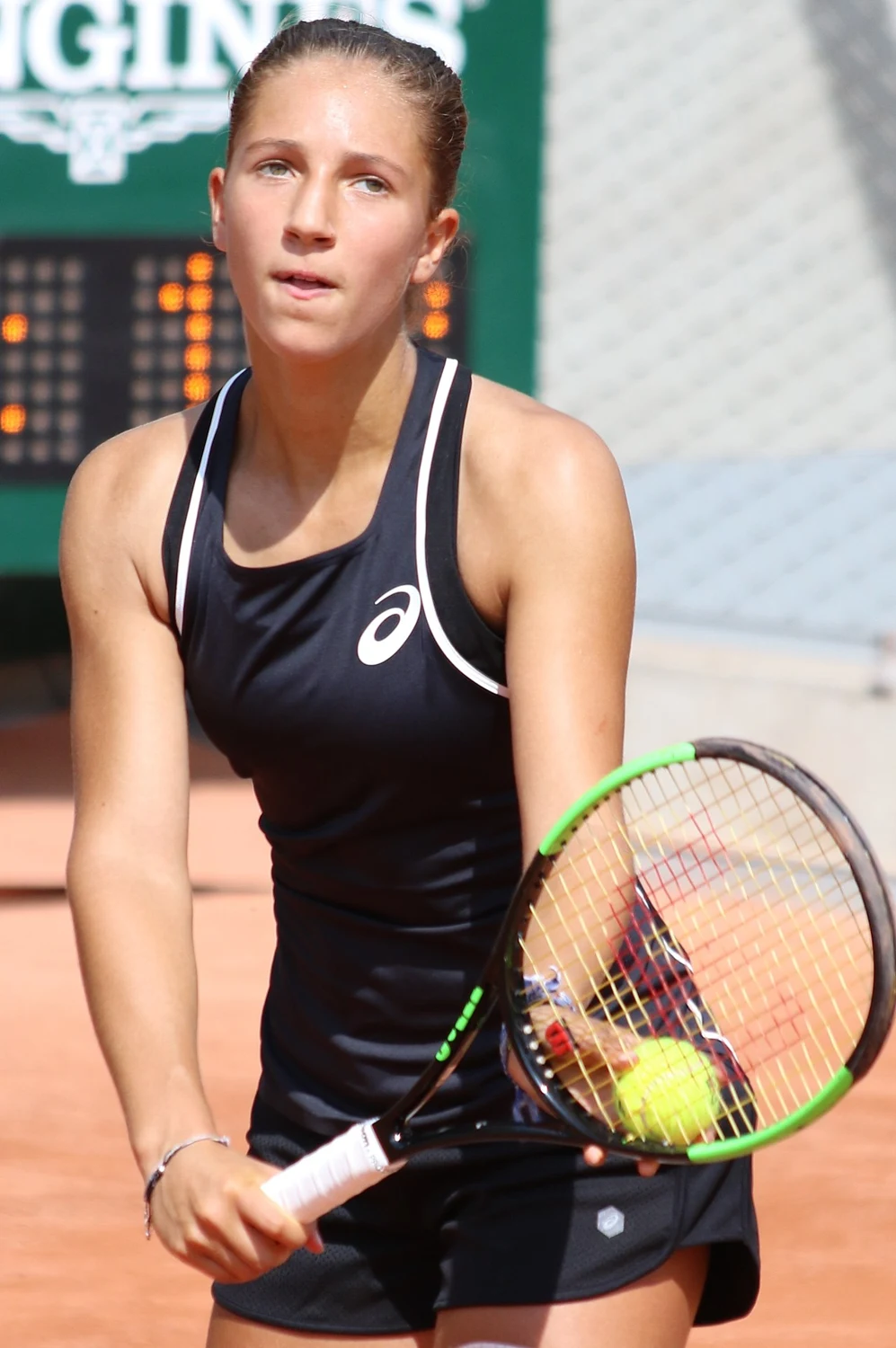
Diane Parry’s one-handed backhand is only part of the attraction
Thomas Hogstedt pointed to Parry’s touch as well as her one-hander. His coaching perspective offers a sharper way to evaluate variety than deciding whether an unusual stroke looks modern enough.
8 min read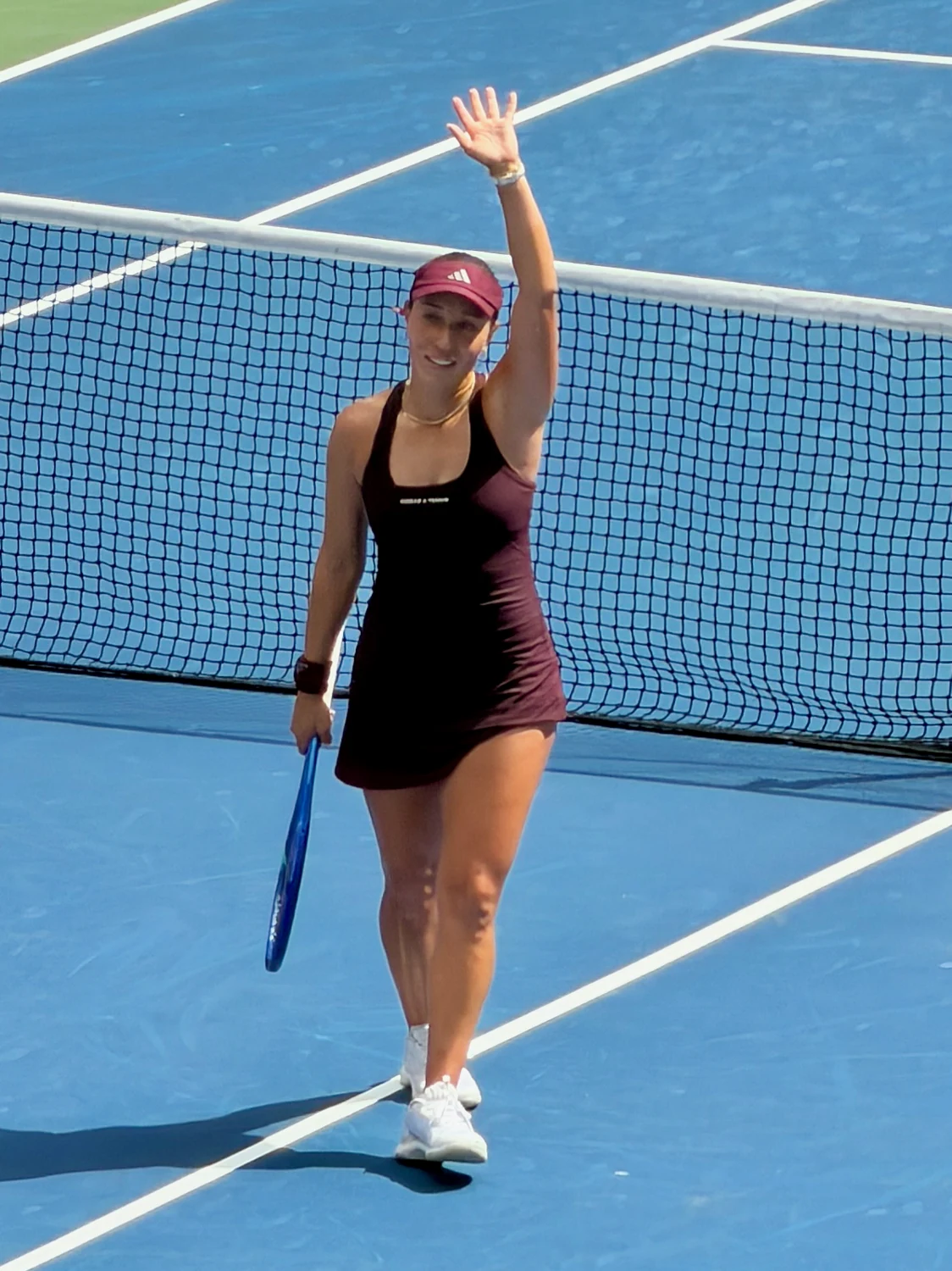
Why Pegula welcomed the 2027 WTA changes: four required 500s, more choices
The WTA plans to cut required 500 appearances for top-50 players from six to four in 2027. Pegula’s response highlights why fewer obligations do not simply mean fewer matches.
8 min read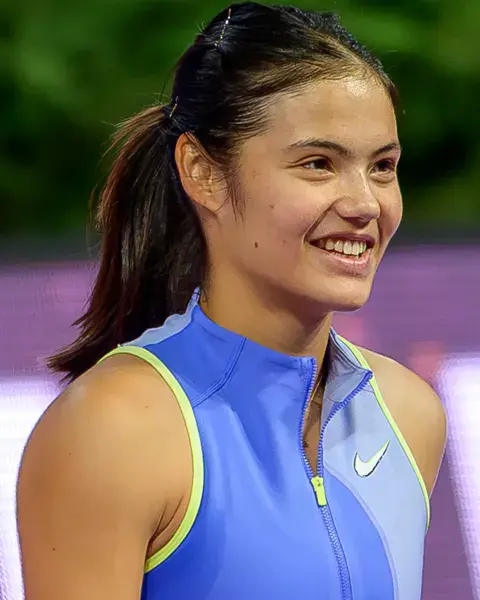
Raducanu, Agassi and the problem with using your best week as your identity
Emma Raducanu found parts of Andre Agassi’s autobiography relatable. His public advice in September 2026 concerned how to judge today’s player—not a promise to repeat yesterday’s breakthrough.
8 min readNadal–Djokovic 2013 or Alcaraz–Sinner 2025: what makes a Roland-Garros match greater?
Two clay-court classics invite a fierce comparison. Their verified turning points reveal why duration, suspense, sustained quality and personal memory need different scorecards.
8 min read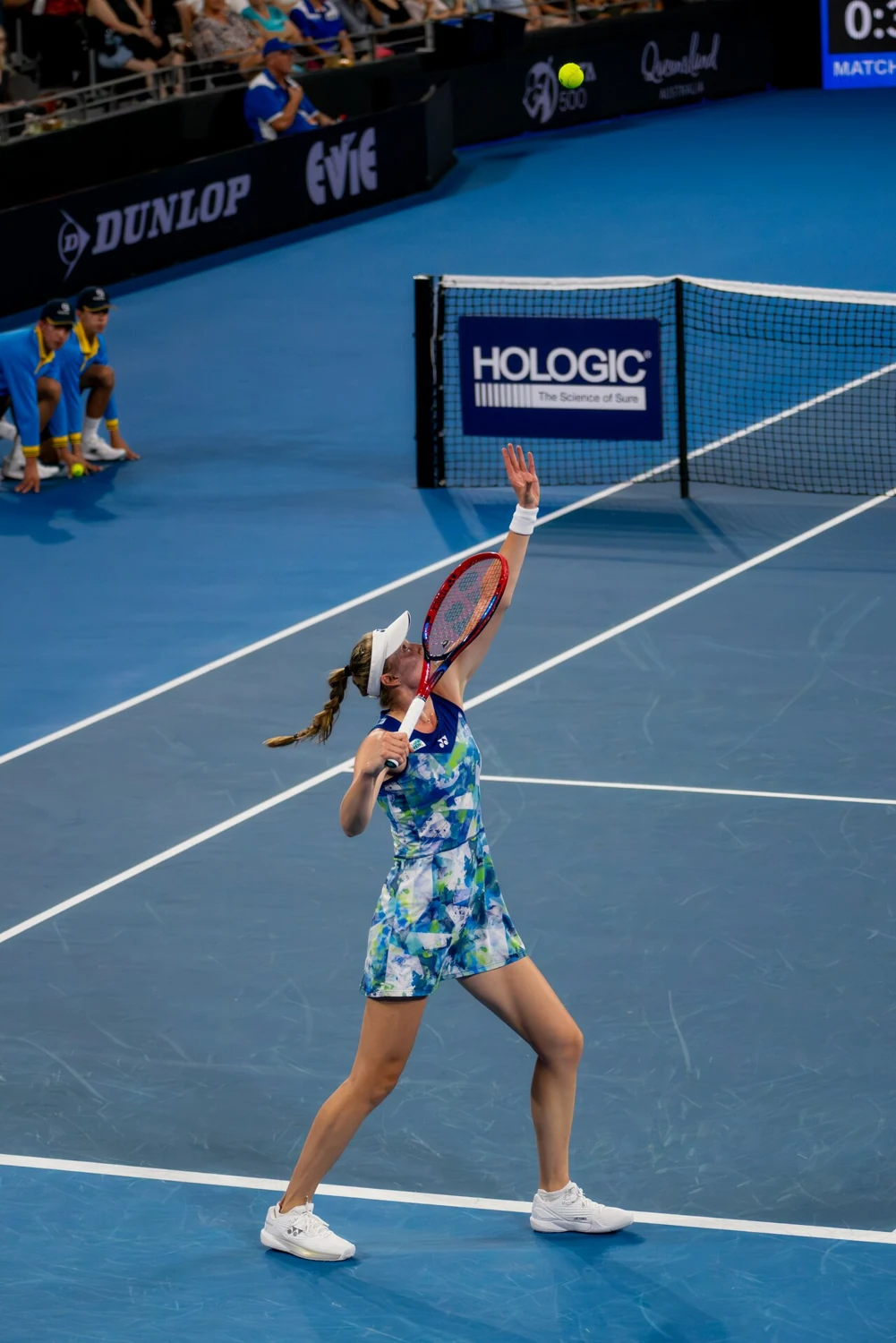
27% first serves, no break points: the Rybakina set a single number cannot explain
Rybakina won 22 of 30 service points in the opening set of the 2026 US Open final despite landing only 27% of first serves. The missing piece in a quick judgment is how points become a game.
8 min read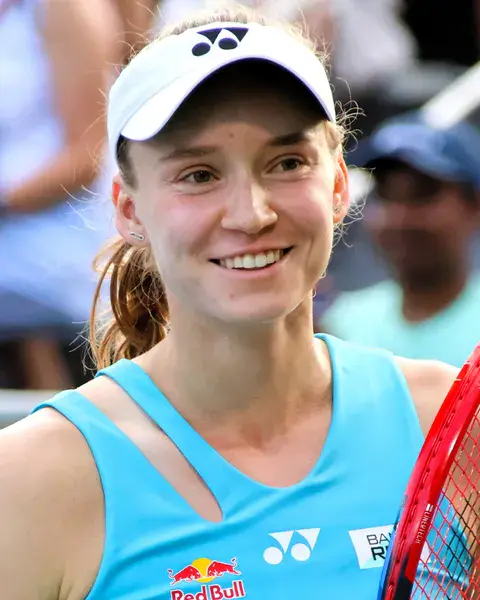
Rybakina and Sabalenka won 92 points each. The useful serving clue is hidden inside that tie
Rybakina aimed 63% of her first serves at Sabalenka’s backhand corner in the 2026 Australian Open final. Why that figure needs the miss rate, the second serve and the whole point beside it.
8 min readRybakina lost her first match as No. 1. Charaeva did more than wait for it to happen
Alina Charaeva beat new world No. 1 Elena Rybakina in Beijing on 3 October 2026. Repeated breaks back, a decisive hold and the limits of the ranking tell the fuller story.
8 min read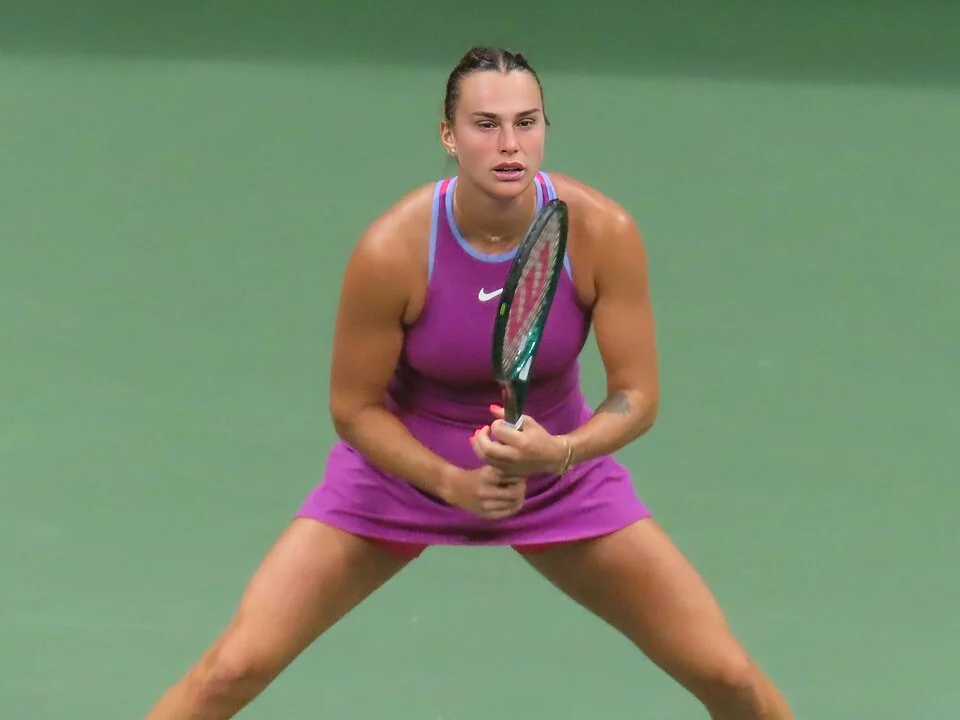
Sabalenka won 6–1, 6–3. The more revealing contest was with her own expectations
After her Beijing opener, Aryna Sabalenka described the cost of demanding more from herself. What experienced players can learn about keeping a high standard without carrying every mistake into the next point.
8 min read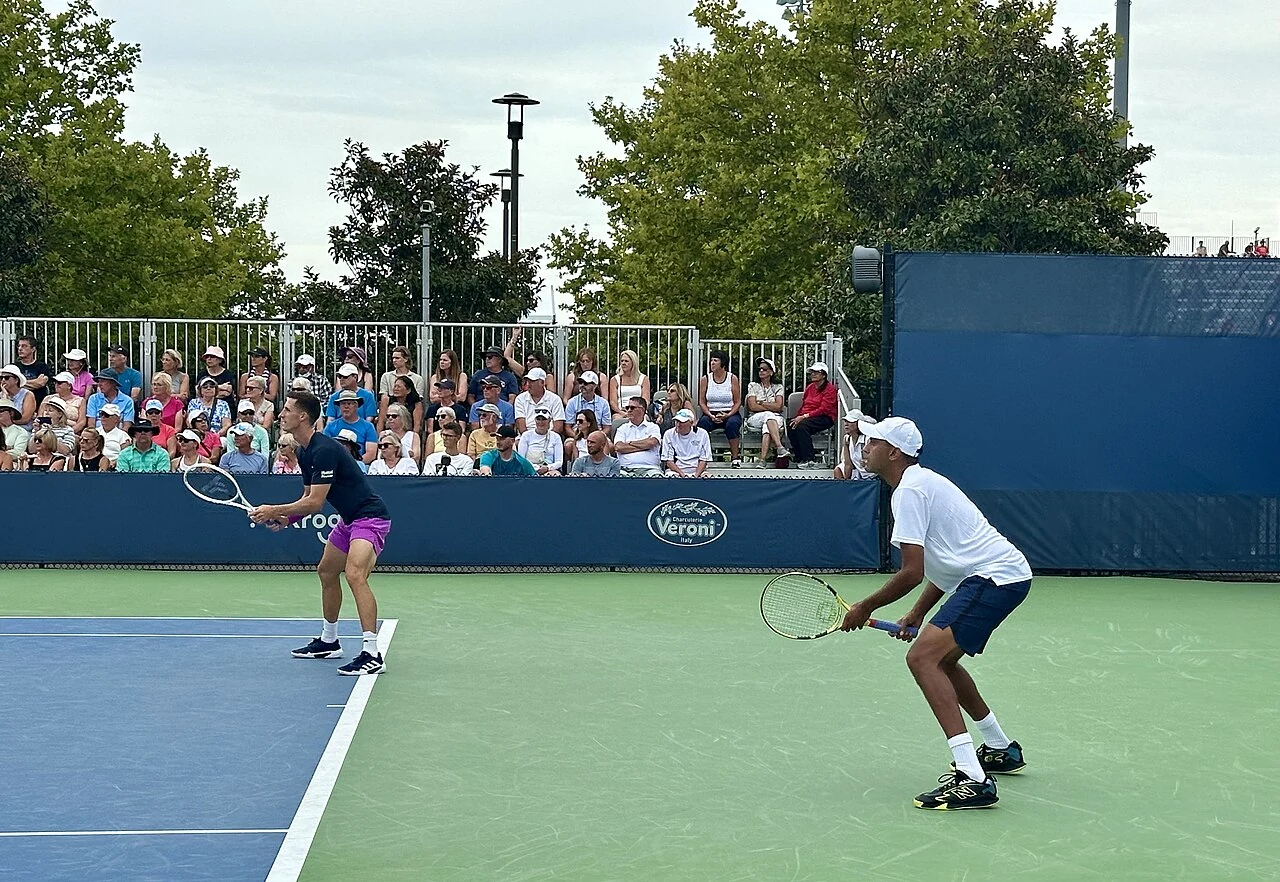
A US Open semi-final, then retirement: why Joe Salisbury chose to stop
Joe Salisbury retired at 34 after a final US Open semi-final with Rajeev Ram. His account separates the ability to compete from wanting another season of tour life.
8 min read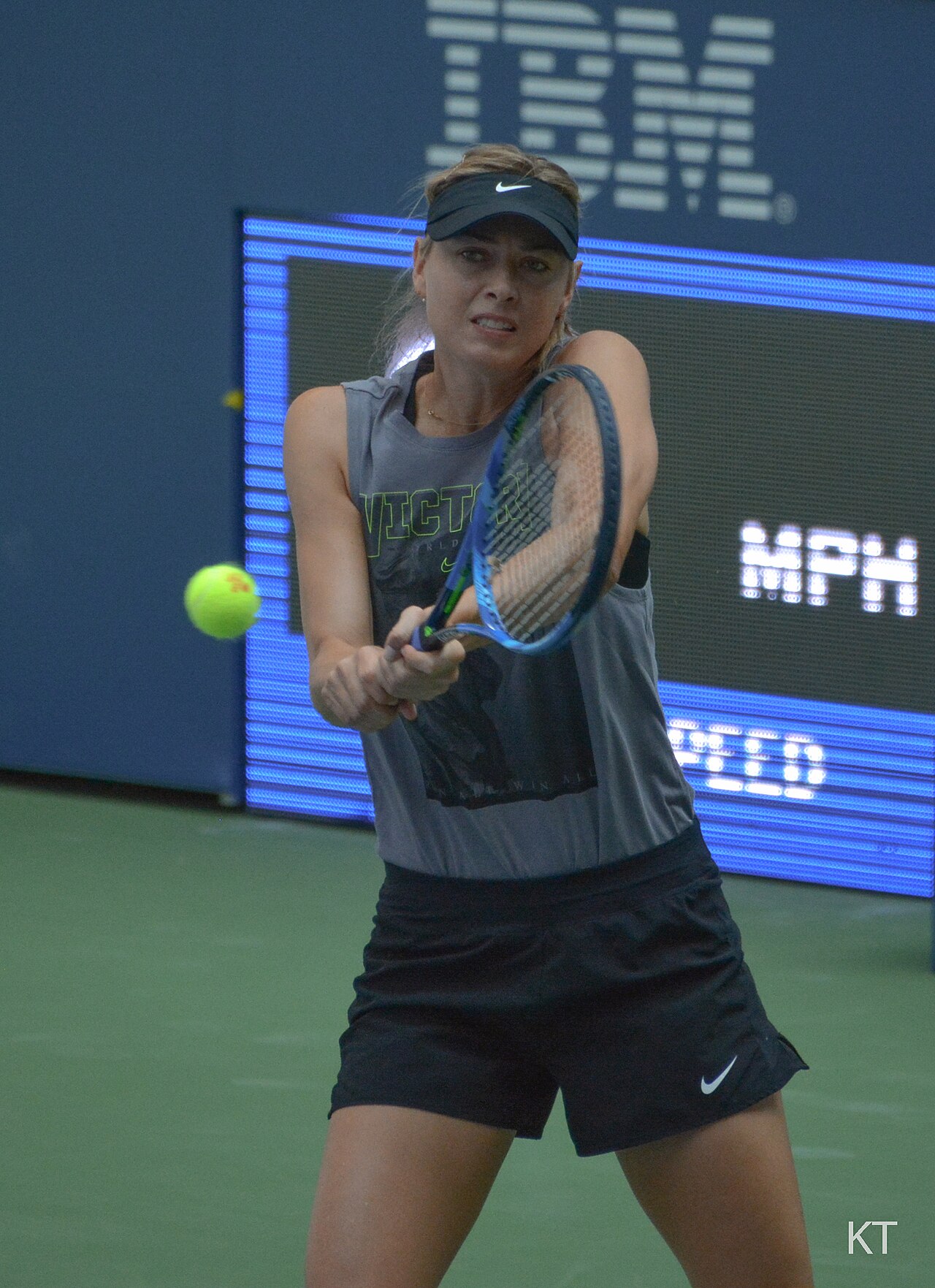
Why Sharapova’s early court mattered more than her alarm clock
Thomas Hogstedt’s account of early practice reveals a practical advantage: control of a scarce court. What experienced players can take from the Sharapova story without copying a champion’s daily timetable.
8 min read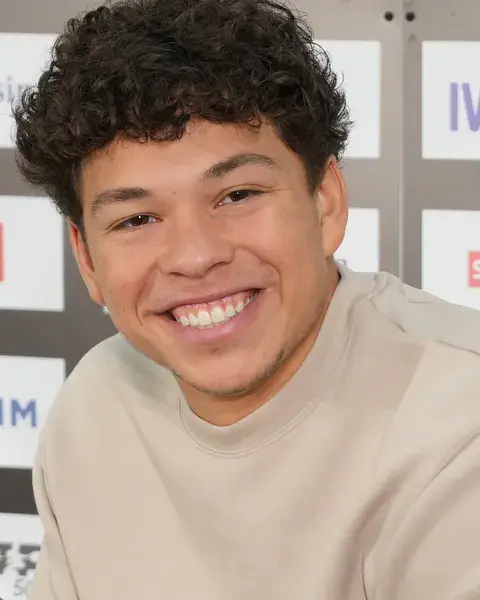
Shelton improved his backhand. Why could Zverev still target it?
Ben Shelton’s backhand helped him progress in the summer of 2026, yet Alexander Zverev found it a useful target in the US Open final. Improvement and vulnerability can coexist.
8 min read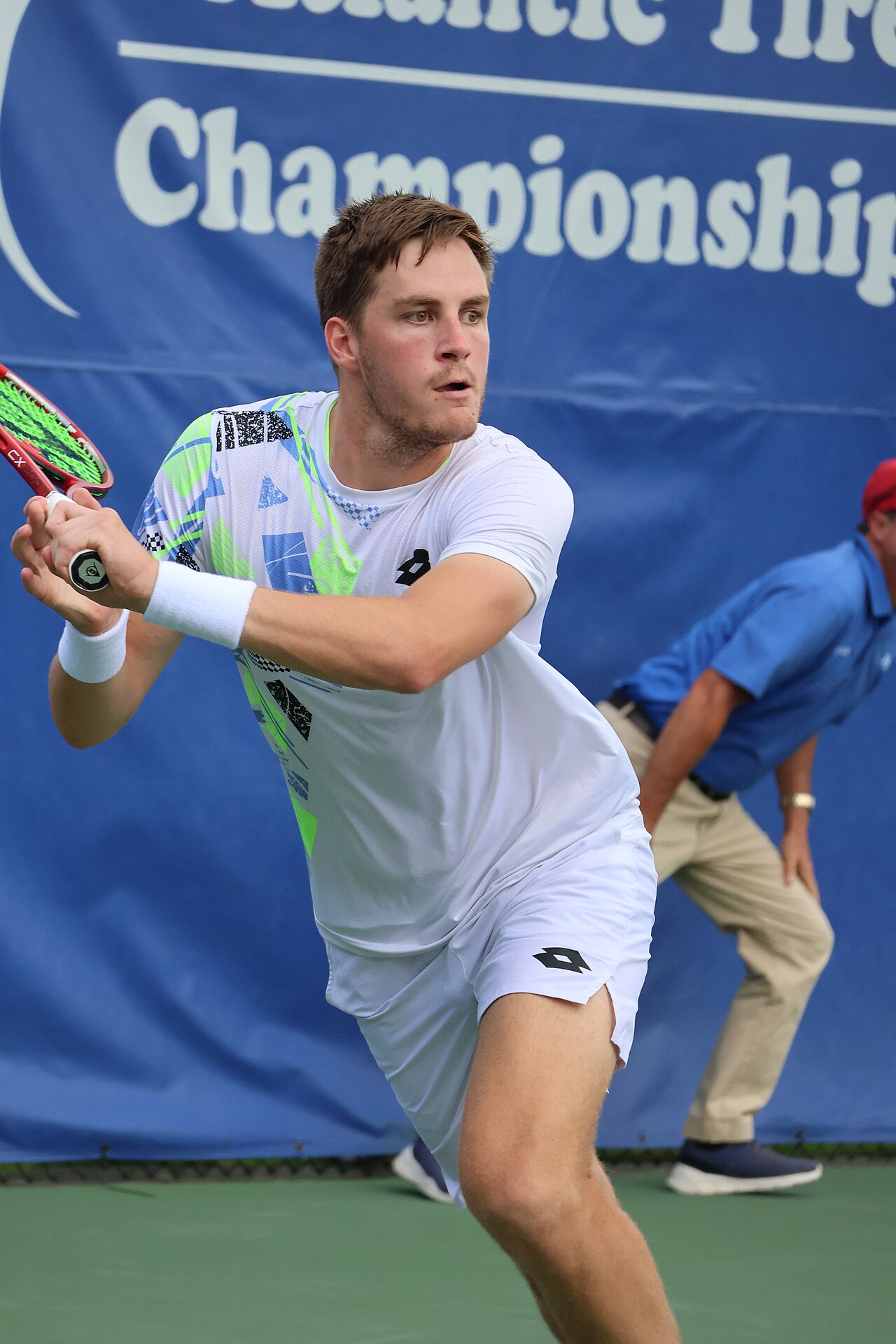
Siniakova and Patten beat Sabalenka and Djokovic. The next match complicates the story.
A 10–2 finish beat the US Open’s top mixed doubles seeds. A later 8–10 defeat explains why Siniakova and Patten’s day was more interesting than specialists versus singles stars.
8 min read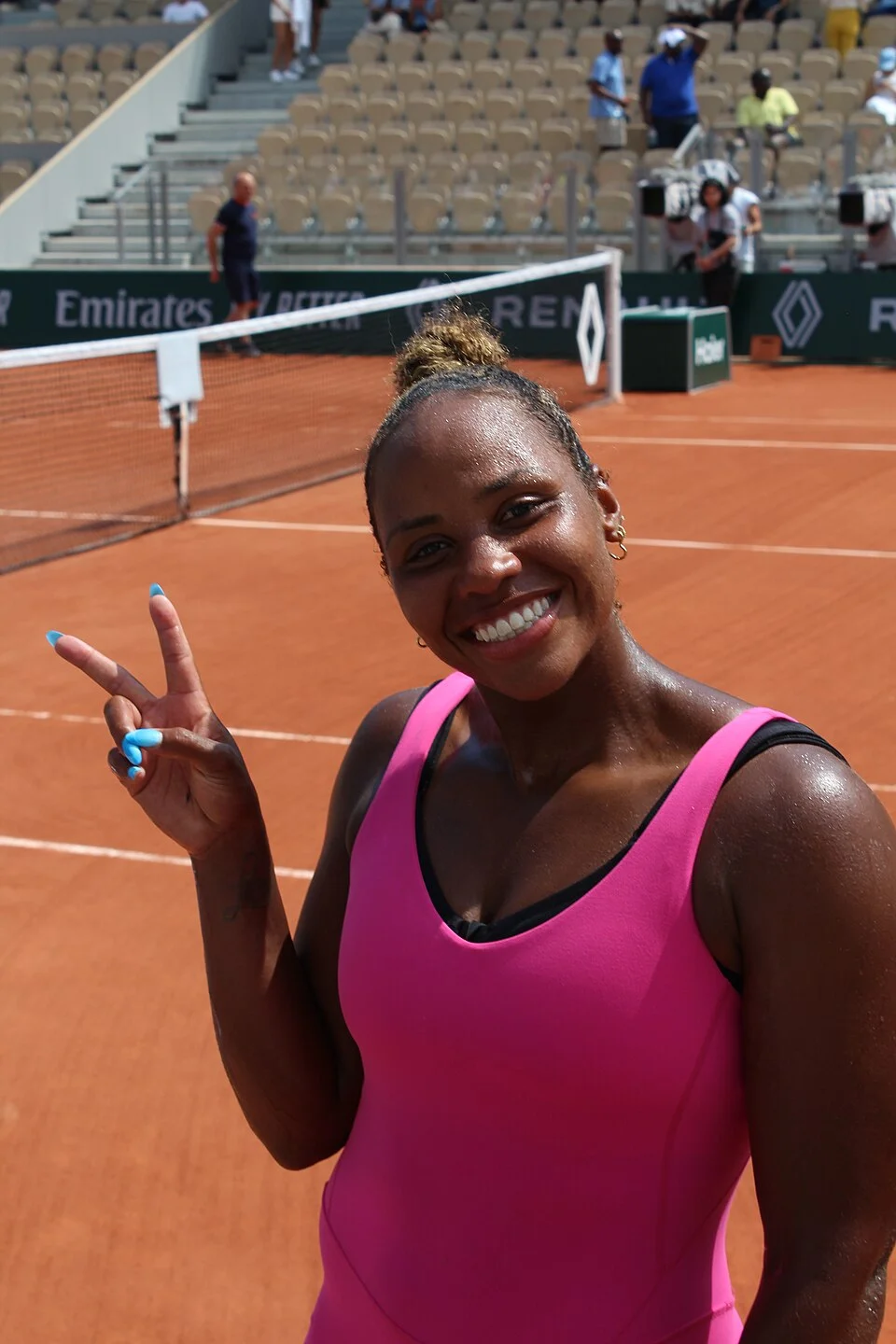
Siniaková and Townsend: does your doubles partner need to play like you?
After their 2026 Roland-Garros title, Kateřina Siniaková praised how different her game was from Taylor Townsend’s. The useful lesson is about shared options, not simply pairing opposites.
7 min readWhere did Sinner vs Alcaraz go? The tour cannot wait for its biggest rivalry
Sinner and Alcaraz had met only once in 2026 by 24 September. Their interrupted seasons reveal why a rivalry needs availability, a draw and victories before it needs a final.
8 min read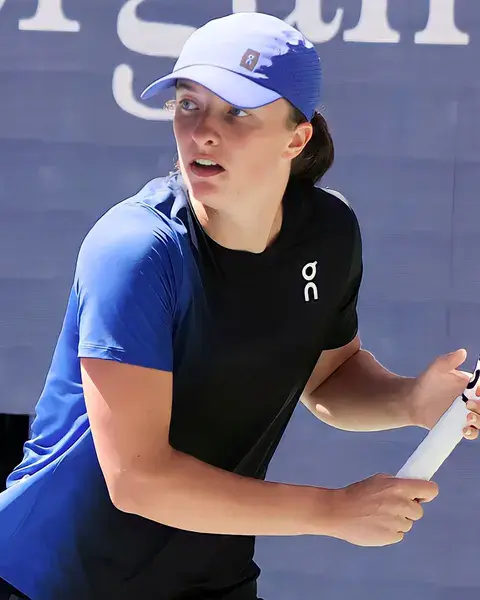
Świątek’s 26–5 record in finals is extraordinary. It is not an 84% promise
After Iga Świątek won Toronto in August 2026, her WTA finals record stood at 26–5. The number says plenty about finishing tournaments, but leaves out the work of reaching the final.
8 min read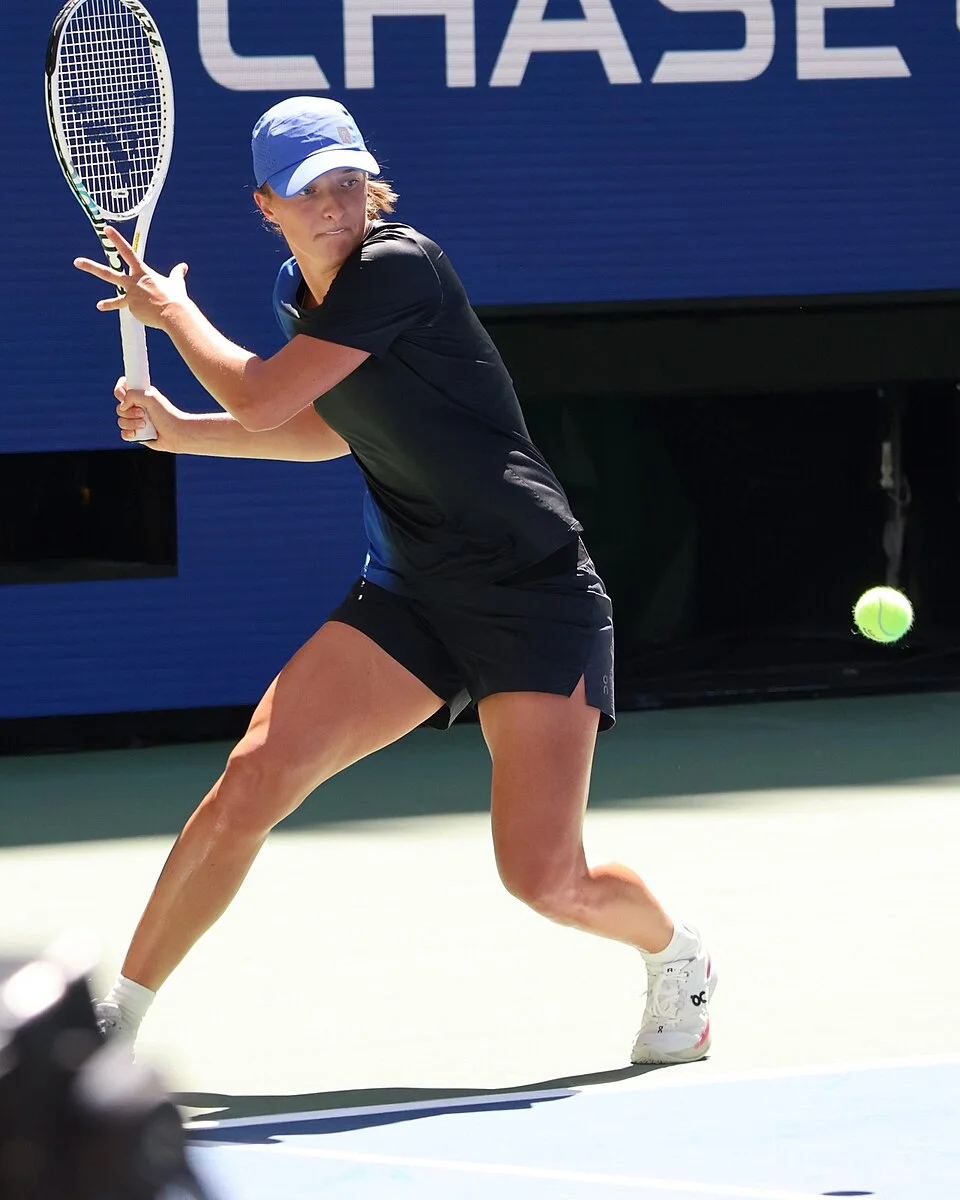
Why Iga Świątek welcomed the long rallies in Beijing
Świątek said the extended rallies in her Beijing opener helped her feel the court and ball. What experienced players can learn before blaming unfamiliar conditions on their strings.
7 min read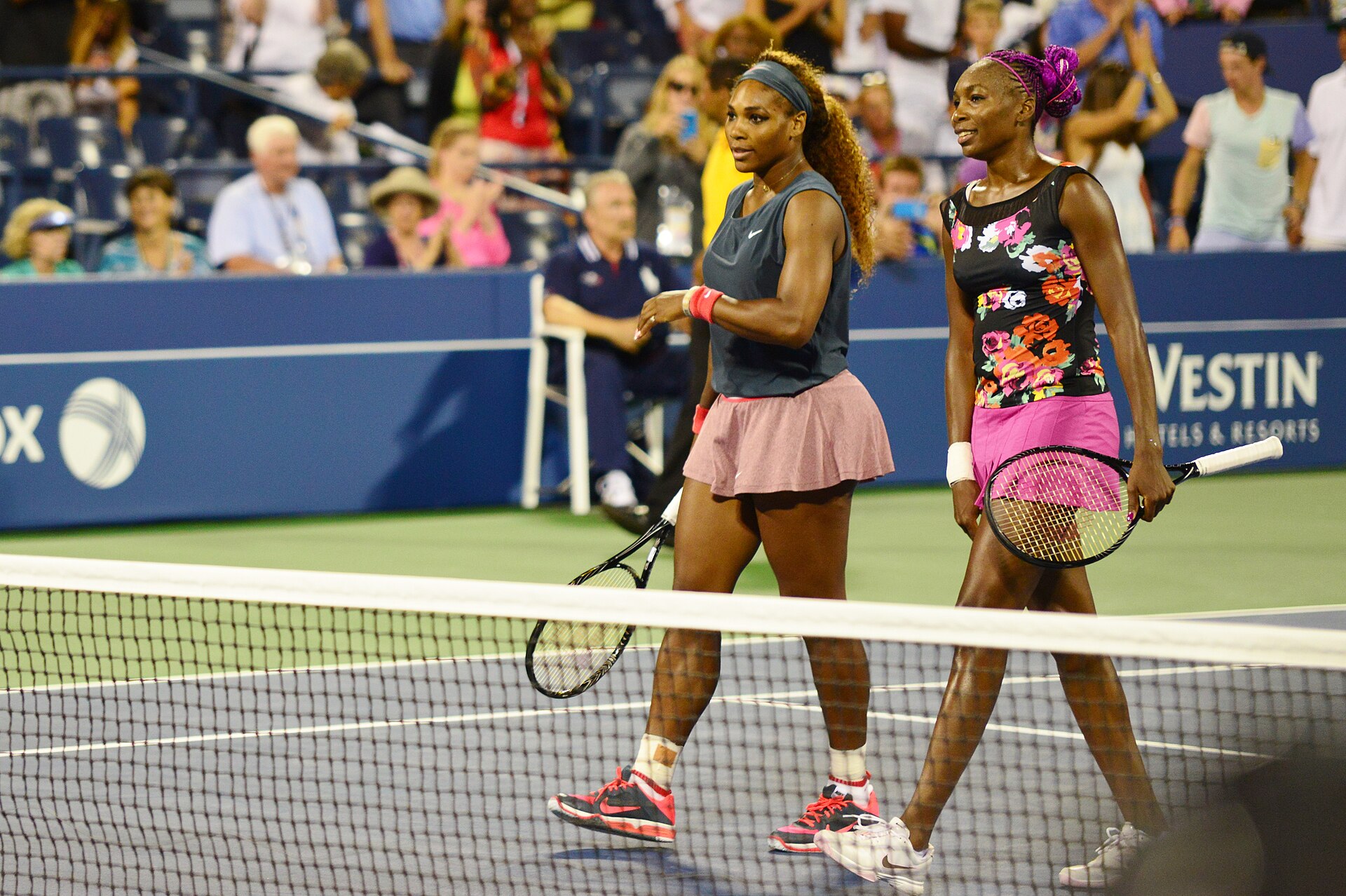
5–0 was not the finish: the Williams sisters and the lead a tiebreak can take away
Serena and Venus Williams led the deciding US Open tiebreak 5–0 before losing 10–7. Their 2026 doubles return shows why a big lead still leaves two teams with work to do.
8 min read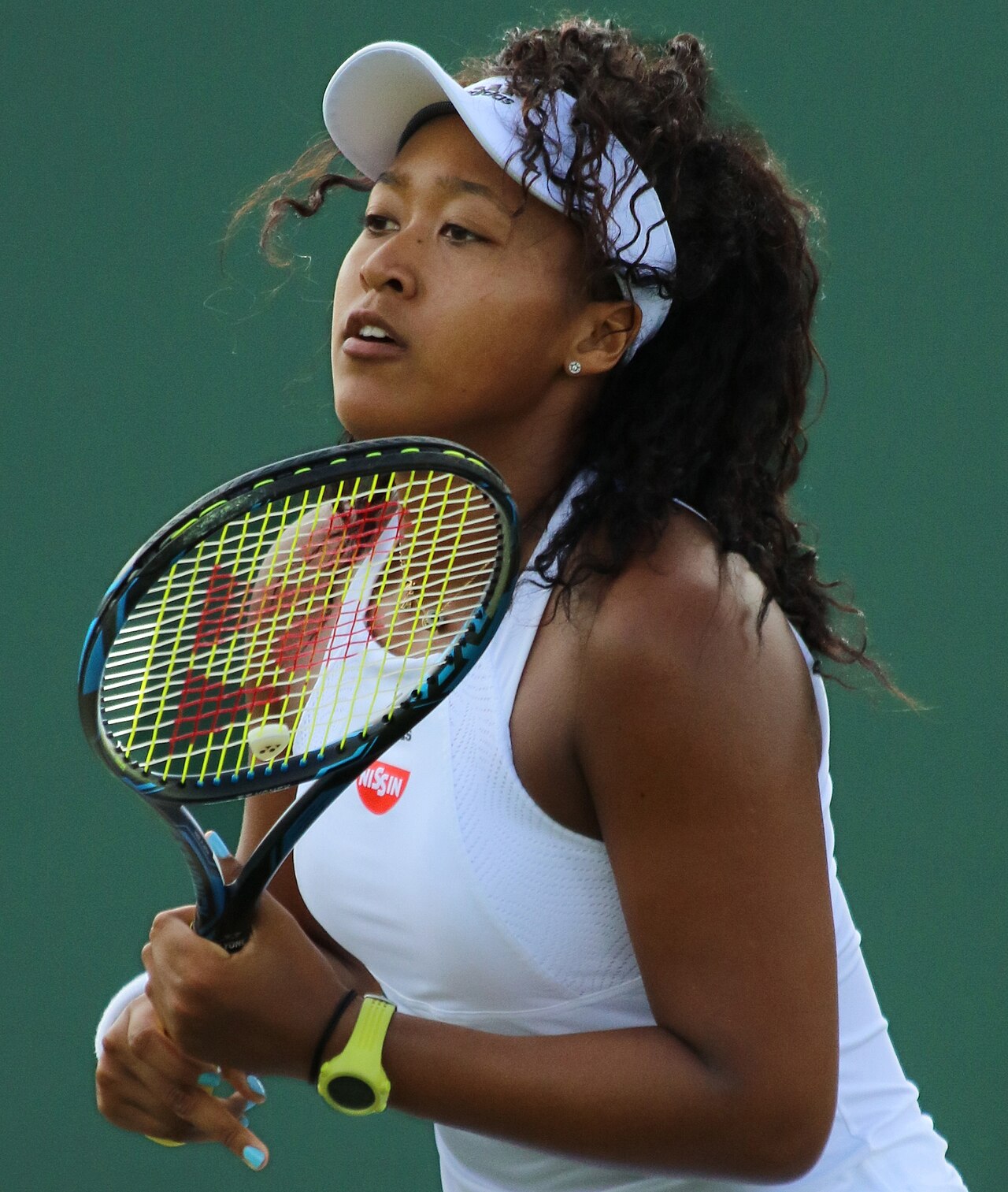
Osaka, Gauff and Wimbledon’s lifetime invitation: what the Last 8 Club actually offers
Wimbledon’s Last 8 Club has different qualifying rounds for singles and doubles. Why Osaka and Gauff enter from 2027, and what the lifetime invitation includes.
8 min read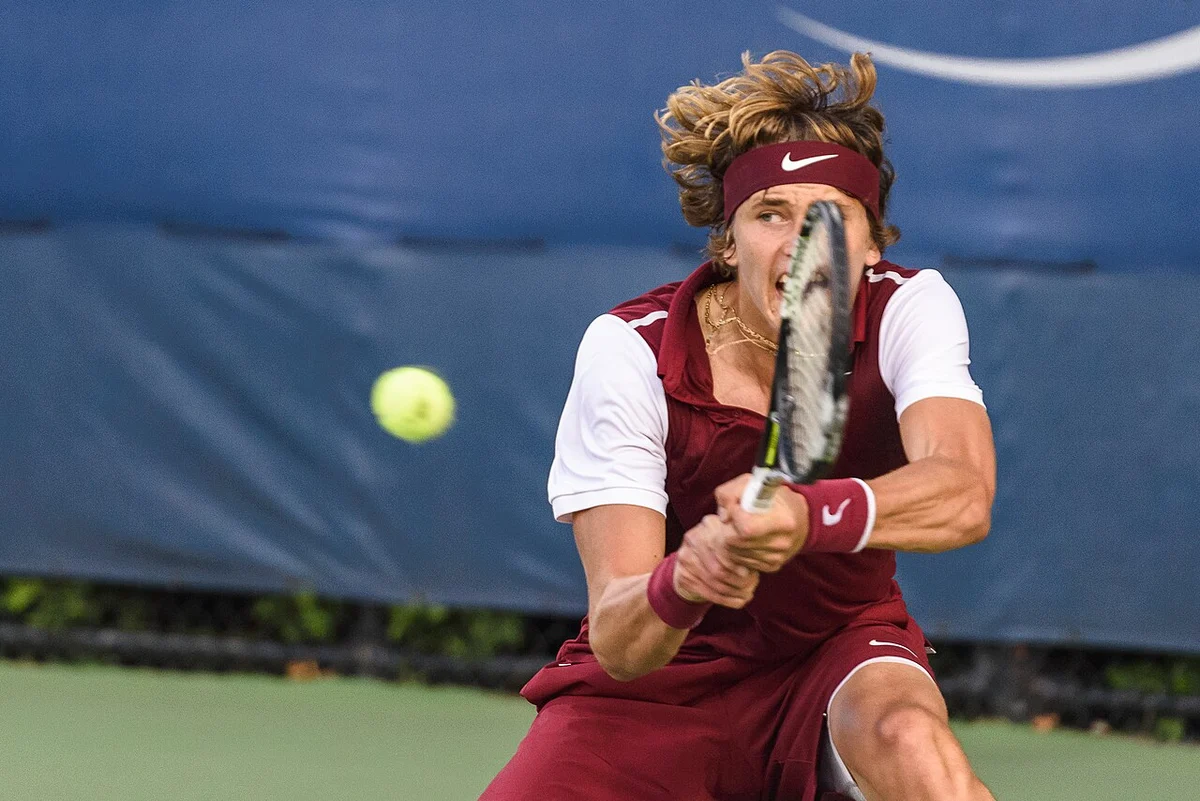
Zverev won 39 of 42 first-serve points. That is not an ace statistic
Alexander Zverev’s early service dominance against Ben Shelton in the 2026 US Open final shows why first-serve percentage, aces and points won tell different stories.
8 min readThe competitive game
5You changed “out” to “in.” Is the point replayed—or already lost?
A corrected out call has different consequences when made by a player or an official. USTA’s Code explains why the opponent gets the point, doubles disagreement and the specific net-serve exception.
8 min read
You shouted “get back” to your doubles partner. Why can that cost you the point?
USTA’s short-lob example explains when doubles communication becomes deliberate hindrance, why a late claim fails, and why grunts and involuntary cries need different treatment.
8 min read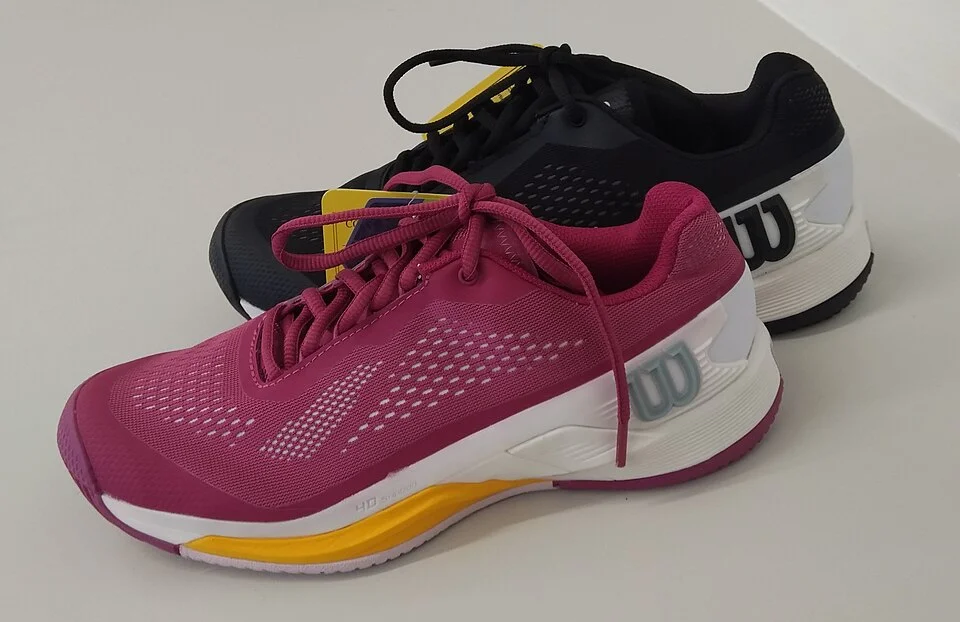
The tennis shoe with the most grip is not automatically your best shoe
A tennis traction experiment separates available grip from the grip a player uses. Why surface, loading and turning matter more than treating one friction number as a buying score.
7 min read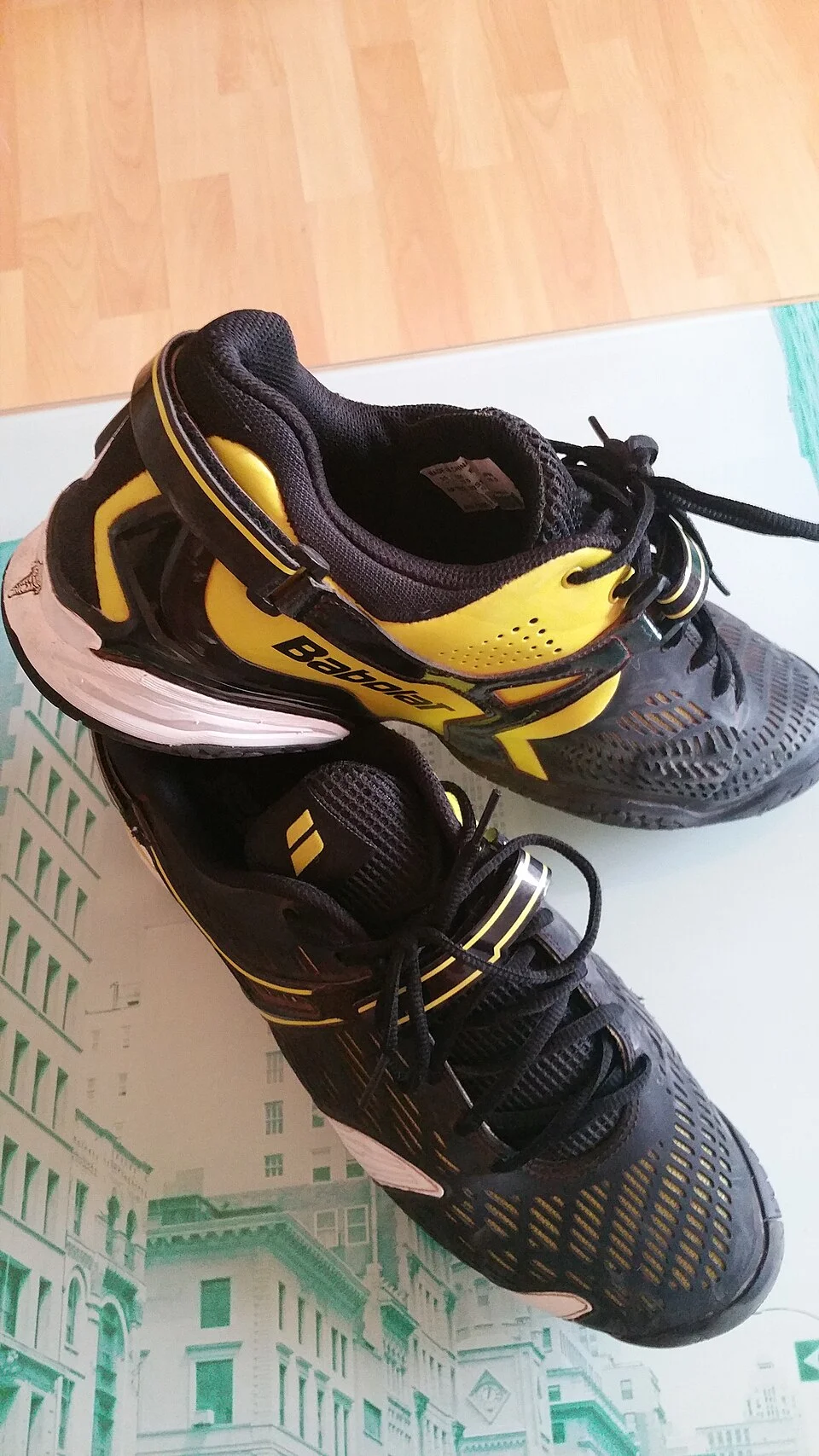
Your tennis shoes feel plush. What happens when you brake?
A soft heel can win the shop-floor audition while telling you little about a wide forehand. What a 16-shoe laboratory study reveals about cushioning, forefoot loading and stability.
8 min readAre the tennis balls in your bag really the ones you see on tour?
The retail-versus-tour ball debate mixes real complaints with unverified claims. A classic ball study explains what matters before you blame your strings or buy a different can.
7 min read