Siniaková and Townsend: does your doubles partner need to play like you?
Two players can like the same shots and still leave the same gaps. A partnership becomes interesting when one player’s choice makes the other’s next job clearer.
You have found a partner who likes everything you like: taking the return early, changing direction, moving towards the net. In the warm-up, the pairing looks obvious. Then a low ball splits the middle, both players hesitate, and neither can explain whose shot it was. Similar taste in tennis has not produced a shared plan for the point.
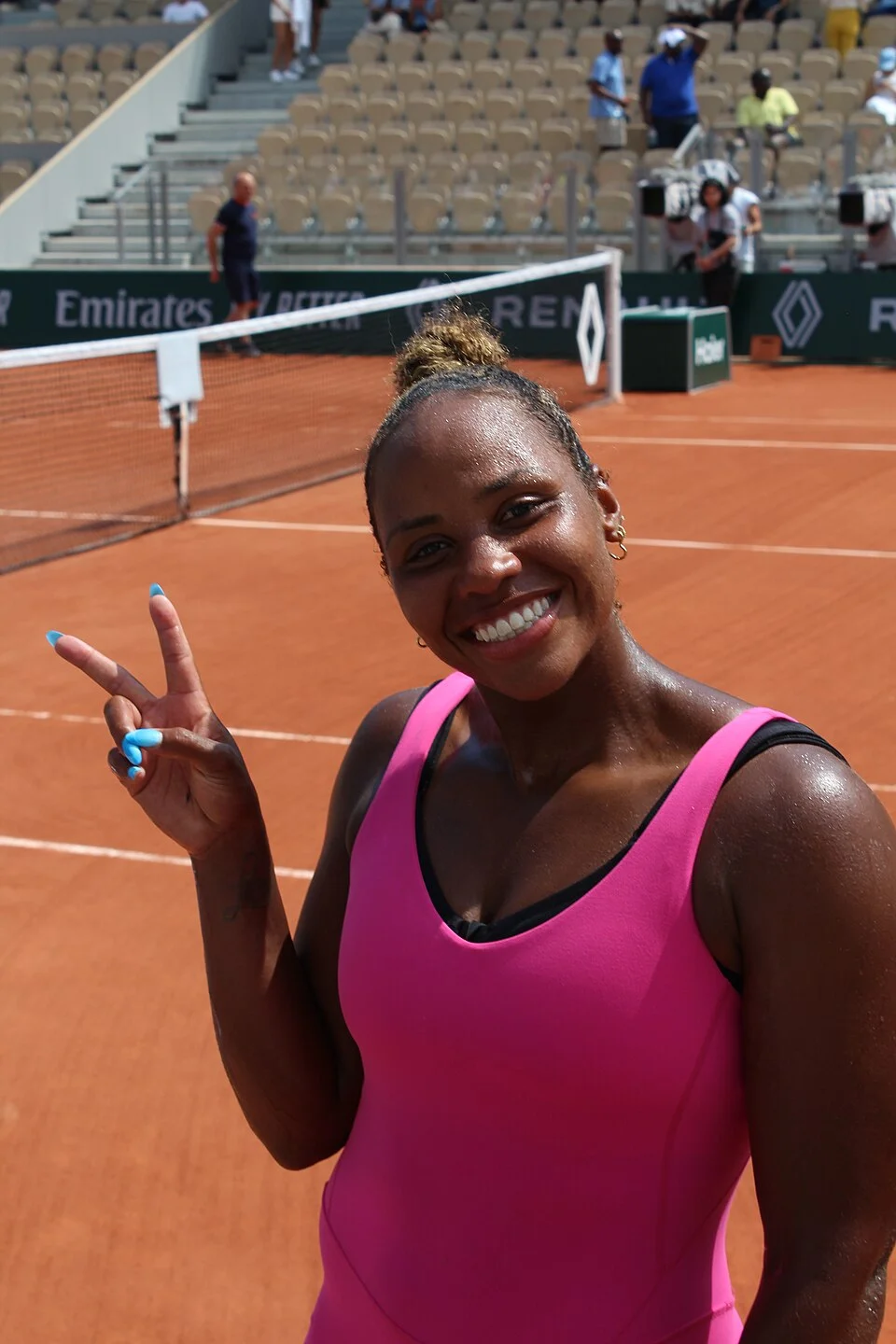
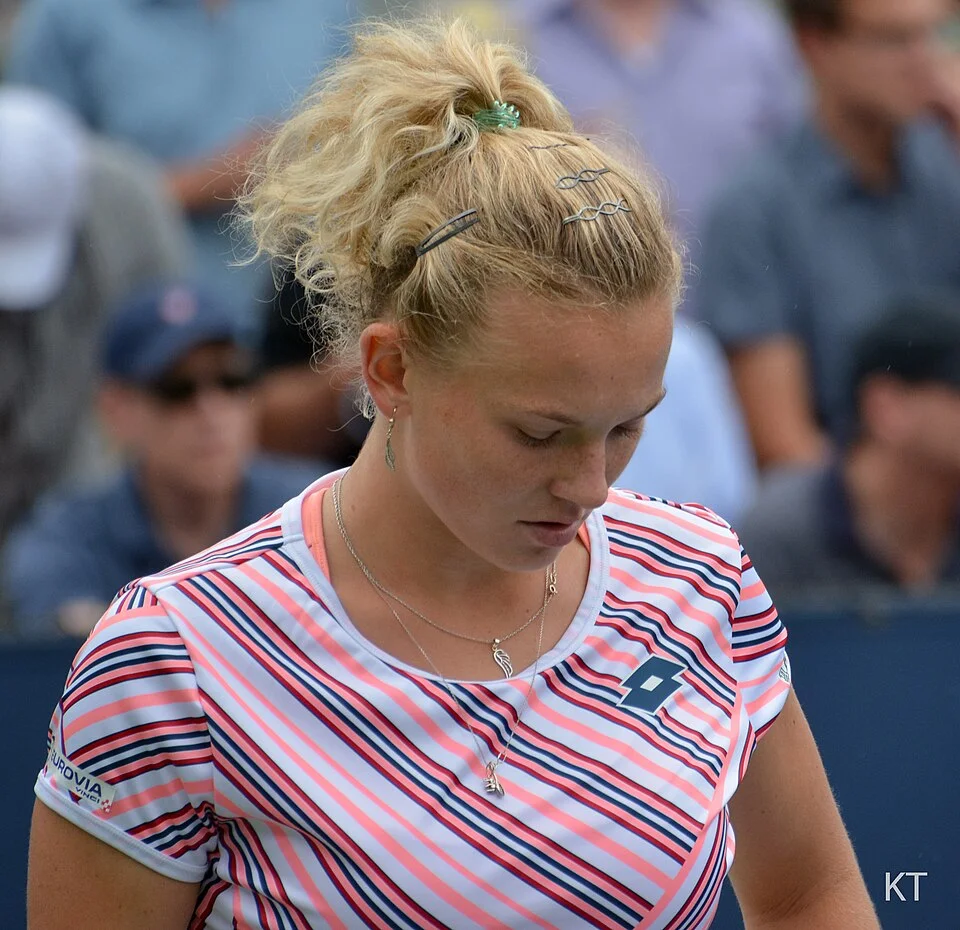
Kateřina Siniaková offered a more interesting way to describe a partnership after she and Taylor Townsend won Roland-Garros on 7 June 2026. In the TENNIS.com report, she emphasised how different their games were and how that allowed them to change patterns during a match. She also stressed the work they did across different parts of the game. Difference was valuable because they could use it together.
The top seeds had beaten Anna Danilina and Aleksandra Krunić 6–2, 7–5, recovering from 1–4 in the second set. It was their third different major title together, after Wimbledon in 2024 and the Australian Open in 2025. The June article discussed a prospective team career Grand Slam. That was the opportunity as it stood then, not a statement here about a later result in New York.
Their win does not establish that opposite styles always make the best team. Nor does the report identify a particular formation change that caused the second-set comeback. What the players’ account does offer is a useful distinction for experienced doubles players: having more shots between you is only valuable if both players understand the consequences of choosing them.
A partner’s strength should create a job you can do
Consider a hypothetical pair. One player is comfortable returning a firm crosscourt ball from close to the baseline; the other reads the opposing net player well. That can be complementary, but the sentence alone is not a tactic. If the returner drives crosscourt while the partner drifts towards the alley without checking the ball, the middle may still be exposed. The quality of the return cannot compensate for every possible starting position.
The productive conversation is about what happens next. Which return is intended? Where should the partner begin? If the return is stretched and floats short, what changes? If it lands deep, which opponent now has time or space to move? These questions turn a flattering description of two skill sets into a plan for the next contact. They also reveal whether a supposed strength is easy for the partner to support.
Now imagine two players who both enjoy intercepting. That shared appetite can create pressure, but somebody must know what happens behind the move. A planned crossing movement and an improvised reach are not the same event. If one player expects a full switch and the other expects a return to the original side, both can execute their individual shot well and still leave the next ball unanswered.
This is why “you attack, I defend” is often too crude an agreement. A serving player who must handle a difficult first volley is defending one contact, even if the team intends to attack. A partner at the baseline may get the short ball that makes them the attacking player. Roles have to survive those exchanges. Assigning one person a permanent personality is less useful than agreeing who owns the immediate task.
The middle is not settled by saying “forehand”
A familiar club rule gives the middle ball to the forehand. It can be a convenient starting agreement, but it leaves out position, contact height and time. A player stretching backwards for a forehand may have a worse contact than a partner who can step forward to a backhand volley. The answer can change again if the ball is low, if one player has already crossed, or if the next open space is behind the person reaching.
You do not need a committee meeting during the rally. The work belongs in practice and in brief conversations between points. Pick a situation that actually causes confusion: a low return between you, a lob over the net player or the first volley after a wide serve. Agree on the intended response and a short call that both people understand. Then play the situation often enough that a call confirms an action rather than starting a negotiation.
For a middle-ball practice, a coach or a pair of opponents can feed or play into the disputed area while your team begins in its usual formation. Keep track of collisions of responsibility as well as missed shots. A clean miss after an unambiguous decision is a different problem from both players leaving a playable ball. If every failure is recorded merely as an error, you can spend weeks improving the volley without repairing the partnership decision.
That exercise is an editorial suggestion, not Siniaková and Townsend’s published training routine. Its purpose is modest: make an abstract complaint such as “we don’t move well together” specific enough to address. You might discover that one player has a technical difficulty with the ball. You might instead discover that the agreed coverage was never agreed at all.
A second pattern must still be a shared pattern
Siniaková’s observation about switching patterns is especially relevant when a team is losing. One player often proposes a change while the other quietly continues the original plan. The returner chips instead of drives, the partner moves as if a hard return is coming, and the resulting gap makes the new tactic look worse than it really was. The team has changed one shot but not the expectations around it.
A useful change names both the trigger and the consequence. For example: if our crosscourt return is repeatedly intercepted, we will try a higher return over the net player on a ball we can control, and both players will recover with that intention in mind. Whether it works depends on execution and the opponents’ response. It is an option to examine, not a guarantee that lobbing solves pressure. Crucially, the partner knows the point is about to have a different shape.
The alternative should also be affordable for the player asked to execute it. A team cannot summon a reliable lob, a sharp angle or a difficult volley by naming it during a changeover. Practising a second pattern gives you something real to choose. Calling for a shot that one partner does not own can turn tactical flexibility into a demand to become a different player in the next thirty seconds.
When choosing a partner, a trial set can therefore tell you more than a pleasant hitting session. Pay attention to what happens after a confused point. Can you describe the same event without blaming each other? Can one person suggest a small adjustment the other can actually perform? Are you willing to support a good decision even when the shot misses? These are practical observations, not a personality test or a prediction of future titles.
The attraction of Siniaková and Townsend’s explanation is that it gives both individuality and coordination a place. You do not have to erase a partner’s habits until they resemble your own, and difference alone is not enough. The worthwhile pairing is one in which your partner’s options become usable options for the team. The next time a ball enters the middle, that should mean fewer questions—not twice as many.
Sources and further reading
TENNIS TENSION LAB
Check your racquet’s tension today.
Get a high-precision tension reading in under 10 seconds. Tension Lab tracks changes from your first reading and helps you see when to restring.
- High-precision tension measurement. Ready in under 10 seconds.
- Track every change in feel. See the full story over time.
- Time to restring? Never leave it to guesswork.