Same 50 lb, different racquet: the trap when you change stringing machines
Adding a fixed percentage looks precise. It can hide the very differences you need to understand when moving between a shop and a home machine.
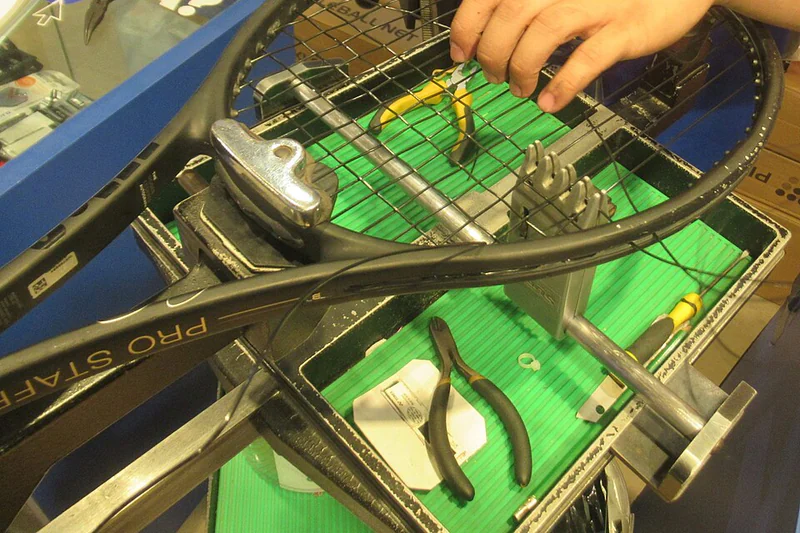
A player changes from a shop’s constant-pull machine to a home crank machine, increases the reference tension and finds a familiar response. The obvious next step seems to be writing down the percentage and applying it to every future string. That is where a useful personal adjustment can become a misleading rule. The new number belongs to a specific material, racquet and working method. It is not an exchange rate between all stringing machines.
A Talk Tennis discussion illustrates the confusion unusually well. Its author reported finding a satisfactory polyester setup after moving between machines, then encountering a very different reading with a multifilament. The thread displayed 35 replies and 942 cumulative views on October 4, 2026. A separate dropweight-to-crank discussion showed 23 replies and 643 views. These are reports and questions from users, not verified measurements by this publication. Their value is the practical problem they reveal.
The machine setting describes a pull
A lockout tensioner stops advancing when its release mechanism reaches the set force. The stretched string can then relax before it is clamped. A constant-pull system continues applying or restoring its target load as the string elongates, within the design and operation of that machine. The amount of time before clamping therefore matters. It is one reason the same displayed reference can produce different completed stringbeds.
Do not confuse operating principle with a price ranking. Dropweight machines can provide constant pull when correctly used within their working geometry; an electronic label alone is not a complete account of a tensioner’s behaviour. Read the model’s manual. GAMMA’s Momentum guide distinguishes gravity-based machines from its spring-tensioner model, while its maintenance guidance stresses checking calibration and following model-specific instructions. The badge on the housing does not replace a repeatable procedure.
The completed racquet is a different measurement target
The RacquetTune developer’s explanation of machine tension versus racquet tension identifies several other contributors: stress relaxation, clamp movement, frame deformation, friction while pulling crosses, and the geometry created as the crosses weave through the mains. Some effects lower local tension; others can increase it. The finished bed is the result of that sequence, not simply the last value displayed on the tensioner multiplied by a universal factor.
An acoustic estimate, a deflection-based stiffness reading and a calibration scale also observe different things. A scale used according to the machine manual checks the tensioning system under that procedure. A phone-based reading characterises the completed racquet through a model and its inputs. Neither should be casually relabelled as the other. If the numbers disagree, first ask what was measured and when, rather than immediately deciding that the stringer or the application must be wrong.
Why a polyester adjustment may not transfer to a multifilament
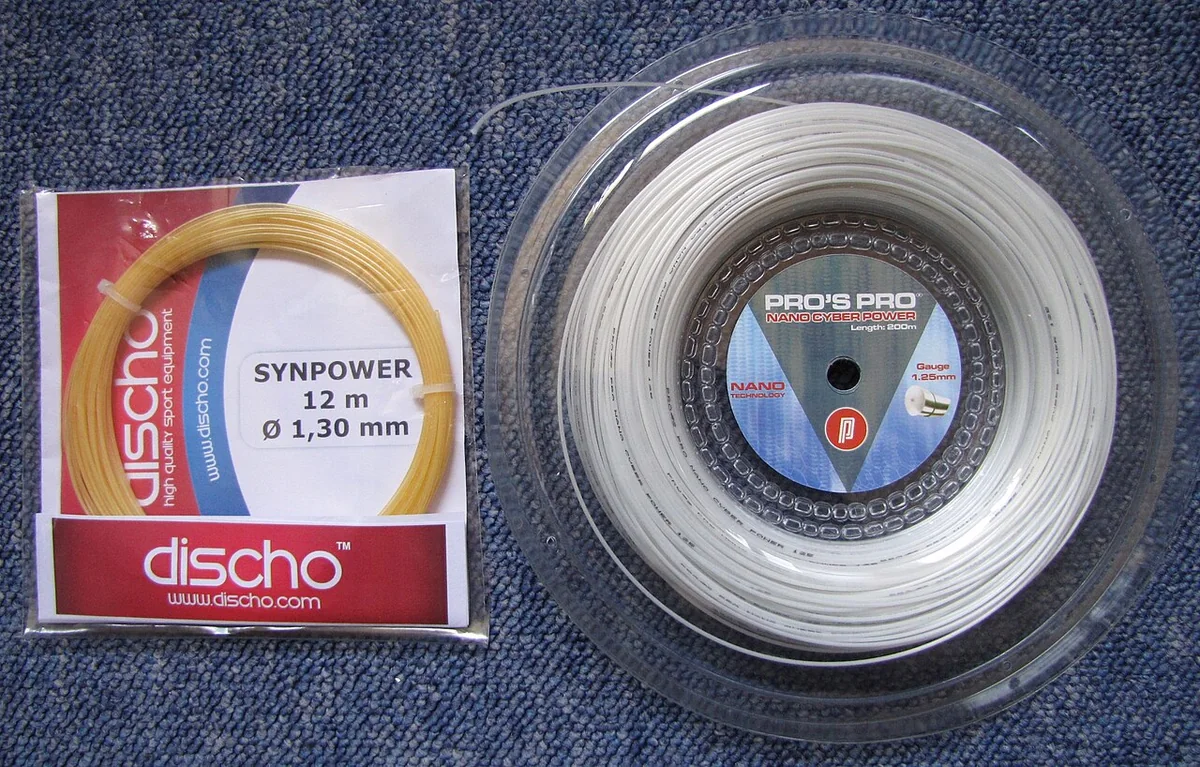
Materials and constructions do not elongate and relax in exactly the same way. Gauge matters too, as do pulling speed, any prestretch function and the interval before clamping. If a percentage helped reproduce one polyester job, changing the material at the same time changes part of the process that produced that result. A matching percentage is an assumption until you have evidence for that particular new combination.
Timing can make the apparent disagreement larger. A racquet measured immediately at home and a racquet collected from a shop many hours after completion have already followed different histories. Add a first hitting session to one of them and the comparison changes again. Preserve the completion time, the reading time and the playing exposure. More decimal places on the screen cannot reconstruct an unknown starting point or make those histories equivalent.
Check the machine before chasing the number
When the result changes unexpectedly, inspect the ordinary causes first. Are strings slipping in the clamps? Is a clamp base moving? Was the unit calibrated using the manufacturer’s sequence? GAMMA’s maintenance guidance directs users to a calibration scale and the manual for their model, and identifies residue on gripping surfaces as a source of slipping. Follow those instructions instead of compensating for a mechanical problem by continually increasing the requested tension.
Avoid improvised abrasive treatment, extra lubricant or excessive clamp pressure based on a forum reply. A clamp that holds only by crushing the string needs proper attention, not a new conversion formula. Contact the manufacturer or a competent service technician if maintenance does not restore normal operation. Likewise, never exceed the racquet or stringing-machine limits in pursuit of an acoustic value copied from someone else’s setup.
Reproduce a process, then fine-tune the result
Start by telling the new stringer what you actually liked: the racquet model, string and gauge, previous reference setting, and whether the favourite response was fresh or after several sessions. If available, bring a dated measurement history. State whether you want to compare equal reference settings or reproduce a playing response. Those are different objectives, and an experienced stringer can discuss a sensible starting point without pretending there is one mandatory percentage.
Keep the next job conservative and clearly documented. Record machine model and mode where known, mains and crosses settings, prestretch if used, and any deliberate change to the procedure. Take a completed-racquet reading at a repeatable stage with the same measuring method and correct inputs. On court, use familiar rallies, compact returns and serves. Note the response rather than trying to make the display equal the number printed on the work order.
If the setup needs adjustment, change one practical variable on the next job and preserve the record. A small, purposeful reference change is easier to interpret than simultaneously changing gauge, material and pulling routine. There is no universally correct increment for every player or racquet; agree the adjustment with the stringer and stay within the relevant limits. Your useful result is a setting this person can reliably reproduce on this equipment.
A well-maintained lockout machine can produce repeatable work. A constant-pull machine can also produce inconsistent work if the procedure is inconsistent. The distinction matters, but it does not excuse ignoring clamps, timing and material. Once you have a reproducible setup, its reference number becomes a useful label in your own history. Carry that history to the next machine, rather than expecting a universal plus-eight or plus-ten-percent rule to carry it for you.
Sources and further reading
- Talk Tennis community — Lock out tension vs constant pull with different strings
- Talk Tennis community — Help moving from dropweight to crank
- Appmaker / RacquetTune developer — String Machine vs Racquet Tension
- GAMMA Sports — Common Stringing Machine Maintenance and Servicing Questions
- GAMMA Sports — The Complete Guide to GAMMA Momentum Tennis Stringing Machines
TENNIS TENSION LAB
Check your racquet’s tension today.
Get a high-precision tension reading in under 10 seconds. Tension Lab tracks changes from your first reading and helps you see when to restring.
- High-precision tension measurement. Ready in under 10 seconds.
- Track every change in feel. See the full story over time.
- Time to restring? Never leave it to guesswork.
Keep reading
The first tension drop can mislead your next restring
A fair tension history separates the stringing-machine setting, the fresh stringbed reading and the first-session baseline. Here is how to compare strings without moving the starting line.
7 min read1.20 or 1.25 mm? What those 0.05 millimetres cannot promise.
Thinner tennis strings are not automatically softer or better for spin. Understand nominal diameter, impact stiffness and useful playing life before choosing a gauge or buying a reel.
8 min read