Diane Parry’s one-handed backhand is only part of the attraction
An unusual stroke invites a verdict. A useful coach asks what it can do with the ball that arrives—and what happens next.
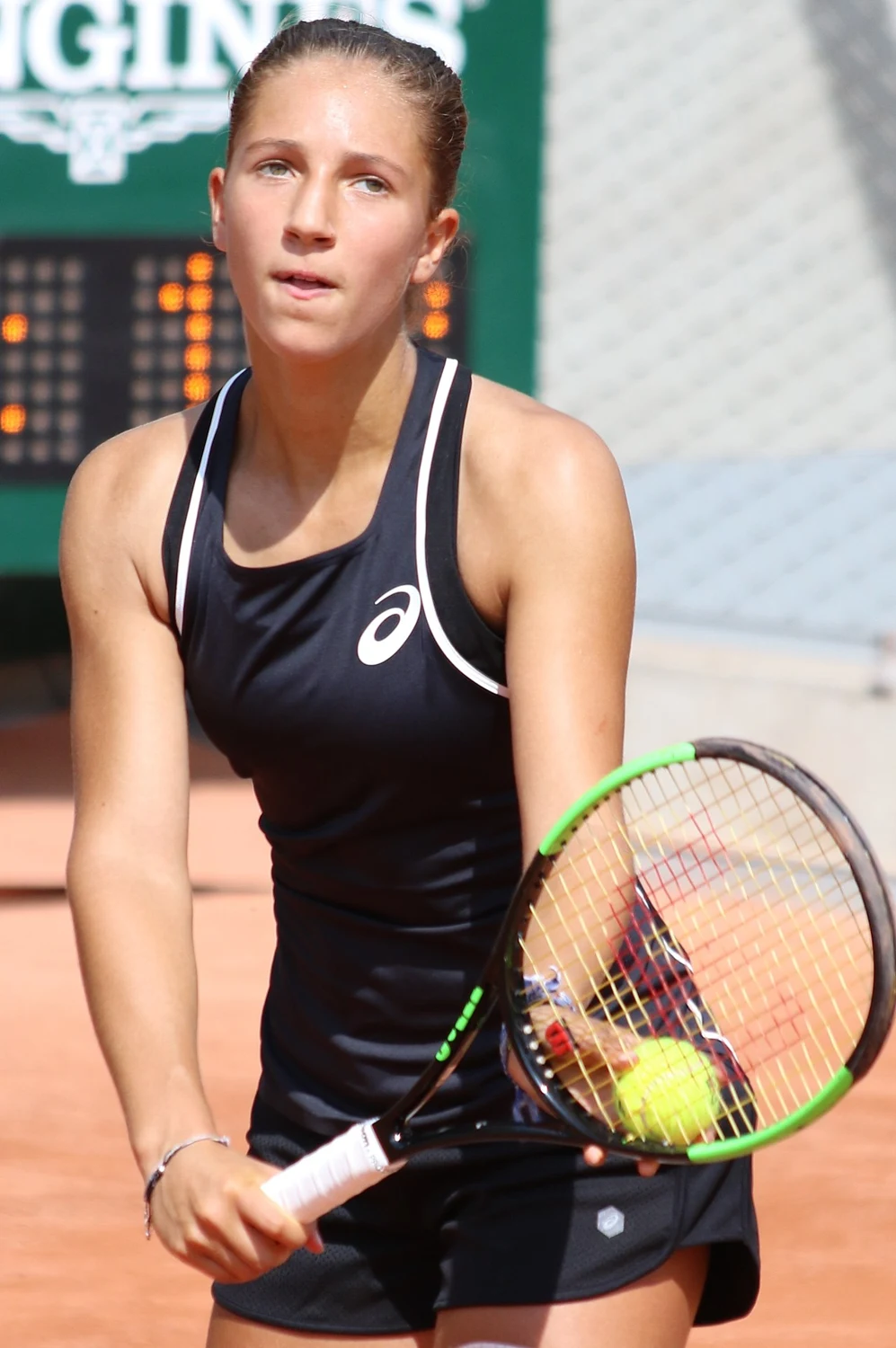
Watch a one-handed backhand and the argument often starts before the next ball lands. Is that stroke a weapon, a liability, an elegant survivor from another era? The label is easy to apply. It is less useful when the player has already changed the height of the rally, drawn an opponent forward or prepared a different shot altogether.
Diane Parry offers a good reason to slow that argument down. In a WTA profile published on 9 July 2026, Thomas Hogstedt described renewed enthusiasm for coaching while working with her. He singled out the appeal of a “one-hander” with “enormous touch”. Those were two observations, not one. The number of hands on the racquet was visible; the range of things a player could do with the ball was the larger coaching invitation.
Hogstedt’s comment does not establish that one hand is better than two. The profile did not publish a shot-by-shot comparison of Parry’s backhand, announce a technical rebuild or attribute a particular tournament result to one change. Its value is the perspective of a coach who had worked with players including Maria Sharapova, Li Na and Caroline Wozniacki, and still found a different style interesting enough to engage with on its own terms.
Variety has to change the opponent’s problem
It is possible to own several shots and still play predictably. A topspin backhand, slice and short ball become meaningful variety only when the choice changes what the opponent must do. The difference is between displaying options and using an option for a reason. Neither a one-hander nor a two-hander earns tactical value simply by looking distinctive.
Consider a hypothetical exchange. A player sends a lower, shorter ball because the opponent has been comfortable hitting from the same deep position. If the opponent must move forward and make contact at a different height, the task has changed. Whether the choice was good then depends on the quality of the ball and what the player can cover afterward. A floating slice that gives away an easy attack does not become clever because it interrupted the rhythm.
The next shot matters just as much. If the shorter ball draws a reply you can reach but you are still recovering from the previous stroke, the opportunity may disappear. If you read the reply and arrive balanced, the same idea can lead somewhere useful. These are editorial examples, not a reconstruction of Parry’s match patterns. They illustrate why assessing touch requires following the point beyond the attractive contact.
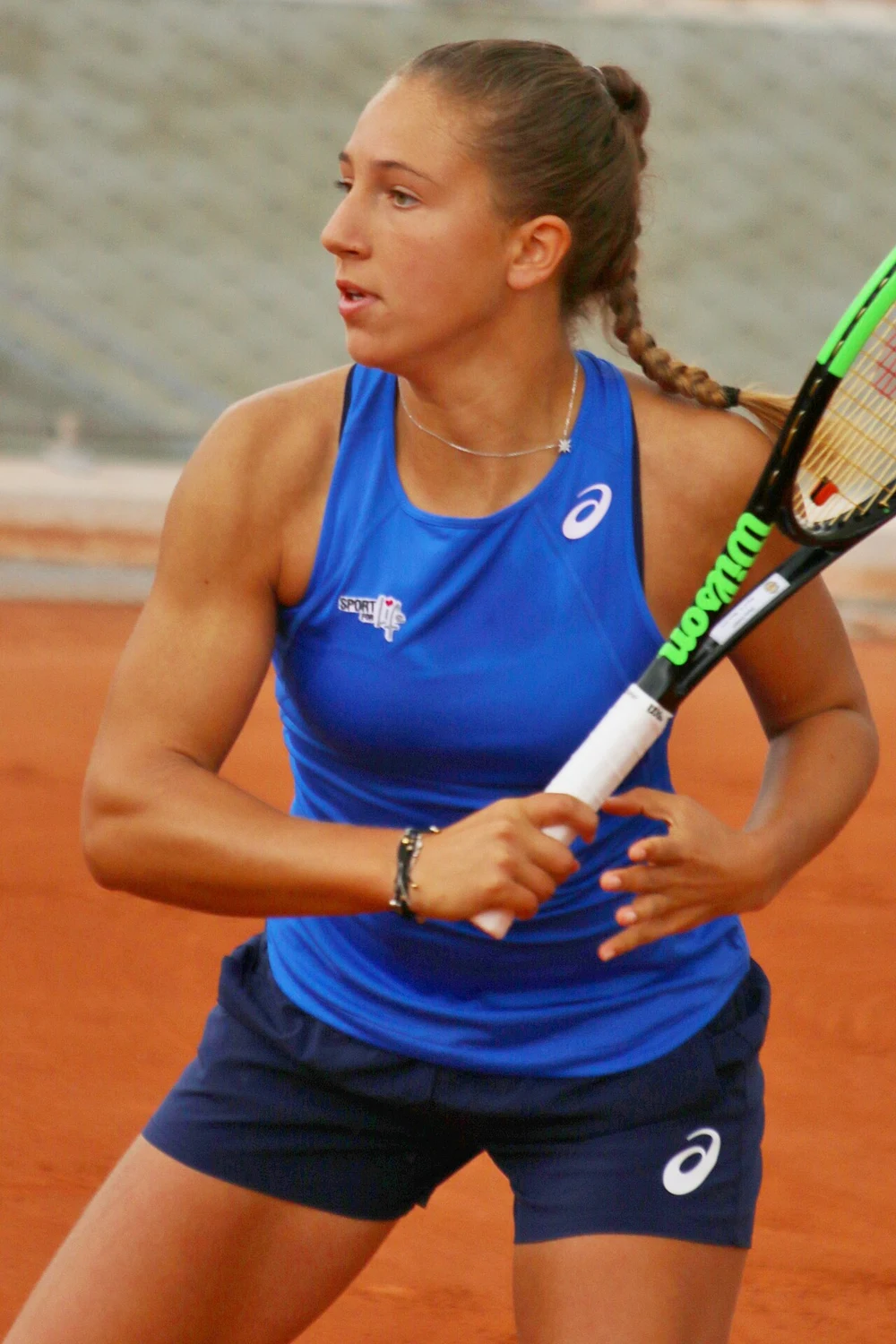
The useful unit is a situation, not a backhand
An experienced club player may say “my backhand is the weak side” while describing several different problems. A rushed return, a rally ball taken above the preferred contact height, a low approach and a neutral exchange with enough time are not the same task. Recording them all as backhand errors makes the conclusion look simpler than the work needed to improve it.
Start with the incoming ball and the position at contact. Was there time to prepare? Did the player create space, or was the ball too close to the body? Was the intended reply a neutral ball, an attack or an attempt to stay in the point? Only then does the chosen stroke become useful information. This does not remove technique from the conversation; it locates the technique inside the situation it has to solve.
For a one-handed player, that approach avoids two unhelpful extremes. One is to protect the stroke from all criticism because it looks beautiful. The other is to treat every missed ball as evidence that using one hand is the original mistake. A repeated problem still deserves work. But changing the entire stroke family is a much larger decision than adjusting the response to one type of incoming ball.
Hogstedt’s preparation starts with the next opponent
The July WTA profile described a concrete part of Hogstedt’s preparation: he sends players video of the next opponent, and practice is designed around the demands of that matchup. That is more specific than asking for vaguely better tennis. It connects what the player can do with what someone else is likely to ask of them.
The report also quoted him on finding the right balance for each player and acknowledging that not every player-coach relationship fits. That matters when discussing a distinctive style. A coach’s previous success does not make one technical or tactical template suitable for everyone. The task is to develop a player’s useful options while addressing the situations in which those options break down.
For a club competitor, there is no need to imitate a professional video department. If you have legitimate footage of a regular opponent, look for one repeatable pattern relevant to the next practice. Perhaps the opponent returns high through the middle, or follows a short ball toward the net. Treat a small sample as a possibility to prepare for, not a guarantee that the pattern will appear on every point.
A practice idea that keeps the choice alive
Here is an editorial exercise for a player and coach to adapt, not a drill attributed to Parry or Hogstedt. Begin with a familiar rally pattern, then have the partner vary one feature of the incoming ball—height, depth or available time. Keep the changes manageable enough that the receiver can recognise them. The receiver chooses the reply and then plays out the next part of the point.
Afterward, discuss two things separately: whether the choice suited the ball, and whether the execution delivered that choice. A sensible neutral reply can miss; a poor attacking decision can land for a winner. If every winner counts as a good decision and every miss as a bad one, the exercise teaches only hindsight. The goal is to identify an option that remains usable when the incoming ball is less cooperative.
Make the next practice task narrow. If the problem was lack of space, work on creating a usable contact position with the coach. If the first reply was adequate but recovery left the court exposed, include the following movement. If a short ball worked only because the partner stood still, repeat the situation with an active opponent. None of this requires adding a spectacular new shot before making the existing choices function.
Equipment belongs in the discussion when it helps explain a repeatable difficulty, but a visual impression is not enough to prescribe a new racquet or string tension. The WTA profile gives no Parry setup measurements for this purpose. Changing the racquet, strings and stroke at once also leaves a player with several possible explanations for any new sensation. Keep the coaching question clear before turning an unusual backhand into a shopping list.
Parry’s one-hander attracts attention because it is easy to see. Hogstedt’s mention of touch points toward something that takes longer to watch: what choices the player creates and whether they survive the next ball. For a serious recreational player, that is the more useful standard. The aim is not to win an argument about how many hands belong on a backhand. It is to make an opponent deal with a ball—and a follow-up—they would rather not have faced.
Sources and further reading
TENNIS TENSION LAB
Check your racquet’s tension today.
Get a high-precision tension reading in under 10 seconds. Tension Lab tracks changes from your first reading and helps you see when to restring.
- High-precision tension measurement. Ready in under 10 seconds.
- Track every change in feel. See the full story over time.
- Time to restring? Never leave it to guesswork.
Keep reading
Alcaraz brought back 76.5% of Djokovic’s first serves. The next number matters just as much
A closer look at Carlos Alcaraz’s first-serve return against Novak Djokovic: how getting the ball back and competing after the return combine to take away a server’s advantage.
8 min read
Medvedev hit fewer forehands. The space he did not abandon may be the interesting part
A 45% forehand share in Daniil Medvedev’s charted matches raises a useful question: how much court position are you spending to avoid your backhand?
8 min read