Where did Sinner vs Alcaraz go? The tour cannot wait for its biggest rivalry
Eight major titles shared in two years made another meeting feel inevitable. In 2026, getting both players to the same match became part of the story.
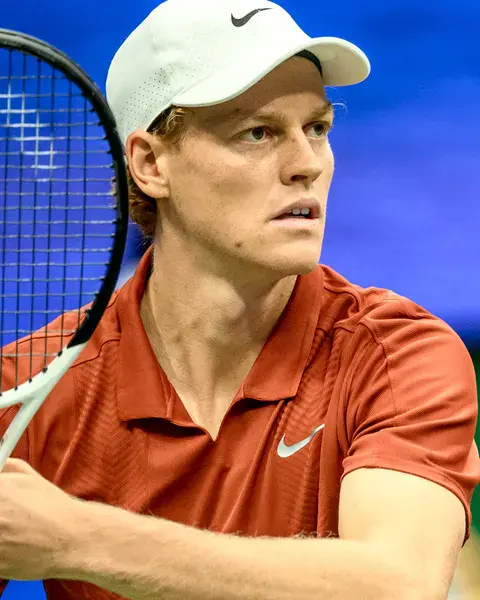
A tennis rivalry is not a fixture the tour can simply put on the calendar. That became unusually clear in 2026. By 24 September, according to BBC Sport, Carlos Alcaraz and Jannik Sinner had played each other only once that year. Sinner won that meeting in the Monte Carlo final and took the world No. 1 ranking. The scarcity was striking because the same two men had shared all eight men’s Grand Slam singles titles across 2024 and 2025.
Two seasons of that concentration can change how a draw is read. Instead of asking who will reach the final, it becomes tempting to ask which side of an expected Alcaraz–Sinner meeting will arrive in better form. The earlier rounds begin to look like preparations for the advertised attraction. Injuries exposed the weakness in that script: neither name comes with a guarantee of appearing, and an entry in the draw is still not a place in the final.
The “one meeting” figure belongs to the BBC report of 24 September. It is not a completed-season total. What followed in the available reporting did not promise an immediate reunion: Sinner withdrew from Beijing on 25 September, and the BBC reported his Shanghai withdrawal on 3 October. A story about their next match therefore starts with what was missing, not with a predicted score.
The matchup is the last link in a chain
For two rivals to meet, both need to enter the same event, remain able to compete and win the matches that lead to their intersection in the draw. The draw itself determines how far each must travel. None of those conditions is contained in a head-to-head number. A head-to-head record describes matches that happened; it cannot turn a tournament missed through injury into another tactical verdict between the players.
Alcaraz’s wrist injury kept him out of Roland Garros and Wimbledon in 2026. He returned at the US Open and reached the quarter-finals, where Ben Shelton beat him in five sets. Sinner, meanwhile, missed the US Open with a knee injury. The 25 September report said he had not competed since beating Zverev in the Wimbledon final. They were not simply taking turns to win and lose against each other. For stretches of the season, their available schedules did not line up.
Sinner’s explanation for missing Beijing was that his knee was not where he wanted it to be and he was not ready to compete. That tells us why he declined that event. It does not identify a more specific diagnosis, establish a date for a return or tell a reader how he would have moved in a hypothetical match against Alcaraz. Adding those details would make the story sound more complete while making it less reliable.
The distinction is useful for anyone who plays competitive tennis. Being better than a rival in a particular matchup, being able to complete an event and producing results across a season are connected achievements, but they are not interchangeable. A scorecard can answer who won that day. It cannot answer how an absent opponent would have played, however familiar that opponent’s reputation may be.
Coming back is an event; rebuilding evidence takes matches
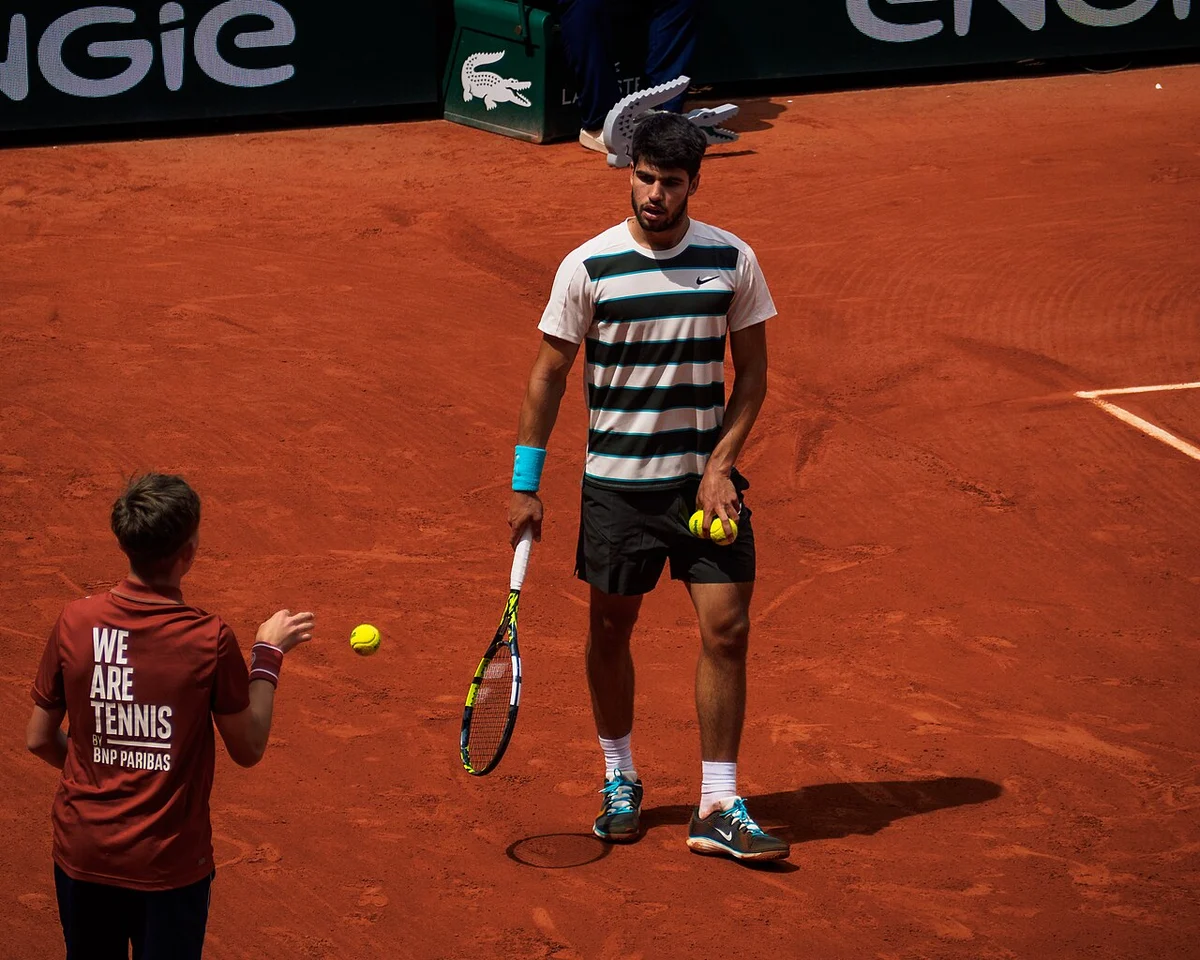
Alcaraz’s US Open quarter-final gives the story an important complication. His return did not produce the next episode of the rivalry, but it did produce a demanding match with somebody else. He lost to Shelton after four hours and 28 minutes. In the later BBC interview, he described enjoying a competitive feeling he had missed. The result and that satisfaction can coexist without one cancelling the other.
That response should not be repackaged as proof that every part of his game or physical condition was restored. Nor does losing the quarter-final make the return meaningless. It supplies a match, an opponent and a result to examine. The temptation is to skip those particulars and grade the entire comeback against a remembered peak version of Alcaraz. That is a comparison between an actual match and a selectively polished memory.
By 3 October, there was more match evidence: Alcaraz saved four set points in the opening set against Matteo Arnaldi in Tokyo and won 7–6(6), 6–1. That does not certify his health or guarantee his next result. It does replace an empty assumption with something that happened on court. For a viewer, following these encounters is more informative than treating every opponent before Sinner as a delay.
Zverev and Shelton are not placeholders
The tour kept awarding matches and titles while the reunion was unavailable. The BBC’s 3 October report described Zverev as the winner of Roland Garros and the US Open that season. He had also been Sinner’s opponent in the Wimbledon final. These facts do not establish that Zverev would beat either rival in every condition. They do establish that a season cannot be described adequately by the meetings of only two men.
There are two equally lazy ways to read such a year. One dismisses other champions because a preferred opponent was absent. The other treats any title won during that absence as proof that the established rivalry has been overtaken forever. Both replace the actual draw with an imagined one. A title requires winning the tournament that exists; a direct comparison with an absent player remains a different question.
Shelton’s win over Alcaraz makes the point at match level. Alcaraz was there, and Shelton won the quarter-final. Reducing it to the missing Sinner match removes the player who actually solved the task. For experienced players watching to learn, that habit is costly: the matchup on screen can have its own serving patterns, return problems and changes of initiative. Those need observation, not a storyline that assumes the interesting contest is always somewhere else.
The rankings added another layer on 3 October. The BBC reported that Zverev could reach No. 1 if he won both Beijing and Shanghai. That was a conditional scenario, not an achieved ranking. It illustrates how a season can continue changing while a major figure is unavailable. It does not settle a Sinner–Alcaraz comparison, and it should not be used as a substitute for a match between them.
What would make the next meeting worth analysing?
When they meet again, the useful context will be the matches immediately before it, the surface and the demands of that draw. A familiar name on the other side of the net does not freeze either player at the level of an earlier final. Watch the match that develops: where first serves force contact, which return positions hold up and who can take time away without losing control of the rally. These are questions for actual footage and score records, not claims that the available reports have already answered them.
The same discipline improves a club player’s comparisons. If you finally face a regular rival after a long gap, keep the score of this match and the conditions of this match. Do not add the weeks in which you never played each other to either person’s tally. Equally, do not dismiss everything learned against other opponents while waiting for one particular rematch. Different players expose different problems; a rivalry is one demanding test, not the whole examination.
Alcaraz told the BBC that he missed seeing and playing Sinner and that the Italian pushed him to improve. That is a more interesting description of rivalry than the expectation that they must appear together in every important final. Their value to each other is real even when the next meeting is uncertain. The tour, meanwhile, does not stop at the empty space between their names. It gives the other players a court, a draw and a chance to become the main story.
Sources and further reading
TENNIS TENSION LAB
Check your racquet’s tension today.
Get a high-precision tension reading in under 10 seconds. Tension Lab tracks changes from your first reading and helps you see when to restring.
- High-precision tension measurement. Ready in under 10 seconds.
- Track every change in feel. See the full story over time.
- Time to restring? Never leave it to guesswork.
Keep reading
Alcaraz finished at 3:34am. Who should pay for tennis running late?
After a four-hour, 28-minute US Open quarter-final against Ben Shelton, Carlos Alcaraz questioned the schedule. Wimbledon shows both the value and the cost of setting a finishing boundary.
8 min read
Zverev won 39 of 42 first-serve points. That is not an ace statistic
Alexander Zverev’s early service dominance against Ben Shelton in the 2026 US Open final shows why first-serve percentage, aces and points won tell different stories.
8 min read