Zheng, Fernandez, Svitolina, Osaka, Pegula: read Eala’s first title through the draw
One famous scalp can define a week. Eala’s Washington run asks a harder question: what does it mean to keep winning when the next opponent changes?
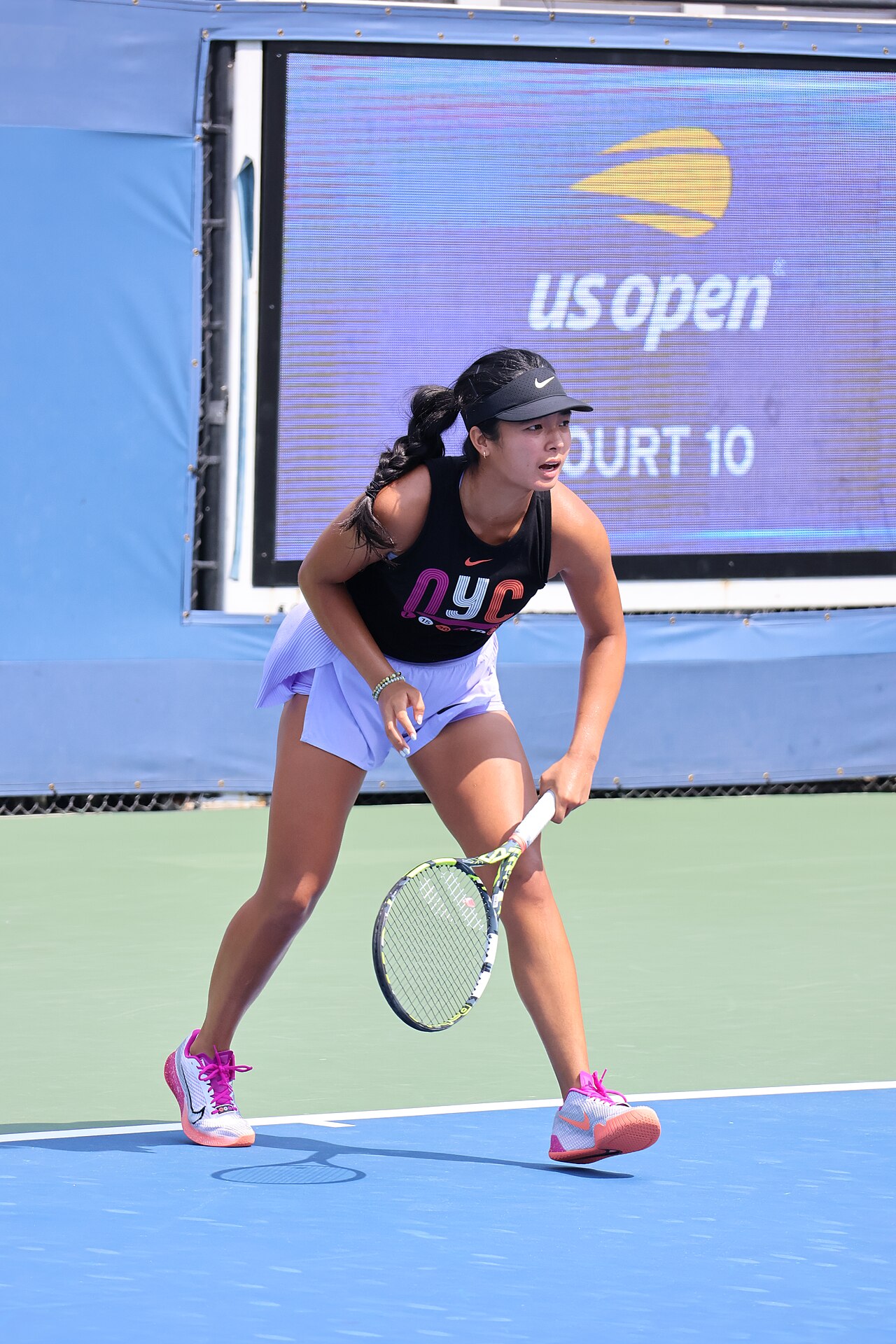
Read the names before reading the ranking jump: Zheng Qinwen, Leylah Fernandez, Elina Svitolina, Naomi Osaka, Jessica Pegula. That was the list of opponents Alexandra Eala defeated to win Washington in the WTA’s August 3, 2026 rankings report. A first title is already a career marker. A first title through that list is a more specific achievement than the bare phrase “breakthrough week” can convey.
The tournament was a WTA 500, and the report said the 21-year-old rose eight places to a career-high No. 20, becoming the first Filipina in the Top 20. The ranking was the visible reward. The draw tells us something different: her week could not be reduced to one celebrated upset followed by an empty path to the trophy. The same report described every opponent as either a former Grand Slam finalist or a current Top 10 player.
There is no need to turn that into a made-up hierarchy of the hardest title runs ever. Draw strength cannot be settled by recognising names alone, and the report does not supply a common difficulty model. The verified point is narrower and still striking. Eala defeated five established opponents, and Svitolina, Osaka and Pegula were the tournament’s top three seeds. The WTA identified Barbora Krejcikova at Dubai in 2023 as the previous player to beat the top three seeds on the way to a title.
| Opponent | Relevant detail in the report |
|---|---|
| Zheng Qinwen | One of the two Washington wins identified as adding to Eala’s season total against Top 10 players |
| Leylah Fernandez | One of the five defeated opponents in a field described as former major finalists or current Top 10 players |
| Elina Svitolina | One of the tournament’s top three seeds |
| Naomi Osaka | One of the tournament’s top three seeds |
| Jessica Pegula | One of the top three seeds; the other win identified as adding to the Top 10 total |
The next match is not a replay of the best one
The appeal of an upset is immediate: a name near the top loses to someone whose place in the hierarchy seemed lower. A tournament title asks for that hierarchy to be negotiated again and again. The opponent changes, the score starts over and the previous result cannot win the next first game for you. This is the difference the Washington list brings into view. The headline is not simply that Eala could beat an excellent player; it is that the week continued after each excellent player.
We should keep the evidence at the level it supports. The ranking report is not a full match analysis. It does not establish the serve locations she chose against Zheng, the return position she used against Osaka or the rally patterns that beat Pegula. Familiar player names make it especially easy to write a plausible-sounding tactical script from reputation. That would tell us more about the writer’s assumptions than Eala’s actual Washington tennis.
What the route does establish is the need to deal with a succession of opponents. For an experienced tournament player, that is a useful distinction from finding a plan that works once. A favourite pattern may remain productive, need a different starting ball or become the pattern the next opponent is happiest to receive. Which of those happened to Eala would require match evidence. The general demand to make a fresh assessment is part of advancing through any draw.
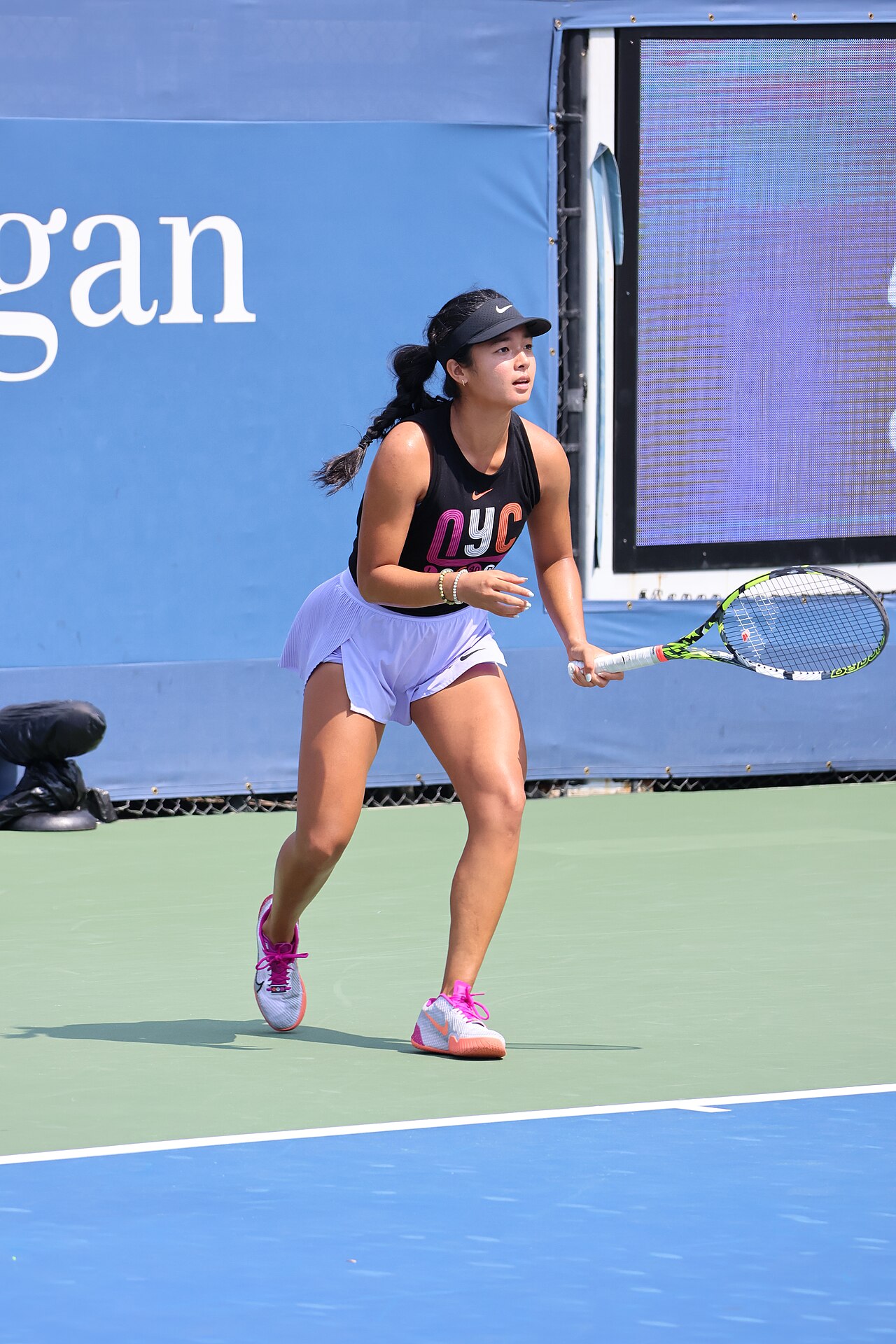
Imagine a club player who has just won by bringing the return back low and making the server lift the next ball. The following opponent may handle that ball comfortably but struggle when moved sideways. Repeating yesterday’s winning choice without examining today’s response would confuse a good result with a universal instruction. This is an illustrative situation, not a claim about any of Eala’s five opponents. Its purpose is to make the draw’s changing demands visible without inventing professional shot data.
Nor does adaptation have to mean discarding everything. A player still needs stable habits: the preparation they trust, the way they begin a point and the standards they can reproduce under pressure. The useful tension is between keeping a dependable base and revising the part that the opponent has made ineffective. A title run can make that balance look seamless from the outside. A list of wins does not reveal how smooth, difficult or deliberate it felt to the player.
Seven Top 10 wins is not the same as five Top 10 opponents in Washington
The report gives another important number. Victories over Zheng and Pegula brought Eala’s season total of Top 10 wins to seven, tying Svitolina and Elena Rybakina for the tour lead at that point. That is a season-to-date count in the August 3 report. It is not a claim that all five Washington opponents were in the Top 10, and it is not a final count for the full 2026 season.
The distinction matters because three descriptions can sit beside each other without being interchangeable: a tournament’s top three seeds, opponents with major-final experience or current Top 10 status, and seven wins over Top 10 players across the season. Seeds describe positions in that event’s draw. The opponent description combines past achievement with a ranking category. The seven-win total covers results from more than this one tournament. Merging them produces a more dramatic story and a less accurate one.
The seven-win total also changes how to introduce the first title. Washington did not need to be presented as the first evidence that Eala could beat a leading player. The cited wins were adding to a season record that already existed. The new achievement was completing a title run, with the ranking milestone arriving alongside it. A player can establish that certain opponents are beatable before producing the week that ends with a trophy.
No. 20 was likewise a position at a specified moment, not a permanent label. The report described an eight-place rise and a new career high on that August ranking list. It did not promise a further climb, a seed at every later event or a particular result at the next major. Keeping the date attached allows the achievement to remain impressive without quietly turning a historical milestone into a current-ranking claim.
For the player following the draw, watch what survives the opponent change
There is a productive way to follow a run like this even without building a full statistics database. In matches you actually watch, distinguish what you observed from what you expected because of a player’s reputation. Record a recurring point start and the response it receives, then see whether it remains useful against the next opponent. These are suggestions for viewing or reviewing your own tennis, not observations taken from unexamined footage of Eala.
For your own tournament notes, “the pattern won yesterday” is a starting point, not the end of the discussion. A more useful record names the condition: the opponent returned short, struggled with the change of height or left a particular next ball. When that condition disappears, the old decision may need review. When it remains, changing merely to look adaptable can be just as unhelpful as refusing to change at all.
This approach also gives a loss after a good win a more precise meaning. It need not erase the first result, and it need not be explained immediately as an inexplicable collapse. It can raise a concrete question about which successful conditions were present in one match and absent in the next. Answering requires watching or recording those matches; the bracket alone cannot diagnose the reason. The bracket can tell you where the question begins.
Eala’s Washington trophy matters because she finished that succession, not because we can supply a motivational story for every step. The first WTA title and the first Filipina Top 20 milestone deserve their place in the headline. So do the opponents. Zheng, Fernandez, Svitolina, Osaka and Pegula turn a ranking jump into a route the reader can understand: five different matches, with a new problem waiting beyond each win.
Sources and further reading
TENNIS TENSION LAB
Check your racquet’s tension today.
Get a high-precision tension reading in under 10 seconds. Tension Lab tracks changes from your first reading and helps you see when to restring.
- High-precision tension measurement. Ready in under 10 seconds.
- Track every change in feel. See the full story over time.
- Time to restring? Never leave it to guesswork.
Keep reading
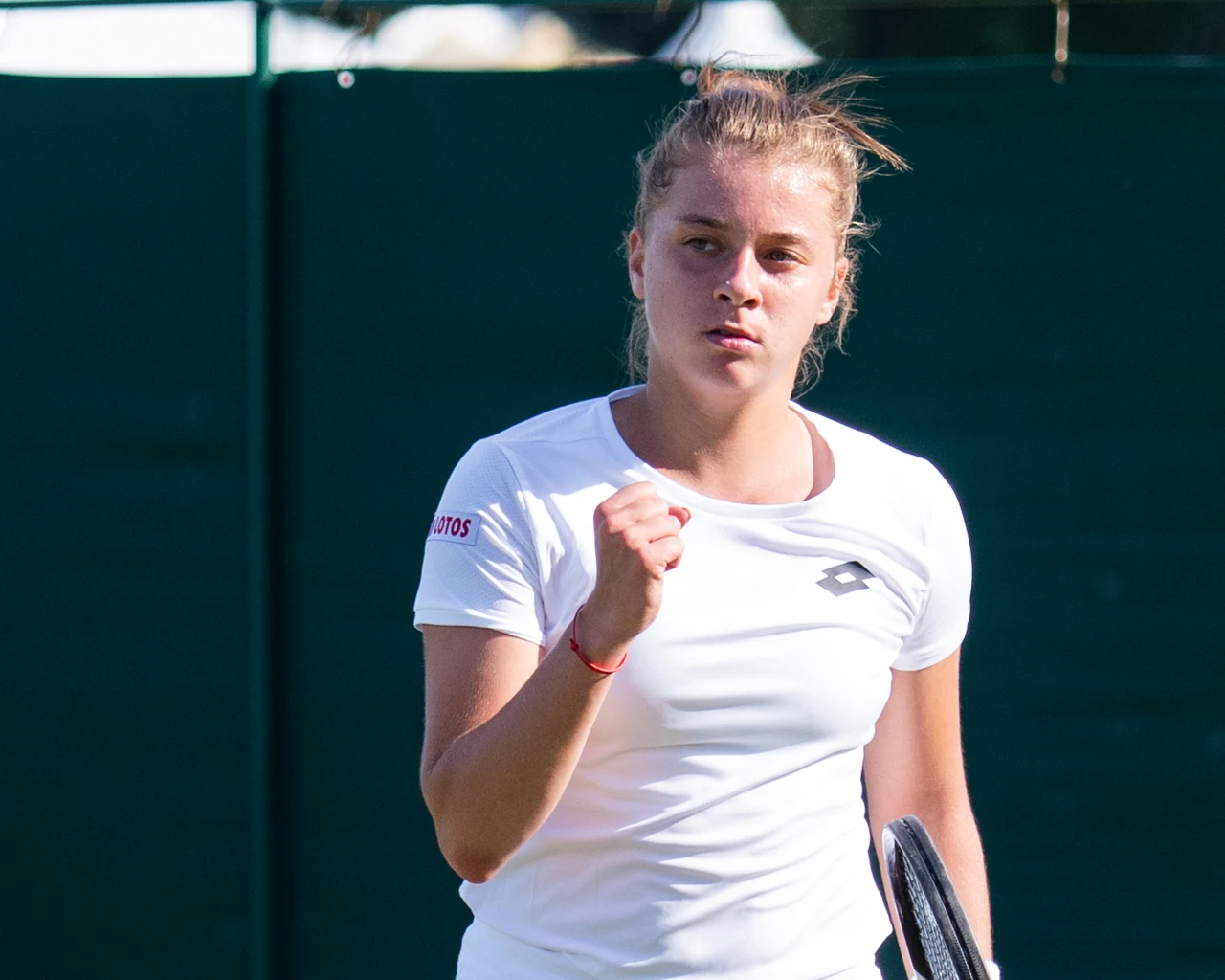
No. 114 to a Roland Garros final: what Chwalinska’s variety made opponents solve
Maja Chwalinska reached the 2026 Roland Garros final from qualifying at No. 114. Her defeat to Mirra Andreeva reveals the tactical demands behind a remarkable run.
8 min read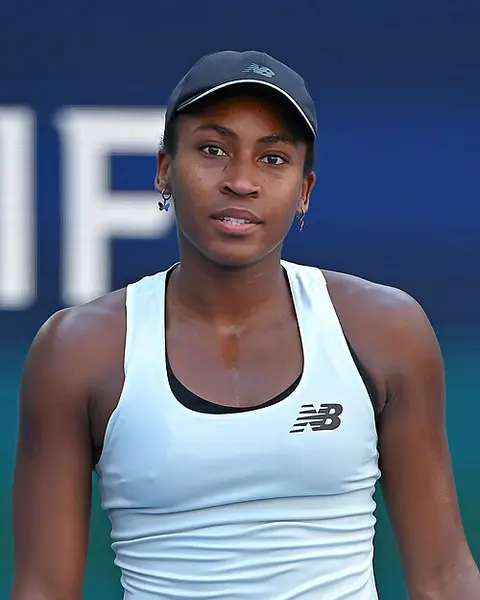
Gauff ended a ten-month drought. Pegula’s service games explain the week better.
Coco Gauff beat Jessica Pegula 6–2, 6–4 for the 2026 Cincinnati title. Beyond the ten-month trophy gap, the return points and Pegula’s own reaction reveal why the final felt so difficult.
8 min read
Where did Sinner vs Alcaraz go? The tour cannot wait for its biggest rivalry
Sinner and Alcaraz had met only once in 2026 by 24 September. Their interrupted seasons reveal why a rivalry needs availability, a draw and victories before it needs a final.
8 min read