Gauff ended a ten-month drought. Pegula’s service games explain the week better.
Pegula did not think she had played badly. She still described Gauff as a backboard. That tension between a reasonable performance and an uncomfortable match is the story worth examining.
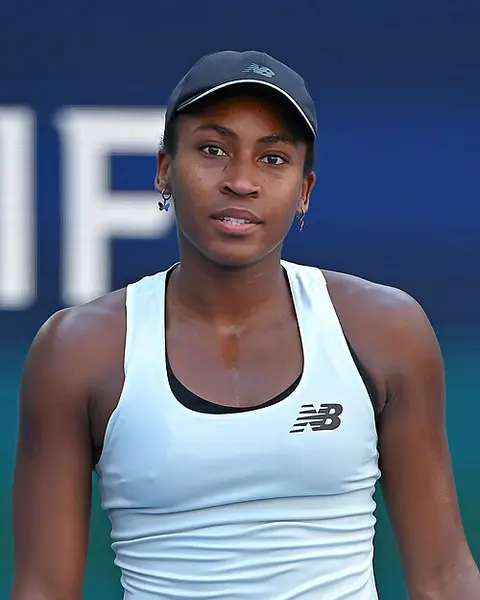
Jessica Pegula’s description after the Cincinnati final was more revealing than the phrase “title drought”. In the WTA’s August 24, 2026 report, she likened Coco Gauff to a backboard and joked that it had not been fun to face her. She also said she did not think she had played badly. A 6–2, 6–4 defeat can contain both truths: a player can produce recognisable tennis and still find that the opponent will not give it enough room to work.
For Gauff, the trophy ended a ten-month wait stretching back to Wuhan the previous October. The WTA’s rankings report called it her first title of the season, her second in Cincinnati and the 12th of her career. She had also won Cincinnati in 2023. Those are the headline milestones, dated to that August week. They explain why the result attracted attention. They do not, by themselves, tell us what made Pegula’s afternoon uncomfortable.
One place to look is the return side of the final. The match report credited Gauff with 32 points won in Pegula’s service games and five conversions from six break-point chances. It also listed first-serve points won at 65% for Gauff and 47% for Pegula. These are different measurements, not three versions of the same statistic. Together they give more substance to the backboard comparison than the final score alone.
A backboard is not necessarily a player who does nothing
The nickname tempts an easy misreading: Gauff simply kept the ball in and waited for a mistake. Pegula’s comment establishes how facing her felt, not a shot-by-shot tactical chart. The available report does not tell us where all 32 return points began, how many returns landed deep, or how often Gauff changed direction. We should not fill those gaps with an invented account of the match. The numbers do show that Pegula repeatedly had to contest points in games that began with her own serve.
For an experienced player, that can be a familiar form of pressure. Imagine serving a solid ball, expecting a manageable next shot and instead having to make another demanding decision. Nothing dramatic has to happen on the return itself. The server’s planned sequence is interrupted. Repeat that situation and even service games that are eventually held can feel laborious. This is an explanation of a possible tennis mechanism, not a reconstruction of Gauff’s individual returns.
A return winner and a return that forces the server to play from an awkward position can both have value, but they ask different things of the receiver. Hunting the first can raise the risk of giving away the point before the rally exists. Prioritising the second can leave the server time if the ball is too soft or too central for that opponent. “Be consistent” is therefore an incomplete instruction. The useful question is what your return makes this particular server do next.
The 47% figure needs its proper label as well. It is Pegula’s share of points won when her first serve went in, as reported by the WTA, not her first-serve-in percentage. Confusing those two numbers would turn a statement about the result of first-serve points into a claim about how often she missed the first serve. Likewise, 32 return points is a count. Without the denominator in the report, it should not be dressed up as a return-point percentage.
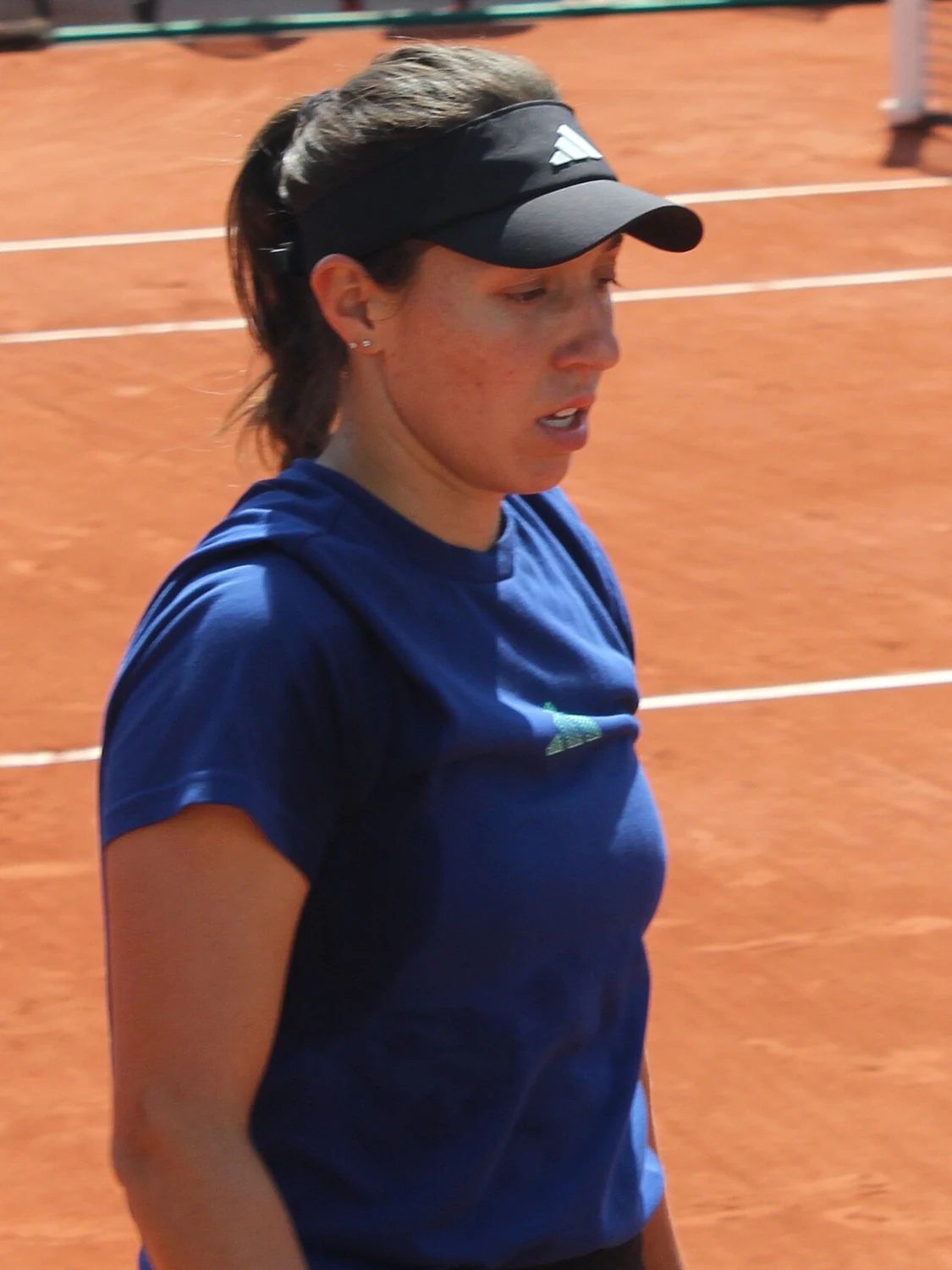
Break-point conversion adds a score context, but it does not settle every question either. Five out of six is about 83.3%, an arithmetic restatement of the reported tally. Six opportunities are too little material to label a permanent clutch trait. We do not have a sequence showing how each chance was created, whether several occurred in the same game or what the preceding return did. Use the tally to describe this final, not to forecast the next close match.
The trophy gap and the week’s evidence are different timelines
| Window | Reported result | What it describes |
|---|---|---|
| Cincinnati final | 6–2, 6–4 in 1 hour 14 minutes | Gauff’s win over Pegula |
| Cincinnati final | 32 return points; 5 of 6 break points converted | Gauff’s pressure in Pegula’s service games |
| Cincinnati final | First-serve points won: Gauff 65%, Pegula 47% | Results after a first serve landed in, not first-serve accuracy |
| Tournament run after the opening set | 12 consecutive sets won; 32 games conceded | The run after Gauff dropped her first set against Liudmila Samsonova |
| Title history as of that week | First trophy since Wuhan the previous October | A ten-month title gap, not a match-by-match form record |
The other 32 belongs to a different story: the match report said Gauff won 12 consecutive sets while conceding 32 games after losing the opening set of her first match against Liudmila Samsonova. Those 32 games are not the 32 return points in the final. The sequence matters more than the numerical coincidence. Her tournament did not begin with uninterrupted dominance. The reported winning-set run started after an initial setback.
It would be convenient to say that losing that set caused a tactical adjustment that unlocked everything. The source does not supply that chain of events. What Gauff did describe was increasing confidence from match to match, trust in her practice and the knowledge that she could work out difficult matches without always playing her best. That is her account of the week. It supports a story of confidence accumulating through competition, without requiring us to invent a specific technical repair.
A ten-month title gap counts the time since the previous trophy. It does not list every opponent, round reached, surface or performance within that period. The August rankings report still had Pegula at No. 3 and Gauff at No. 4 after Cincinnati. Those dated positions are not proof that every earlier week was good. They simply underline why “had not won a title” and “had ceased to be competitive” need different evidence.
The former doubles partnership made the final easy to frame as two players who knew each other. The same rankings report identified Pegula as Gauff’s former partner and described Cincinnati’s first all-American women’s final since 1970. Familiarity is useful narrative context. It does not prove that Gauff had a secret map of Pegula’s patterns, nor that their doubles history caused the return numbers. A singles match still has to be explained by what can be established about that match.
There was another tempting shortcut waiting after the trophy. Gauff had won Cincinnati in 2023 before taking that year’s US Open title. In her August 2026 comments, she explicitly resisted treating the new Cincinnati win as an indicator that she would do well in New York. She wanted to take confidence and experience from the quality of the week. Read those remarks at their original moment, before that US Open, rather than as a prediction made today.
Borrow the question, not the champion’s percentages
For a club player trying to make a strong server less comfortable, the useful exercise is an observation, not a target of 83.3% break-point conversion. Over a relevant session, note whether the return comes back at all, whether the server gets the next ball they wanted and what happens to the receiver’s position after that ball. These are suggested observations, not a drill attributed to Gauff. A few notes can expose a problem that a raw return-winner total would miss.
For example, a player might return plenty of serves but leave the next ball in the server’s preferred hitting zone. Another might make fewer returns overall yet repeatedly create awkward second shots when the return does land. Neither fictional pattern is automatically better for every opponent. Distinguishing them tells you whether the next practice question concerns getting the ball back, making it more troublesome or recovering after it. It prevents “I need to return better” from becoming a request to change everything at once.
Pegula’s reaction is worth keeping beside the statistics because it describes the problem from the other side. She could feel she had not played badly and still find Gauff deeply inconvenient to face. The trophy ended a drought; the service-game figures explain part of the resistance that made it possible. For the player reading at home, the sharper ambition is not to look like a backboard. It is to become the opponent who keeps taking away the comfortable next ball.
Sources and further reading
TENNIS TENSION LAB
Check your racquet’s tension today.
Get a high-precision tension reading in under 10 seconds. Tension Lab tracks changes from your first reading and helps you see when to restring.
- High-precision tension measurement. Ready in under 10 seconds.
- Track every change in feel. See the full story over time.
- Time to restring? Never leave it to guesswork.
Keep reading
Why Pegula welcomed the 2027 WTA changes: four required 500s, more choices
The WTA plans to cut required 500 appearances for top-50 players from six to four in 2027. Pegula’s response highlights why fewer obligations do not simply mean fewer matches.
8 min read
27% first serves, no break points: the Rybakina set a single number cannot explain
Rybakina won 22 of 30 service points in the opening set of the 2026 US Open final despite landing only 27% of first serves. The missing piece in a quick judgment is how points become a game.
8 min read
Świątek’s 26–5 record in finals is extraordinary. It is not an 84% promise
After Iga Świątek won Toronto in August 2026, her WTA finals record stood at 26–5. The number says plenty about finishing tournaments, but leaves out the work of reaching the final.
8 min read