Why Sharapova’s early court mattered more than her alarm clock
At 8 a.m. you might have the court to yourself. By lunchtime you might be sharing. The interesting part of the habit is what that changes about the work you can actually do.
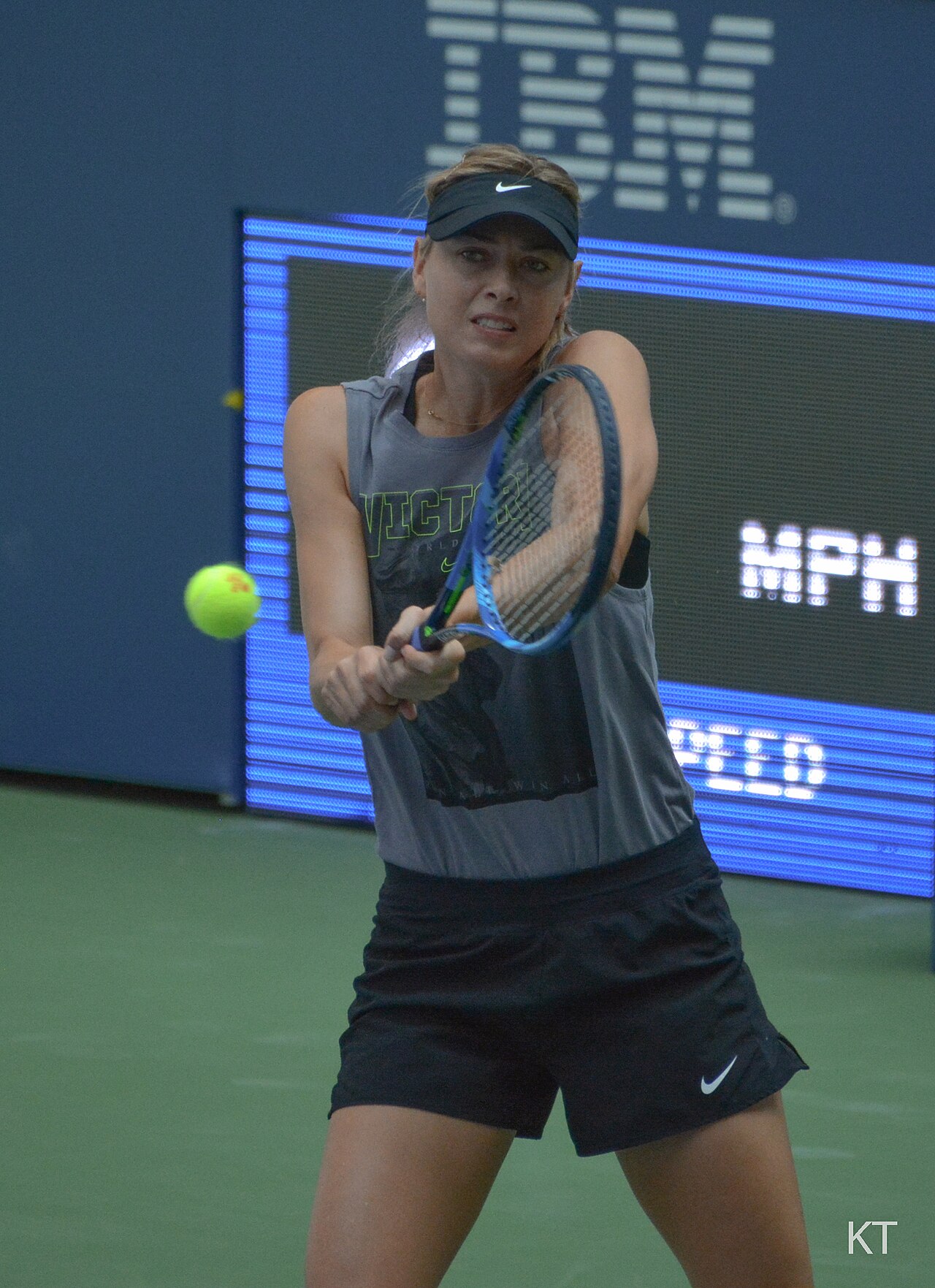
The most useful number in Thomas Hogstedt’s story about early practice is not the hour on the clock. It is how many people have to share the court. In a July 9, 2026 WTA profile, the coach described a choice: arrive for a late-morning or lunchtime slot and become the fourth person on court, or practise from 8 to 9:30 a.m. with the court to yourself. The contrast is easy to turn into a slogan about working harder. It is more interesting as a story about access.
Maria Sharapova is central to the profile’s account of demanding standards, along with Li Na and Caroline Wozniacki. Hogstedt said players he had worked with continued to take early slots after their partnerships ended. He linked that habit to getting access to stadium courts, even when the available times were very early or very late. This is a coach recalling how his players operated, not a complete Sharapova diary specifying when she woke up on every tournament day.
That distinction makes the story more useful, not less. A club player cannot reproduce a professional team, tournament booking system or travel calendar by setting an alarm. But an experienced player can recognise the underlying choice: spend the convenient hour fitting your work around everyone else, or choose a less convenient slot that lets you practise what you actually came to improve.
A shared hour and an uninterrupted hour buy different things
Consider a familiar club session. Four friends book a court and begin with crosscourt rallies. Everyone gets moving, the rhythm improves and the session feels productive. Then someone wants to work on the serve plus first ball, another wants volleys and two would prefer a set. Nothing has gone wrong. The booking simply has several purposes competing for the same space and time. The name “practice” does not tell you which purpose ultimately wins.
Now imagine two of those players booking a separate session for a recurring match problem: a return that lands short when preparation is rushed. They can keep the same server, agree a relevant serve pattern, stop to discuss what happened and restart without negotiating with another pair. They can also change ends when that matters to the question. This is an editorial example, not a drill reported from Sharapova’s training. Its advantage comes from control of the session, not from an inherently superior hour of the day.
The uninterrupted court does not automatically make the tennis better. If both players spend the whole slot repeating the rally they already enjoy, the extra freedom may achieve little. Access becomes valuable when a task needs it. Working on the first two shots, changing the starting score, or leaving time to repeat an awkward return all require agreement about what will happen next. A booking that protects that agreement can be worth more than a longer session without one.
The reverse is also true. If your aim is doubles communication, playing with four people is not wasted court access: it is part of the task. An empty court cannot provide the partner movement, poaching threat and decisions you want to practise. Hogstedt’s anecdote is not a ranking of all session formats. It invites a sharper question: what conditions must this particular piece of work have?
Book the court for a question you can answer
There is a difference between wanting more time and knowing what to do with it. Before arranging the next session, write a sentence that includes the situation and the decision: “On a body serve, I want to choose my return space earlier,” or “After my wide serve, I want to recognise when the open court is actually available.” Neither sentence promises a technical cure. Each tells a practice partner what kind of ball and observation will make the booking useful.
The partner is part of the reservation. A reliable friend who can reproduce the relevant starting ball may be more useful for this task than the strongest hitter in the club. Conversely, a beautifully organised drill against a ball unlike anything you face can leave the original problem untouched. Agree on the role before you arrive. Then the first minutes are for preparing to play, rather than discovering that one person expected a lesson and the other expected a match.
Leave room for the work to become less comfortable. If every ball is fed to a known place, success can mean that you have learned the feed rather than improved the choice. Once the initial task is clear, introduce an appropriate choice or play points from that start. For the body-serve example, the server could vary location so that the returner must recognise it. This is a proposed progression for a club session; it is not evidence that Hogstedt used that sequence with Sharapova.
A short note afterward can distinguish useful access from mere attendance. Record the situation you practised, the condition you changed and the question that remains. “We started points from a wide serve; my next shot was rushed when the return came deep” says more than “good hit, ninety minutes.” It also helps choose the next partner or booking. You do not need to invent a percentage improvement to justify a session that has made the next question clearer.
The professional lesson includes organisation away from the baseline
Hogstedt’s praise for Sharapova was not confined to how much she hit. He recalled her intelligence, her management of sponsor commitments when she could not play, her attention to tournament obligations and the way she looked after her team. Those are reported recollections, not a claim that completing an appearance caused a particular win. They broaden the image of professionalism beyond the visible act of training.
For a club player, the scale is smaller but the distinction still matters. Confirming the booking, telling a partner the purpose, bringing the balls you agreed to use and allowing enough time to arrive ready all protect the quality of the hitting that follows. These tasks are rarely the memorable part of a training story. Yet an ambitious session can disappear into waiting for a court, locating equipment or resolving mismatched expectations before the first useful ball is struck.
The early slot also has a cost. Hogstedt explicitly acknowledged in the profile that players differ, that finding the right balance matters and that coaching relationships do not always fit. His account gives no basis for a universal prescription to sleep less or practise before work regardless of circumstances. If moving a session earlier leaves you unable to prepare properly or makes the partnership unreliable, copying the clock time has missed the point.
Nor should an early empty court become your only environment. If the question is how your serve looks under the lights you will compete under, daylight practice cannot answer all of it. If it is how you make decisions in a noisy doubles match, an uninterrupted cooperative hit is only one part of preparation. The useful comparison is between the conditions the task needs and those the booking supplies. Sometimes the less convenient evening slot is the closer match.
This is where the Sharapova story escapes the usual champion-worked-harder moral. Access, purpose and preparation form a practical sequence: secure the space that the task requires, agree what happens in it, and arrive able to use it. None of that guarantees a result. It does explain why two equally long bookings can leave players with very different amounts of relevant work.
The next time you hear that a champion was first on court, ask what being first made possible. In Hogstedt’s account, one answer was simple: fewer competing demands on a valuable court. The habit worth borrowing is not devotion to 8 a.m. It is the willingness to organise an ordinary day so that the difficult, specific part of your tennis actually gets practised.
Sources and further reading
TENNIS TENSION LAB
Check your racquet’s tension today.
Get a high-precision tension reading in under 10 seconds. Tension Lab tracks changes from your first reading and helps you see when to restring.
- High-precision tension measurement. Ready in under 10 seconds.
- Track every change in feel. See the full story over time.
- Time to restring? Never leave it to guesswork.
Keep reading
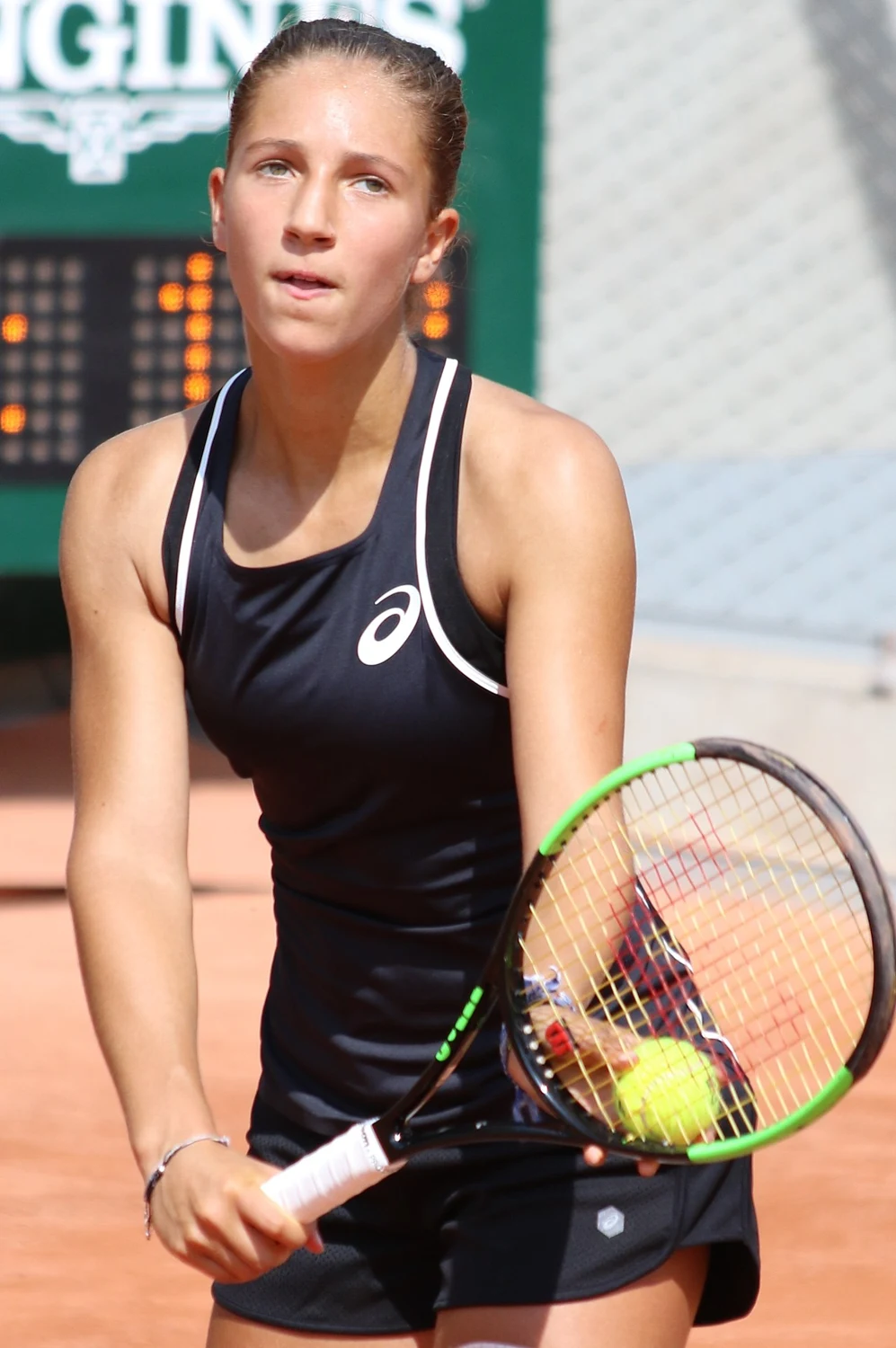
Diane Parry’s one-handed backhand is only part of the attraction
Thomas Hogstedt pointed to Parry’s touch as well as her one-hander. His coaching perspective offers a sharper way to evaluate variety than deciding whether an unusual stroke looks modern enough.
8 min read
Raducanu, Agassi and the problem with using your best week as your identity
Emma Raducanu found parts of Andre Agassi’s autobiography relatable. His public advice in September 2026 concerned how to judge today’s player—not a promise to repeat yesterday’s breakthrough.
8 min read
Shelton improved his backhand. Why could Zverev still target it?
Ben Shelton’s backhand helped him progress in the summer of 2026, yet Alexander Zverev found it a useful target in the US Open final. Improvement and vulnerability can coexist.
8 min read