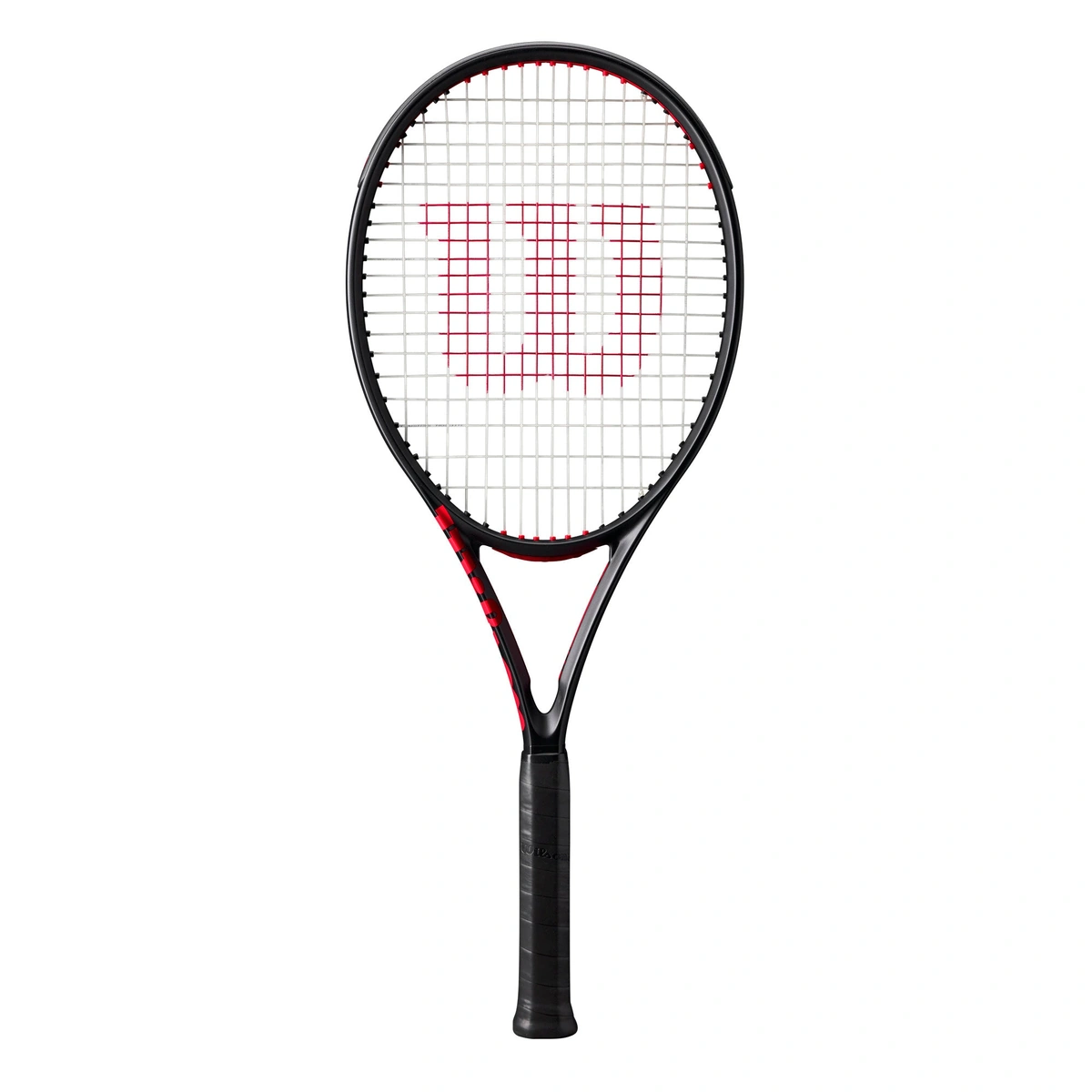
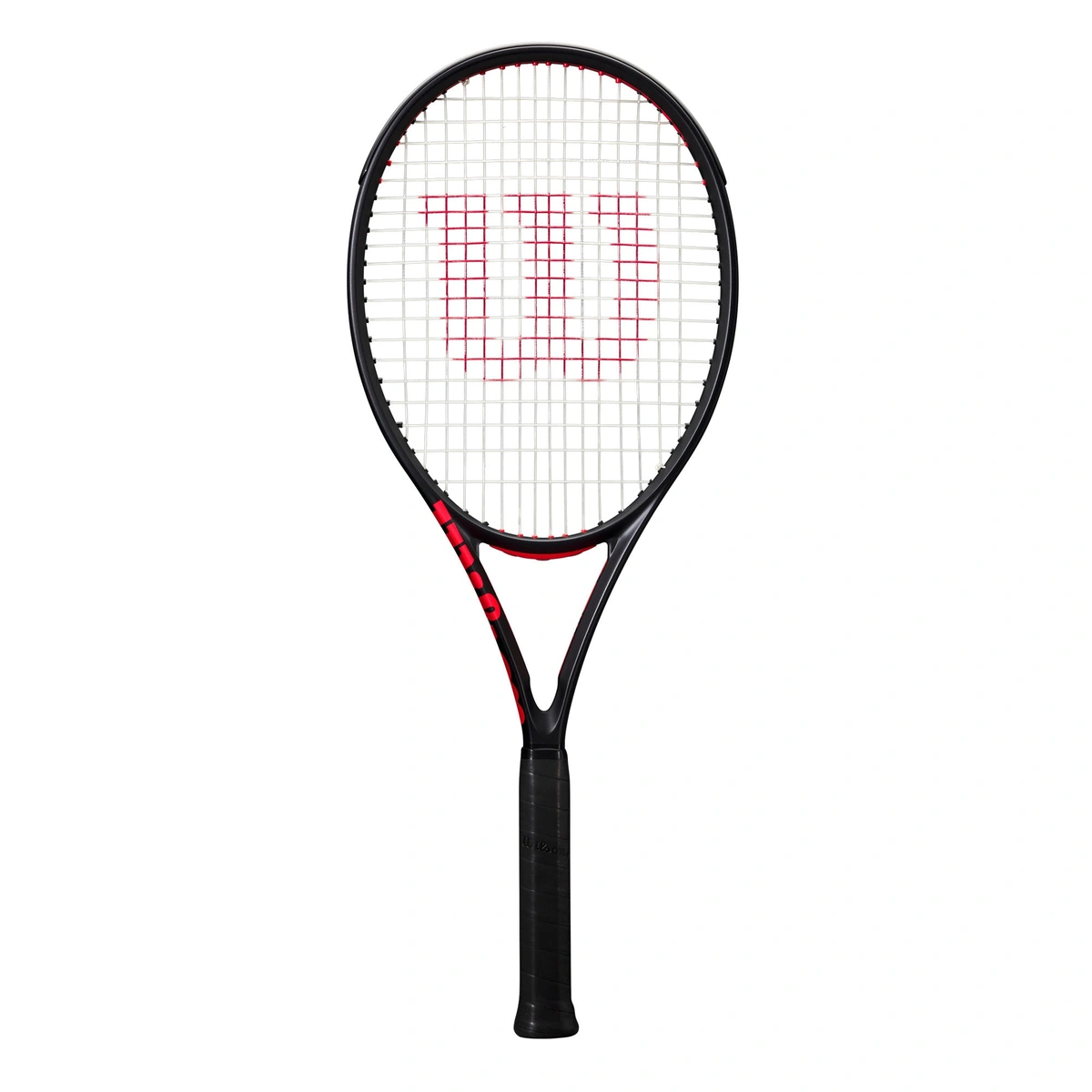
Clash 100 V3 vs Pro: quick preparation or firmer returns?
The useful question comes before the Pro badge: why is your return landing short? Compare the 295 g and 305 g models through both contact and recovery for the next ball.
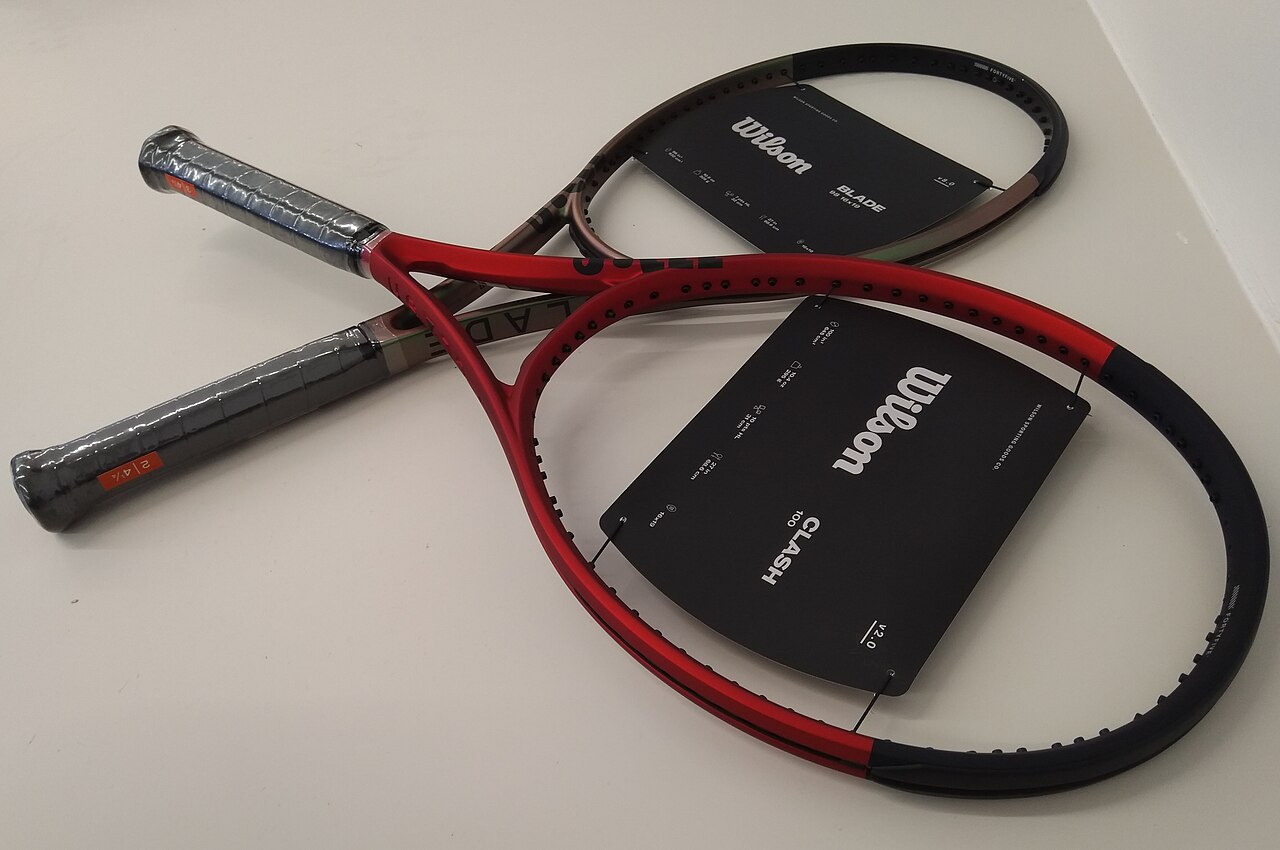
The Clash 100 V3 and 100 Pro V3 both have a 100-square-inch head and a manufacturer-listed unstrung balance of 31 cm. They may feel similarly balanced in a shop, yet ask different things of you on court. A player who pushes a late return over the net has a different starting problem from one whose prepared racquet is knocked back by the ball.
For the first player, the 100 offers a reason to explore easier handling. For the second, the Pro’s mass and inertia deserve a comparison. The decision continues after contact: a deeper first volley is less useful if the next low ball catches the heavier racquet unprepared. Build the demo around two consecutive shots, rather than the single clean strike you remember best.
The same balance conceals a different load and pattern
Wilson lists the 100 at 295 g unstrung and the Pro at 305 g, with 16×19 and 16×20 string patterns respectively. That 10 g difference describes nominal frames before strings are fitted. A demo on a scale also carries its strings, grip and any dampener. Match those conditions before treating every difference you feel as a difference between models.
Tennis Warehouse’s model reviews list the strung 100 at 312 g with a swingweight of 308, and the Pro at 323 g with a swingweight of 327. Wilson’s strung figures are 310 g and 320 g. The table keeps those sources separate. If handling is critical to your purchase, a shop measurement of your actual strung frame’s mass, balance and swingweight is more useful than assuming every unit matches one reference.
| Item and source | Clash 100 V3 | Clash 100 Pro V3 |
|---|---|---|
| Wilson head / pattern | 100 in² / 16×19 | 100 in² / 16×20 |
| Wilson unstrung mass / balance | 295 g / 31 cm | 305 g / 31 cm |
| Wilson strung mass | 310 g | 320 g |
| TW strung mass / balance | 312 g / 31.98 cm | 323 g / 31.98 cm |
| TW swingweight / flex reference | 308 / RA 54 | 327 / RA 57 |
| TW length / constant beam | 27 in / 24.5 mm | 27 in / 24.5 mm |
Balance locates the centre of mass; swingweight describes resistance to rotation. Tennis Warehouse University explains the trade-off: with equal force, greater swingweight accelerates less readily, but the incoming ball also changes the racquet’s motion less easily. Similar balance in your hand can therefore coexist with different demands during preparation and impact.
RA 54 and 57 are frame-flex reference readings in that published material. Put the actual string setup beside them when narrowing your choices. An unfamiliar firm string can dominate a demo intended to compare frames. If comfortable contact matters to you, request a setup reasonably close to the one you already enjoy using.
Try the Pro first when preparation is already in place
To use the Pro’s additional mass, the racquet must first reach the ball. It is a plausible candidate when a compact return or a prepared first volley repeatedly loses depth against pace. If you are still dragging the racquet into position after recognising direction, prioritise handling. Establishing preparation and contact with the 100 gives you a more useful baseline for comparison.
Tennis Warehouse’s Jason liked the 100’s quick handling but felt it give ground against fast serves. In the Pro review, Chris liked redirecting early returns, while Troy still wanted more mass. Use those differing experiences to choose situations for your own demo.
| Your recurring situation | First candidate | Reason to compare | When another choice fits |
|---|---|---|---|
| Late preparation against pace | 100 V3 | Explore handling margin | Try Pro if timely contact still gets pushed back |
| Prepared return or volley loses depth | 100 Pro V3 | Compare impact response | Choose 100 if the next shot becomes late |
| 100 feels right except on some impacts | Keep 100; try small weight changes | Preserve its useful qualities | Try Pro if weakness spans many situations |
| Flat attacks are hard to control for depth | Both, with matching strings | Experience mass and pattern together | Try another frame family if neither feels intuitive |
| Late-session serves or high volleys feel burdensome | 100 V3 or current racquet | Prioritise repeatable movement | Reconsider Pro if it remains manageable late |
Comfortable rallying with the 100 is a good start, but include the pace and locations that matter in your matches. A slow crosscourt exchange and a fast serve into the body pose different tasks. Equally, a partner’s preference for a heavier racquet is a weak reason to abandon a 100 that lets you play successive shots well.
Separate the circumstances in which the ball lands short. Were you late, did contact drift sideways, or did a timely central strike still lack depth? The first two may change with footwork and preparation. Persistent loss of depth in the third situation gives a clearer reason to compare frames. Evaluate the contact leading to the result as well as the landing spot.
Match strings before judging the Pro’s 16×20 pattern
The Pro adds one cross string. A pattern label alone cannot establish a numerical difference in launch angle or spin between these models. String material, gauge, reference tension and playing age also affect the comparison. Begin with the same string model and gauge, ideally installed at similar times, to make the frame comparison easier to read.
Keep a string you already like as the starting reference. Introducing a new polyester alongside a new frame makes a disappointing session harder to interpret. A player who seldom breaks strings can compare frames using a familiar multifilament setup. If the current string is damaged or no longer plays satisfactorily, address that separately before judging a freshly strung demo against it.

Agree on the first reference tension with your stringer within the actual model’s instructions. Supply the full V3 model name, string and gauge, requested tension and a previous setup that worked well. Afterwards, identify a recurring trajectory or depth problem before changing one variable. Changing material, gauge and tension together removes the reference you have just established.
Wilson describes the V3’s Click-and-Go bumper and grommet system as easier to replace. For ownership, the practical question is whether the correct replacement part is available. Include generation and model when asking about parts, even when two racquets share a colour or Clash branding. Show damaged string holes or protection pieces to your stringer before the next installation.
Adding weight to the 100 creates another option
If the 100’s rhythm suits you and only a specific impact feels weak, small removable additions are worth comparing before buying the Pro. Added head mass also increases the rotational demand. Keep the first change reversible and revisit serving and successive volleys as well as returns. The location and amount should follow the actual frame and the problem you are trying to solve.
Taking the 100 to 305 g unstrung does not recreate the Pro. The mass may sit in different places and the string pattern remains 16×19. Adding handle weight to move balance is also a different operation from adding mass to the hoop. Improving one troublesome situation while preserving the 100’s strengths is a clearer target than chasing a Pro-like number.
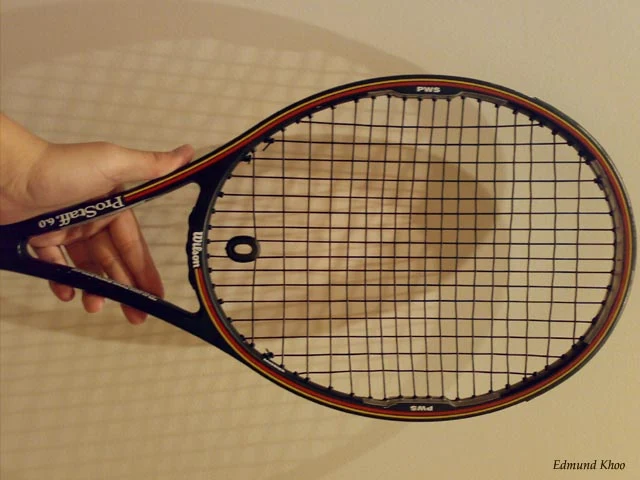
A firmer return has a cost if the same change slows your second-serve swing. Count the whole playing sequence. Conversely, a small addition that steadies a troublesome volley while leaving the rest of your rhythm intact supports keeping the current frame. If you prefer a stock configuration to an adjustment process, a Pro demo is the simpler route to investigate.
Finish the demo with a serve and the ball after it
Start on your usual court with familiar balls. After settling into rallies, ask the same partner to mix first and second serves. Return towards the same large target with each racquet and continue through the next ball. This proposed comparison brings late preparation and impact instability into view. Reverse the racquet order for the next segment so the first one does not always receive the freshest minutes.
For doubles, connect a first volley to a lower second volley; for singles, follow your serve with a groundstroke requiring lateral movement. The question is whether the Pro’s response on the first collision coexists with good preparation for the next. If your difficulty normally appears late in matches, revisit the task later in the demo session, after your ordinary playing workload.
Afterwards, make a note of each candidate’s recurring failure and your readiness for the following shot. Timely contacts that lose depth with the 100 but improve with the Pro support the heavier option. Late preparation concentrated towards the end of a Pro session supports the 100. Keeping those outcomes separate also makes a later string or weight adjustment more specific.
Wilson’s official video introduces the V3 family and provides a visual reference alongside the older V2 photograph. When arranging the demo, specify both full model names and request comparable strings. Play the return you meet most often, then continue through the next ball with each candidate. That gives the Pro badge a concrete job to earn.
Sources and further reading
TENNIS TENSION LAB
Check your racquet’s tension today.
Get a high-precision tension reading in under 10 seconds. Tension Lab tracks changes from your first reading and helps you see when to restring.
- High-precision tension measurement. Ready in under 10 seconds.
- Track every change in feel. See the full story over time.
- Time to restring? Never leave it to guesswork.