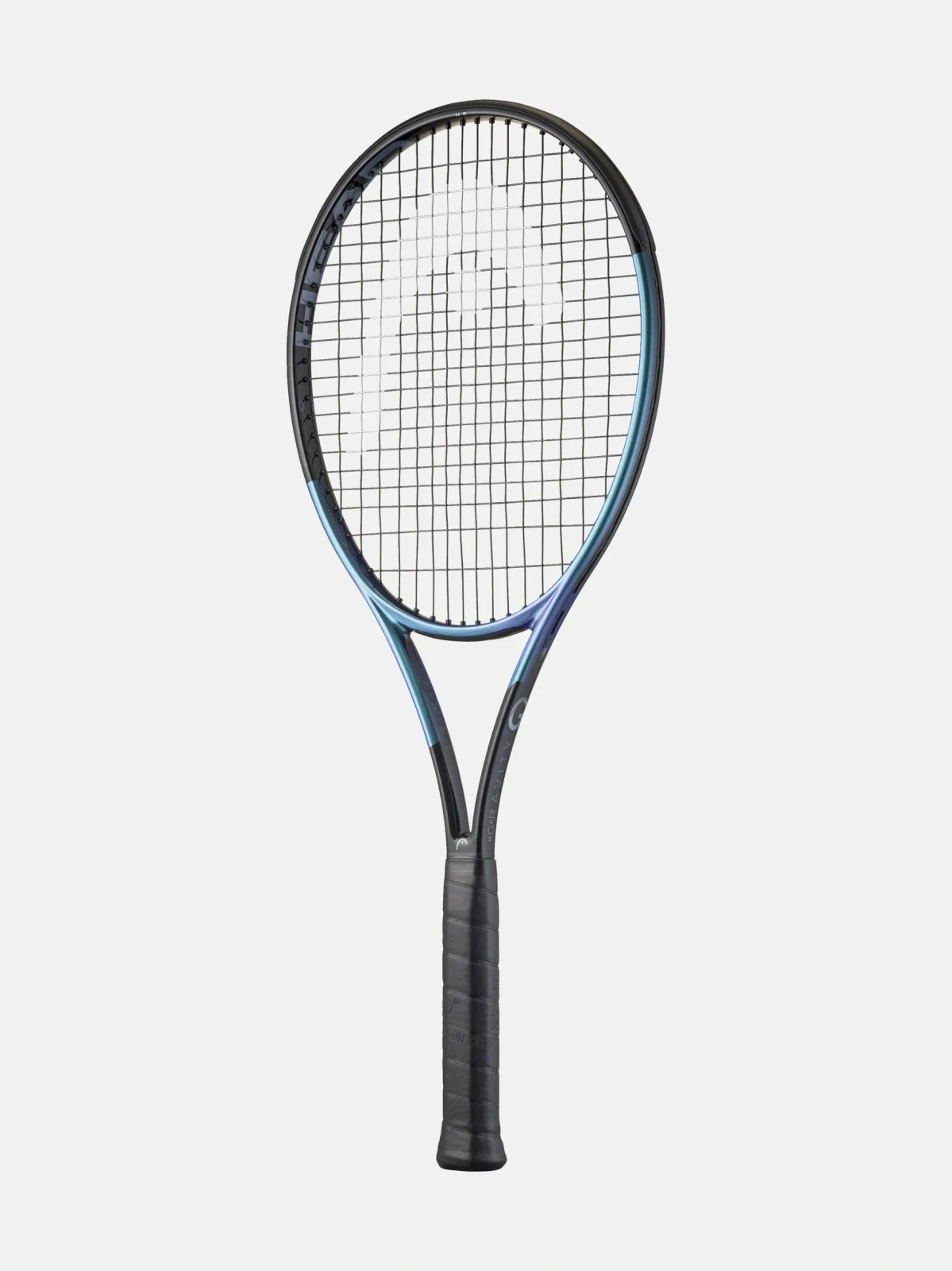
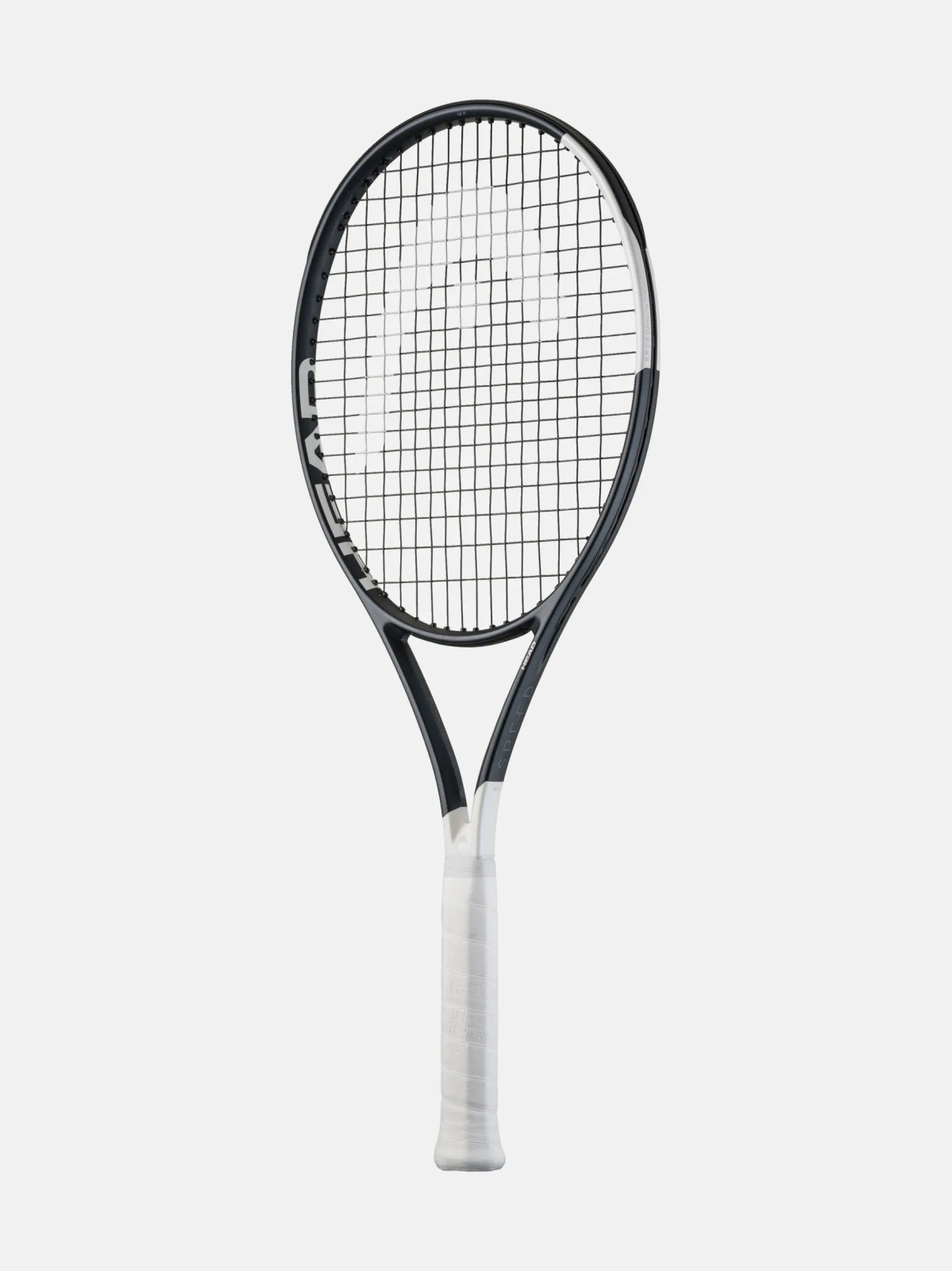
Gravity MP vs Speed MP: blocked and driven returns
Meeting a fast first serve and attacking a second serve are different jobs. Decide which parts of your return motion must survive both.

If you want to step into second serves and keep a committed swing, begin with the Gravity MP 2025. If you need depth from a short block against a fast serve, start with the Speed MP 2026. With the Gravity, examine the return that lands short; with the Speed, examine late preparation and floating replies. Two HEAD frames with 100-square-inch heads can help different parts of the same return game.
The useful question is how much your return motion has to change when the serve changes. A player may barely get a racquet to a first serve, then look to attack the second. Those situations demand different amounts of movement. Set both a minimum defensive depth and an attacking swing you want to preserve. That gives the comparison a purpose beyond finding the racquet that produces the hardest isolated shot.
Five grams conceal a different distribution of mass
This comparison concerns the standard Gravity MP 2025 and Speed MP 2026. HEAD lists their unstrung weights at 295 and 300 grams, with balance points 325 and 320 millimetres from the butt. Both have 100-square-inch heads. Gravity combines a 16×20 pattern with a 22-millimetre beam; Speed uses 16×19 and 23 millimetres. The lighter frame has the balance point farther forward, immediately complicating any decision based on weight alone.
| Item | Gravity MP 2025 | Speed MP 2026 |
|---|---|---|
| Head | 100in² | 100in² |
| Weight / balance | 295g / 325mm | 300g / 320mm |
| Pattern | 16×20 | 16×19 |
| Beam | 22mm | 23mm |
MP L, TEAM, TOUR and PRO are different models. Specify the MP suffix and year when booking a demo. A familiar colour or family name leaves room for a different head size, mass or construction to enter the comparison. Establish the exact product first, then make sure the racquet you order is the one whose behaviour you evaluated.
Tennis Warehouse lists strung reference values of 312 grams, 33.48 centimetres and a swingweight of 323 for Gravity, against 318 grams, 33.02 centimetres and 329 for Speed. Swingweight is expressed in kg·cm². These are comparisons within one retailer’s strung data, separate from the maker’s unstrung specifications. The actual demo’s overgrip, dampener and installed strings belong in the assessment of the individual frame.
| Item | Gravity MP 2025 | Speed MP 2026 |
|---|---|---|
| Weight | 312g | 318g |
| Balance | 33.48cm | 33.02cm |
| Swingweight | 323kg·cm² | 329kg·cm² |
| Stiffness | 57RA | 60RA |
Both balance points are toward the handle relative to the midpoint of a 27-inch racquet. Speed is more head-light in this comparison, yet has the higher swingweight. Balance locates the centre of mass; swingweight describes resistance to rotation about a specified axis. A frame that feels easier to hold horizontally can still demand more effort when you need to redirect it quickly toward a body serve.
Resistance at impact and speed of preparation are different benefits
TWU’s explanation of weight and balance describes how, under equal applied force, the higher-swingweight frame accelerates less in rotation. The same resistance operates when the ball tries to change the racquet’s motion at impact. It can help a prepared face withstand a fast ball while making a late change of preparation more demanding. Those are two consequences of the same property.
A cooperative baseline rally gives you time that a return may remove. Compare depth when you can accelerate through the ball with depth when you can only present the face. The first relies more heavily on the swing you can create; the second places greater emphasis on receiving incoming pace. Even a similar impact sensation may serve different purposes in those two situations.
HEAD describes Gravity’s stringbed widened toward the upper hoop and its Auxetic 2.0 construction, while highlighting Hy-Bor in Speed. These are the manufacturer’s descriptions of shape and structure. The installed strings, impact location and preparation remain part of the return. In a purchase comparison, a short block or an overlong drive provides a more direct decision point than the technology name.
Test the gap between Gravity’s driven and blocked returns
In Tennis Warehouse’s April 2025 Gravity MP review, Jason liked the control available with a fuller swing but found his blocked returns shorter than he wanted. Tiffani enjoyed stepping into second serves, describing a balance of stability and manoeuvrability. Those individual experiences make Gravity worth considering for a driven return, with defensive depth retained as a separate condition.
Gravity moves up the demo order if advancing on second serves is a regular part of your game. Try changing the target while preserving your normal swing. Can you drive crosscourt and then use a central target without repeatedly checking the motion out of concern that the ball will fly long? That is a more relevant success than the fastest return you happen to hit during the session.
The countercheck comes against the first serve. A solid-feeling block that repeatedly lands short may still give the server an easy opening attack. Watch whether obtaining depth forces you to enlarge the backswing precisely when time is scarce. If preserving your aggressive second-serve return creates too much difficulty against the first delivery, the trade is larger than the pleasant attacking contact initially suggests.

Judge Speed’s depth again on the attacking return
Tennis Warehouse tested the Speed MP 2026 in the black Legend cosmetic. Jason found useful neutralising depth from blocks and chips but wanted easier handling. Oak sometimes struggled to catch up with fast first serves, and his chips or blocks could float or travel long. The help from depth was therefore experienced differently as preparation and face control changed between players.
Speed deserves an early demo when you commonly meet strong serves with a short backswing. Look for depth that pushes the server’s next contact back while allowing you to recover for the following shot. A return that feels substantial at impact but floats into a doubles net player’s reach has not fulfilled that tactical job. Where the ball arrives matters alongside how contact feels.
Pair that defensive task with an ordinary second serve. If the improved block makes you restrain your attacking swing and settle for passive replies on a ball you would normally attack, it carries a cost. If you can accelerate from compact preparation and still use a deep target, both return tasks fit within the frame. That combination is the practical reason to prefer Speed.
| Current problem | First candidate | Desired help | Reason to reconsider |
|---|---|---|---|
| Restraining the attacking return | Gravity MP | Swing and direct the ball | First-serve blocks stay short |
| Short blocks invite attack | Speed MP | Depth from compact contact | Late preparation or floating replies |
| Late on both deliveries | An easier-to-prepare candidate | A face ready in time | Preparation limits the shot first |
| Familiar frame; response has changed | Inspect the existing setup | Preserve familiar movement | Problem remains after setup repair |
One cross string does not explain the whole frame
The patterns differ by one cross string, but the frames also differ in beam, mass distribution and measured flexibility. Assigning all of Gravity’s control or Speed’s depth to that one string would lose the rest of the construction. The purchase is a choice between complete designs. The useful observation is how each complete setup changes the strokes you actually want to play.
The published stiffness values, 57 and 60 RA, describe the frame-flex comparison in that data. They are separate from personal comfort, which also involves the strings, contact and movement. Stop a painful demo instead of persisting because the frame has a low RA figure. A comfortable result must exist in use, rather than only in a specification.
Demo first serves, second serves, then short points
Begin with first serves at your usual match pace from the same server. Use a generous crosscourt target so that late preparation and insufficient depth can be identified separately. Include body and wide deliveries that occur in your normal matches. Increasing the server’s pace beyond your usual playing conditions merely to create a tougher trial makes the decision less relevant.
Then receive second serves from the same position and step forward to drive them. Judge whether you retain your normal attacking motion as well as whether the return lands in. The first task examines minimum defensive depth; the second examines freedom to attack. Reverse the order of the frames when repeating the sequence so that adaptation and accumulated fatigue do not always favour the same racquet.
Finally, play short points starting with the return. In doubles, include a net player so that the cost of a floating reply is visible; in singles, let the server attack the next ball. A return inside your chosen area still varies in value according to the opponent’s next opportunity. Keep one combined note of the first-serve block, second-serve drive and ensuing reply.
The same requested tension does not create the same setup
Tennis Warehouse gives both models a 48–57 lb stringing range. Use a previously comfortable material, gauge and tension within the relevant range as a starting point, or discuss an appropriate setup with the stringer. When demo strings differ, your first experience compares those complete setups. Reduce differences in string product, gauge and use history before making the final frame decision.
If Gravity’s block is short while its attacking swing works well, inspect string response and wear before adding mass to the hoop. After a string adjustment, repeat the attacking return as well: obtaining defensive depth can also alter the trajectory you already liked. Changing material, tension and added weight together makes it harder to identify which adjustment was useful.
If Speed is consistently late, adding handle weight simply to shift the balance rearward is a poor first shortcut. Relocating the centre of mass does not remove the added mass. Small adjustments can be useful when preparation already works; repeated lateness calls for comparing a less demanding individual frame or another candidate first. Measure the complete playing setup before and after a change.
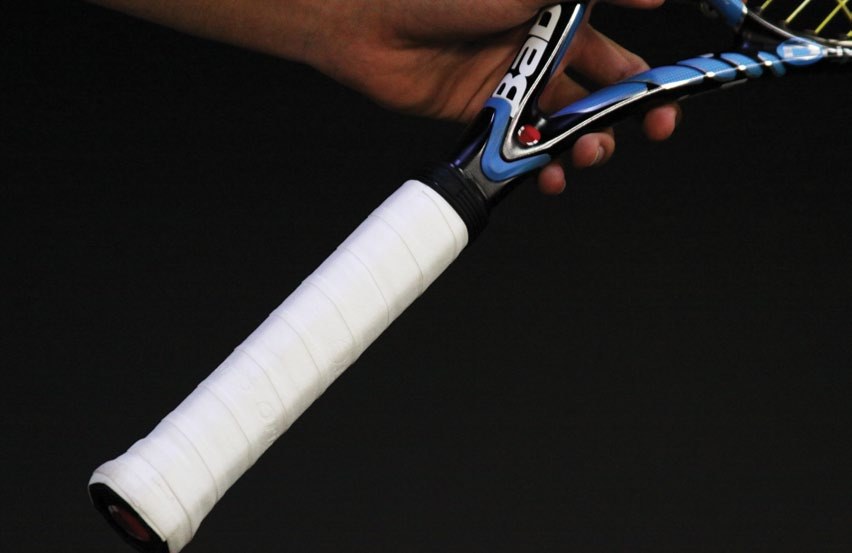
After purchase, preserve the grip and string arrangement that made the demo successful. Inspect notched strings, a slippery grip and damaged bumpers or grommets before attributing changed response to the frame itself. If buying a second racquet, measuring it in the same playing condition gives you a better chance of retaining the balance you selected than matching the model name alone.
Finish the demo by choosing the return you are unwilling to sacrifice. Gravity remains if it preserves your advancing attack while retaining sufficient first-serve depth. Speed remains if its defensive block improves without taking away the second-serve attack. If neither meets both conditions, postpone the purchase. The better order is for the frame that removes fewer of your choices between the opponent’s first and second deliveries.
Sources and further reading
- HEAD — Gravity MP 2025: specifications and design
- HEAD — Speed MP 2026: specifications and design
- Tennis Warehouse — Head Gravity MP 2025 Racquet Review
- Tennis Warehouse — Head Speed MP 2026 Review
- Tennis Warehouse University / Crawford Lindsey — Weight, Balance and Swingweight
- Tennis Warehouse — Head Gravity MP 2025: product specifications
- Tennis Warehouse — Head Speed MP 2026: product specifications
TENNIS TENSION LAB
Check your racquet’s tension today.
Get a high-precision tension reading in under 10 seconds. Tension Lab tracks changes from your first reading and helps you see when to restring.
- High-precision tension measurement. Ready in under 10 seconds.
- Track every change in feel. See the full story over time.
- Time to restring? Never leave it to guesswork.