Tiebreak win rates: Muchova’s ten wins and the choices after 6–6
Ten wins from ten, a 7–0 sweep, and a contest between 75% and 40% records. Look inside the wins to see how differently the points were earned.

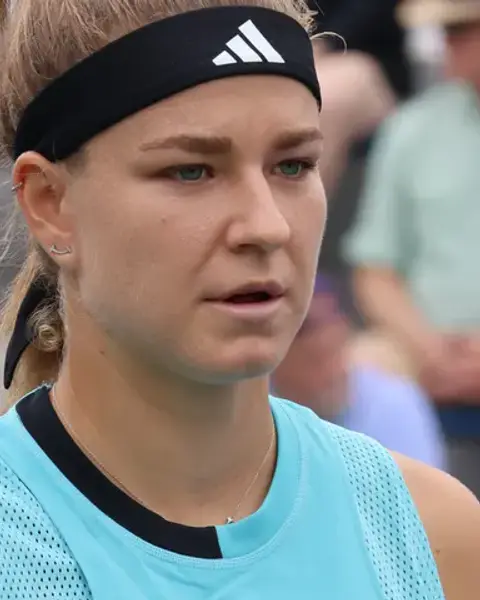
Karolina Muchova won her first ten tiebreaks of 2026, then exited Wuhan the following day without losing a tiebreak. Her 7–5, 6–3 defeat by Diana Shnaider contained none. Ten wins from ten described her success finishing sets that reached 6–6. Getting the next match to that point was another job.
A useful tiebreak record starts with the number played and the date of the count. Then comes the way the points ended after 6–6. Muchova’s two breakers in one comeback, Aryna Sabalenka’s 7–0 sweep and Elena Rybakina’s 7–5 win against the player with the better pre-match record followed different paths. Each adds one win to a column, but leaves a different question for the next match.
Muchova’s two wins came inside the same match
On 14 October, Muchova beat Caty McNally 3–6, 7–6(1), 7–6(4) in Wuhan’s second round. The actual tiebreak scores were 7–1 and 7–4. After losing the opening set, one breaker extended the match and the other finished it. Two wins entered the season’s tiebreak record, while the match record gained one comeback against the same opponent.
Muchova told the WTA that she knew she had been doing well in tiebreaks. She used that knowledge for confidence and tried to play her attacking game from the start. She also described good early shots and serves making the seven-point target feel closer. Those are specific choices to watch. The streak supplied a background of confidence; the points were where she executed her choices.
Against Shnaider the next day, the conditions for using that strength never arrived. Both sets ended before 6–6. Muchova added no defeat to the tiebreak record, but her tournament was over. Evaluating her season therefore requires two layers: finishing a level set and doing the work in ordinary games to reach that situation—or win the set earlier.
| Player | Window | Record and sample | Win rate |
|---|---|---|---|
| Muchova | 2026 through 14 October | 10–0 · 10 played | 100% |
| Sabalenka | Full 2025 season | 22–3 · 25 played | 88% |
| Sabalenka | 2026 through 12 March | 4–0 · 4 played | 100% |
| Osaka | 2026 before Toronto quarterfinal | 6–2 · 8 played | 75% |
| Rybakina | Before that same quarterfinal | 4–6 · 10 played | 40% |
The same 100% label covers four tiebreaks in one row and ten in another. A hypothetical additional defeat illustrates the difference: four from five becomes 80%, while ten from eleven is about 90.9%. These are sample-size calculations, rather than actual subsequent results. A single outcome moves a small record sharply. Likewise, a full season’s 22 from 25 belongs to a different window from an early-season four from four.
The dates do real work. Sabalenka in March and Muchova in October had reached different points in the calendar; Osaka’s and Rybakina’s figures were information available before their meeting. Using the updated record to assess what was known before that match would feed its result back into the prediction. Fix the window first, then ask what the new tiebreak added.
Sabalenka’s 7–0 included four rally errors by Mboko
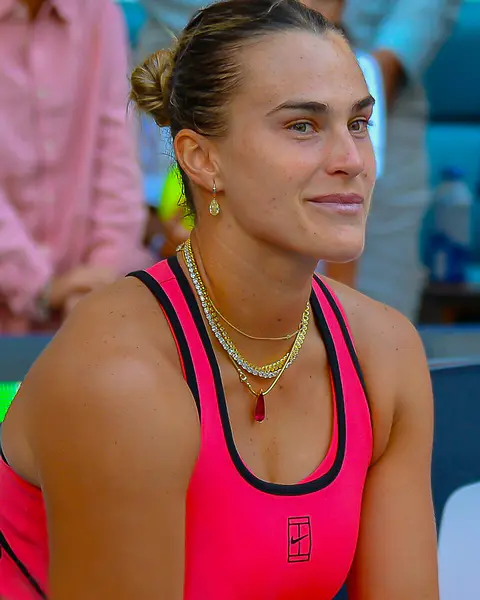
On 12 March, Sabalenka and Victoria Mboko reached 6–6 in the opening set of their Indian Wells quarterfinal. Both had held throughout the first twelve games. The tiebreak then finished 7–0 to Sabalenka. The WTA report identifies four of its seven points as Mboko unforced errors, all groundstrokes into the net.
That contrast separates maintaining a service game from completing the rallies in a short sequence. Mboko had lost no service game in the first set, yet four netted strokes became four lost points in the breaker. Explaining the sweep entirely through Sabalenka’s reputation as a powerful server would miss points that continued after the serve and ended on the opponent’s racquet.
Sabalenka said she treated tiebreaks seriously and concentrated on her attacking game one point at a time, rather than on previous results. Mboko also acknowledged having chances in the opening set and credited Sabalenka’s play on important points. The competitive set and the one-sided tiebreak belong together: they direct attention to what changed in that brief passage, rather than replacing the whole match with its most striking score.
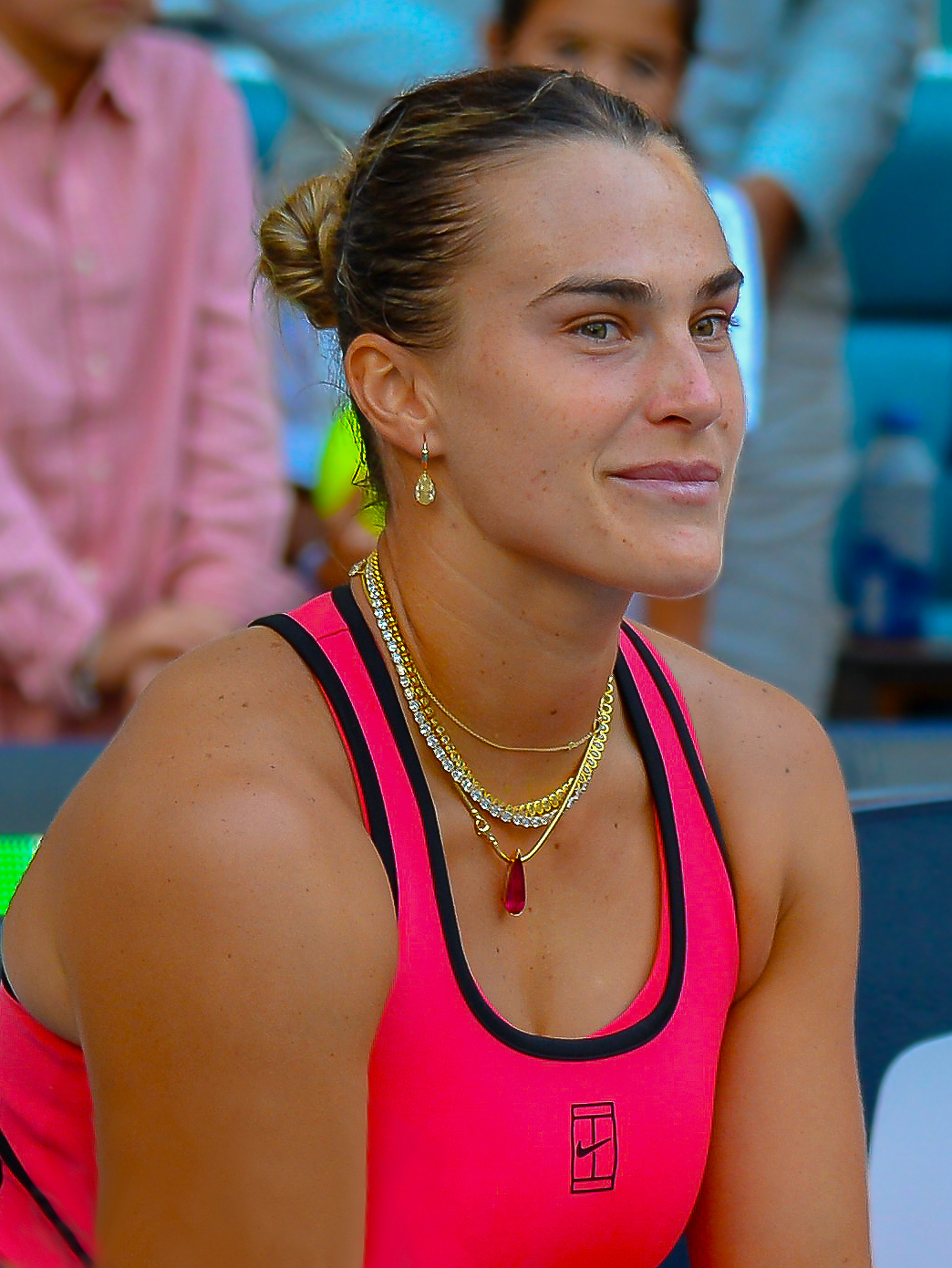
The WTA’s official Sabalenka–Mboko highlights provide an entry point to the match. Connect the final tiebreak score with the service games that preceded it. When a player has competed well through most of a set and then misses in a short sequence, contact positions and shot choices give the next viewing question more substance than a sweeping verdict on her overall ability.
Rybakina arrived with the lower rate and took the last two points
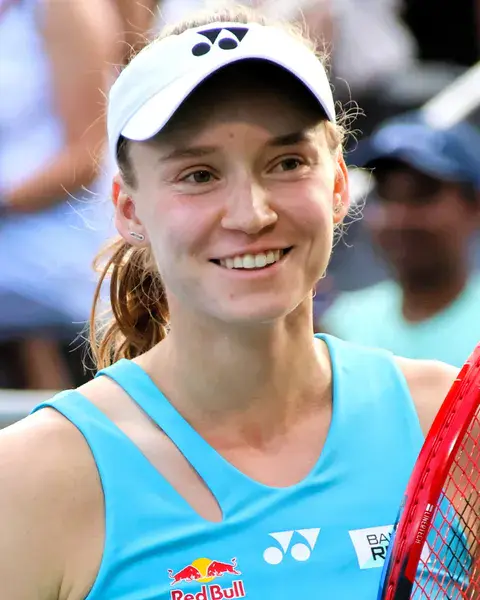
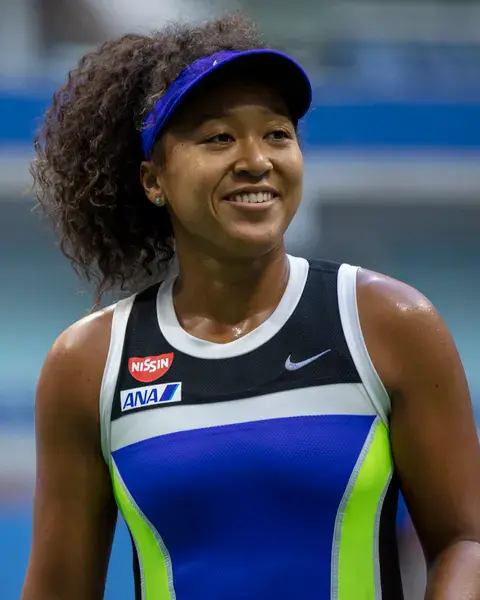
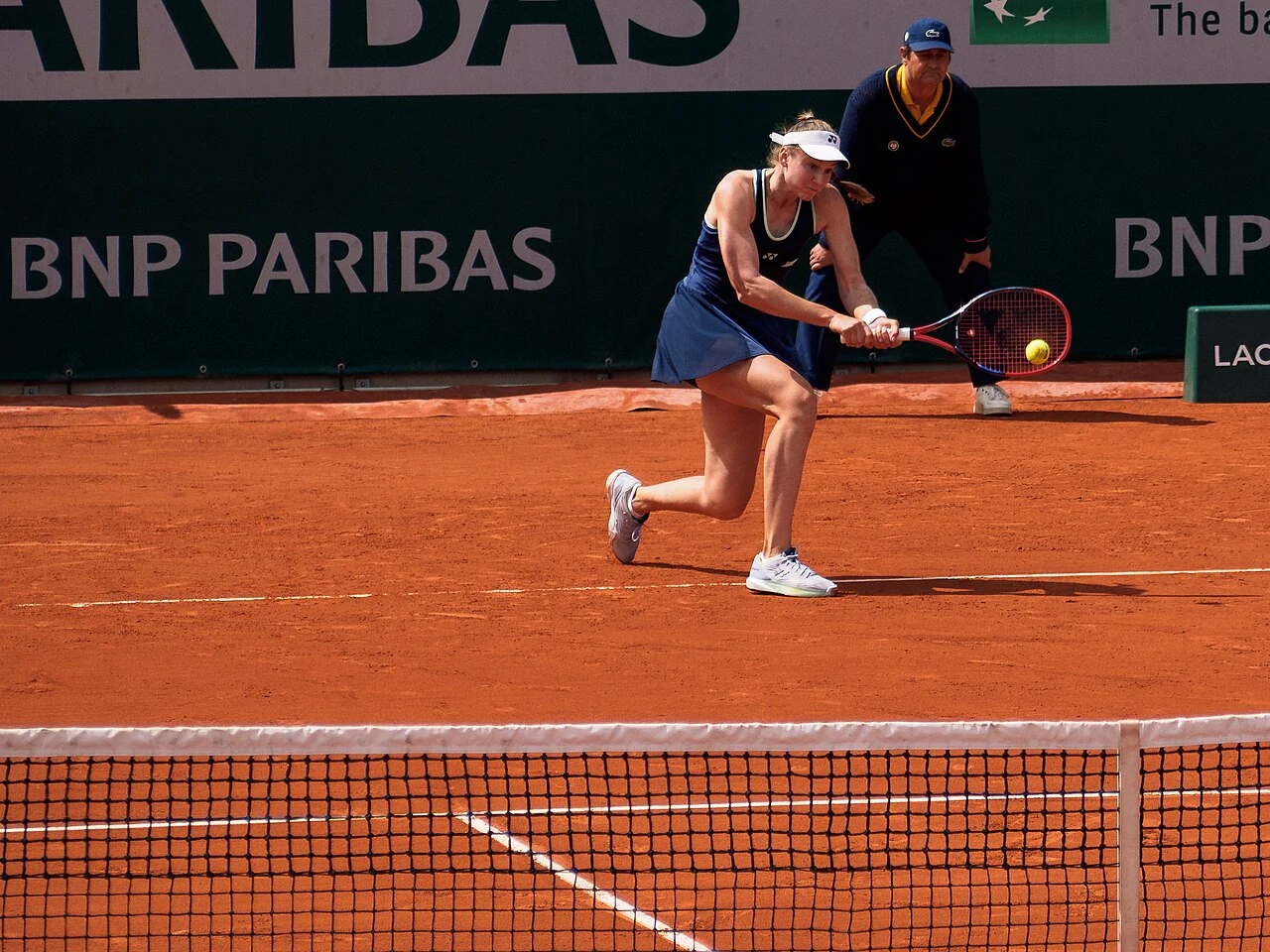
Before their Toronto quarterfinal in August, Naomi Osaka was 6–2 in the season’s tiebreaks and Rybakina was 4–6. When the second set reached a breaker, the historical comparison favoured Osaka. The actual contest turned at 5–5. With Osaka due to serve next, Rybakina won the last two points and finished at the net to take the tiebreak 7–5.
The 75% and 40% figures summarised what had happened before. At 5–5, the next server and the return and rally that followed supplied new information. Rybakina had already recovered from two separate break deficits in the set to reach the breaker. Connecting that pursuit with the last two points gives the outcome a tennis explanation. The player with the lower historical rate winning a particular contest leaves the earlier count intact.
Rybakina described trying to make returns, accepting that Osaka would hit good serves, and protecting her own delivery. That gives a viewer something executable to follow on court. She ultimately won 4–6, 7–6(5), 6–4. The tiebreak extended the match; winning games in another set was still required to complete the victory.
Compare special tiebreak performance with ordinary points
In a 2018 Tennis Abstract study, Jeff Sackmann examined more than 15,000 ATP tiebreaks. He compared each player’s service-point performance inside and outside tiebreaks within the same match. He then randomly divided each player’s tiebreaks into two groups to examine whether stronger relative performance in one group carried into the other. That analysis found no correlation between the groups.
The useful idea is the comparison method. A strong server and returner already brings a good starting level into a tiebreak. Claiming an additional pressure-specific advantage requires evidence that performance above that usual level repeats. Sackmann’s dataset concerned the men’s tour of that period, so it supplies no calibrated forecast for these women in 2026. It does explain why achievement and repeatability are separate questions when reading ten or 25 results.
| Sequence | Established difference | What to follow |
|---|---|---|
| Muchova–McNally: 7–1 and 7–4 | Two tiebreak wins in one match | The attacking shots and serves chosen early |
| Sabalenka–Mboko: 7–0 | Four Mboko groundstrokes into the net | Contact and rally execution after the serve |
| Rybakina–Osaka: 5–5 to 7–5 | Two points from Osaka’s next service turn | The next ball after a return gets into play |
Keep the following matches in the story
Sabalenka’s Indian Wells title run continued beyond the 7–0 sweep. In the final she faced championship point at 5–6 in the deciding tiebreak against Rybakina. A crosscourt backhand winner on Rybakina’s serve kept her alive, and she won the next two points to finish 8–6. Strong tiebreak results in one tournament can contain both a comfortable sweep and a match that reaches the brink of defeat.
After beating Osaka in Toronto, Rybakina recovered against Coco Gauff to win 5–7, 6–2, 6–2, then lost the final to Iga Swiatek 6–2, 6–3. As with Muchova’s next match in Wuhan, a tournament’s direction can change outside the tiebreak column. Retaining those later results keeps one successful close finish in proportion to the entire week.
When the next broadcast shows a tiebreak percentage, read its date and win–loss count, then connect it with the set’s path to 6–6. Once the breaker begins, follow whose serve comes back and who gets the next ball in a useful position. The streak is an invitation to watch. The shots the player actually chooses reveal the strength worth following into the next tiebreak.
Sources and further reading
- WTA / Cole Bambini — Around Wuhan: Muchova’s impressive tiebreak feat; Jovic,Chwalinska set to meet
- WTA / Cole Bambini — Shnaider lauds team for consistency after earning fourth career top10 win in Wuhan
- WTA Staff — Sabalenka tops Mboko for second time in2026 to make Indian Wells semis
- WTA / Noah Poser — Rybakina shows champion’s grit in comeback win over Osaka;reaches Toronto semis
- WTA / Cole Bambini — Sabalenka saves championship point to win Indian Wells thriller over Rybakina
- WTA Staff — By the numbers:Rybakina tops Gauff for fourth three-set win in Toronto
- WTA / Noah Poser — Swiatek wins first title of2026 after sweeping past Rybakina in Toronto
- Tennis Abstract / Jeff Sackmann — The Victims of Tiebreak Pressure
TENNIS TENSION LAB
Check your racquet’s tension today.
Get a high-precision tension reading in under 10 seconds. Tension Lab tracks changes from your first reading and helps you see when to restring.
- High-precision tension measurement. Ready in under 10 seconds.
- Track every change in feel. See the full story over time.
- Time to restring? Never leave it to guesswork.