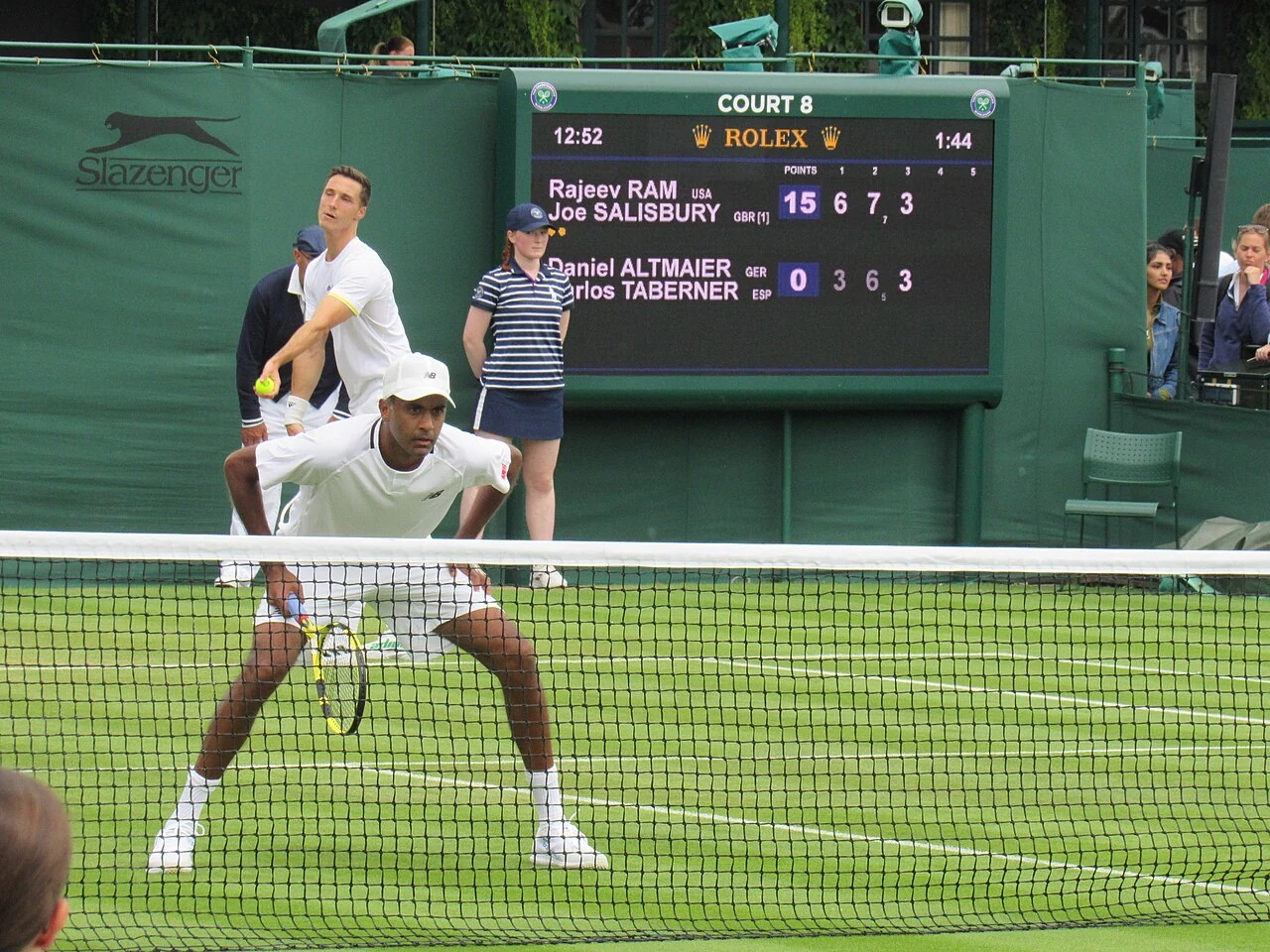
A down-the-line doubles return needs a plan for the opponent’s volley through the middle. USTA’s January 2020 guidance explains that waiting until the volley is struck leaves little reaction time. Anticipate the central space when choosing the line, linking the first return with the next defensive position.
The cross-court starting option works differently. LTA recommends returning diagonally to the server to keep the ball away from the opposing net player. That route offers more court length and the lower middle of the net. Use it to build a stable exchange, then assess the net player’s position before choosing the line.
If the net player intercepts a line return, the reply comes back from a shorter distance. A receiver who stays near the sideline watching the return may be late covering the middle. USTA illustrates the next shot as a possible central backhand and recommends preparing as the direction is chosen. Assign responsibility according to both partners’ starting positions.
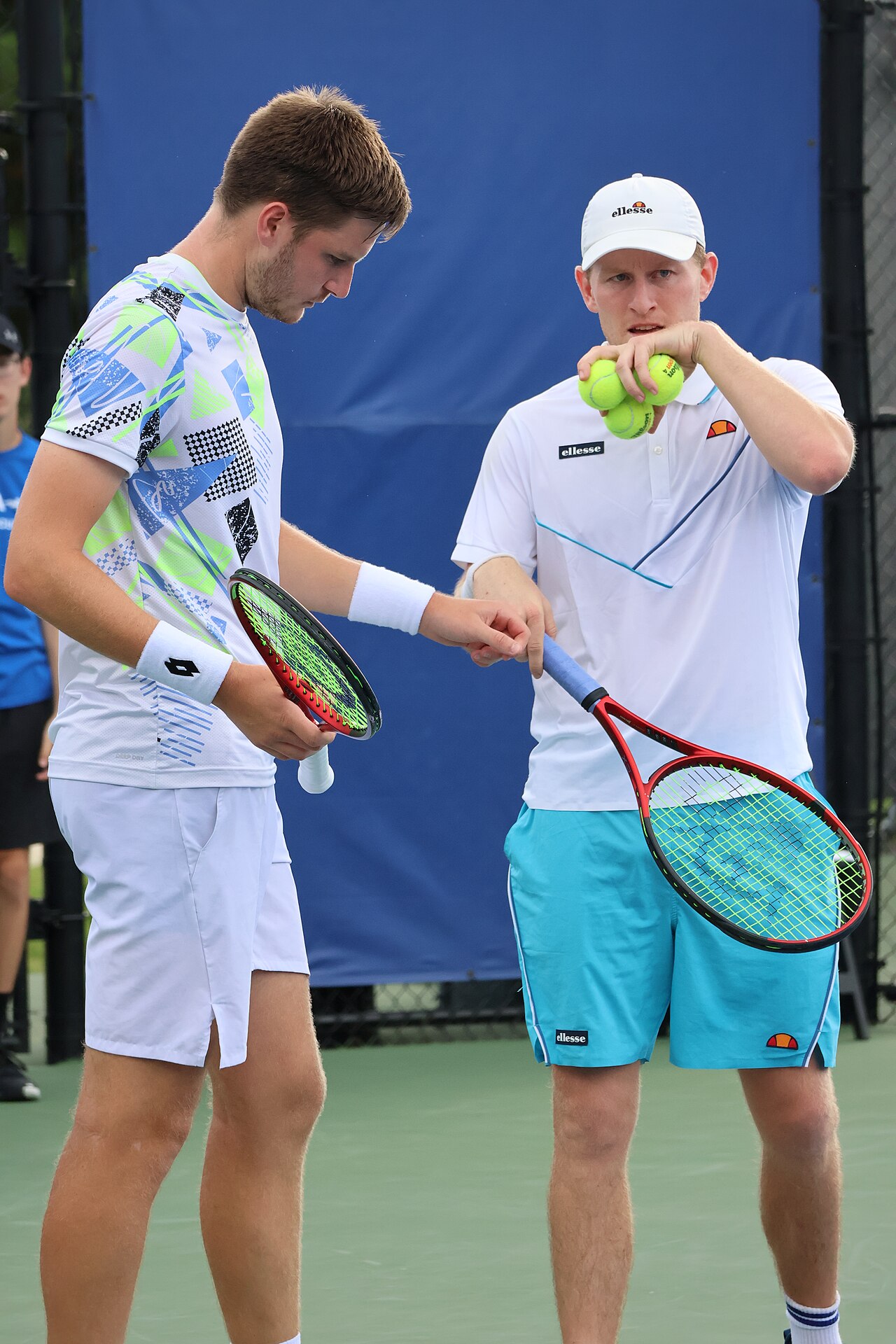
Our drill uses four players in serve-and-return positions. The receiver returns down the line and the opposing net player volleys towards the middle. The receiving pair agrees who covers that ball before starting. Use a controllable pace to learn the pattern, then observe where both partners were when the volley was struck.
Record whether the return landed, whether the next volley was played back, and whether both partners went for the same ball. If the first shot succeeds but the central reply repeatedly ends the rally, adjust recovery before demanding more accurate returns. If both players converge, clarify responsibility and practise an early call.
Once familiar, mix in cross-court returns so the opposing net player faces different choices. The receiver recovers according to the first shot while the partner adjusts the gap. Read the actual opposing contact and be ready before the next strike.
After the point, go beyond whether the line return worked. Identify the height of the opposing volley and who was ready for the middle. Comparing cross-court and line patterns this way helps the pair choose between improving return margin and improving next-ball coverage.