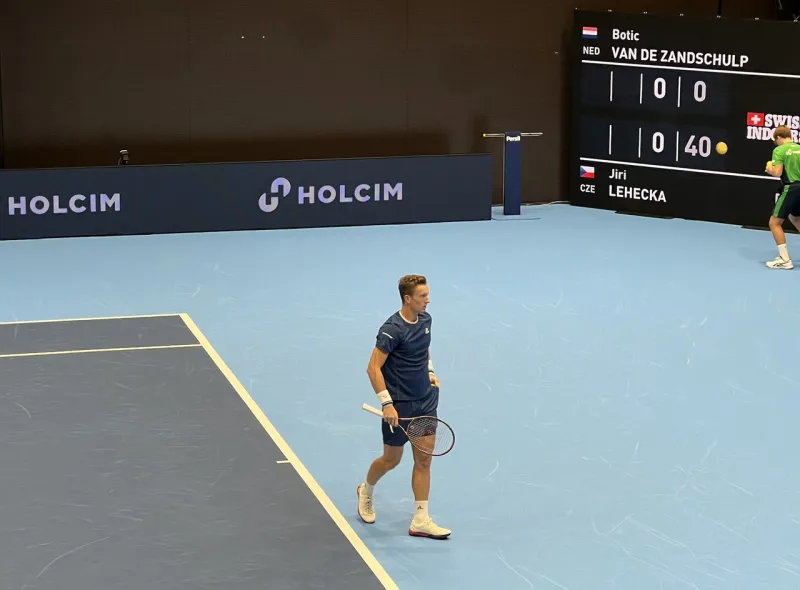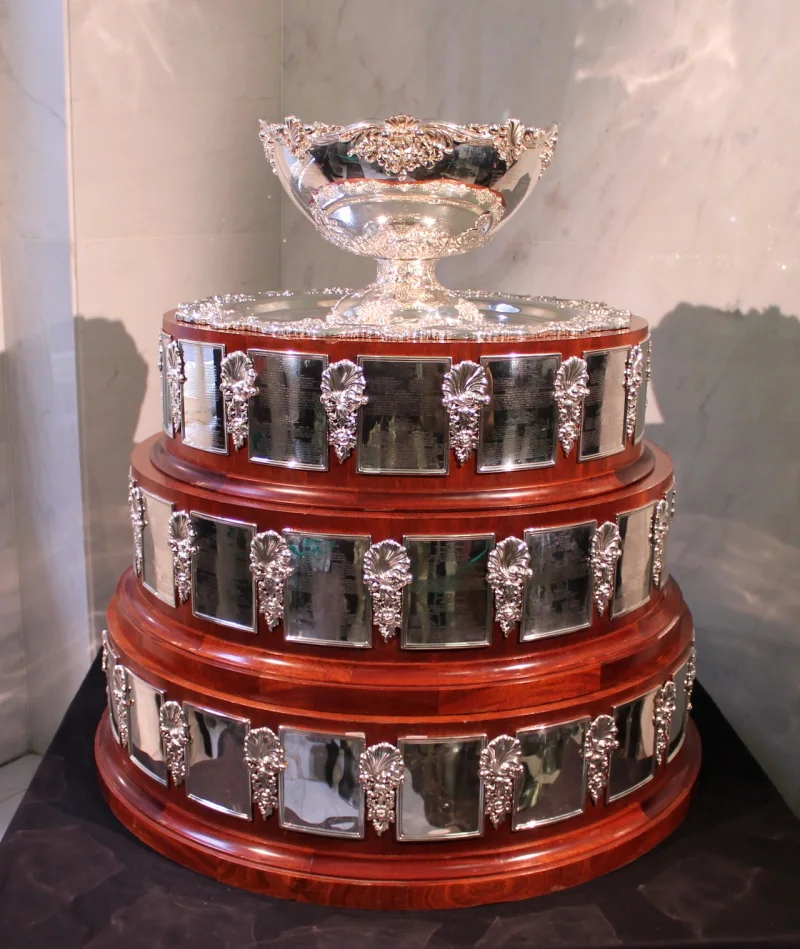
The 2026 Davis Cup Final 8 takes place in Bologna, Italy, on November 24–29. The official format guide describes a Final 8 tie as two singles matches and one doubles match. A 2–1 team result therefore counts matches won by a nation: two of the three contests.
Read the score at separate levels. Points build games and games build sets; an individual match victory adds one win to the national tie score. In a hypothetical example, Nation A wins the first singles match and loses the second, making the tie 1–1. The doubles winner then takes the tie 2–1. This is an illustration of the format, not a result from the forthcoming event.
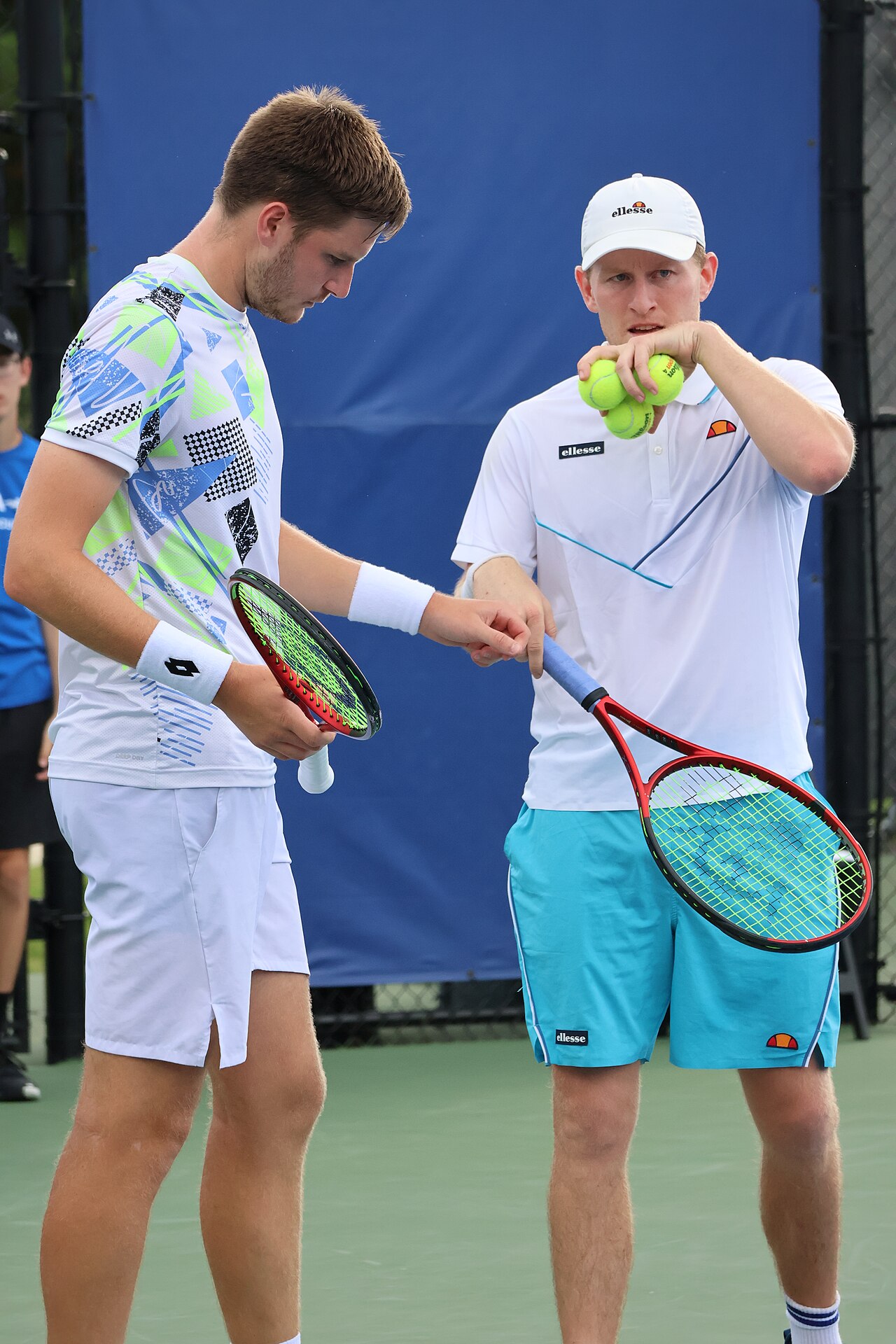
That structure makes team composition a question broader than the leading singles player’s ranking. Each singles match offers one win, and the doubles match requires a partnership. Comparing the two singles selections and the doubles pairing shows where a country can construct the two wins it needs. The captain’s announced line-up is consequently central evidence for a preview.
The official guide places host Italy alongside seven winners from September’s Qualifiers second round. Italy receives a host wild card into the Final 8; 2025 runner-up Spain received a wild card into the second qualifying round. The destination attached to a wild card changes the route still required to reach November.
Home-or-away ties use a different schedule. The guide describes five matches across two days: two singles on day one, then doubles and two singles on day two. At the Final 8, teams gather in one host city and contest three-match ties. Keep the September and November formats attached to their respective stages when interpreting national scores.
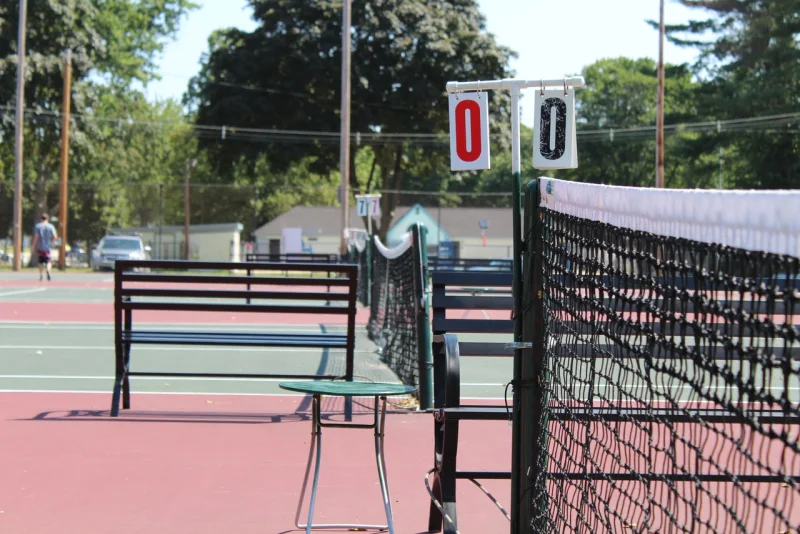
A practical viewing record has separate fields for the national pairing, each singles selection, the doubles team and the tie score. Update the national score after each completed match, with the individual result underneath. A 6–4, 6–4 singles victory can then be connected immediately to a 1–0 national lead. Doubles observations also sit within their contribution to the overall contest.
Start November planning with the November 24–29 event window in Bologna, then use the official schedule and line-ups for the particular countries. The three-match structure provides the framework for understanding each day’s team contest.