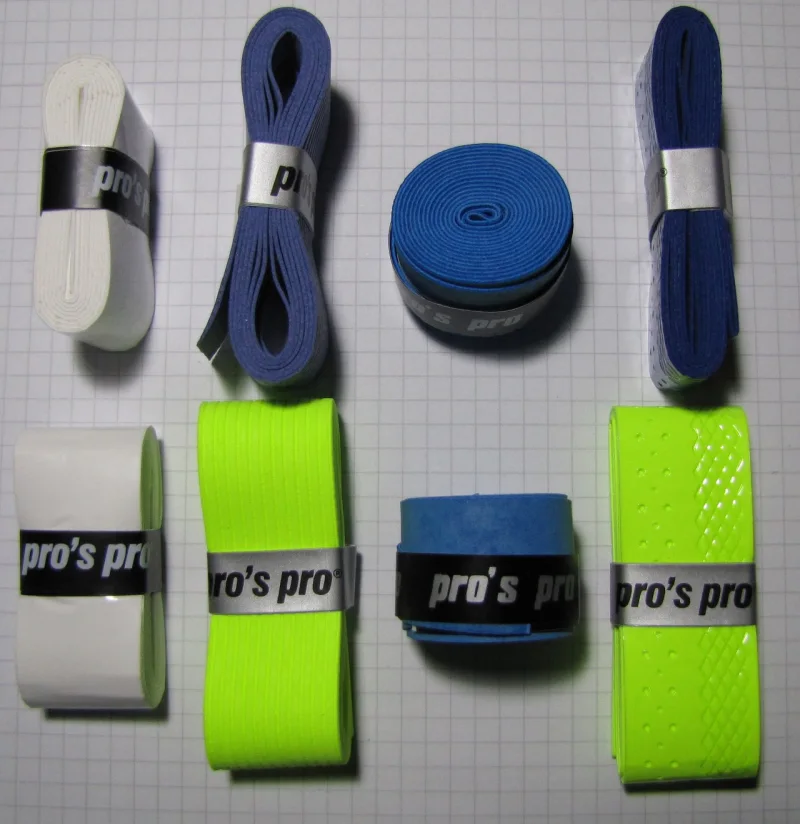
When a handle slips, inspect the overgrip and the base grip separately. Babolat describes an overgrip as an outer layer that protects the original grip, adds absorption and feel, and can increase handle thickness. Wear in the base and wear only at the surface call for different replacements.
Begin with the feel needed when the hand sweats. Babolat’s May 21, 2025 guidance uses absorption, tack and thickness as selection criteria. Compare the initial dry-hand feel with the hold after sustained play.
Adding material changes the size in the hand. Check finger wrap and ease of changing the racket face after adding an overgrip. Our comparison changes one overgrip at a time over the same base, keeping the source of thickness and surface changes identifiable.
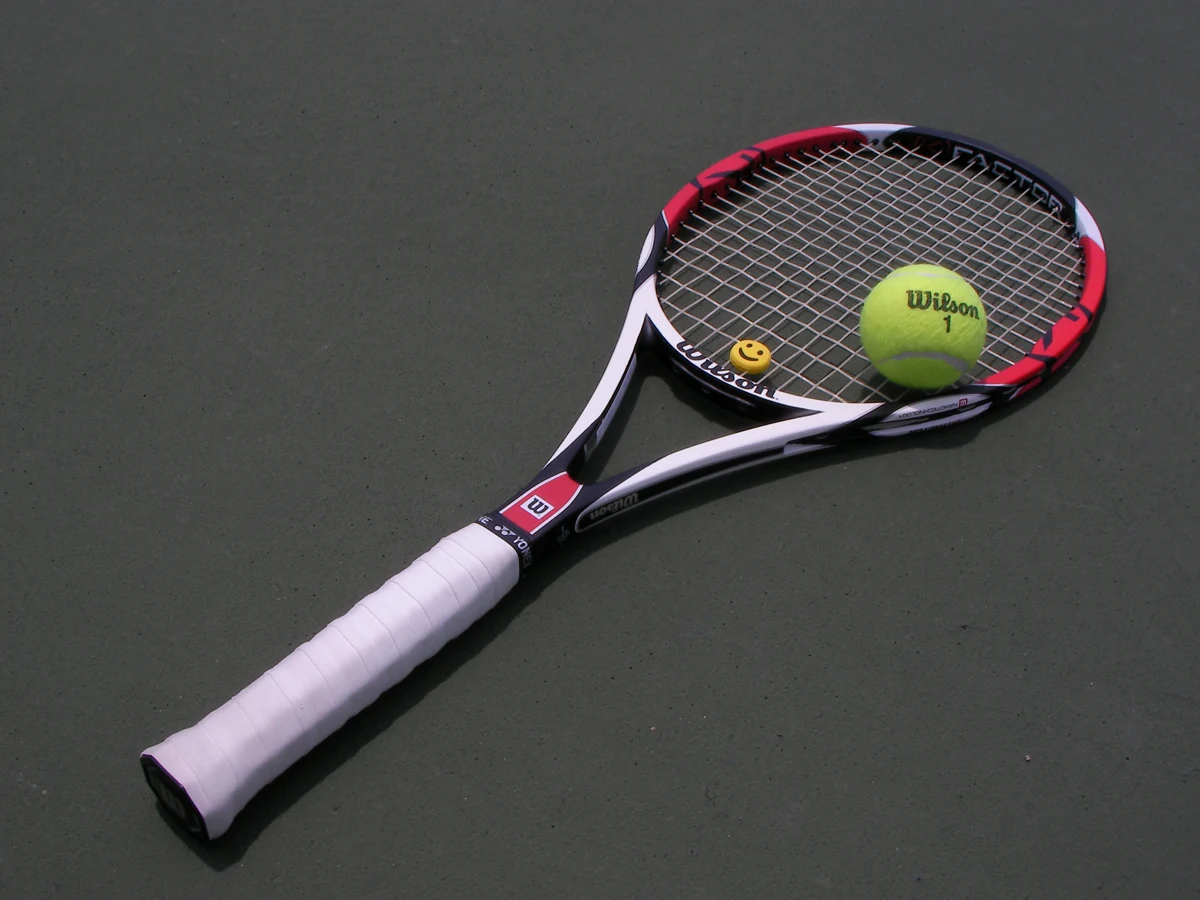
The manufacturer lists lost tack, damp or unstable feel, texture or colour changes and blisters as replacement signs. Record the surface after use and compare a fresh overgrip if slipping repeats. Persistent discomfort with a fresh outer layer calls for inspecting the base and total thickness.
The base grip influences cushioning and the direct sense of the handle. Babolat’s February 2025 guide discusses thicker soft constructions, thinner direct-feeling ones and firm leather options. Crumbling, lost texture or reduced absorption give reasons to consider replacing the base.
Keep grips away from excessive heat, sun and humidity. Clean hands before play and store the racket away from direct sun afterwards. Unused overgrips stay in their original packaging in a cool, dry place.
Record the base and overgrip models, wrapping date, sweating conditions and where slipping occurs. Compare similar playing conditions as seasons or indoor and outdoor use change. Once the thickness and hold work, the same materials and wrapping method become easier to repeat.