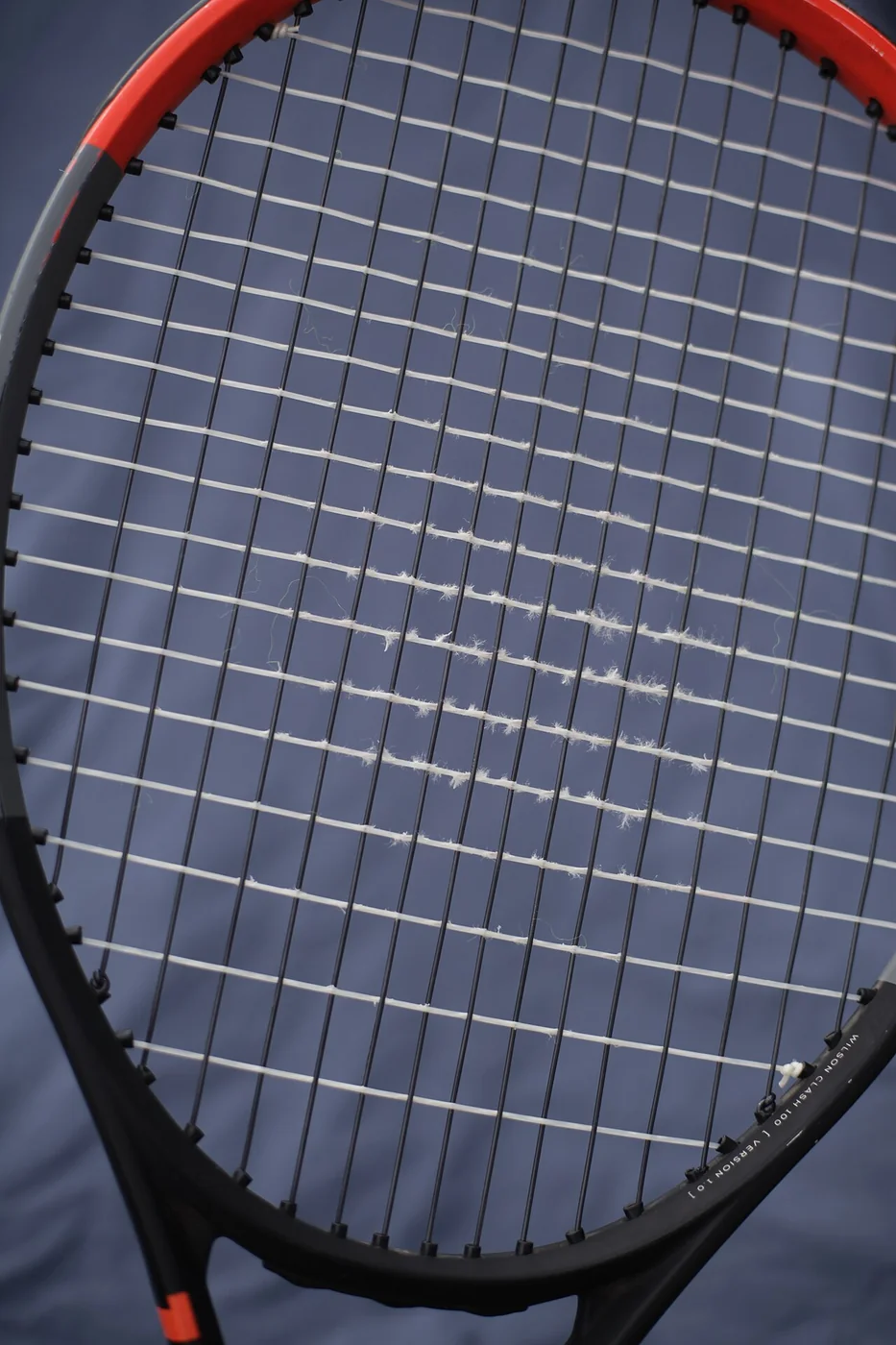
Adrenaline 125: a 1.25 mm gauge and a polymer-led design
Wilson’s official description checked October 19, 2026 mentions liquid crystalline polymer construction and polyether materials, targeting aggressive baseliners.
Compare racket balance, inertia and patterns, and assess shoes for braking and landing. Translate specifications into demo notes on contact, depth and fatigue.
Discuss this →
Wilson’s official description checked October 19, 2026 mentions liquid crystalline polymer construction and polyether materials, targeting aggressive baseliners.
Yonex’s AST03105 listing checked October 19, 2026 specifies 340 mm balance and a 27–28.5–25 mm beam, with shaped grommets intended to support string movement.
Prince Japan’s listings checked October 19, 2026 give both 7TJ273 and 7TJ275 a 16×19 pattern. Their hole systems and replacement part codes differ.
Tennis-Point’s V8 listing specifies a 645 cm² head, 16×19 pattern and 686 mm length, alongside FortyFive and DirectConnect design descriptions.
Wilson Thailand lists balances of 33.5cm unstrung and 34.5cm strung. The light 100UL V9 still has a full 27-inch length.
Völkl specifications checked October 19, 2026 list the 2025 Pro at 330 g / 310 mm and Evo at 310 g / 325 mm. Both have 98-square-inch heads and 16×19 patterns.
Wilson’s regional pages describe two Noir generations. The V3 lists 295 g unstrung, SI3D and a Click-and-Go bumper system.
Dunlop Australia’s tables checked October 19, 2026 list LS at 285 g / 325 mm and FX 500 at 300 g / 320 mm. Both have 100 in² heads and 16×19 patterns.
The official table checked October 19, 2026 lists nylon monofilament and metal film for DYNAWIRE, versus nylon multifilament and FORTIMO for REXIS COMFORT. Both offer 1.25 and 1.30 mm.
Yonex’s US specifications give the Tour 315 g and 320 mm, against 305 g and 315 mm for the standard 98. Both have a 98-square-inch head, 27-inch length and 16×19 pattern.
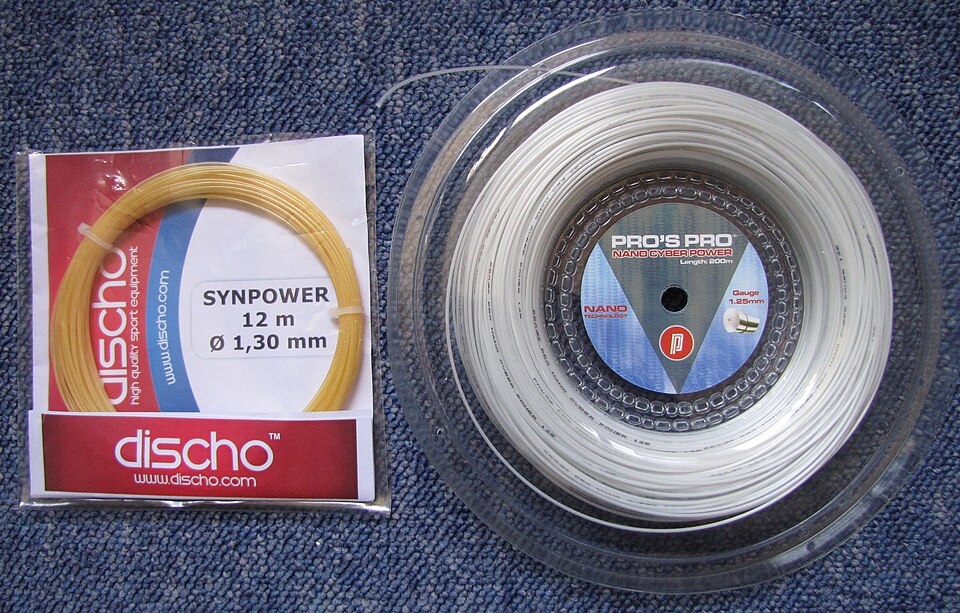
MSV’s description reviewed on October 19, 2026 compares elasticity with the base model. Diameters are 1.20, 1.25 and 1.30mm, in 12m sets or 200m reels.
Grapplesnake specifications checked October 19, 2026 list square Game Changer at 1.20 mm and pentagonal Tour Sniper at 1.25 or 1.30 mm, making profile part of the gauge comparison.
Solinco’s October 19, 2026 listings show four standalone Round gauges from 1.15 to 1.30 mm. The Hyper-G pair offers 1.20 and 1.25 mm with two direction choices.
The 17-gauge listing checked October 19, 2026 specifies 1.25 mm, 12 m and grey. Co-extrusion places elastic inner material within a translucent polymer matrix.
Tecnifibre’s October 19, 2026 description combines a central polyamide monofilament with hundreds of fine filaments, plus HDPU and a surface slip treatment.
Yonex US specifications reviewed on October 19, 2026 list unstrung weights of 280g and 295g. Both models retain a 27-inch length and 16×18 pattern.
Wilson’s specifications checked October 19, 2026 classify NXT Control as a multifilament combining polyester and nylon microfibres with polyurethane.
Tennis Warehouse’s February 2018 and January 2020 reviews document the name and material change. Both tables list a 100-square-inch head and 16×18 pattern.
Two January 2020 Tennis Warehouse reviews describe 14×18 and 18×20 versions with the same 20.5–19.5–16.5 mm beam and different reported launch behaviour.
Yonex’s official table checked October 19, 2026 lists 1.20 and 1.25 mm for both strings. REV also offers 1.30 mm and is described with a silicone-oil infusion process.
Babolat’s specification checked October 19, 2026 lists unstrung weight at 285 g ±7 g and balance at 320 mm ±7 mm. Head size and length complete the comparison.
The official description checked October 19, 2026 lists a monofilament, a 12 m set and four gauges, adding a square profile to the range’s use of PU additives.
Yonex’s US specifications, checked October 19, 2026, list nylon multifilament, 1.25 mm / 16L and model RTGA125. FRF, plasma bonding and FORTIMO address different parts of its construction.
Babolat’s October 19, 2026 pages describe low-density co-polyester for Team and a rough, high-density construction for Rough. Both listed sets are French-made 12 m monofilaments.
Wilson’s official table checked October 19, 2026 lists 16 gauge at 1.34 mm. The Thai official listing gives the red 17-gauge set as 1.28 mm and 12.2 m.
Diadem compares feel and tension retention with Solstice Power. Reel specifications reviewed on October 19, 2026 list five diameters from 1.15 to 1.35mm.
HEAD Ireland lists 300 g unstrung, a 16×19 pattern and a 23 mm beam. Its design description pairs Hy-Bor with perceived stability and Auxetic 2.0 with ball feel.
Tennis Warehouse’s August 2007 review compared String Port and String Hole inserts. On a used frame, the installed and included replacement parts are worth checking first.
The 2025 T-FIGHT 270 pairs 645 cm² with 16×19. The 300S, 305S and 315S use 630 cm², making the S suffix relevant when comparing models.
Official specifications checked October 19, 2026 differ in both profile and gauge. Toroline describes A5 Spin as using the same co-poly formulation with a shaped profile.
Toroline’s listing checked October 19, 2026 describes a collaboration with Julian Cash. The mini reel is listed in Benjamin Green at 330 ft.
Völkl’s listing checked October 19, 2026 gives V12702 a 305 g unstrung weight, with Vario Beam, Big Grommets and Dual Dampening Grip.
Solinco’s configuration checked October 19, 2026 pairs polyester monofilament Tour Bite with polyamide multifilament Vanquish. Standalone Vanquish has three gauge options.
Völkl’s specifications checked October 19, 2026 list 18×20 and 315 mm for V8 Pro 2025, versus 16×19 and 325 mm for Vöstra V1 Pro. Both are 68.5 cm long.
Toroline’s official pairing, checked October 19, 2026, uses neon-green WASABI mains and neon-blue WASABI X crosses: matching material and gauge, different profiles and assigned directions.
Yonex specifications checked October 19, 2026 list AC102 at 25 × 1,200 × 0.6 mm and AC149-3 at 27 × 1,100 × 0.45 mm: Dry is thinner and wider, but 100 mm shorter.
Solinco’s listings checked October 19, 2026 give both the 16×19 and 18×20 versions a 98-square-inch head and 21.7 mm beam. The length stays constant while pattern changes.
The Australian specifications checked October 19, 2026 list 16 at 1.30 mm and 17 at 1.25 mm. Both descriptions identify natural serosa fibres and a protective coating.
Babolat’s specifications checked October 19, 2026 list 100% polyamide across all three components. Xplore is a 12 m multifilament made in France.
Toroline lists a hexagonal original and a pentagonal SPIN model. The change in name is accompanied by a different profile.
Toroline lists three versions of its six-sided co-polyester. Its FAQ also separates the diameters in the manufacturer’s relative stiffness ordering.
The current Tennis Warehouse sheet lists 323 g strung, a 22 mm beam and swingweight 330 alongside the extended frame.
The retailer lists a 110 in² head, 278 g strung weight and a 16×19 pattern. Its frame is 0.4 inches longer than the standard 27-inch reference.
Volkl describes a smooth-finish co-polymer; Tennis Warehouse identifies the 19-gauge version as 1.10 mm. Diameter and material answer different selection questions.
Babolat lists RA64 without Air Handle Touch and RA60 with it, alongside 275 g unstrung, 660 cm² and 16×19.
Solinco describes six years of development. The current official gauge options are 1.15, 1.20, 1.25 and 1.30 mm.
Wilson lists 4G Soft 125 as 17 gauge/1.25 mm; Solinco’s 17-gauge Mach-10 is 1.20 mm.
Grapplesnake lists an olive-green octagonal profile and describes soft edges and a slippery surface in its stringing guidance.
Tennis Warehouse lists the 2026 model at 278 g strung, 34.49 cm balance and swingweight 332—three distinct fields for the purchase comparison.
Wilson lists 100 in² for X and 97 in² for the 97 Classic. Mass, balance, length and pattern match; grommet codes differ.
Plasma Pure, Poly Megaforce and Twister are all listed as co-polyesters. Compare their actual diameter options with the colour and shape descriptions.
Yonex US lists model 08VC95 at 95 in², 27 inches and 310 g unstrung; the retailer’s 2026 listing gives 326 g strung.
Babolat compares it with the previous AddiXion and identifies a 1.30 mm test gauge. Read that claim alongside its polyamide multifilament construction.
Yonex US pairs a 120-square-inch head with 255 g unstrung, a 16×17 pattern and a 27-inch length. Head area and extra reach are separate choices.
Babolat’s US page separates the supplied condition from the specification basis: 260 g ±7 g and 345 mm ±7 mm, both unstrung, checked October 18, 2026.
Dunlop US lists unstrung balances of 315 and 330 mm. Head size, length and pattern match, while beam geometry also differs.
Wilson Japan lists the 98J 18 g lighter than the 98, with balance 5 mm farther from the butt. Head size, length, pattern, beam and listed grommet code match.
Wilson Japan lists WR8454401001 for the 100 V10 and WR8454301001 for the 100 Pro V10. Match model, generation, pattern and part number before ordering.
Dunlop’s 290 g unstrung frame uses 27-inch length and 16×19. Comparing it with FIRE 260 OS separates head area, beam width and mass into useful choices.
FIRE 305S uses 16×19; T-FIGHT 305S uses 18×19. Compare their pattern and construction while keeping the demo’s string setup visible.
Yonex pairs a 295 g unstrung frame and standard 27-inch length with sixteen mains and eighteen crosses. Check the model-specific instructions and the actual layout before transferring a setup.
Tennis Warehouse describes a solid core surrounded by heat-resistant polyamide fibres. Separate material, construction and diameter, then record useful playing time.
USTA’s comparison links leather to firmer feedback and clearer bevels, with changes to cushioning and weight. Keep the overgrip comparable and record the complete setup.
Yonex Japan lists the 08VC98L at 285 g, 27 inches and 98 in². It keeps the 305 g 08VC98’s length while changing balance and offered grip sizes.
Read 310 g/315 mm and 295 g/325 mm against the midpoint of a 27-inch frame. Both are head light, with different centres of mass.
Check toe space, forefoot width and heel hold before treating discomfort as a break-in issue. Use your playing socks and lateral movement.
The Yonex Japan specification captured October 18, 2026 lists 330 mm average balance, a constant 23 mm beam and GS-03VP3 replacement grommets.
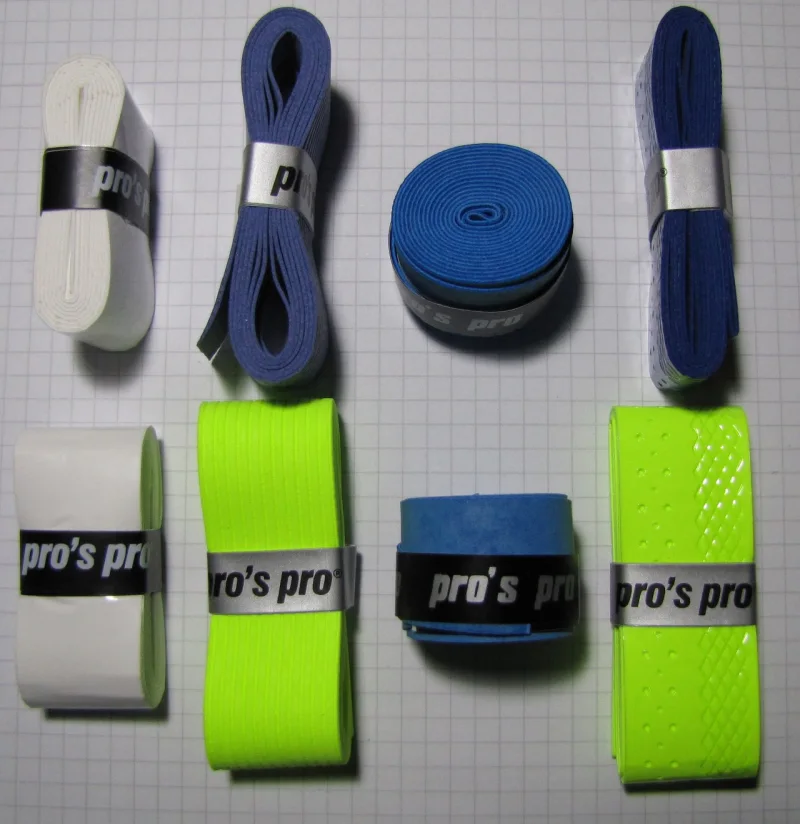
An overgrip is the outer layer; a replacement grip forms the base. Use slipping, moisture, surface wear and thickness to decide which layer needs attention.
Court labels describe felt and wear priorities. Manage temperature and moisture after opening, and separate fresh and used balls by practice purpose.
A model name can cover hard- and clay-court versions. Check the outsole designation, tread and lateral support against the surface you actually play on.
An eight-player study matched racket mass, balance and swingweight while changing resistance to twisting. Joint demands varied across serve phases.
A dampener changes string vibration and impact sound. Check the placement and security of button and worm designs, then compare sound and feel on the same racquet.
Polyester’s firm, low-powered response can suit fast swings. Players who rarely break strings should compare feel, tension maintenance and replacement demands first.
Mass, balance and swingweight describe different parts of handling. Compare candidate racquets through quick returns and sustained rallies.
Choose between lighter flexible construction and more substantial support according to your movement. Compare starts, stops and cuts under matched conditions.
Choose material and construction, then compare diameter in millimetres. A decision guide for synthetic gut, multifilament, natural gut and polyester.
16×19 means 16 mains and 19 crosses. Compare launch, depth and string movement when pattern density changes within a similar head size.
Measure both feet and fit the larger one. Use playing socks, then check toes, heel hold and lateral movement beyond the size label.
Inspect cushioning, stretched uppers and lateral hold as well as outsole holes. Connect forefoot, toe and medial-upper wear with movement on court.
Wilson’s August 2026 account dates Federer’s request to April 2022. RF 01 Pro specifications list 320 g unstrung and a 98-square-inch head.
Mizuno lists the same 325 mm balance and 16×19 pattern for both. Separate weight choice, regional grip options and the actual demo setup.
Yonex announced the α category in December 2025. Current 08VCAP specifications list a 27-inch length, grips 0–3 and a 24.5–26.5–23 mm beam profile.
The 2022 edition used black-on-black; the 2025 design combines MAX 200G-inspired gold branding with red. Announcement dates help identify the edition.
The 2025 Japanese announcement paired a modern RF interpretation with a reissue. Current UK specifications list their unstrung weights at 320 and 340 g.
Babolat’s 2023 announcement gives both Pure Aero Rafa models a 330 mm balance, making the Origin suffix a meaningful distinction.
The August 18, 2020 announcement covered 98, 100 and 100L. All were 27 inches; grip choices were G2/G3 for 98 and G1/G2 for 100 and 100L.
Yonex’s period page lists both models at 27 inches and 16×19, with 22–22–21 mm and 24–25–22 mm beam profiles and an Aero Trench around the upper grommets.
Two 2018 reviews of the Graphene Touch Tour list a 99-square-inch head and 21.5 mm beam. A common playtest question was whether the player could generate enough depth.
The November 2016 Japanese announcement grouped six models with different constructions. The 16/19 and 18/20 were scheduled for December 5; the VS pair for January 2017.
Yonex’s January 2016 announcement introduces the 97 and 100 models, describing ribs, thicker barrel walls and Tough G Fiber in the upper shaft.
A nine-player forehand experiment found more vibration at higher ball speeds. Damping time also depended on the measurement direction.

Two Blades share a listed 632 cm² head and 305 g weight. Read their specifications and string-spacing mechanisms, then compare rally, attack and defensive tasks.
7 min read
Studies from 1999 and 2004, each with twenty participants, examined string vibration, frame vibration and discomfort. Compare sound and retention, then remove the accessory before measuring tension.
5 min read
Read the listed 5 mm balance difference and beam profiles, then compare both rackets on returns, defensive shots and later-session rallies.
7 min read
In a 2016 TWU pilot, traction force and its coefficient changed differently with loading. Connect translational and rotational measurements with practical footwear notes.
6 min read
Tacky feel and sweat handling are different things. Choose an overgrip by its behaviour during a match, and stop judging it with a dry hand alone.
5 min readCompare pattern, section and central spacing in two models sharing 305 g and 630 cm², then define a choice through returns, volleys and attacking balls.
6 min read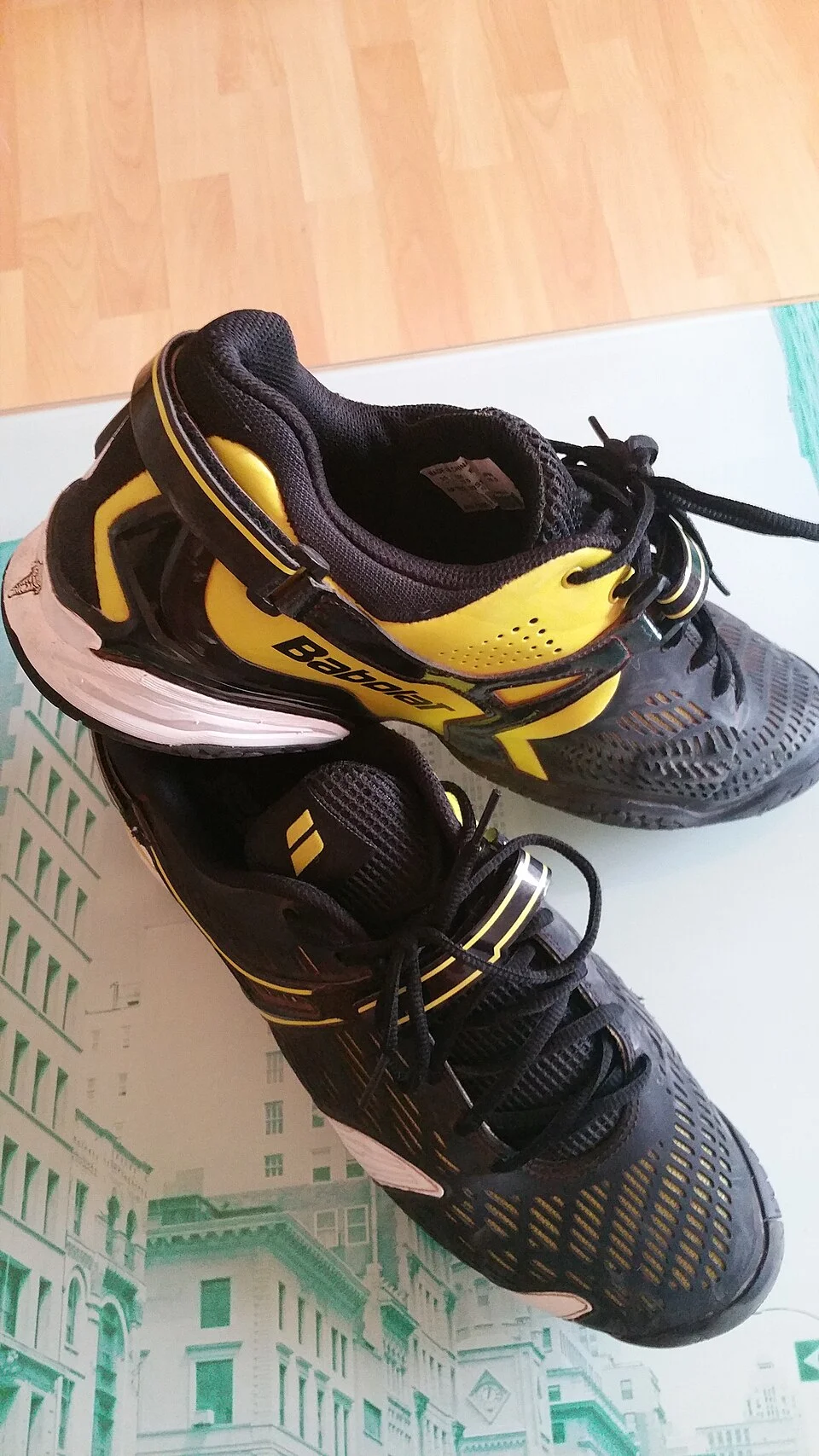
A soft heel can win the shop-floor audition while telling you little about a wide forehand. What a 16-shoe laboratory study reveals about cushioning, forefoot loading and stability.
8 min readIdentical listed weight does not mean identical swingweight. Read mass, balance and rotational resistance together before choosing a new frame or matching a second racquet.
8 min read