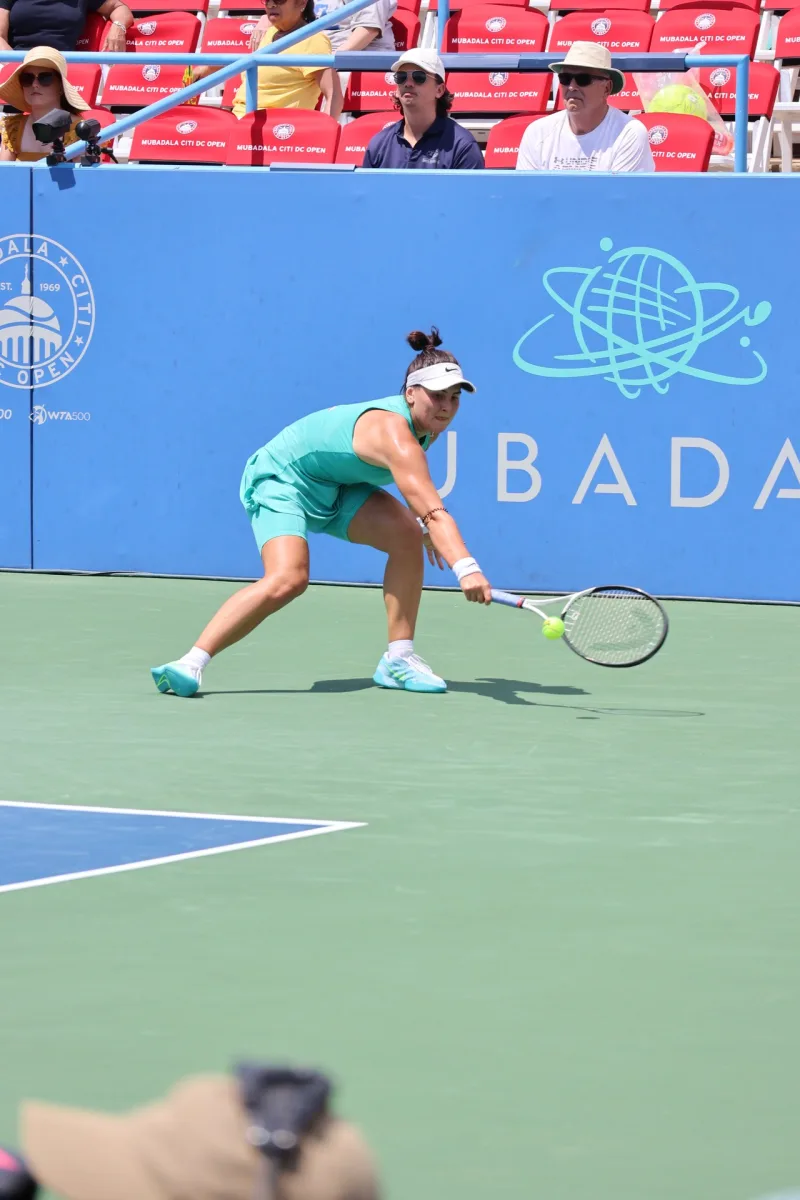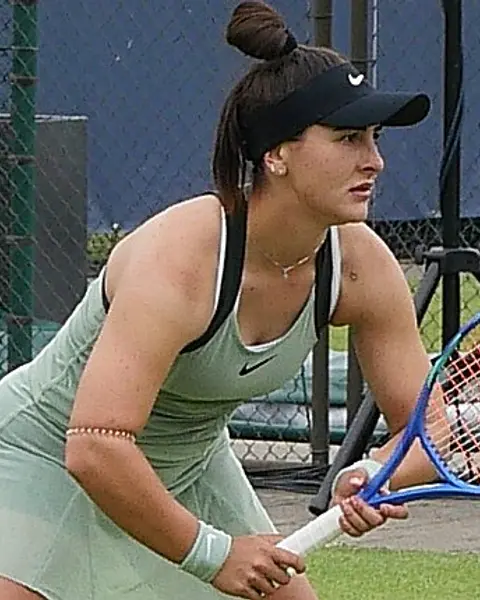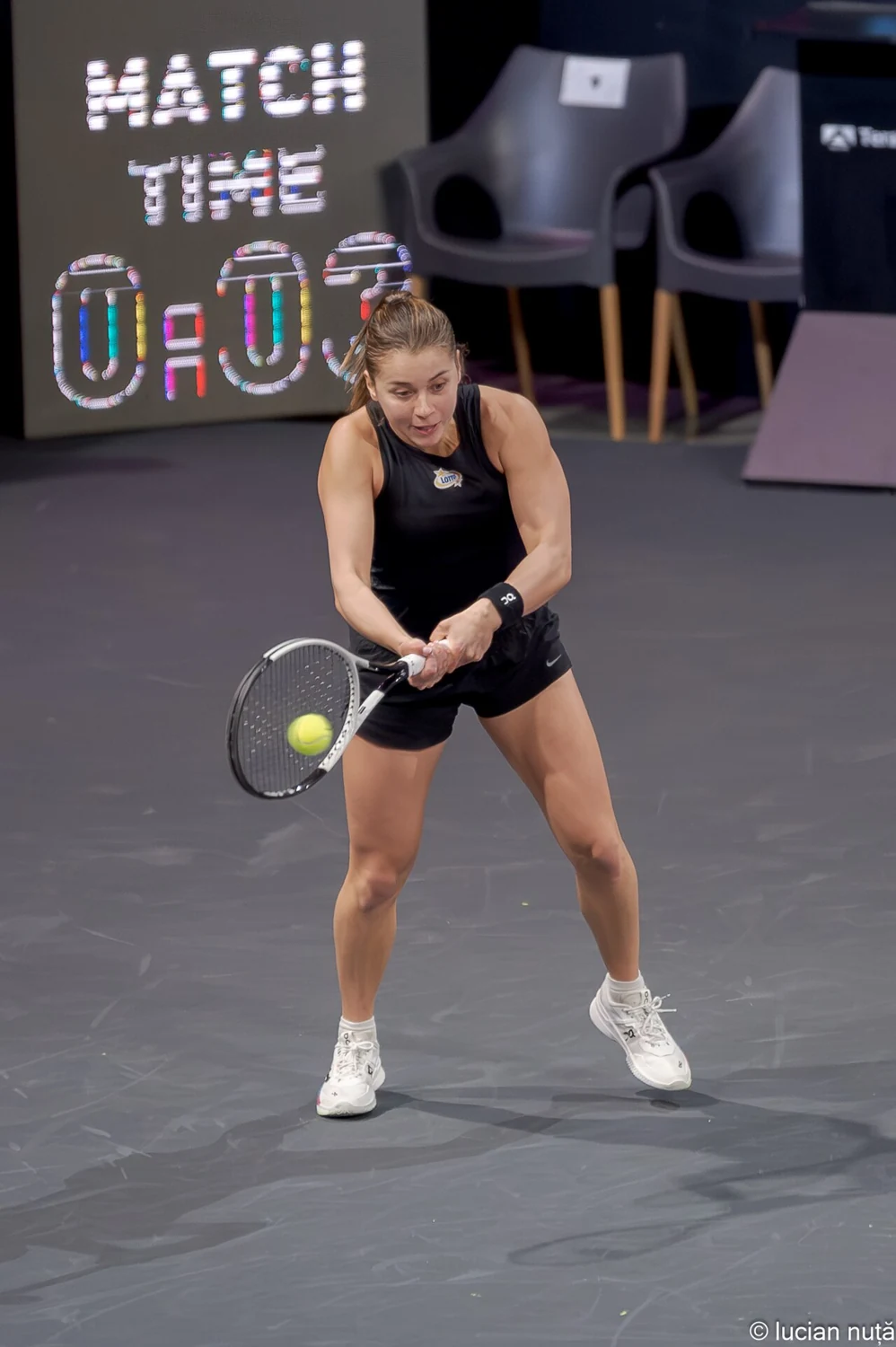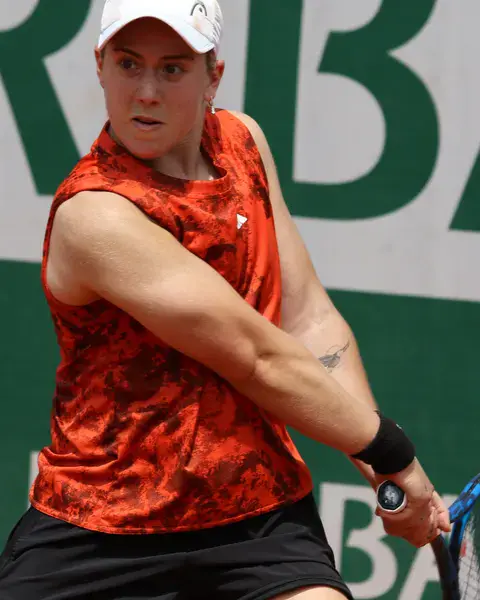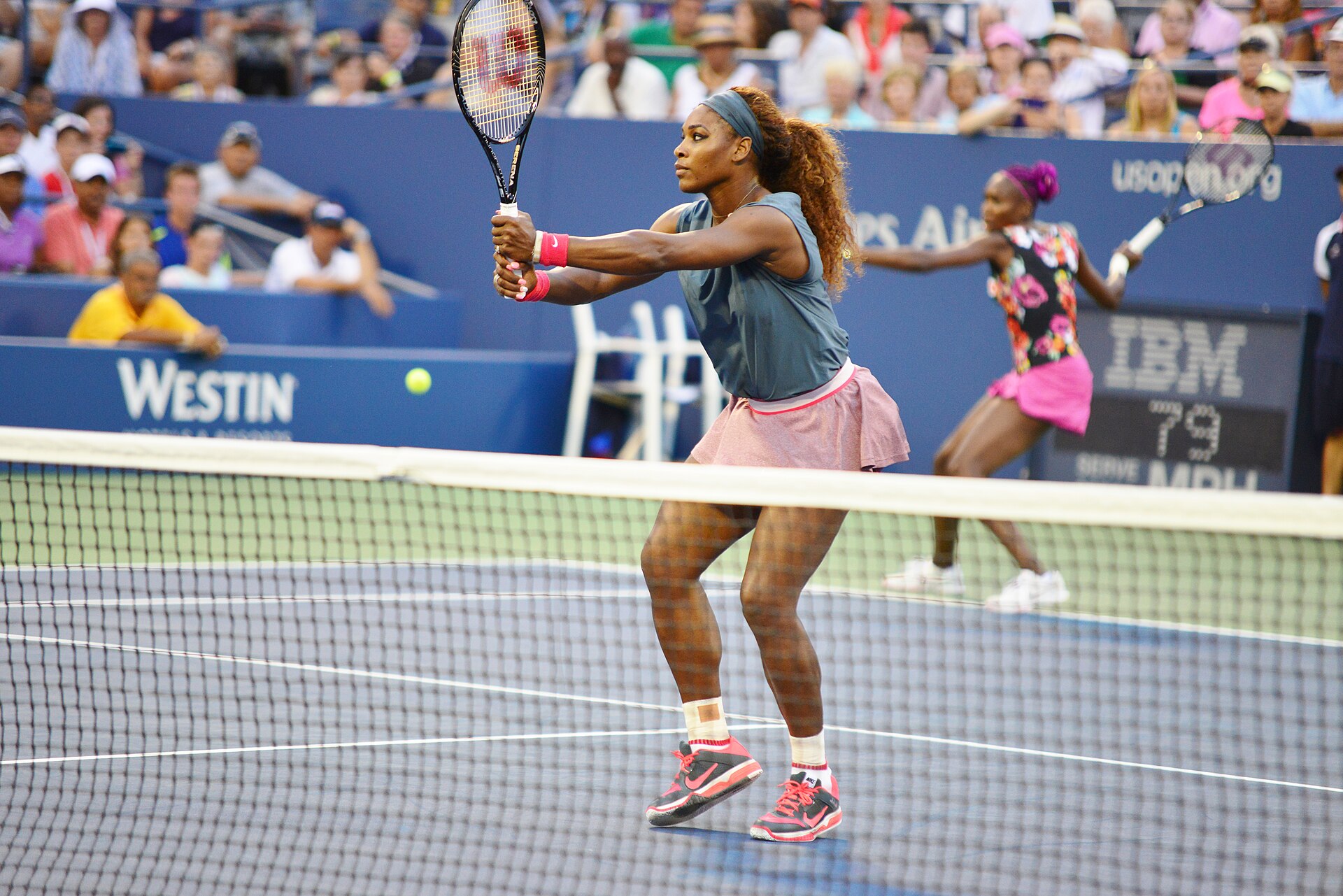
The receiver’s partner starts near the service line and moves according to the return. LTA gives three reference positions: nearer the net when attacking, the middle of the service box in a neutral situation, and towards the service line when defending. The return’s destination and height help determine which applies.
First read whether the return will be intercepted by the opposing net player or pass through to the baseline player. A short, floating ball gives the volleyer an attacking contact and calls for room to defend. When the opponent must lift a low ball, look for an opportunity to advance. Follow the ball from its net crossing to the opponent’s contact.
Adjust the sideways gap as well. LTA advises one partner to cover the middle when the other is pulled wide. If the receiver follows a wide serve and the partner stays near the opposite sideline, the pair opens a central gap. Identify who is ready there before the next opposing shot.
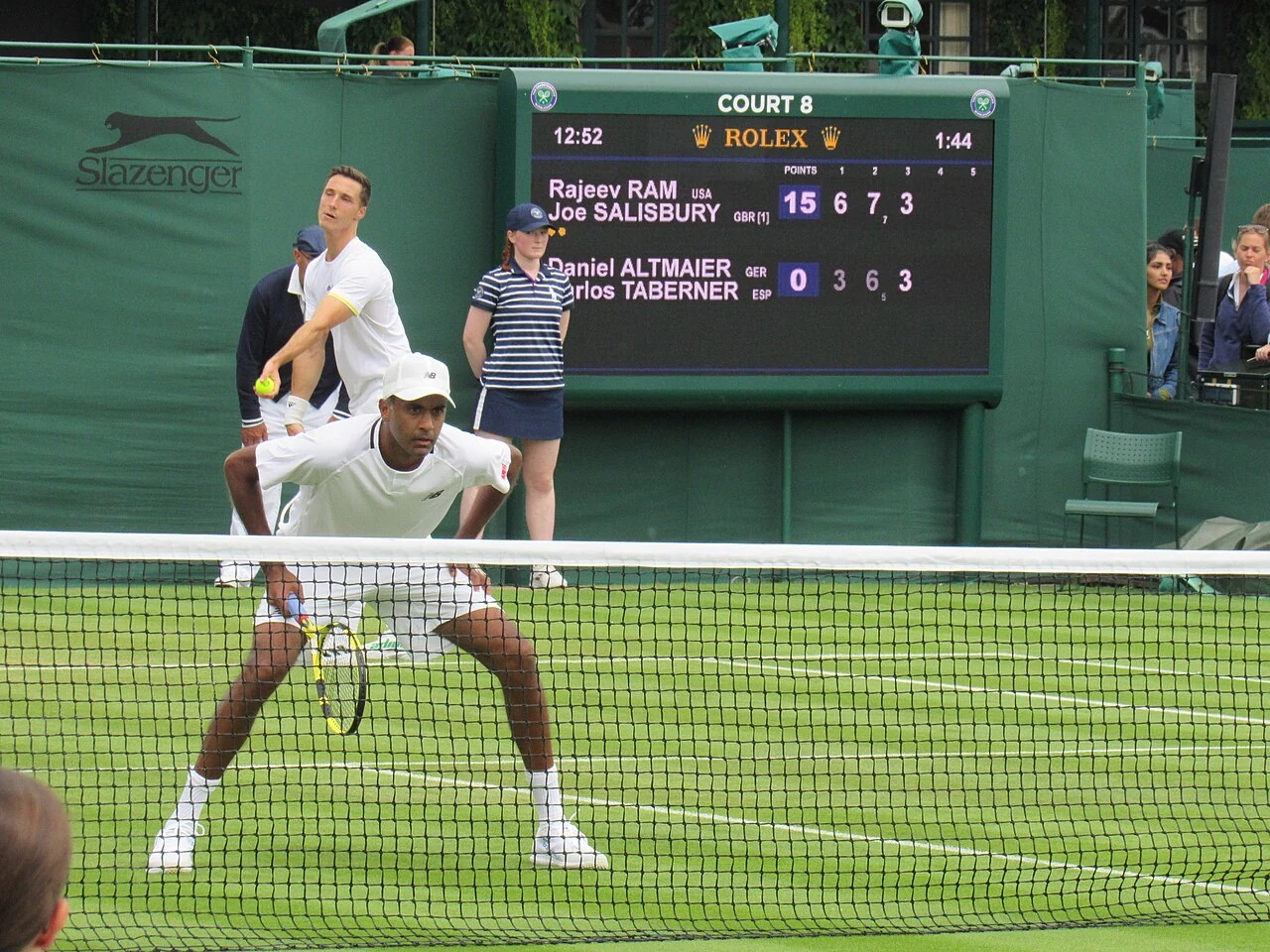
Our practice suggestion compares two returns from the same starting position. On the deuce side, use controlled serves and first play a low cross-court return, then practise the response to a short floating return. The partner chooses to advance, hold or retreat from the ball’s height and the opponent’s contact. A manageable pace leaves time to observe the decision.
Record the return’s quality, the opponent’s next contact and the partner’s ready position together. If the return floated in front of the volleyer while the partner kept advancing, focus the next attempt on being prepared for an attack. If a low return drew an upward reply but the partner remained deep, note the missed opportunity to move forward.
End the between-point conversation with an observable action: cover the middle when the receiver is stretched, or settle before the opponent strikes. Switch receiver and partner roles during the drill so both players experience the space needed while recovering from a wide serve.
Repeat on the ad side, then mix return directions. The task is to select the next ready position from the ball, rather than automatically charge from a memorised starting point. Review both outcome and position to explain which returns created attack opportunities and which required defensive space.