Making sense of tennis data
Compare rates with attempt counts and streaks with dates and event scope. Choose serve, return, rally or research measures that answer the question at hand.
Certains articles sont proposés dans leur langue originale, indiquée sur chaque lien. 한국어 · English · 繁體中文
En discuter →
Publication and correction timeline
Source publication, publication on this site, updates and corrections for articles linked to this topic. These are not the times when matches or real-world events happened. Titles and links point to current article editions, not reconstructed historical drafts.
Shanghai completes Ruud’s quarterfinal set across all nine Masters events
The date this site published the article, separate from the date of a match, study or event it discusses.
Sources linked to this article · 1
Shanghai completes Ruud’s quarterfinal set across all nine Masters events
Updated Korean names and terminology, wording or event context where applicable.
Sources linked to this article · 1
Low-compression balls: better forehands today and learning over eight weeks
Added sample sizes, testing conditions, results and a practical progression record.
Same serve speed, different joint demands: the role of mass distribution
Added matched racket properties, serve selection, phase-specific results and demo criteria.
Shelbayh wins 28 of 37 first-serve points to defeat Boyer
The date this site published the article, separate from the date of a match, study or event it discusses.
Sources linked to this article · 1
Shelbayh wins 28 of 37 first-serve points to defeat Boyer
Updated Korean names and terminology, wording or event context where applicable.
Sources linked to this article · 1
Fery, Basavareddy, Boyer and Basing: Stanford’s September Top 300 quartet
The date this site published the article, separate from the date of a match, study or event it discusses.
Sources linked to this article · 1
Fery, Basavareddy, Boyer and Basing: Stanford’s September Top 300 quartet
Updated Korean names and terminology, wording or event context where applicable.
Sources linked to this article · 1
Reading the 2026 US Open doubles draw: two names, one team
Added the 64-team structure, team seeds, nationalities and score-reading examples.
Sources linked to this article · 3
Reading the 2026 US Open doubles draw: two names, one team
Updated Korean names and terminology, wording or event context where applicable.
Sources linked to this article · 3
Reading the 2026 US Open singles draw: from 128 players to the final
Added round counts, an actual feeder branch and a practical reading sequence.
Sources linked to this article · 3
Reading the 2026 US Open singles draw: from 128 players to the final
Updated Korean names and terminology, wording or event context where applicable.
Sources linked to this article · 3
Two breaks each: Vacherot wins the tiebreak and the Tokyo comeback
The date this site published the article, separate from the date of a match, study or event it discusses.
Sources linked to this article · 1
Two breaks each: Vacherot wins the tiebreak and the Tokyo comeback
Updated Korean names and terminology, wording or event context where applicable.
Sources linked to this article · 1
Reading WTA match notes: align the match date and the record
Added dated tournament material, concrete total and consecutive No. 1 examples, and uses for year-end and Race records.
Sources linked to this article · 2
Yastremska at the 2024 Australian Open: eight wins and a semifinal turning point
Added qualifying workload, quarterfinal turning points and semifinal break-point conversion.
Six weeks of training: what changed in starts and reactive movement
The date this site published the article, separate from the date of a match, study or event it discusses.
Reading charted matches: serve direction and return-depth coverage
The date this site published the article, separate from the date of a match, study or event it discusses.
Sources linked to this article · 2
Official rankings and Elo answer different questions
The date this site published the article, separate from the date of a match, study or event it discusses.
Sources linked to this article · 1
Did an outward coaching cue still help two weeks later?
The date this site published the article, separate from the date of a match, study or event it discusses.
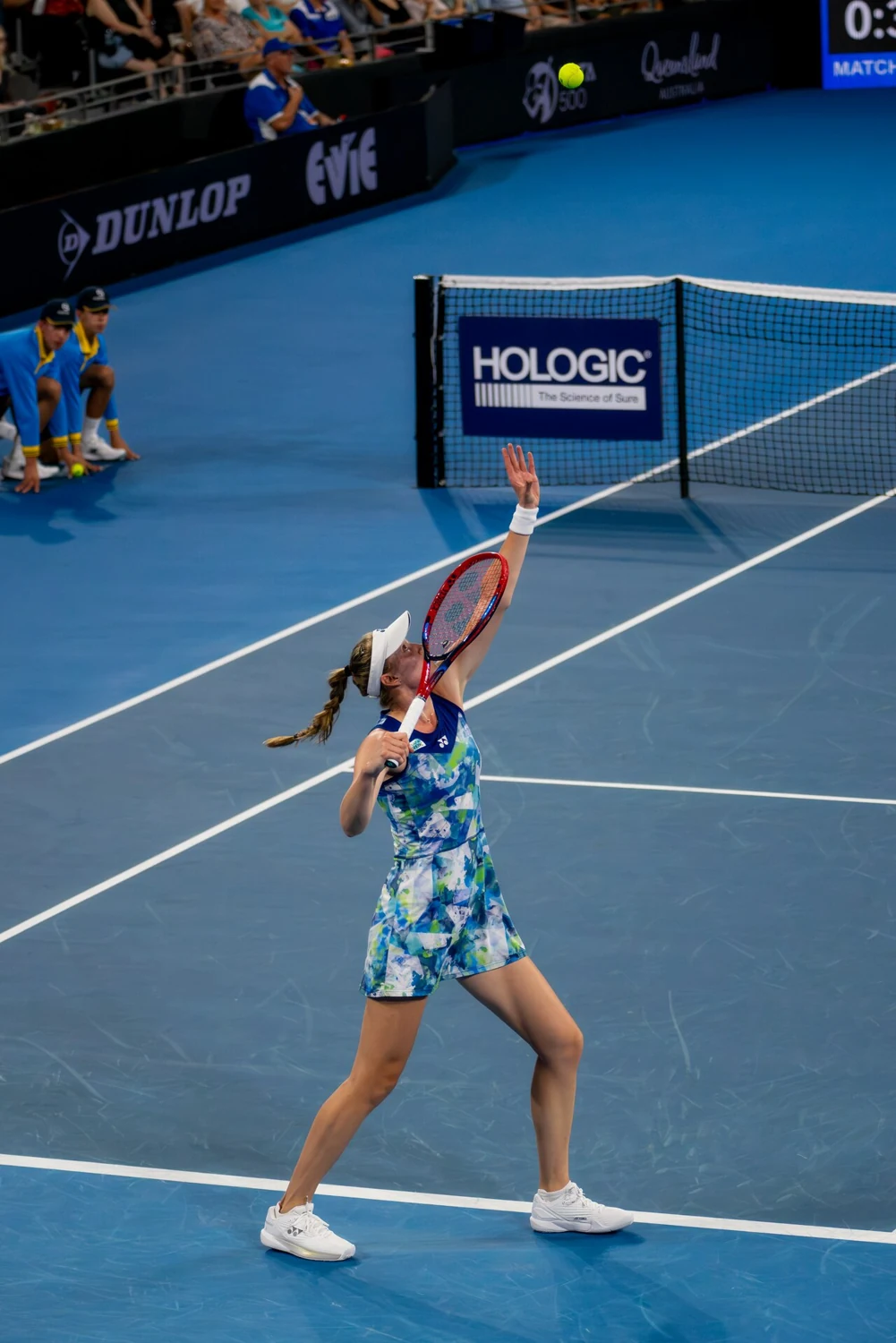
27 % de premières balles, aucune balle de break : le set de Rybakina qu’un chiffre ne suffit pas à expliquer
En début de finale de l’US Open 2026, Rybakina a gagné 22 points sur 30 au service avec seulement 27 % de premières balles. Pour comprendre, il faut retrouver la façon dont les points deviennent des jeux.
8 min de lectureZverev a gagné 39 points sur 42 derrière sa première balle. Ce n'est pas un total d'aces
La domination initiale de Zverev au service face à Shelton en finale de l'US Open 2026 montre pourquoi premières balles réussies, aces et points gagnés racontent des choses différentes.
8 min de lecture
Aucun titre majeur. 72,5 % de victoires au set décisif. Quel souvenir garder de Nishikori ?
Les adieux de Kei Nishikori ont remis en lumière une statistique remarquable dans les sets décisifs. Elle mérite mieux qu’une lecture résumée à « il gagnait toujours les points importants ».
8 min de lecture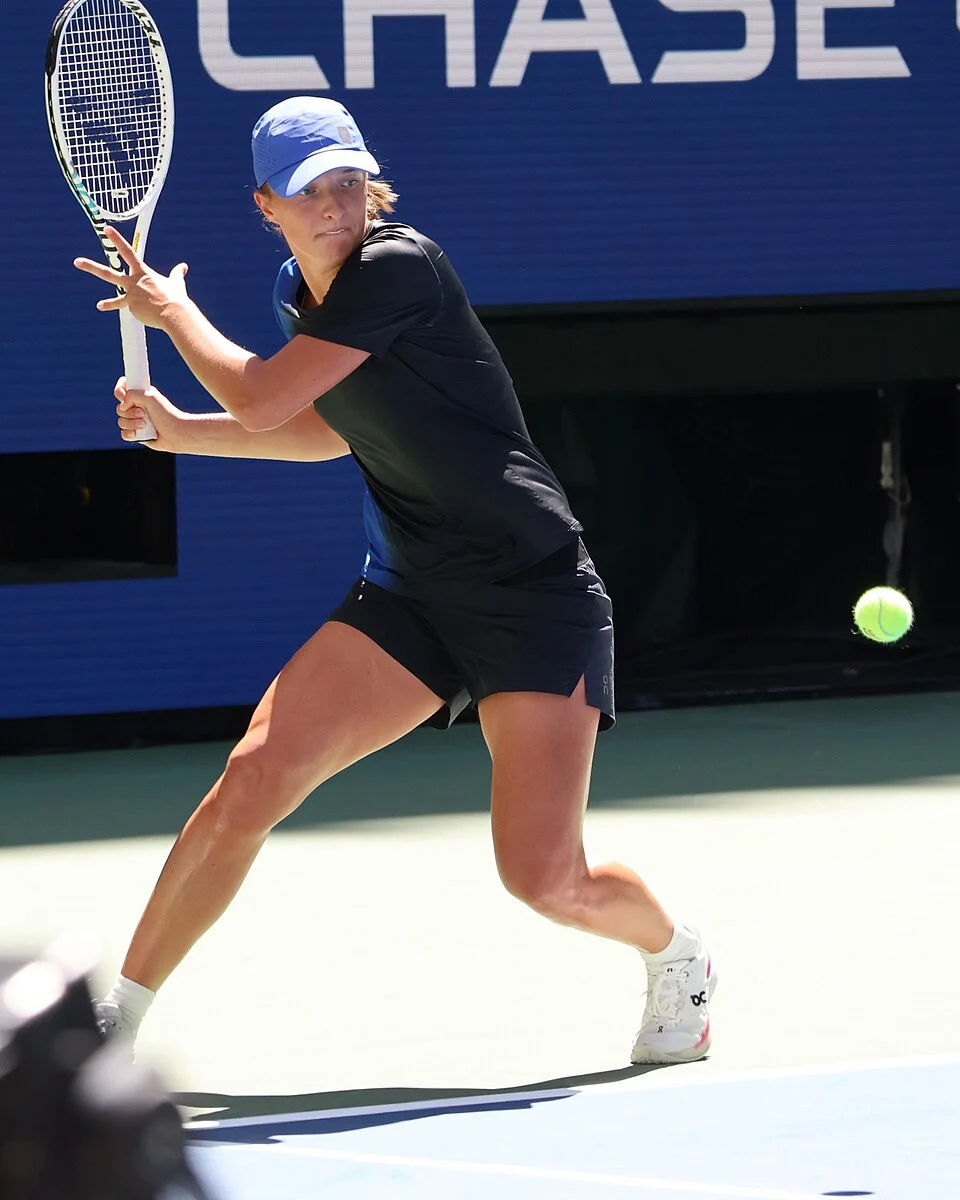
Pourquoi Iga Świątek a apprécié les longs échanges à Pékin
Świątek a expliqué que les longs échanges de son premier match à Pékin l’avaient aidée à sentir le court et la balle. Une piste pour les joueurs expérimentés avant d’accuser leur cordage dans des conditions inhabituelles.
7 min de lecture