In Tapan and colleagues’ 2023 study of 60 children, the external-focus group’s down-the-line accuracy score rose from 22.35 before training to 28.10 immediately afterward and remained at 27.05 two weeks later. The internal-focus group recorded 22.35, 24.15 and 21.30 at the same three stages. This design asked what remained after time away as well as what improved during lessons.
The children had a mean age of 10.24 years, with 30 girls and 30 boys. Researchers randomly assigned 20 participants to each of three groups: external focus, internal focus and a control group without specific focus instructions. All completed eight weeks of training, three times per week for 60 minutes. Exercises and repetitions were matched; the language used to teach grip, preparation, footwork, contact and finish differed.
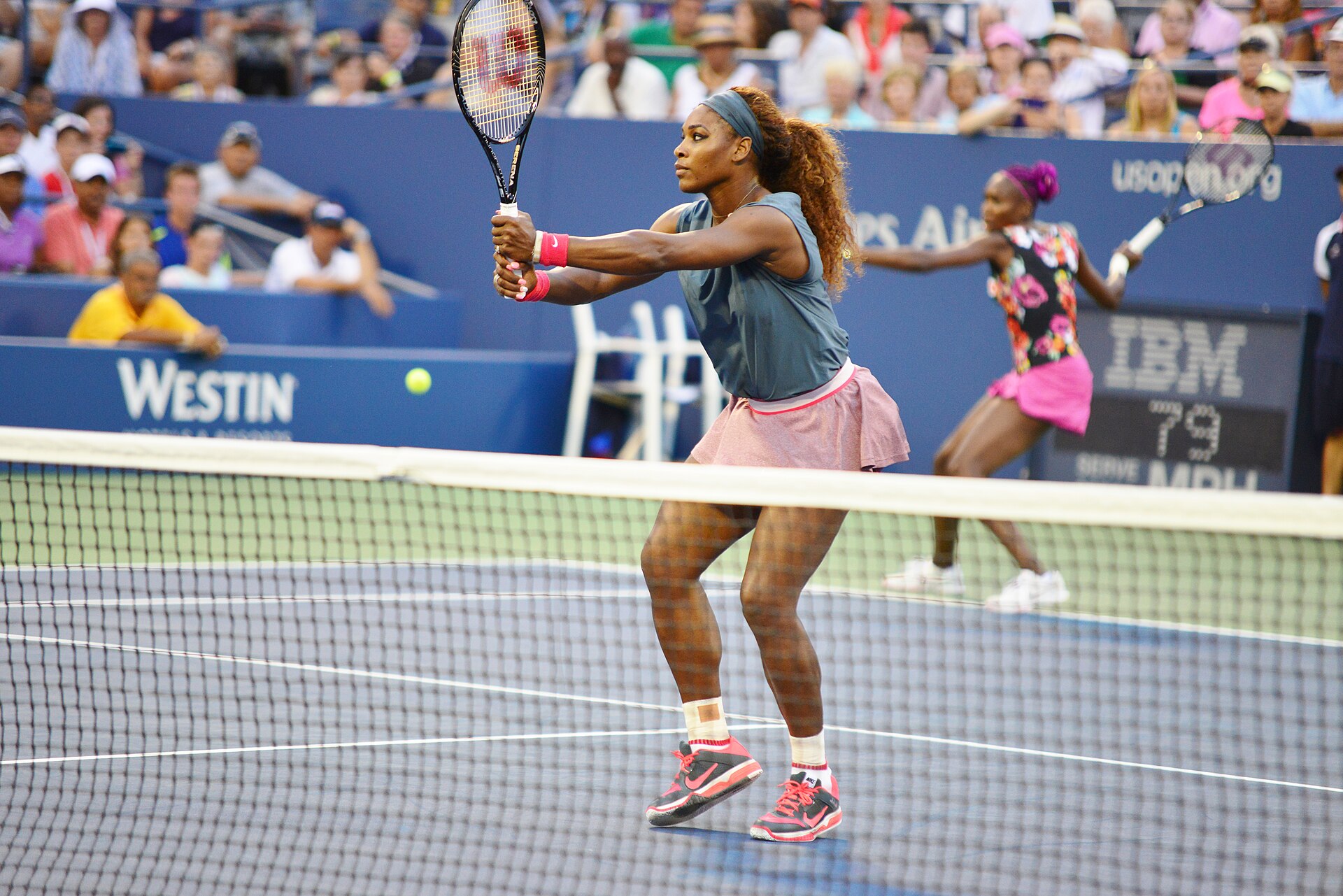
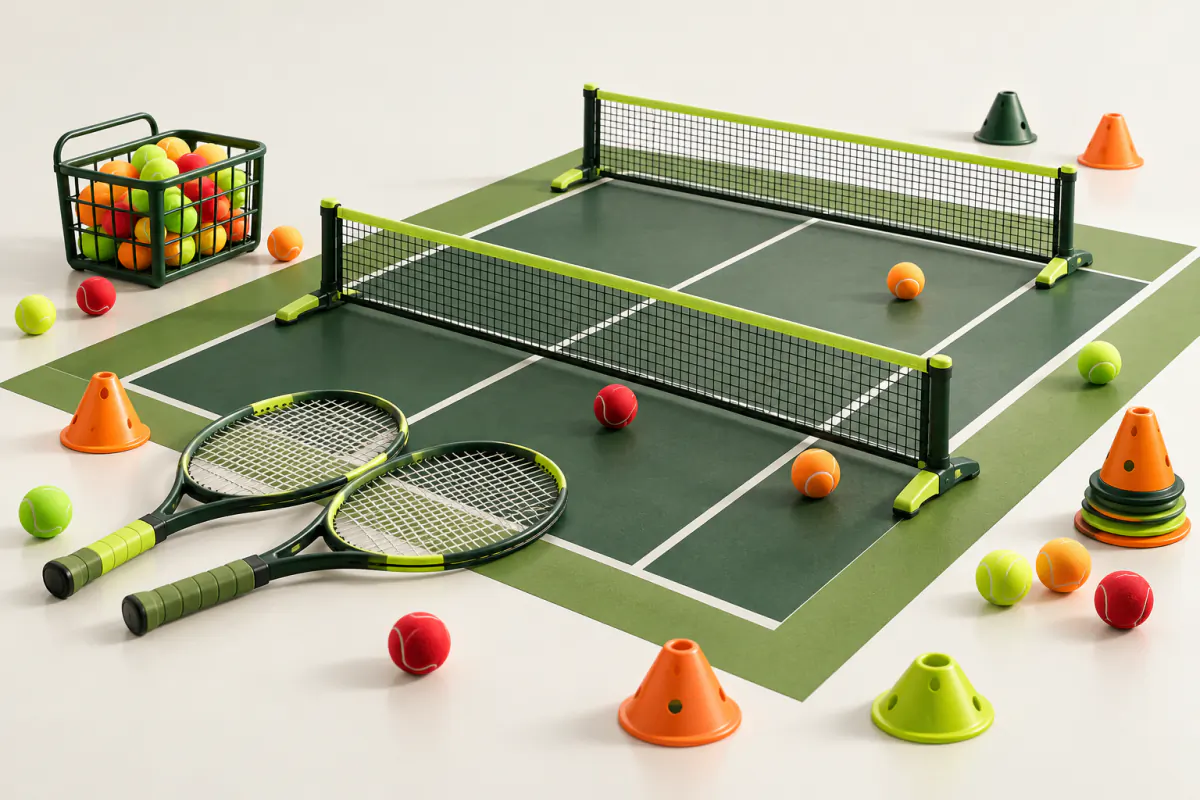
External focus directs attention toward an object or movement effect, such as a racket, ball or target. Examples in the study included stepping diagonally onto a strip on the floor and striking the ball over a small net placed in front of the child. Internal cues described the step itself or contact at waist height in front of the body. Giving one clear cue also makes it easier to ask a player what they attended to and relate that answer to the result.
Each accuracy assessment comprised ten forehands and ten backhands, scored from zero to three per shot for a maximum of 60 points. The skill test used down-the-line shots; the transfer test used crosscourt shots. Both were repeated before training, immediately afterward and following two weeks without training. Changing direction asked whether the developing skill could serve another target.
The external-focus group performed better than both comparison groups on the down-the-line task. Immediately after training, mean crosscourt scores were 26.35 for external focus, 23.35 for internal focus and 19.95 for the control group. The immediate external-versus-internal crosscourt difference was statistically nonsignificant. The task and the timing of the assessment therefore matter when choosing what a coaching intervention should achieve.
A 2024 racket-sport review examined nine studies involving 452 participants, including five tennis studies. It supported using external cues with beginners, although differences in sports, skill levels and designs leave the best individual cue to be established in practice. A practical exercise proposed here is to count target hits out of ten, then repeat at the next lesson before restating the cue. Change target direction for another set. The three records show immediate success, retention and application to a different task.