Making sense of tennis data
Compare rates with attempt counts and streaks with dates and event scope. Choose serve, return, rally or research measures that answer the question at hand.
一部の記事は原文で提供しています。各リンクに言語を表示しています。 한국어 · English · 繁體中文
関連する話題 →
Publication and correction timeline
Source publication, publication on this site, updates and corrections for articles linked to this topic. These are not the times when matches or real-world events happened. Titles and links point to current article editions, not reconstructed historical drafts.
Shanghai completes Ruud’s quarterfinal set across all nine Masters events
The date this site published the article, separate from the date of a match, study or event it discusses.
Sources linked to this article · 1
Shanghai completes Ruud’s quarterfinal set across all nine Masters events
Updated Korean names and terminology, wording or event context where applicable.
Sources linked to this article · 1
Low-compression balls: better forehands today and learning over eight weeks
Added sample sizes, testing conditions, results and a practical progression record.
Same serve speed, different joint demands: the role of mass distribution
Added matched racket properties, serve selection, phase-specific results and demo criteria.
Shelbayh wins 28 of 37 first-serve points to defeat Boyer
The date this site published the article, separate from the date of a match, study or event it discusses.
Sources linked to this article · 1
Shelbayh wins 28 of 37 first-serve points to defeat Boyer
Updated Korean names and terminology, wording or event context where applicable.
Sources linked to this article · 1
Fery, Basavareddy, Boyer and Basing: Stanford’s September Top 300 quartet
The date this site published the article, separate from the date of a match, study or event it discusses.
Sources linked to this article · 1
Fery, Basavareddy, Boyer and Basing: Stanford’s September Top 300 quartet
Updated Korean names and terminology, wording or event context where applicable.
Sources linked to this article · 1
Reading the 2026 US Open doubles draw: two names, one team
Added the 64-team structure, team seeds, nationalities and score-reading examples.
Sources linked to this article · 3
Reading the 2026 US Open doubles draw: two names, one team
Updated Korean names and terminology, wording or event context where applicable.
Sources linked to this article · 3
Reading the 2026 US Open singles draw: from 128 players to the final
Added round counts, an actual feeder branch and a practical reading sequence.
Sources linked to this article · 3
Reading the 2026 US Open singles draw: from 128 players to the final
Updated Korean names and terminology, wording or event context where applicable.
Sources linked to this article · 3
Two breaks each: Vacherot wins the tiebreak and the Tokyo comeback
The date this site published the article, separate from the date of a match, study or event it discusses.
Sources linked to this article · 1
Two breaks each: Vacherot wins the tiebreak and the Tokyo comeback
Updated Korean names and terminology, wording or event context where applicable.
Sources linked to this article · 1
Reading WTA match notes: align the match date and the record
Added dated tournament material, concrete total and consecutive No. 1 examples, and uses for year-end and Race records.
Sources linked to this article · 2
Yastremska at the 2024 Australian Open: eight wins and a semifinal turning point
Added qualifying workload, quarterfinal turning points and semifinal break-point conversion.
Six weeks of training: what changed in starts and reactive movement
The date this site published the article, separate from the date of a match, study or event it discusses.
Reading charted matches: serve direction and return-depth coverage
The date this site published the article, separate from the date of a match, study or event it discusses.
Sources linked to this article · 2
Official rankings and Elo answer different questions
The date this site published the article, separate from the date of a match, study or event it discusses.
Sources linked to this article · 1
Did an outward coaching cue still help two weeks later?
The date this site published the article, separate from the date of a match, study or event it discusses.
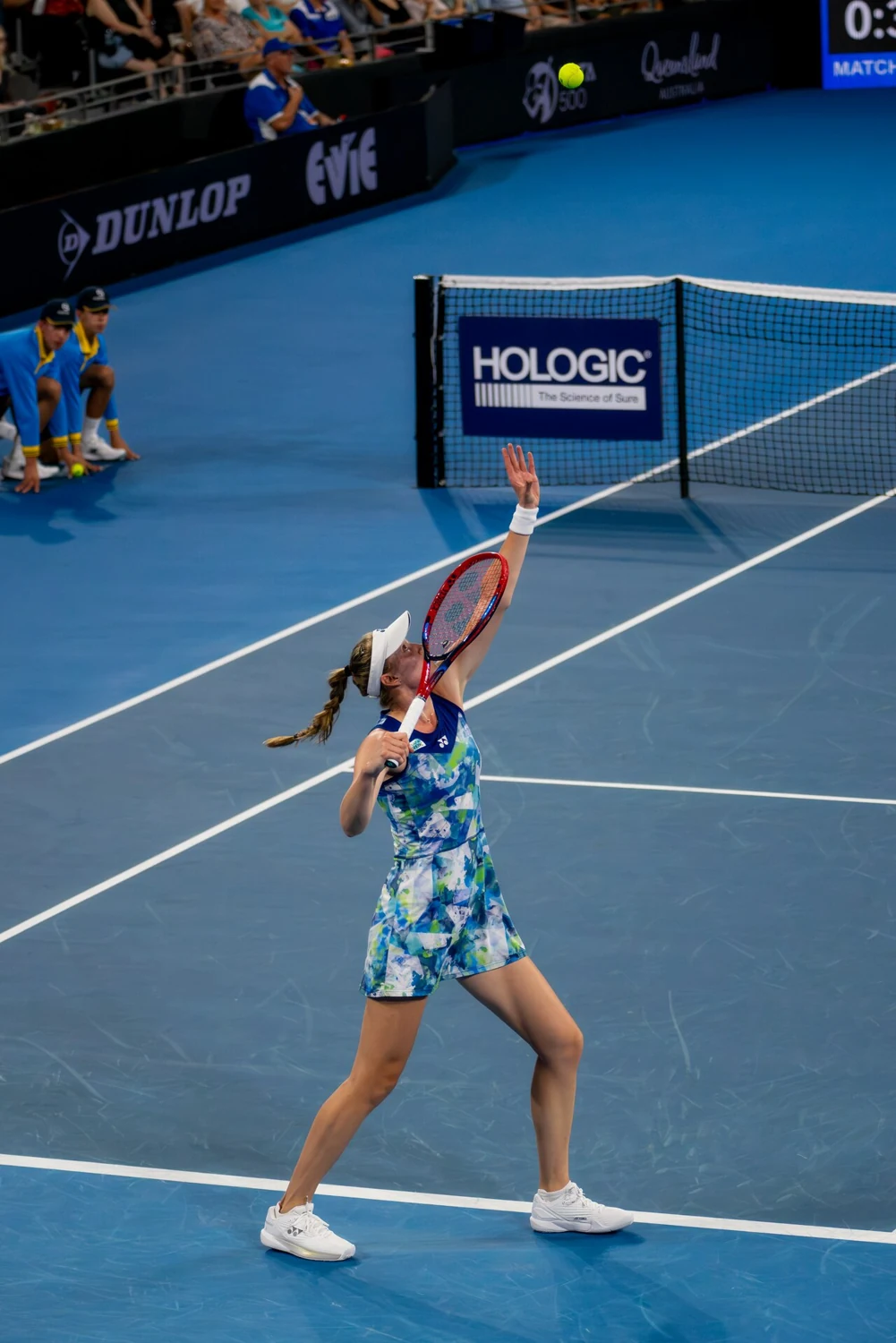
第1サーブ27%、ブレークポイントはゼロ。リバキナの1セットを数字ひとつで読めない理由
2026年全米決勝の第1セットで、リバキナは第1サーブが27%しか入らなくても、サービスの30ポイント中22を取った。見落としやすいのは、ポイントがゲームになる順序だ。
読了まで約8分ファーストサーブから42本中39ポイント。ズベレフの数字はエース数ではない
2026年全米決勝、ズベレフは序盤のファーストサーブでシェルトンを圧倒した。入る確率、エース数、ポイント獲得率を分けると、サービスゲームの中身が見えてくる。
読了まで約8分
四大大会の優勝はない。最終セット勝率72.5%。錦織圭をどう記憶するか
錦織圭の引退に際し、最終セットでの驚異的な勝率が改めて紹介された。注目に値する数字だからこそ、「大事なポイントでは必ず勝った」という一言で済ませずに読みたい。
読了まで約8分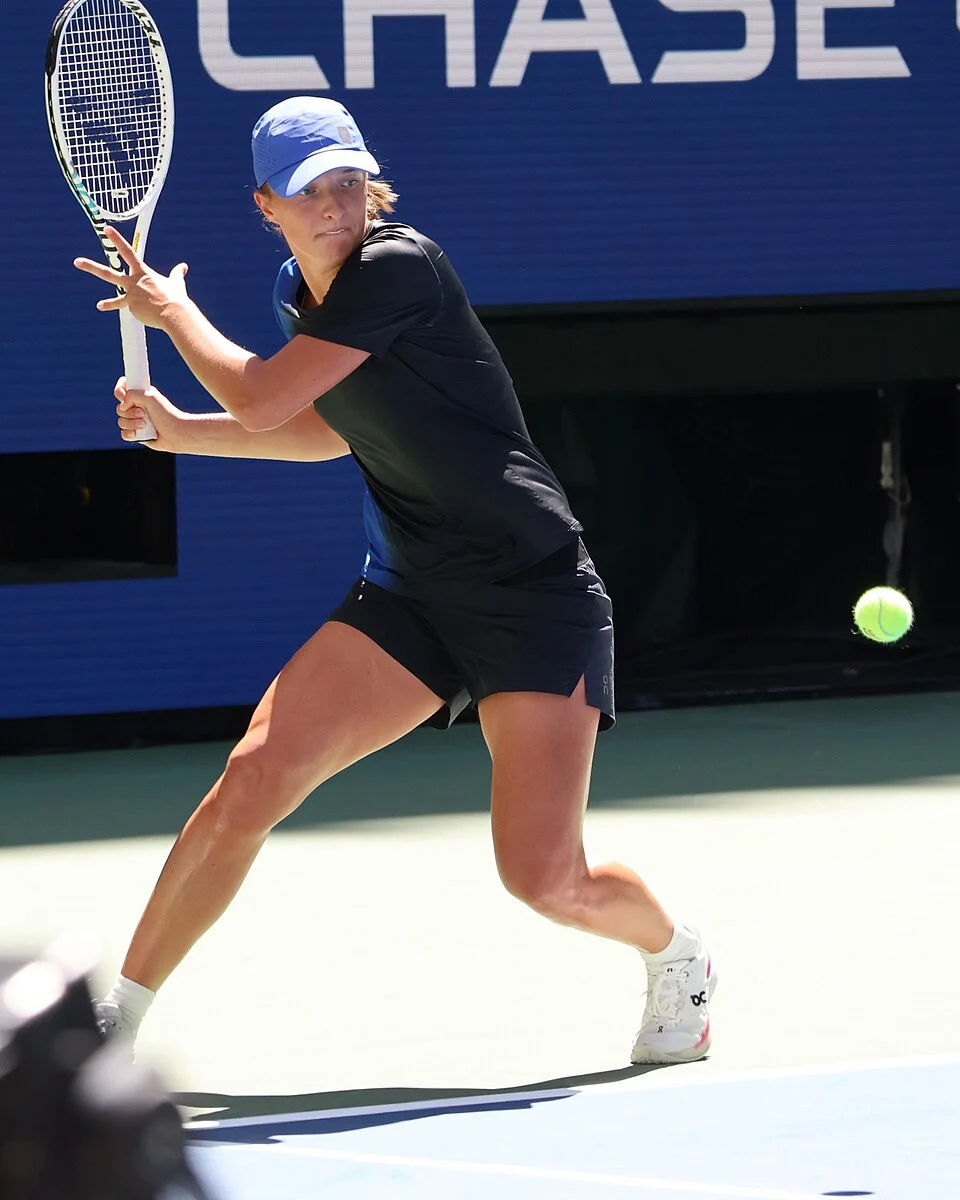
シフィオンテクはなぜ、北京初戦の長いラリーを喜んだのか
北京初戦で長いラリーがコートとボールの感覚をつかむ助けになったと語ったシフィオンテク。慣れない環境で、ストリングを疑う前に拾える情報とは。
読了まで約7分