Making sense of tennis data
Compare rates with attempt counts and streaks with dates and event scope. Choose serve, return, rally or research measures that answer the question at hand.
Część artykułów jest dostępna w języku oryginału. Język podano przy każdym linku. 한국어 · English · 繁體中文
Porozmawiaj o tym →
Publication and correction timeline
Source publication, publication on this site, updates and corrections for articles linked to this topic. These are not the times when matches or real-world events happened. Titles and links point to current article editions, not reconstructed historical drafts.
Shanghai completes Ruud’s quarterfinal set across all nine Masters events
The date this site published the article, separate from the date of a match, study or event it discusses.
Sources linked to this article · 1
Shanghai completes Ruud’s quarterfinal set across all nine Masters events
Updated Korean names and terminology, wording or event context where applicable.
Sources linked to this article · 1
Low-compression balls: better forehands today and learning over eight weeks
Added sample sizes, testing conditions, results and a practical progression record.
Same serve speed, different joint demands: the role of mass distribution
Added matched racket properties, serve selection, phase-specific results and demo criteria.
Shelbayh wins 28 of 37 first-serve points to defeat Boyer
The date this site published the article, separate from the date of a match, study or event it discusses.
Sources linked to this article · 1
Shelbayh wins 28 of 37 first-serve points to defeat Boyer
Updated Korean names and terminology, wording or event context where applicable.
Sources linked to this article · 1
Fery, Basavareddy, Boyer and Basing: Stanford’s September Top 300 quartet
The date this site published the article, separate from the date of a match, study or event it discusses.
Sources linked to this article · 1
Fery, Basavareddy, Boyer and Basing: Stanford’s September Top 300 quartet
Updated Korean names and terminology, wording or event context where applicable.
Sources linked to this article · 1
Reading the 2026 US Open doubles draw: two names, one team
Added the 64-team structure, team seeds, nationalities and score-reading examples.
Sources linked to this article · 3
Reading the 2026 US Open doubles draw: two names, one team
Updated Korean names and terminology, wording or event context where applicable.
Sources linked to this article · 3
Reading the 2026 US Open singles draw: from 128 players to the final
Added round counts, an actual feeder branch and a practical reading sequence.
Sources linked to this article · 3
Reading the 2026 US Open singles draw: from 128 players to the final
Updated Korean names and terminology, wording or event context where applicable.
Sources linked to this article · 3
Two breaks each: Vacherot wins the tiebreak and the Tokyo comeback
The date this site published the article, separate from the date of a match, study or event it discusses.
Sources linked to this article · 1
Two breaks each: Vacherot wins the tiebreak and the Tokyo comeback
Updated Korean names and terminology, wording or event context where applicable.
Sources linked to this article · 1
Reading WTA match notes: align the match date and the record
Added dated tournament material, concrete total and consecutive No. 1 examples, and uses for year-end and Race records.
Sources linked to this article · 2
Yastremska at the 2024 Australian Open: eight wins and a semifinal turning point
Added qualifying workload, quarterfinal turning points and semifinal break-point conversion.
Six weeks of training: what changed in starts and reactive movement
The date this site published the article, separate from the date of a match, study or event it discusses.
Reading charted matches: serve direction and return-depth coverage
The date this site published the article, separate from the date of a match, study or event it discusses.
Sources linked to this article · 2
Official rankings and Elo answer different questions
The date this site published the article, separate from the date of a match, study or event it discusses.
Sources linked to this article · 1
Did an outward coaching cue still help two weeks later?
The date this site published the article, separate from the date of a match, study or event it discusses.
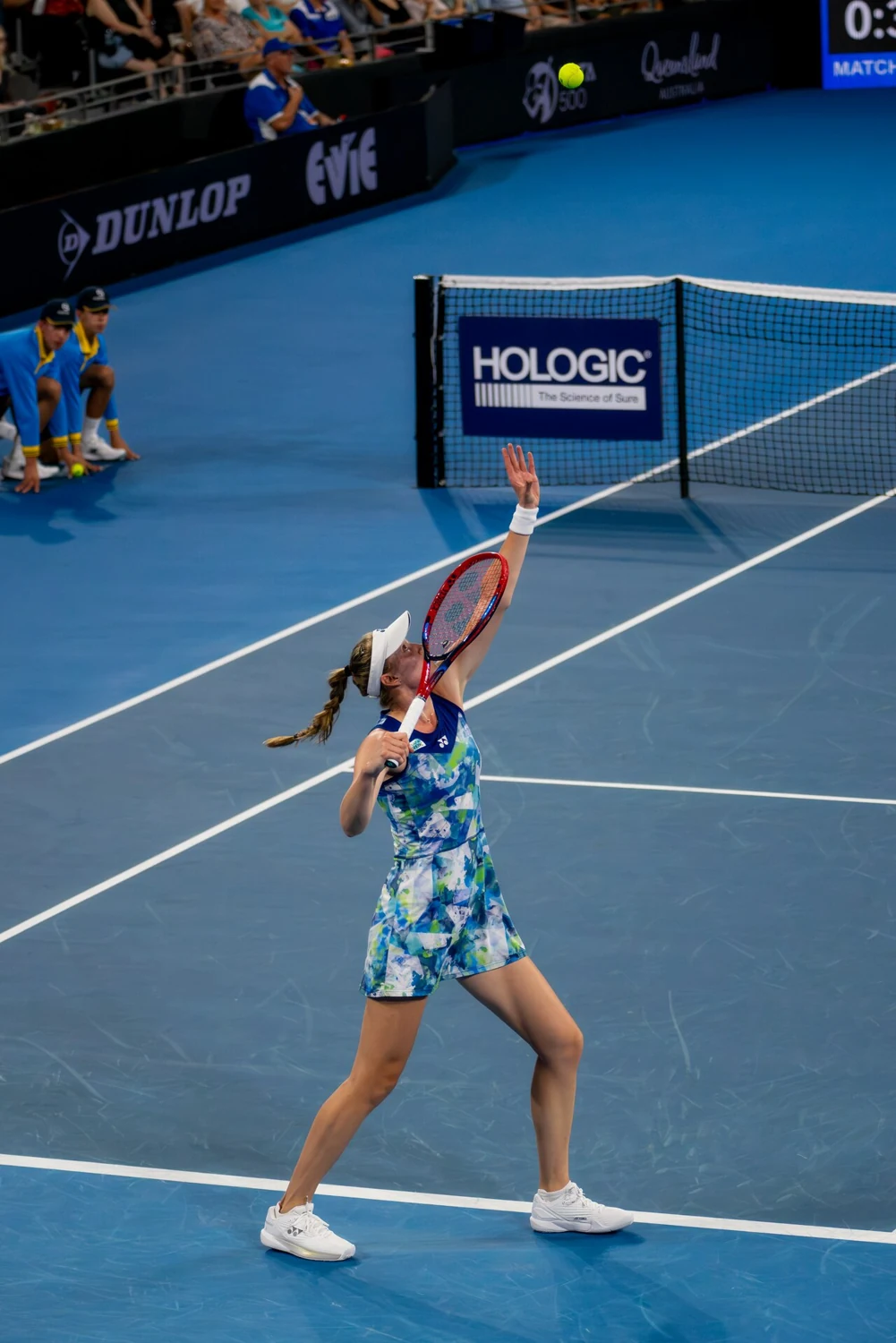
27% pierwszego serwisu, ani jednego break pointa: set Rybakiny, którego nie wyjaśni jedna liczba
W pierwszym secie finału US Open 2026 Rybakina wygrała 22 z 30 punktów przy własnym podaniu, choć trafiła tylko 27% pierwszych serwisów. Szybka ocena pomija to, jak punkty układają się w gema.
8 min czytaniaZverev wygrał 39 z 42 punktów po pierwszym serwisie. To nie statystyka asów
Dominacja serwisowa Alexandra Zvereva przeciwko Benowi Sheltonowi w finale US Open 2026 pokazuje, dlaczego procent trafionych podań, asy i wygrane punkty opisują coś innego.
8 min czytania
Bez tytułu wielkoszlemowego, za to 72,5% wygranych decydujących setów. Jak zapamiętać Nishikoriego?
Pożegnanie Keia Nishikoriego przypomniało niezwykłą statystykę decydujących setów. Zasługuje na uwagę i ostrożniejsze odczytanie niż stwierdzenie, że zawsze wygrywał ważne punkty.
8 min czytania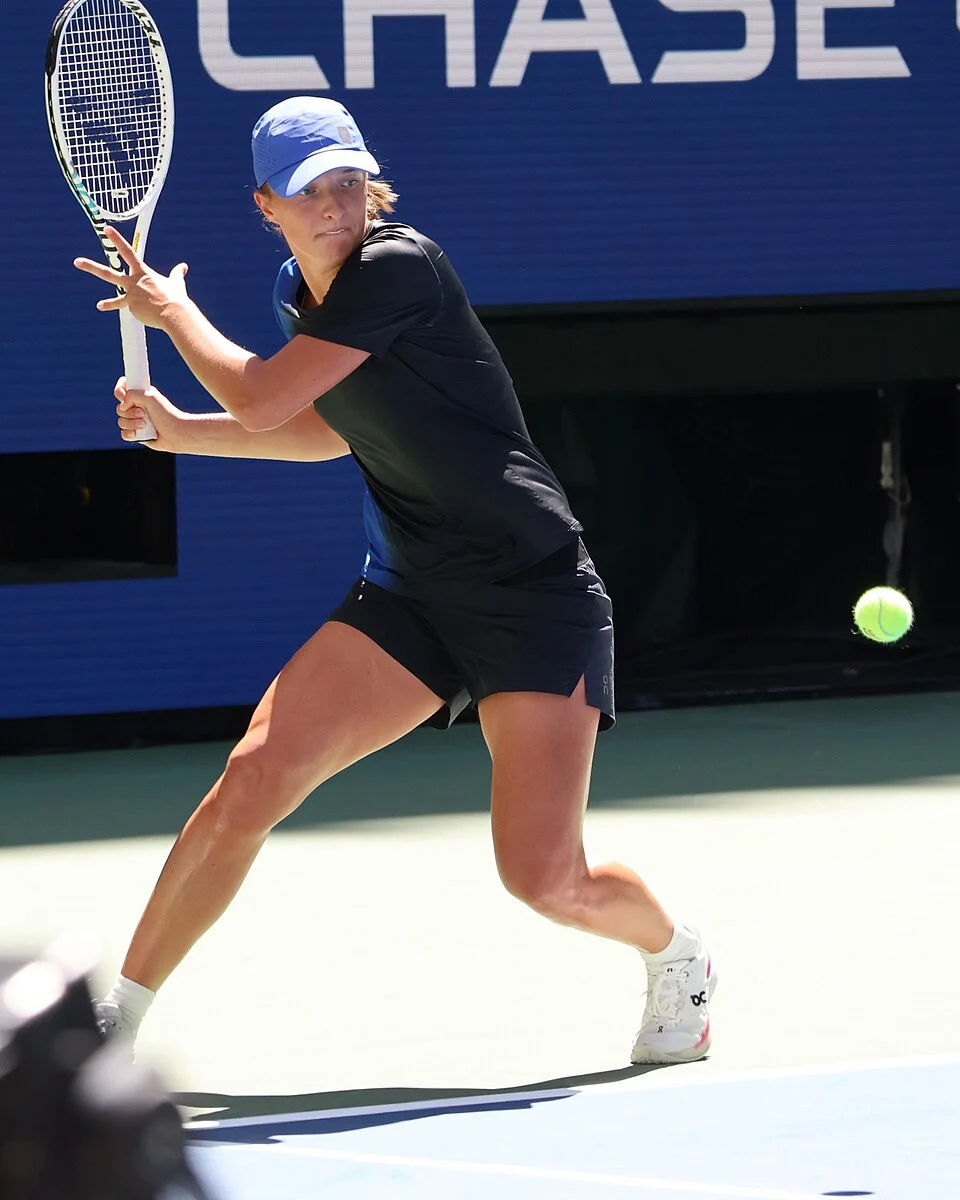
Dlaczego Iga Świątek cieszyła się z długich wymian w Pekinie
Świątek mówiła, że dłuższe wymiany w pierwszym meczu w Pekinie pomogły jej poczuć kort i piłkę. Czego mogą się nauczyć doświadczeni gracze, zanim winą za obce warunki obarczą naciąg?
7 min czytania