Rules on court
Work through abandoned tosses, corrected out calls and partner calls in doubles. Apply scoring, service-order and hindrance conditions to concrete situations.
Część artykułów jest dostępna w języku oryginału. Język podano przy każdym linku. 한국어 · English · 繁體中文
Porozmawiaj o tym →
Publication and correction timeline
Source publication, publication on this site, updates and corrections for articles linked to this topic. These are not the times when matches or real-world events happened. Titles and links point to current article editions, not reconstructed historical drafts.
Service lets and foot position
The date this site published the article, separate from the date of a match, study or event it discusses.
Sources linked to this article · 1
Service lets and foot position
Added a Traditional Chinese edition. Existing Korean and English content and reference dates are unchanged.
Sources linked to this article · 1
One serve for pros, two for amateurs: Wrexham’s one-point route to Melbourne
The source publication date recorded for this article. It does not mean that every linked source below was published on this date.
Sources linked to this article · 1
Broken strings: the backup-racquet clock and a receiver’s first-serve restart
The source publication date recorded for this article. It does not mean that every linked source below was published on this date.
Sources linked to this article · 2
Nardi lost to Fucsovics in qualifying, then beat him in Dubai’s main draw
The source publication date recorded for this article. It does not mean that every linked source below was published on this date.
Broken ball or soft ball? USTA explains when to replay the point
The source publication date recorded for this article. It does not mean that every linked source below was published on this date.
Sources linked to this article · 1

Możesz zrezygnować z podrzutu. Dlaczego mimo to z niego serwujesz?
Złapanie piłki po przerwanym podrzucie to nie to samo co zamach i chybienie. Poznaj przepis, zachowaj płynność gry i ćwicz decyzję, zanim podwójny błąd uczyni ją kosztowną.
8 min czytaniaPoprawiasz „aut” na „dobra”. Powtórka czy punkt już przegrany?
Skorygowany aut ma inne konsekwencje, gdy wywołał go gracz, a inne przy decyzji sędziego. The Code USTA wyjaśnia punkt dla rywala, niezgodność partnerów i szczególny wyjątek przy serwisie dotykającym siatki.
8 min czytania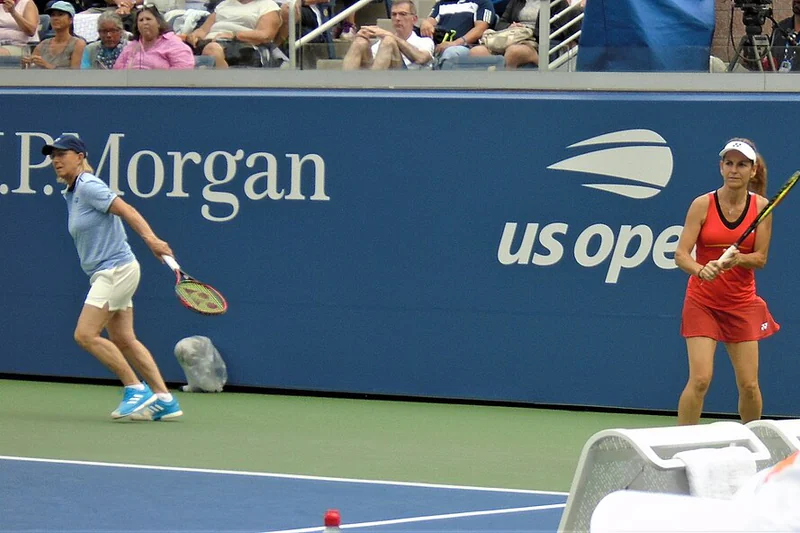
Krzyknąłeś do partnera „cofnij się”. Dlaczego w deblu może to kosztować punkt?
Przykład krótkiego loba w przepisach USTA pokazuje, kiedy komunikacja w deblu staje się umyślnym przeszkadzaniem, dlaczego spóźnione zgłoszenie nie działa i czym różnią się okrzyki bólu oraz stękanie.
8 min czytania