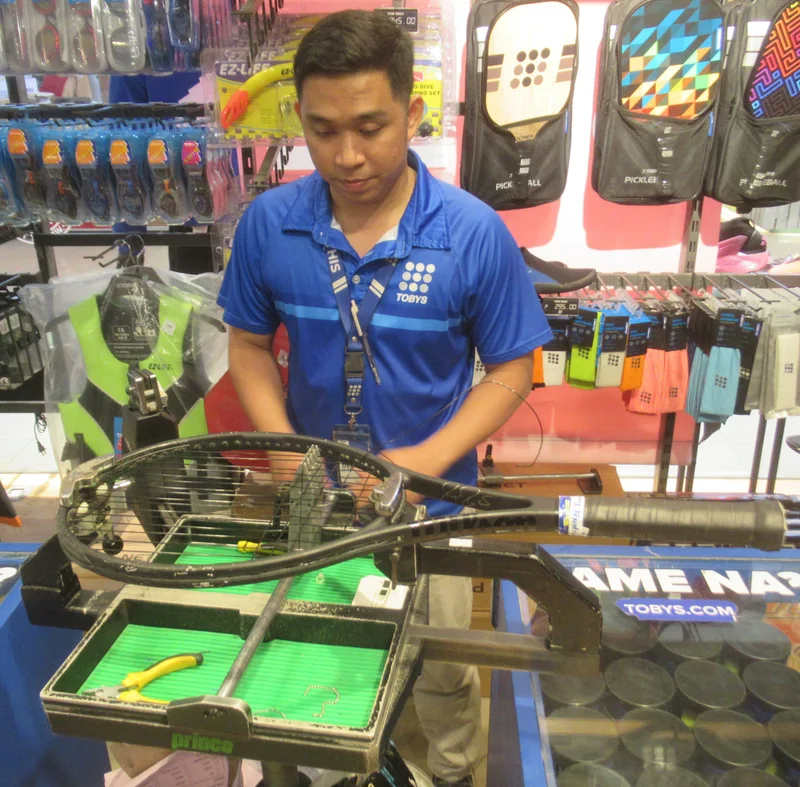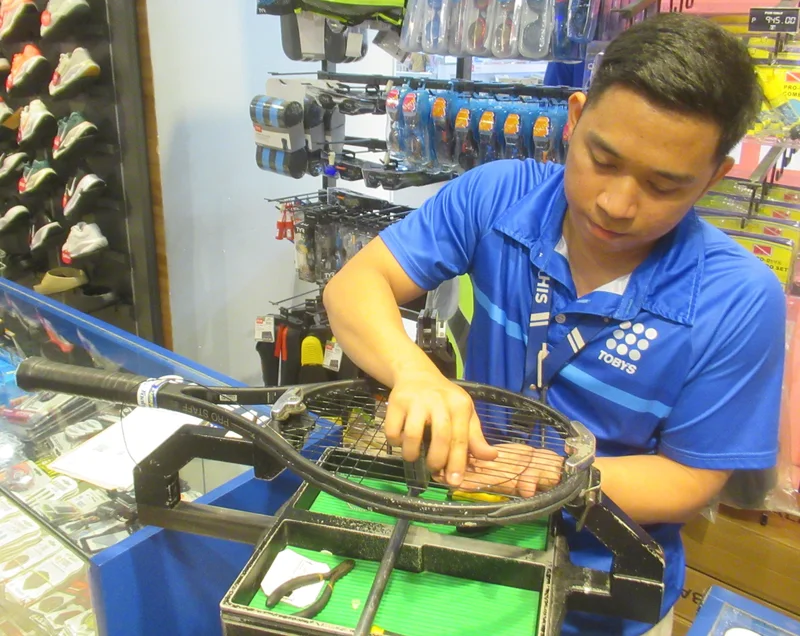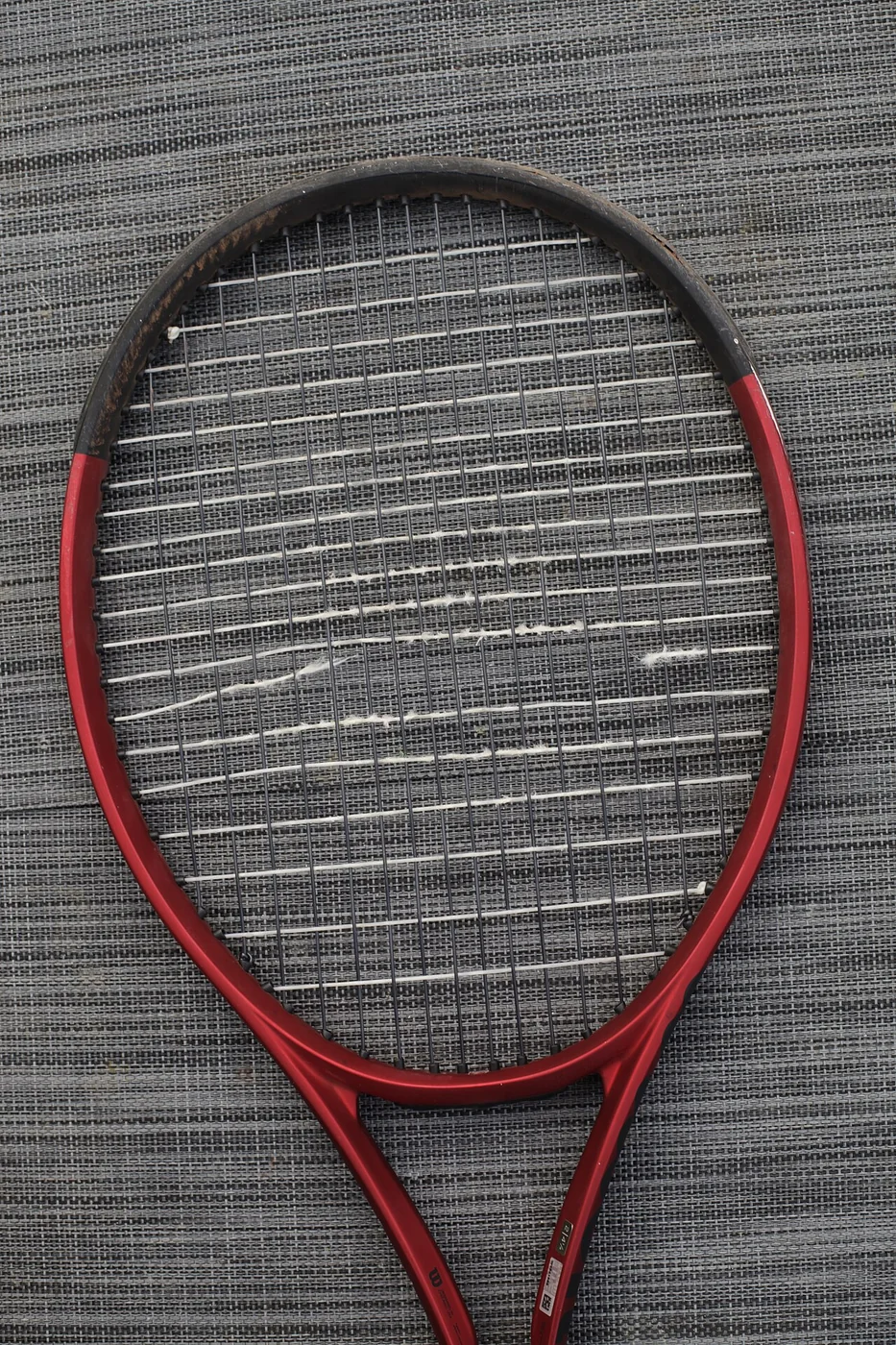
Two matches described by USTA on August 27, 2026 gave a player with broken strings 25 seconds to borrow another racquet. In an adult women’s league match, the opponent lent a spare and play continued. In a national junior final, no replacement was found and the player retired.
The junior had broken strings in all three racquets he brought. The example makes checking whether backups are ready to play as useful as counting how many are in the bag.
The timing of a change matters too. Separate USTA guidance describes a receiver breaking strings while returning a first-serve fault, then going to the bag for a replacement. Because the receiver caused the delay, the server receives a first serve.
USTA links that restart to ITF Rule 23, The Let. Prepare a usable spare before entering court; after a receiver’s change between serves, confirm the first-serve restart together before beginning the next point.