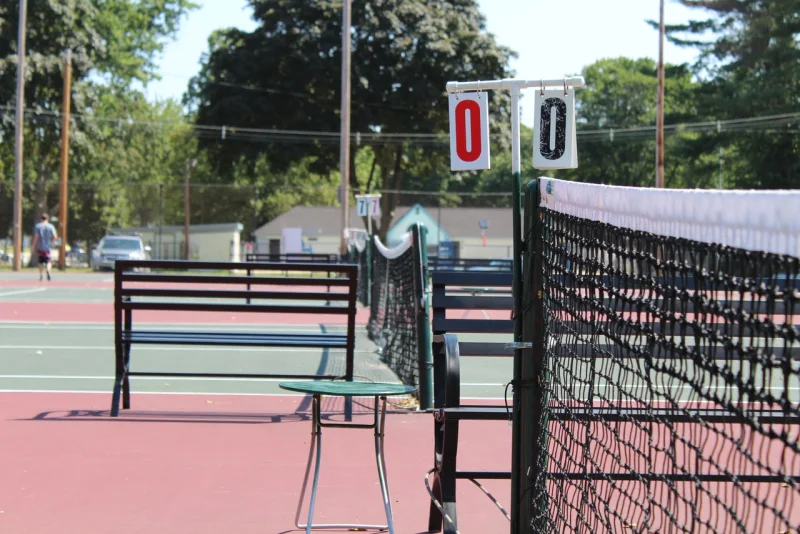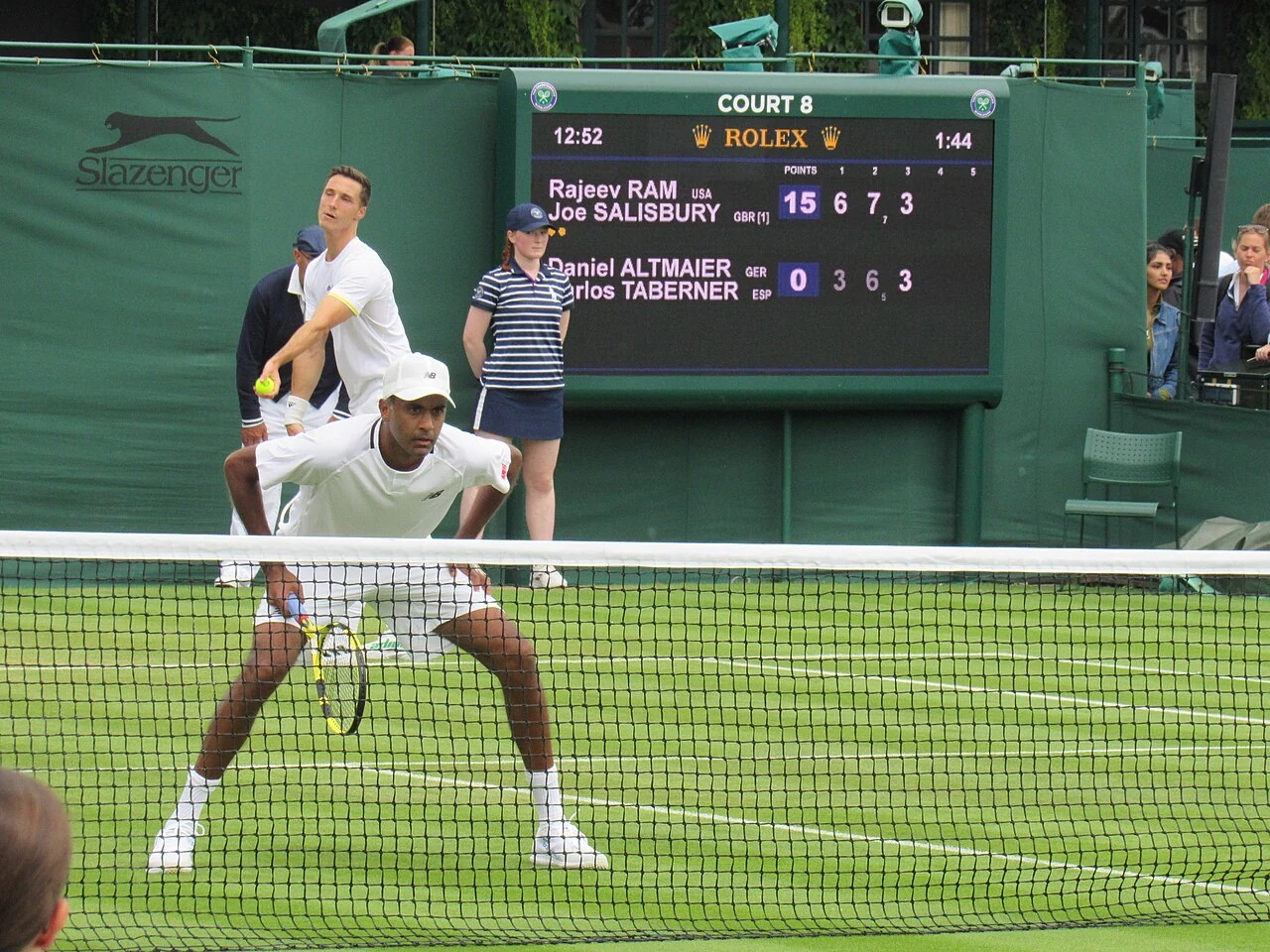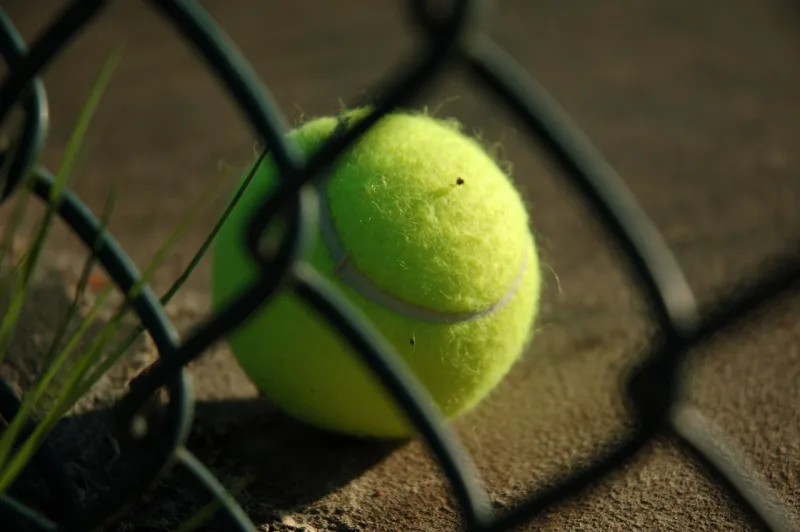
USTA’s rules guidance says to replay a point played with a broken ball, while a point played with a merely soft ball stands. In both cases, the ball should be removed from subsequent play.
The question describes a low shot at an opponent’s feet. After it bounced twice on the opponent’s side, the hitter believed the point was won; the opponent immediately picked up the ball and said it had no compression.
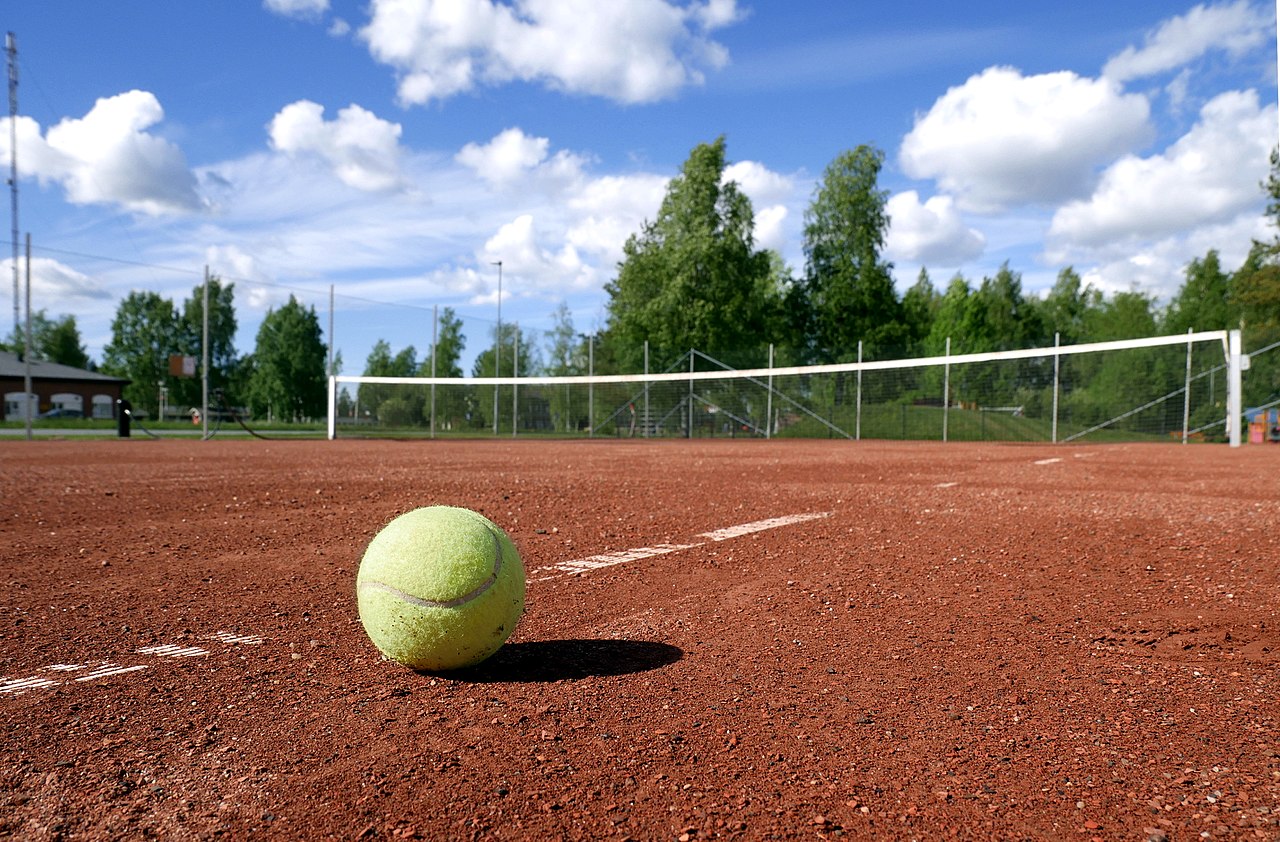
USTA includes a ball that has completely lost compression as well as one that is torn within its explanation of a broken ball. It also notes that a broken ball can still bounce. Inspecting its condition therefore comes before deciding how that bounce affects a replay.
The guidance recommends shaking and squeezing balls when opening a new can. If an abnormal ball appears during a match, inspect it together, determine whether it is broken or merely soft, and settle both the point outcome and replacement.