MSV Swift vs Multi Q10: choose the material before the 5% pre-stretch
MSV says Swift needs no pre-stretch and recommends 5% during installation for Multi Q10. Manufacturer player profiles and a conditional tension range turn that contrast into a useful choice.

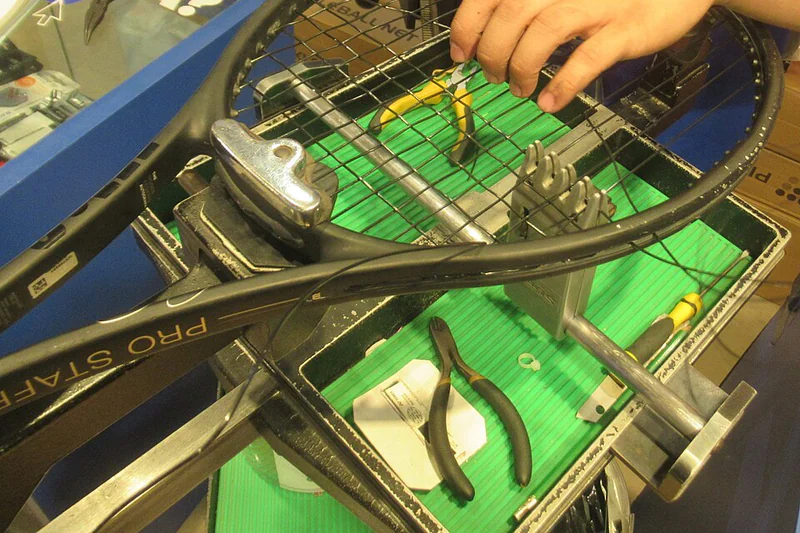
MSV states that Swift does not need pre-stretch, while Multi Q10 carries a recommendation for 5% pre-stretch during stringing. That instruction comes after the product choice. First decide whether you want to keep a co-polyester construction or try nylon multifilament. Starting with a percentage can lead to applying the previous product’s preparation to a different material, before deciding what change you actually want on court.
| What you want | Candidate and manufacturer positioning | Installation starting point |
|---|---|---|
| Stay with co-polyester while considering a comfort-oriented product | Swift: MSV positions it for players seeking a comfortable, balanced co-poly | No pre-stretch necessary |
| Try a nylon multifilament construction | Multi Q10: MSV positions it for comfort, power and tension stability | Discuss the manufacturer’s 5% installation recommendation |
| Change a hybrid recipe | Swift’s round profile is also promoted for hybrid use | Agree the preparation for each actual main and cross product |
The same 1.30mm diameter can contain different constructions
Swift is a round co-polyester monofilament. MSV describes six materials processed in three stages and lists black and white versions in 1.25mm and 1.30mm. Multi Q10 is a nylon multifilament. The official item used here, number 4575, is a white 1.30mm string supplied as a 12m set. The material and construction are more informative starting points than the shared language of comfort in the marketing.
| Order detail | MSV Swift | MSV Multi Q10 |
|---|---|---|
| Construction | Round co-polyester monofilament | Nylon multifilament |
| Diameters shown | 1.25 / 1.30mm | 1.30mm on the reviewed item |
| Packaging shown | 12m set / 200m reel | 12m set on the reviewed item |
| Pre-stretch guidance | Not necessary | 5% during stringing recommended |
Comparing the two products at 1.30mm removes one gauge change from the decision. Moving from Swift 1.25mm to Q10 1.30mm changes the product, construction and gauge together. You can still judge whether the complete new setup suits you, but the result does not isolate pre-stretch. Choose the shared diameter if your main question concerns construction; choose the intended playing recipe if your main aim is improving the setup you actually use.
Swift’s manufacturer tension range comes with conditions
MSV lists 20–24kg / 44–53lb for Swift, with medium gauge and a midsize racquet as its reference conditions. It is a conditional manufacturer recommendation rather than a universal setting for every frame. Discuss a starting reference with your stringer alongside the frame guidance and your current setup. Multi Q10’s 5% is a pre-stretch instruction during installation; it does not make Swift’s tension range a Q10 recommendation.
For a first Swift installation, the manufacturer’s no-pre-stretch guidance offers a clear starting point. If an existing Swift setup already works well, adding another preparation variable needs a reason. Repeating a familiar response and changing to another material are different aims. The first calls for reproducing a known setup, while the second calls for comparing a new response in the situations that matter to your game.
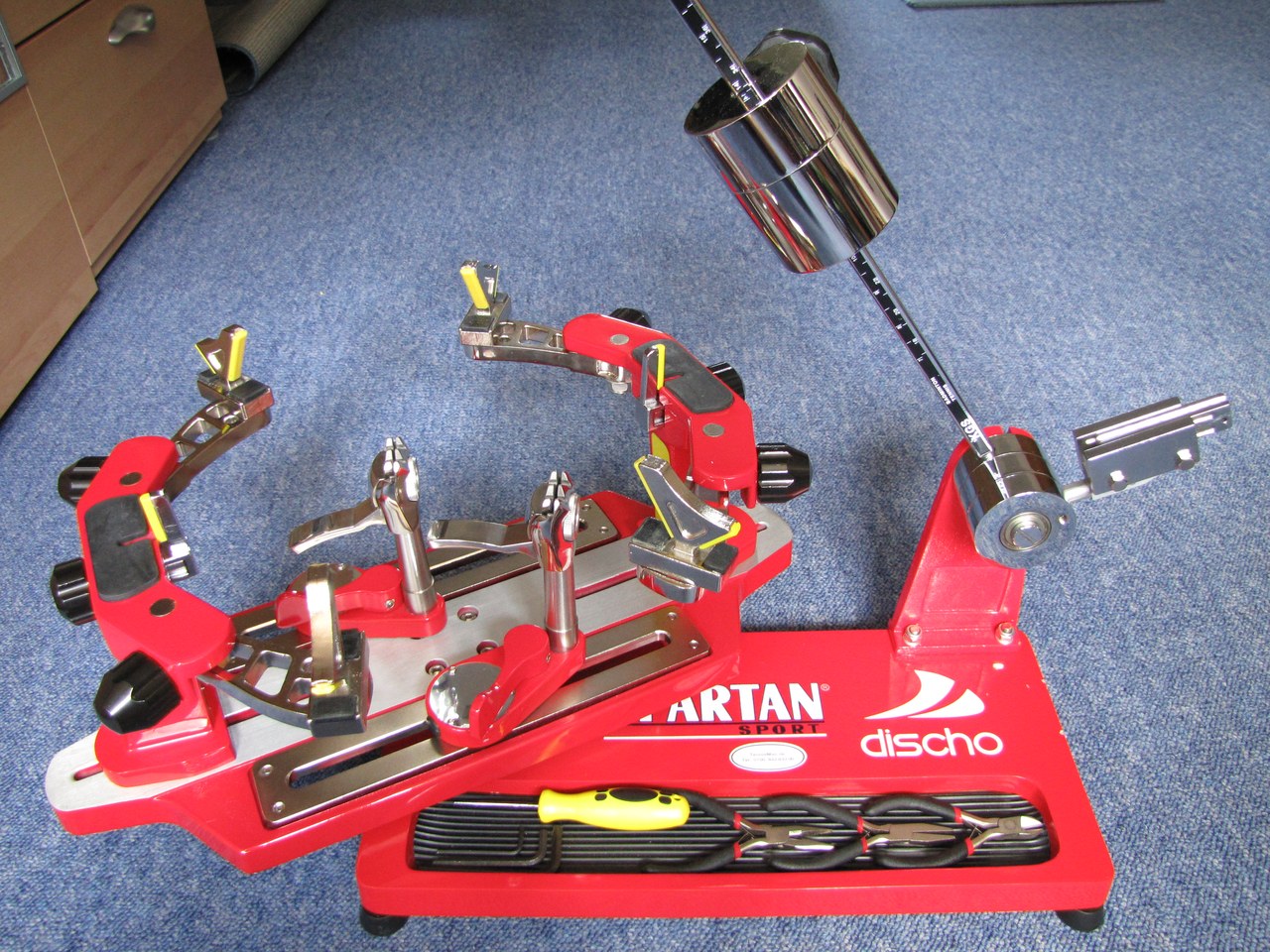
For Multi Q10, give the stringer the exact product name and its 5% manufacturer recommendation before work starts. Ask how the available equipment will implement the request, keeping reference tension and preparation settings distinct. Agreement on the actual process is more useful than matching the word “5%” across different machines. Do not extend one product’s instruction automatically to every string in the racquet.
A hybrid needs a product-specific decision in each direction
MSV links Swift’s round profile to hybrid use. An actual recipe begins with the products assigned to mains and crosses, followed by the gauge, reference tension and agreed preparation for each. Q10’s 5% instruction does not automatically apply to a direction containing Swift. You can change only one product choice in the recipe at the next complete restring; that means comparing recipes, not retaining one old direction and replacing only the other.
Give the hybrid change a concrete purpose. You may want different depth from a short swing or a different response on a compact return. That purpose determines which court situation will help judge the result. If you change both products and their preparation together, assess the result as a complete new combination. Then choose the single situation that still needs improvement before deciding on the next adjustment.

TWU’s 62lb retest is not the Q10 5% installation procedure
Tennis Warehouse University’s published test procedure starts with a 330mm string specimen pulled to the reference tension. It measures elongation, waits 60 seconds, applies 20 fast stabilization impacts, and then measures slow, medium and fast impacts in sequence. Those steps define the specimen’s history before the results are compared. The preparation matters because the same word can describe different processes in a laboratory and a stringing appointment.
In that procedure, pre-stretch means taking the specimen already tested at 62lb, raising it back to 62lb and repeating the waiting and impact stages. The 51lb and 40lb conditions use new specimens; the pre-stretch repetition occurs only at 62lb. These are laboratory conditions. They neither reproduce the manufacturer’s Q10 5% installation instruction nor supply a measured benefit guaranteed by that instruction.
| Context | What the source specifies | How to use it |
|---|---|---|
| Multi Q10 manufacturer guidance | 5% pre-stretch during installation | Agree its application to that product before stringing |
| TWU test method | Return a tested specimen to 62lb, then repeat waiting and impacts | Understand the preparation and history behind laboratory results |
TWU’s stiffness explanation describes rapid tension loss immediately after stringing and during the early hits, followed by slower change. A newly installed string and one used for several sessions therefore differ in playing history too. Bring those histories closer if you want a more focused product comparison. If your practical question is what replacing an old setup will feel like, assess the new setup as a whole without assigning its entire difference to material alone.
Use three familiar court situations to reach a conclusion
In your usual crosscourt rally, compare whether normal effort sends the ball to the intended depth. On a compact block return, notice whether the response repeatedly leaves the ball short or sends it long. On serve, aim repeatedly at a target and continue into preparation for the next ball. These are suggested comparison tasks, not a product test performed by this publication. The aim is a response that works in frequent match situations, rather than one memorable fast shot.
If the new setup improves the intended situation and remains satisfactory through your normal replacement cycle, repeating it is a reasonable next choice. If only one situation becomes harder, discuss which of material, gauge, reference tension or preparation addresses that problem. Preserve what already works while narrowing the troublesome part. Continually adding several new settings at once makes the next decision harder to explain.
Sources and further reading
Keep reading
Focus HEX and Co Focus: match 1.23 mm before comparing the profiles
MSV describes Co Focus as using the same material as Focus HEX with a round profile. Their shared diameters offer a practical starting point for a controlled comparison.
7 min readSame 50 lb, different racquet: the trap when you change stringing machines
Lockout and constant pull do not share a universal conversion percentage. Reproduce a preferred setup by recording the process, material and measurement timing.
7 min readFrom first tension to restringing: decisions beyond an app reading
Choose a starting tension, interpret the first drop and decide whether to continue, adjust the next job or replace the strings. Hypothetical app estimates are clearly separated from measurements.
8 min readTENNIS TENSION LAB
Check your racquet’s tension today.
Get a high-precision tension reading in under 10 seconds. Tension Lab tracks changes from your first reading and helps you see when to restring.
- High-precision tension measurement. Ready in under 10 seconds.
- Track every change in feel. See the full story over time.
- Time to restring? Never leave it to guesswork.