Tsitsipas’s first Dubai ATP 500: twelve finals and seven break points saved
Four games from 2-3 in the opener connect a career milestone with a score sequence and a practical review task.

Stefanos Tsitsipas defeated Felix Auger-Aliassime 6-3, 6-3 in the Dubai final on March 1, 2025, winning an ATP 500 title at his twelfth final in the category. The ATP report recorded seven break points saved from seven faced and four consecutive games from 2-3 in the opener. A player already holding Masters titles filled a previously empty part of his title record through those specific game sequences.
Within Dubai alone, it was his third final. He had lost to Roger Federer in 2019 and Novak Djokovic in 2020 before beating Auger-Aliassime in 2025. His overall ATP 500 final record became one win and eleven losses; his Dubai final record became one win and two losses. The same championship therefore appears in two records, each defined by its own pool of matches.
Attach the counting scope to a final record
ATP 500 groups multiple events into one category, while Dubai identifies one tournament’s history. Retain event, category, year and final opponent when mapping a player’s title route. Winning a Masters title before a first trophy at another level then appears as a sequence of actual tournament appearances. The records describe the competitions entered and opponents faced over the player’s particular career path.
A final record counts only matches reached at that round. The previous zero wins from eleven finals also contains eleven runs into a championship match. Record the route and the final outcome separately to examine what repeatedly worked before the last match and what decided the trophy. Adding opponent and tournament beside the score gives those two questions a concrete set of matches to investigate.
A reader reviewing a personal tournament can likewise keep round reached and the final match’s key situations in separate fields. Retain the deep return that worked in a semifinal, then record how a final opponent prepared earlier or changed the reply. The event’s successful patterns and the last match’s problems can then both inform the next practice, preserving what should continue as well as what needs adjustment.
Four games from 2-3: the return game that changed the opener
The tournament report described early break-point pressure for Tsitsipas and just three points won across Auger-Aliassime’s first three service games. The seventh game became the turning point. According to the ATP, Tsitsipas won five consecutive points from 40-0 down on return to break for 4-3. He went on to take the set 6-3, changing a slow start into a run of four consecutive games.
The sequence contains both a period of limited return success and one game reversed. At 40-0, one server point completes the game; three consecutive receiver points restore deuce. Receiver advantage and the break require two more. Attaching that score path to the five-point run gives the statistic a clear shape. It shows exactly how the return game moved from an opponent’s three game points to a lead.
Tsitsipas saved seven break points from seven faced in the final. This article uses the official results and reported moments; without complete shot-level records, it leaves individual technical causes and psychological changes unresolved. A video review can locate the games containing those opportunities and record the delivery, return and follow-up shot associated with each. The aggregate then becomes a guide to a manageable set of points.
The routes into the championship match
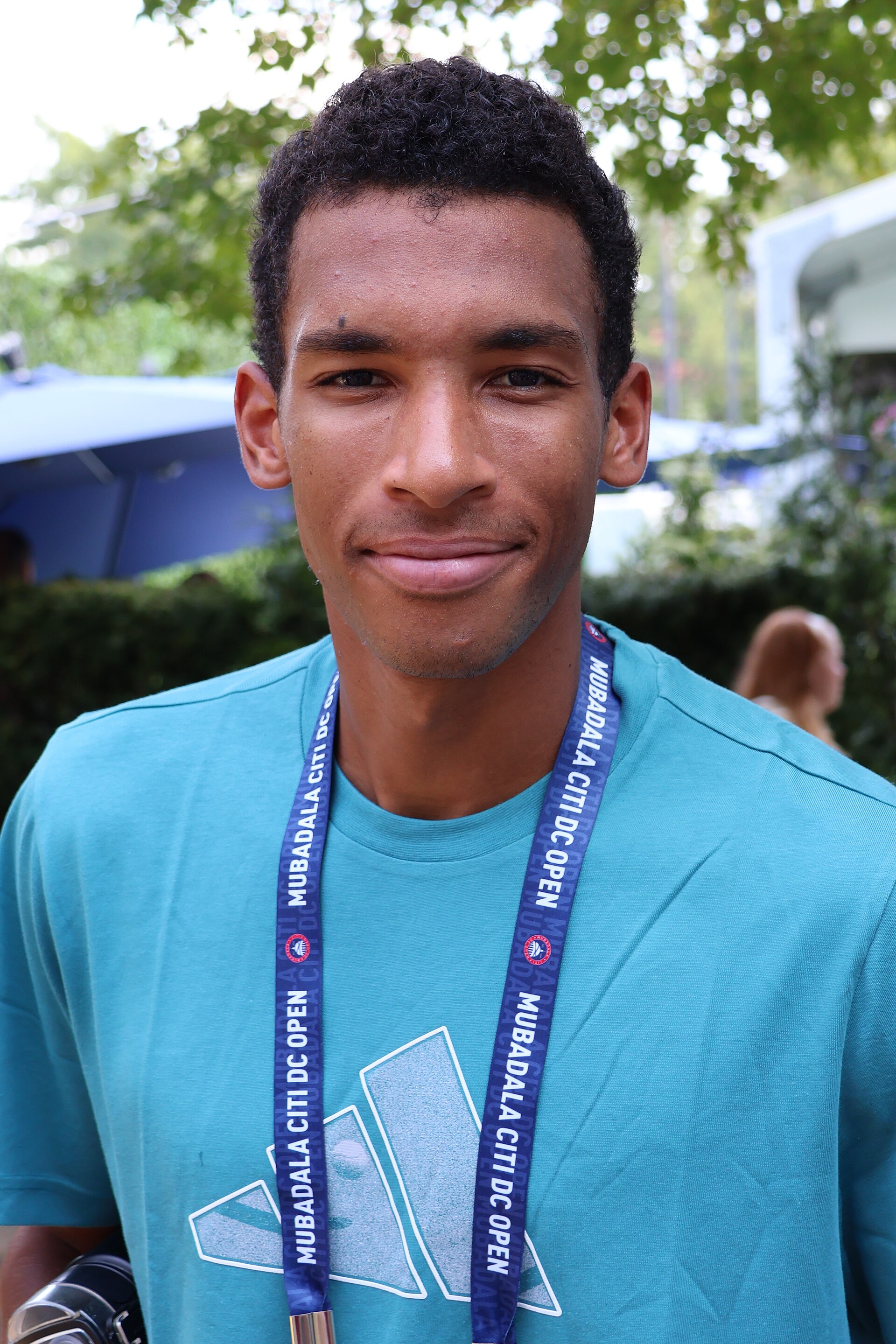
Tsitsipas passed Lorenzo Sonego, then played three sets against both Karen Khachanov and Matteo Berrettini before beating Tallon Griekspoor 6-4, 6-4 in the semifinal. Auger-Aliassime won all four pre-final matches in three sets, including a 5-7, 6-4, 6-3 semifinal against Quentin Halys. Their paths supplied different sequences of opponents and sets before they reached the same championship match.
Compare those routes by listing round, opponent and sets played in order, then examine the actual movements and choices at the start of the final. The preceding results provide background; final scores and shots record execution on the day. Keeping a tournament-route table beside a point log maintains that chronological relationship and gives each observation its place in the review.
Auger-Aliassime arrived after winning Adelaide and Montpellier earlier that season. Tsitsipas was pursuing the first ATP 500 title in his record, while the Canadian had a third title of the year available. Their pre-final histories show what each brought to the contest. That gives the opponent’s achievements a place alongside the striking losing-final sequence attached to Tsitsipas before the match.
Choose one pressure game and one opportunity game
A suggested reader review begins with one service game and one return game. Record the score before each point, whether the delivery was a first or second serve, return depth and the follow-up target. Add the point result afterward. Keeping observable actions beside the score allows choices and outcomes to be compared without requiring an attempt to explain every moment of the entire match.
- Service game: record whether a target was retained around break points and whether the server established a position for the next ball.
- Return game: observe returns put in play when the opponent holds game points, followed by rally direction and length.
- Next practice: choose the most repeated situation and create a short game from that same starting score.
For example, a reader exercise can begin each return game at 0-40, with one further lost point ending the game. Use ordinary scoring and record separately how often deuce is reached and how often the receiver breaks. Add whether the initial return landed and where the next ball was directed. The success counts then retain the actions performed alongside the outcome of the exercise.
Repeat the situation in another session, noting changes in the partner’s serve direction or pace. That allows the player to see whether a successful pattern remains available against a different incoming ball. When a similar score appears in competition, the practice record supplies a familiar decision to review. Keeping the observation task small makes the connection between watching a match and preparing for one more concrete.
Dubai 2025 produced a first win from twelve ATP 500 finals, a first title from three Dubai finals and seven break points saved from seven in the championship match. Reading those scopes beside the game sequence explains where the previously missing trophy entered the record. Four games from 2-3 and the return from 40-0 connect the larger milestone to events that can be followed on court.
Sources and further reading
Keep reading

Nuno Borges: from college tennis to his first ATP title
Nuno Borges’s 2024 Båstad title followed college tennis and a Melbourne breakthrough. Read the development choices behind the result, without the shortcut myth.
7 min read
Lehecka held serve for five matches. Sinner broke him in his second service game.
Lehecka’s 2026 Miami run ended against Sinner, but the useful story lies in 11 break points, a missed 0–40 chance and the difference between holding and controlling.
8 min read
Marta Kostyuk in Stuttgart: five saved, eight needed, then a different test
Kostyuk saved five match points against Zheng, needed eight against Gauff and rebuilt a lost lead against Vondroušová. Three pressure patterns from Stuttgart 2024.
7 min readTENNIS TENSION LAB
Check your racquet’s tension today.
Get a high-precision tension reading in under 10 seconds. Tension Lab tracks changes from your first reading and helps you see when to restring.
- High-precision tension measurement. Ready in under 10 seconds.
- Track every change in feel. See the full story over time.
- Time to restring? Never leave it to guesswork.