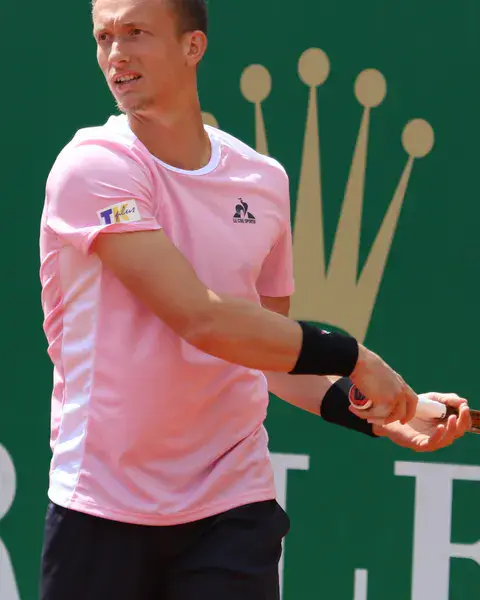
Lehecka held serve for five matches. Sinner broke him in his second service game.
An unbroken week is an achievement, not armour. The Miami final shows where to look when a serve that carried you through a tournament suddenly comes back.

The streak needed five matches to build and only two service games to end. Jiří Lehečka arrived in the 2026 Miami final without having lost serve during the tournament. Against Jannik Sinner on 29 March, he was broken in his second service game. Sinner won 6–4, 6–4. If that sounds like a good week suddenly becoming a bad one, look again: the final exposed a different level of pressure, while leaving the quality of the preceding run intact.
For a player wondering why yesterday’s dependable weapon is failing today, this is a better question than whether confidence disappeared. What changed in the ball coming back? How frequently did the opponent reach a threatening score? And when the server survived, did he regain control of the next rally or merely postpone the next difficult point?
Five clean results, two different routes to safety
ATP’s post-tournament report records nine break points saved across three matches, with no break points faced in the other two. Every service game ended the same way, but the routes were different. Some games never reached an immediate threat; others required Lehečka to escape one. “Unbroken” compresses both into a single attractive word.
His 6–2, 6–2 semi-final victory over Arthur Fils was particularly convincing. Lehečka faced no break point and broke Fils four times. That was not simply a serve keeping him alive while the return game waited. He took an early break, controlled the score and repeatedly put the other server under pressure. The final brought an opponent able to reverse that relationship.
The distinction matters when reviewing your own tennis. A set containing several long holds can feel secure because the scoreboard never shows a break. It may actually contain repeated warnings. Note whether you are holding comfortably, saving break points with a reliable pattern, or relying on the opponent missing the last ball. Those are different foundations for the next set.
Eleven chances tell more than two breaks
Sinner created 11 break points in the final and converted two, enough to separate the players in both sets. The total shows how often Lehečka had to defend a direct threat to his serve, even when he escaped. Holding was no longer simply about delivering his usual patterns: he had to respond to the pressure created by Sinner’s returns, then rebuild the next service game.
A break-point percentage can obscure this. The server can save a high proportion while still spending too much of the afternoon close to losing serve. Conversely, an opponent who converts a modest share may still have applied relentless pressure. The practical target is not just getting better at 30–40. It is identifying how the game arrived there: missed first serves, short follow-up balls, rushed attacks or returns that removed time.
Lehečka’s own assessment supports the pressure reading. He said Sinner’s return games kept making the match harder, while remaining pleased that his principal weapons had worked across the tournament. He could recognise progress and a limitation in the same answer. There was no need to declare the serve broken or the entire fortnight misleading.

The 0–40 chance was part of the story
Immediately after Sinner’s first break, Lehečka reached 0–40 on the Italian’s serve. The match had not become a one-way procession. Sinner then landed five consecutive first serves to escape. He won all 16 points played behind his first serve in the opening set, according to the ATP report.
Those details prevent two lazy conclusions. Lehečka did create a chance to restore the score; he did not simply accept the first setback. And a failed conversion does not automatically identify a timid returner. Here the server supplied a sequence of first deliveries that changed the task. To evaluate the returns properly, you would need their placement and quality, rather than deciding from the score alone that Lehečka “choked”.
For a match review, separate the opportunity from the quality of the ball you received. Mark a return that missed a makeable target differently from a point that began with an excellent first serve. Both may lose the point, but they suggest different practice priorities. The scoreboard supplies the moment; the ball supplies the problem.
Moving forward helped, without solving everything
Lehečka won 13 of 19 net points. The final report also describes Sinner taking the advantage in forehand exchanges and making Lehečka contact that wing above shoulder height. Coming forward offered an alternative to repeatedly accepting the same baseline exchange. Afterward Lehečka said he had wanted to use his first serve and approach more than in their 2025 Roland-Garros meeting.
Yet an approach is a transition, not a guarantee. At 4–4 in the second set, a missed forehand approach at 30–30 gave Sinner a break point, which he converted. The successful net points and that costly approach belong in the same assessment. The missed shot does not invalidate the whole idea; the overall net record does not erase the quality required to get forward at that moment.
In your next practice, judge whether the approach earns your move forward. Advance behind a deep ball struck in balance; prioritise recovery after a rushed, low or cramped contact. Let your partner choose the passing direction freely. The useful criterion is whether you can prepare a stable first volley, as well as whether that volley wins the point.
Borrow the review, not the professional’s targets
Try reviewing the next set under three headings: trouble before break point, response after losing serve, and the first ball after your serve. Under each, write one observable detail. “Three second serves landed short” is useful; “I lost belief” may describe a feeling but does not specify the next exercise. Keep the normal score and look for repeated patterns over several sessions rather than treating one set as a verdict.
Miami was also interrupted by rain, and the players described heavy conditions. That context belongs beside the technical observations, not as an automatic excuse or a measurable cause invented afterward. Lehečka compared the final favourably with his much heavier defeat on wet clay in Paris the previous year. Different conditions and a different result cannot isolate one improvement, but they explain why he saw value in the performance.
The strongest lesson is that a weapon can work and still meet an opponent who asks more of it. Lehečka’s five-match serving run earned a first Masters 1000 final. Sinner showed how much work remained by returning often enough to create repeated danger. When your own streak ends, start there: identify the new pressure before replacing the weapon that got you to the match.
Sources and further reading
- Miami Open / Harvey Fialkov — Sinner downs Zverev in slugfest, will play Lehecka in Sunday’s final of Miami Open
- ATP Tour / Grant Thompson — Sinner wins Miami, becomes first man since Federer to complete Sunshine Double
- ATP Tour — Lehecka satisfied, but sees big room for improvement
- Next Gen ATP Finals / Jerome Coombe — Jodar matches Djokovic feat by reaching Shanghai R4
Keep reading
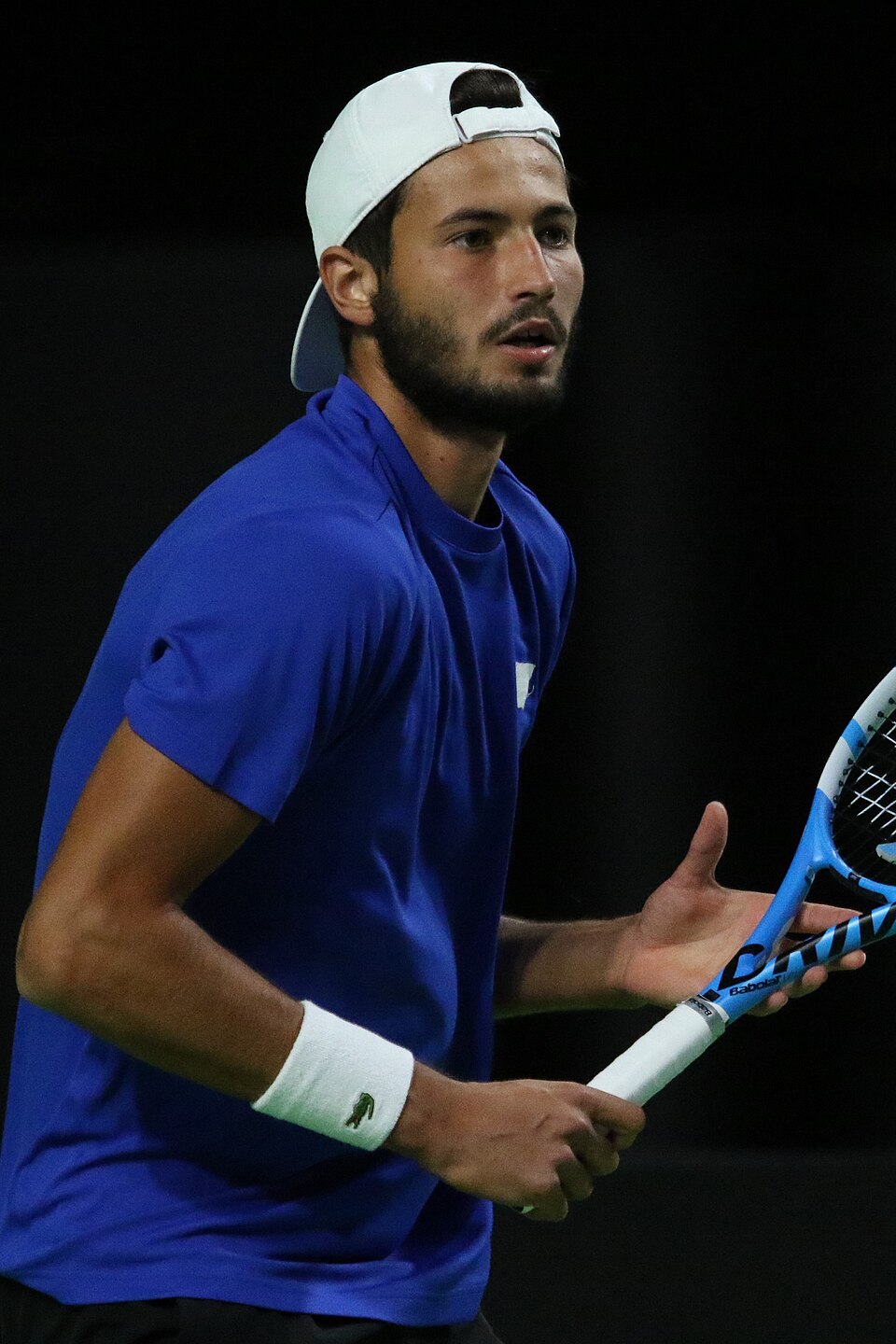
Titouan Droguet: 21 aces opened the door. A lob kept the next one open.
Droguet’s first ATP semi-final in Montpellier combined powerful serving, hard-won tie-breaks and a revealing response from Auger-Aliassime.
8 min read
Tsitsipas’s first Dubai ATP 500: twelve finals and seven break points saved
A 6-3, 6-3 title on March 1, 2025: read the ATP 500 final record, Dubai history and a return game reversed from 40-0 together.
6 min read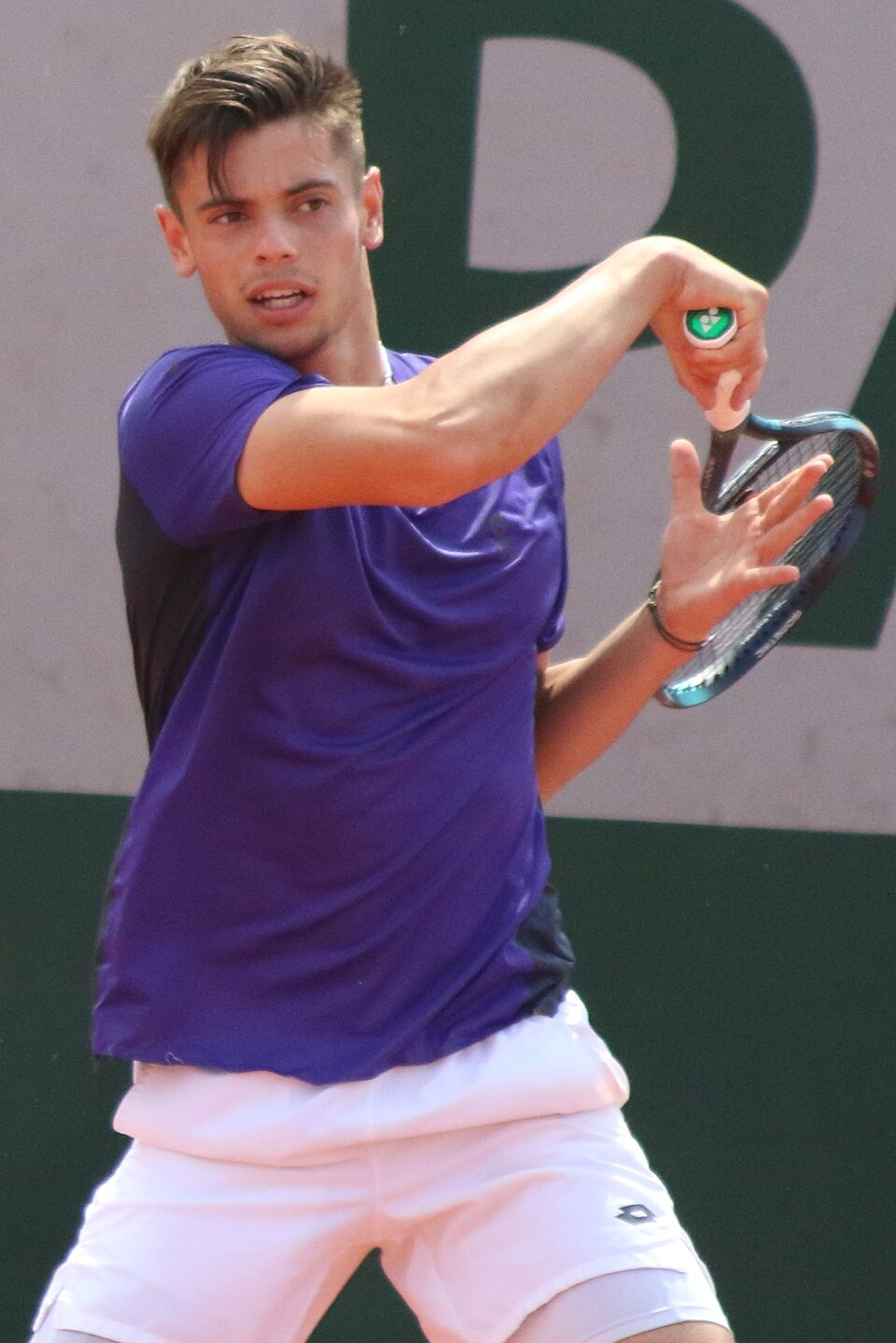
Arthur Gea’s 2026 breakthrough: from Australian Open upset to first ATP title
Arthur Gea’s 2026 path from Noumea to an Australian Open upset and a Los Cabos title reveals different steps behind one apparently sudden breakthrough.
8 min readTENNIS TENSION LAB
Check your racquet’s tension today.
Get a high-precision tension reading in under 10 seconds. Tension Lab tracks changes from your first reading and helps you see when to restring.
- High-precision tension measurement. Ready in under 10 seconds.
- Track every change in feel. See the full story over time.
- Time to restring? Never leave it to guesswork.