X-Natural versus Solstice Power: rough surfaces, different constructions
A textured exterior tells only part of the story. The fibres or polymer inside determine which category you are actually buying.
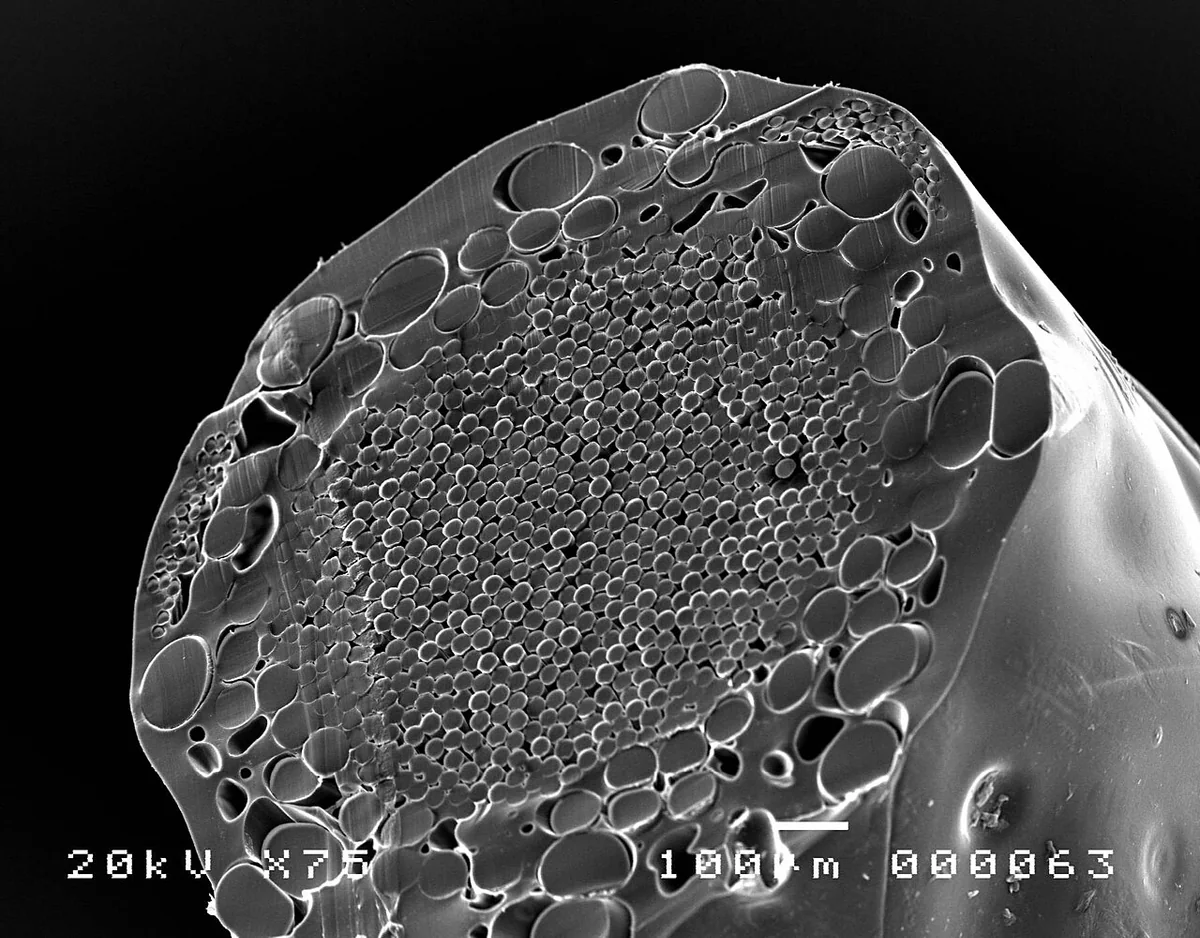
Solinco X-Natural and Diadem Solstice Power both advertise a textured or shaped route to ball contact, but they begin with different constructions. Solinco describes X-Natural as a multifilament whose fibres are bonded with thermoplastic polyurethane resin. Diadem describes Solstice Power as a co-poly with a six-pointed star profile. A player shopping by roughness alone can therefore cross from one material category to another without noticing.
The official product pages checked on October 18, 2026 give enough detail to make that difference useful. X-Natural combines high-modulus performance fibres, TPU bonding resin and a TPU–silicone dual coating. Its Diamond Rough process describes the exterior treatment. Solstice Power’s star describes its profile. Construction, binder, coating and profile answer different questions, so write them in separate lines when making a shortlist.
Open the description before choosing the texture
| Detail | Solinco X-Natural | Diadem Solstice Power |
|---|---|---|
| Construction | Multifilament fibres bonded with TPU resin | Co-poly |
| Surface or profile | TPU–silicone coating; Diamond Rough texture | Six-pointed star |
| Published diameters | 1.20 / 1.30 / 1.35 mm | 1.15 / 1.20 / 1.25 / 1.30 / 1.35 mm |
| Set length | 12.2 m | 12.2 m |
Multifilament describes a structure assembled from many fine fibres. In X-Natural, the published TPU resin binds those fibres together, while the outer coating and texturing add further features. The product name’s “Natural” is not a description of natural-gut construction. Its stated category is multifilament. For a player looking specifically for natural gut, checking that construction line prevents an expensive misunderstanding before the string reaches the machine.
Solinco calls the internal fibres high-modulus performance fibres but does not name their polymer in the inspected description. Keep the verified description at that level. TPU is identified as the bonding resin, and silicone appears in the outer coating. Turning those ingredients into a claim that every component is one particular polymer would erase the layered structure the manufacturer actually describes.
Diadem’s co-poly and six-pointed-star descriptions combine a material category with a cross-sectional shape. A star-shaped profile changes the outline that meets the ball and the other strings. It does not turn the product into a bundle of multifilament fibres. This distinction is especially useful for a player who likes a multifilament’s general response and is tempted to replace it with any product marketed around spin.
Use millimetres to choose the actual comparison
The two ranges overlap at 1.20, 1.30 and 1.35 mm. Solstice Power also offers 1.15 and 1.25 mm in the inspected listing. If the first question is how the two constructions suit your play, a common nominal diameter gives the comparison a clearer starting point. If you choose X-Natural 1.30 against Solstice Power 1.25, record that both construction and diameter changed; the difference is part of the purchase.
Gauge names alone are a weaker shopping key. Tennis Warehouse’s materials guide explains that gauge labels are not universal across manufacturers. Use the millimetre value on the exact package and invoice. For these two products, the practical order note is brand, model, diameter and package length. Add colour when it identifies the ordered variant. That is more reproducible than asking for a rough seventeen-gauge string.
Thicker and thinner options also represent different amounts of material and different contact geometry. The appropriate choice depends on the existing failure mode. A player cutting through strings at central intersections has a different question from a player whose intact stringbed has become difficult to control. Start with the observed problem, then choose one diameter within a construction before treating the entire range as equivalent.

A spin label cannot choose the whole installation
A textured surface concerns contact, while a complete installation also includes the frame, main and cross choices, reference tension and condition after use. The general materials guide places polyester strings toward the firmer, lower-powered end of common categories and associates them with faster swings. Use that broad distinction to ask whether a move to co-poly addresses your needs. A spin-focused product name alone offers little help with that decision.
The manufacturer pages contain comfort, power and spin positioning, but no comparable measurements under a shared installation protocol for these two products. That is the central evidence limit of this comparison. The specifications can identify what to buy and which variable changes; they cannot supply a numerical ranking of comfort, spin or usable lifetime between X-Natural and Solstice Power.
For a full bed, write down the one string installed in both directions. For a hybrid, specify the mains and crosses separately, including each diameter. Putting X-Natural in the crosses of a co-poly main creates a different system from using it throughout the frame. When reporting wear or a change in response, name the direction involved. Otherwise a note saying “X-Natural wore quickly” may conceal which string was rubbing against it.
Use the stringer’s guidance and the frame manufacturer’s permitted range to select an appropriate starting setup. Preserve a known suitable installation as the reference, with its exact materials and diameters. Transferring one tension number from a different material changes the surrounding system, so record the new job as a new setup. This is more useful than copying an anonymous reviewer’s number without their frame and playing context.
Buy for the problem, then inspect the right evidence
- If you want to stay within multifilament construction while exploring a textured exterior, X-Natural is the relevant category candidate from this pair.
- If you are specifically choosing a shaped co-poly, Solstice Power supplies that construction and five listed diameter options.
- If string breakage is the issue, record the break location, visible wear and hours of actual play before deciding which diameter to change.
- If response changes while the strings remain intact, describe the shots affected and the installation’s age instead of waiting for a break to define its condition.
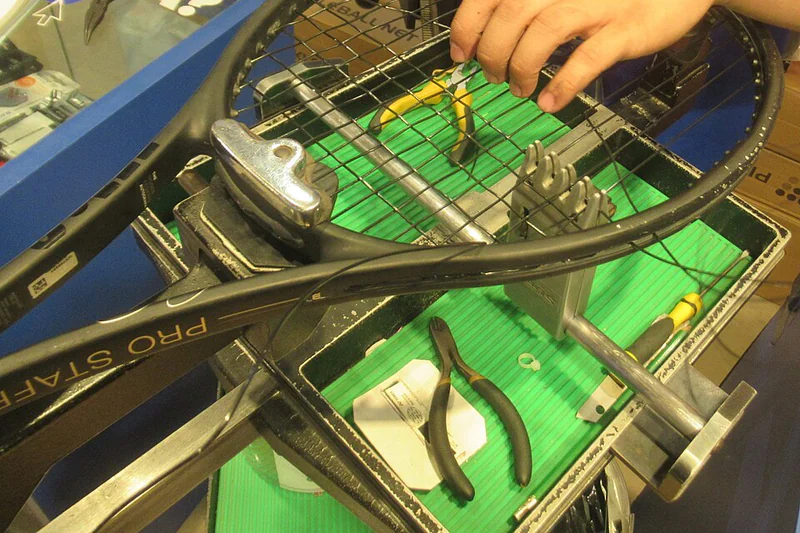
Visible fraying can help identify where fibre-based strings are wearing, while grooves and displaced intersections provide other observations. Photograph the same central region at intervals and keep the full installation alongside each picture. The photograph above shows fraying on a dated example racquet; the useful habit is repeatable observation of your own strings. Such a record turns a vague request for more durability into a discussion about a specific location and material pairing.
The buying decision becomes clearer when texture is moved below construction in the shortlist. X-Natural offers a TPU-bonded multifilament with a textured coating; Solstice Power offers a star-shaped co-poly. Choose the construction that addresses your playing and maintenance needs, select the actual millimetre diameter, and tell the stringer exactly where each string will go. Those details survive beyond the marketing word rough and into the racquet you use.
Sources and further reading
Keep reading

Should a spin string be rough or slippery? You are asking about two different surfaces
A 2016 surface experiment and reversed hybrid measurements reveal two kinds of friction. Use their mechanisms to structure a practical string comparison.
7 min read
A 200 m reel is not 16.7 string jobs: buy the cuts you can actually use
Tour M8 sets and reels, O-TORO’s two half sets and Mach-10’s 12.2 m set show why package length, cutting plan and completed jobs belong in a string budget.
7 min readTENNIS TENSION LAB
Check your racquet’s tension today.
Get a high-precision tension reading in under 10 seconds. Tension Lab tracks changes from your first reading and helps you see when to restring.
- High-precision tension measurement. Ready in under 10 seconds.
- Track every change in feel. See the full story over time.
- Time to restring? Never leave it to guesswork.