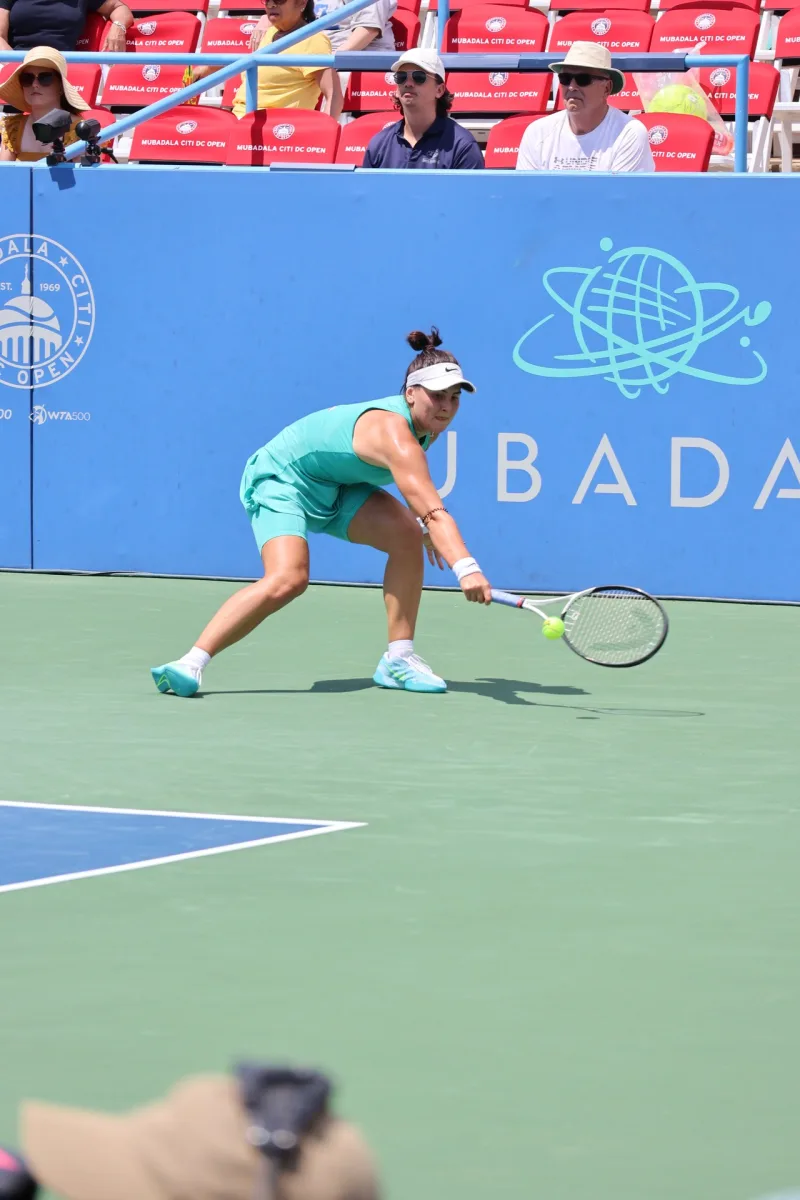
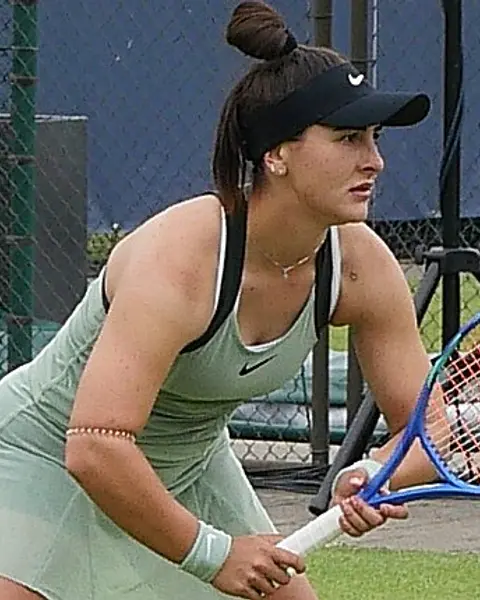
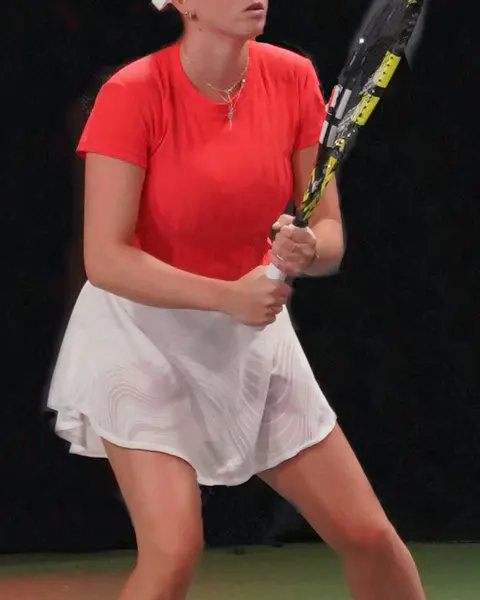
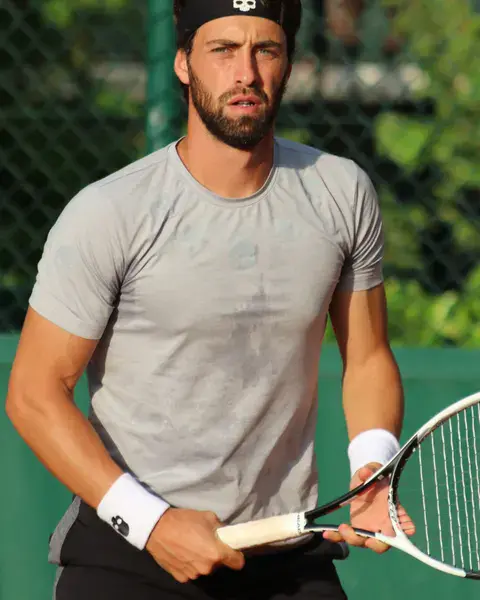
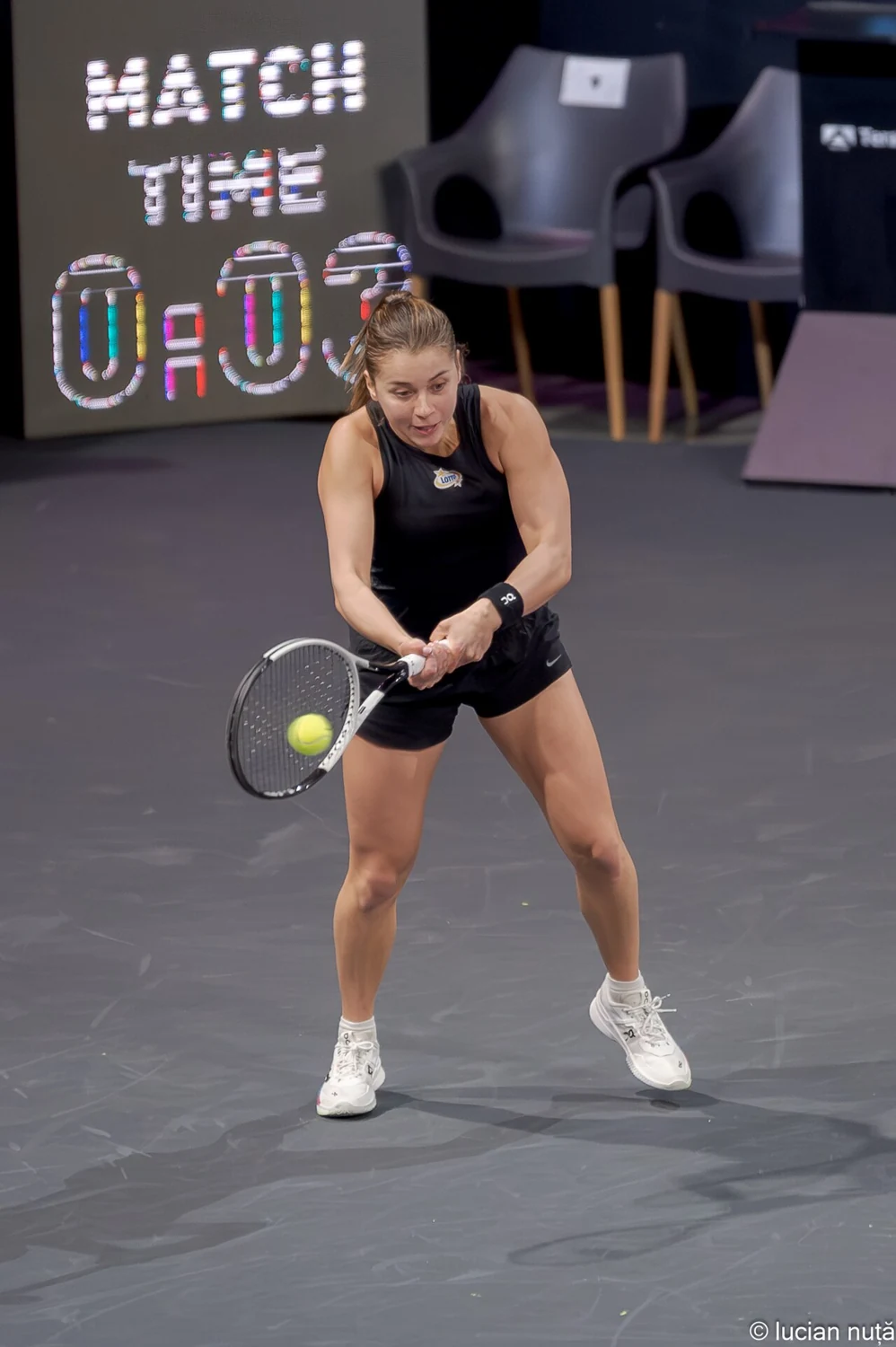
The first serving task is repeatedly tossing the ball where the racket can meet it. USTA coach Elliott Pettit’s introduction emphasises becoming comfortable with this non-dominant-hand action. A toss outside the intended contact forces the player to chase it, so establish the relationship between a comfortable contact and the toss first.
Our practice suggestion begins with tosses from the same foot position. Record whether the ball repeatedly drifts forward, back or sideways, rather than focusing on one successful attempt. Then hold the racket and check the same preparation. This can reveal a change in the toss when the swing is introduced.
USTA allows an abbreviated beginner motion starting with the racket behind the head. Connect the toss with racket-face contact, then expand towards a full throwing action once comfortable. If the same toss feels early or late in the full motion, compare the timing of the two actions slowly.

Choose a target within the service box and record toss, contact and bounce together. Separate serves made by chasing the toss or twisting away from the planned contact from those struck in the intended position. That record gives successful landings a useful movement context.
For intermediate players, USTA recommends a continental grip for experimenting with flat and sidespin serves, adding some knee action. Keep the target while trying one spin, and observe direction and bounce. Record which condition changes rather than altering toss, grip, target and speed together.
At the advanced stage, placement and spin become a joint intention. Pettit advises choosing where the ball should go and which spin to use, with a slow-to-fast tempo from preparation to delivery. Set the target, select the spin and observe that change of pace through the action.
If using short video clips, compare attempts from the same angle towards the same target. Review toss consistency, expected contact height and position, then the bounce. Start the next session with the most frequent mismatch before reconnecting the full action, linking the toss exercise to an actual serving choice.