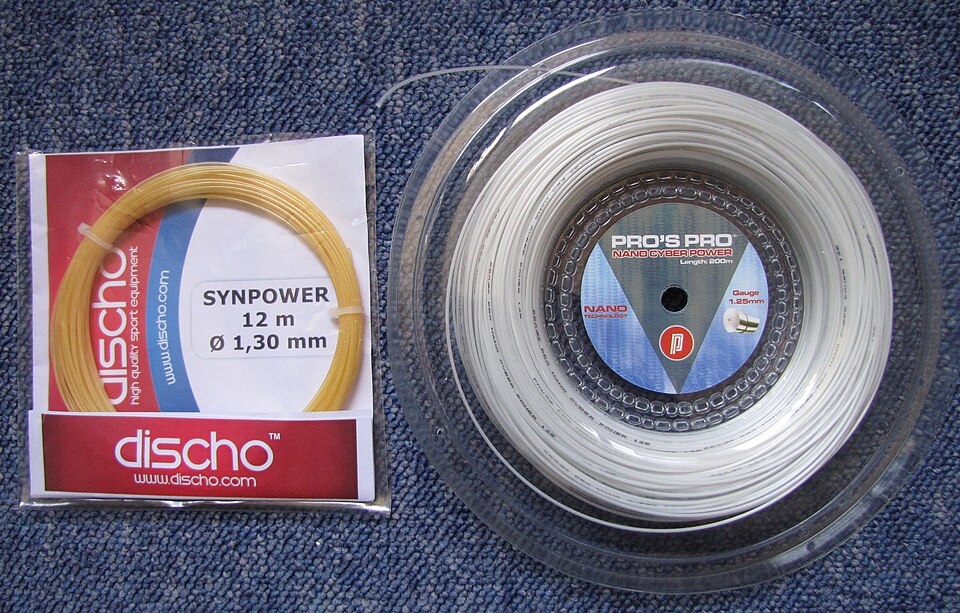
Choose material and construction first, then compare diameter in millimetres. Tennis Warehouse notes that gauge labels vary across brands and recommends the actual diameter. Recording material, construction and millimetres together makes the options easier to compare.
Synthetic gut is typically nylon and offers an economical all-round starting point. Multifilament combines many fine fibres and can suit a preference for a softer response and accessible depth. The guide notes a durability tradeoff for bigger hitters, so decide whether frequent breakage or feel is the main problem.
Natural gut uses animal-derived material and is presented as strong in tension maintenance and comfort, at a higher purchase price. Consider that cost alongside replacement frequency. Before changing, identify whether the current setup lacks depth, feel or durability.
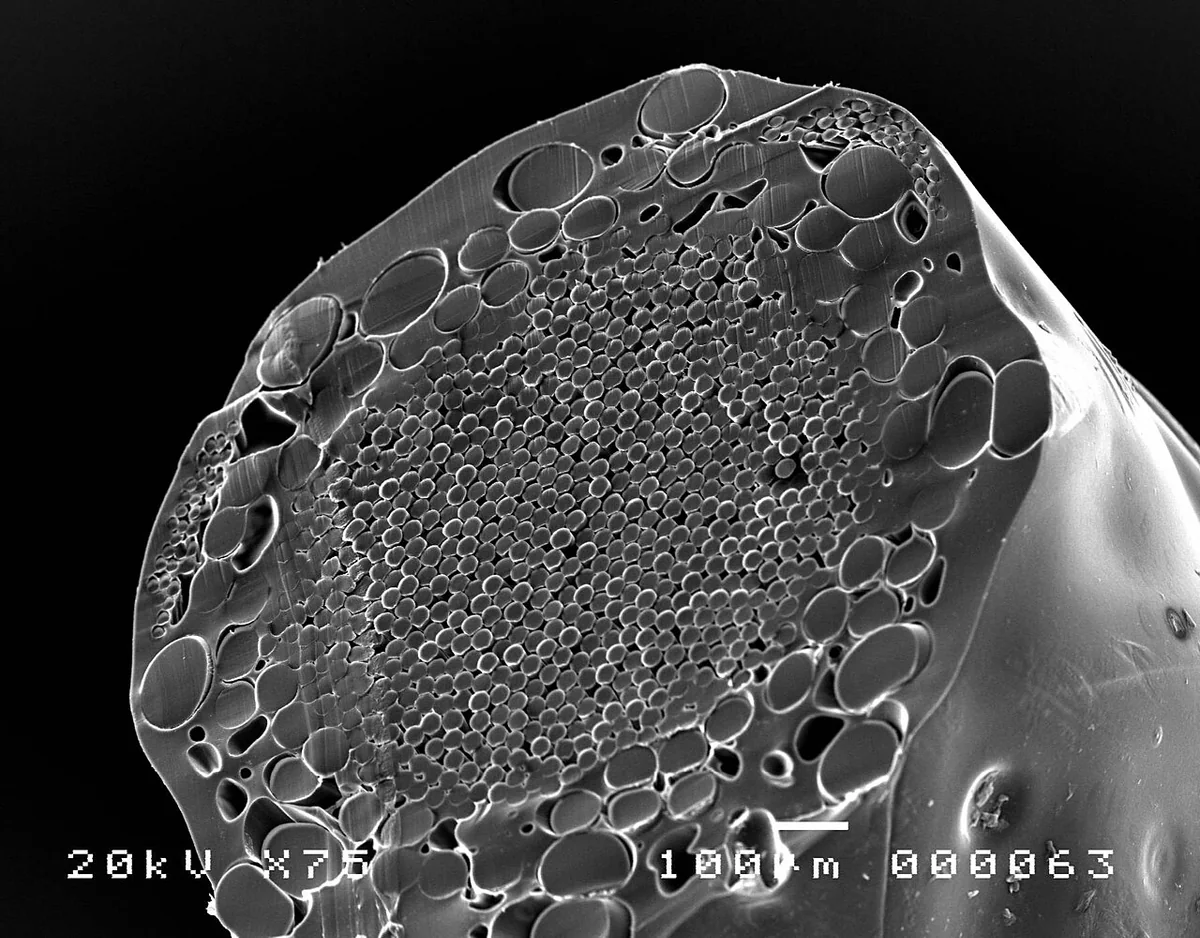
Polyester is a control-and-spin option for fuller, faster swings. The guide pairs its low power and firmness with faster tension loss and generally recommends alternatives for beginners. Players who seldom break strings and want easier depth can start by comparing synthetic gut and multifilament.
Compare diameters within one model where possible. The guide generally associates thinner strings with power and spin access, thicker ones with durability and control. Keeping material, model, racquet and tension conditions comparable helps identify the effect of changing diameter.
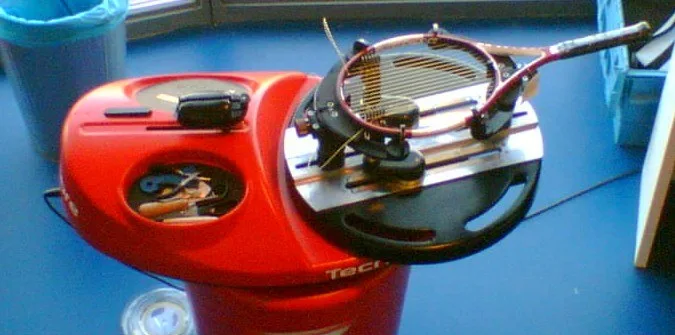
Use the racquet manufacturer’s tension range and your existing setup as the starting information. Tell the stringer the racquet, previous string, breakage pattern and desired change. Record model, diameter, tension and date at replacement so the next decision has a clear reference.
Replacement decisions also include a changed response during use. The guide describes substantial tension loss affecting control and feel as a reason to restring. Compare depth and directional control with the fresh setup and inspect worn intersections and string movement, linking material choice to an upkeep plan.