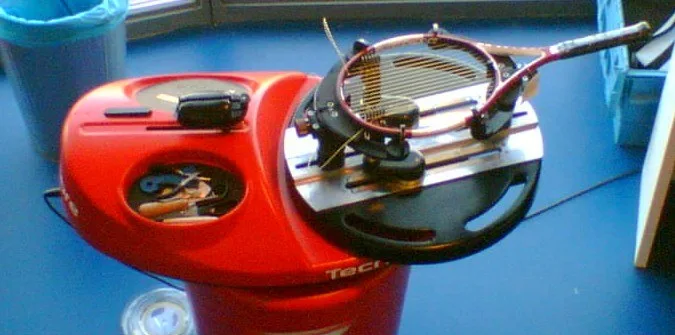
In a 16×19 pattern, the first number counts 16 vertical mains and the second 19 horizontal crosses. Tennis Warehouse explains pattern through both count and spacing. Within the same head size, more strings create smaller gaps and a denser bed.
Common open patterns include 16×18 and 16×19. With other conditions similar, the guide associates wider spacing with greater stringbed movement, a higher launch and easier access to depth and spin. A player whose usual swing leaves the ball short can assess whether that response better fits the intended trajectory.
The familiar dense pattern is 18×20, associated with a lower trajectory, firmer feel and precise placement. Matching head size matters: changing the head as well changes the hitting area and actual spacing. Inspect how closely the strings sit in the central hitting zone.
Spin also depends heavily on mechanics and swing speed. The guide notes that dense patterns can provide ample spin for some players and work well for slice. Use the desired height and depth to judge the response, rather than selecting a pattern from a stroke label alone.
Patterns such as 16×20 and 18×19 sit between the common categories. Since mains and crosses change independently, compare the particular head and central spacing. Record other differences, such as weight and balance, even within the same model family.
Our demo suggestion keeps string type, diameter and tension conditions comparable, then alternates normal cross-court rallies with attacking balls. Observe net clearance, depth beyond the service line and long misses. Note whether the new frame makes you restrain the swing or work harder for depth.
For upkeep, the broader racquet guide links increased string movement with abrasion and earlier breakage. If playing results are similar, consider your breakage pattern and preferred material. Frequent breakers can inspect wear and spacing; players seeking softer strings can weigh feel against replacement demands.