Strings and setup records
Choose material, gauge and main–cross combinations, then track changes after first use. Record installation dates and playing time to guide the next adjustment.
Algunos artículos se ofrecen en su idioma original. Cada enlace indica el idioma. 한국어 · English · 繁體中文
Comentar →
Publication and correction timeline
Source publication, publication on this site, updates and corrections for articles linked to this topic. These are not the times when matches or real-world events happened. Titles and links point to current article editions, not reconstructed historical drafts.
Gosen AK Pro CX 17: read the 1.24 mm construction before choosing by category
The date this site published the article, separate from the date of a match, study or event it discusses.
Sources linked to this article · 2
Four gauges for Hyper-G Round, two for the Hybrid System
The date this site published the article, separate from the date of a match, study or event it discusses.
Sources linked to this article · 2
Inside Lynx Touch: two material regions in one monofilament
The date this site published the article, separate from the date of a match, study or event it discusses.
Sources linked to this article · 1
Polyester and nylon inside one string: NXT Control 16 at 1.32 mm
The date this site published the article, separate from the date of a match, study or event it discusses.
Sources linked to this article · 1
O-TORO has six sides; O-TORO SPIN has five at the same 1.23 mm
The date this site published the article, separate from the date of a match, study or event it discusses.
Sources linked to this article · 3
Before choosing polyester only for durability
Added the fast-swing response, alternative materials, hybrids and tension-maintenance considerations.
Sources linked to this article · 2
Eight sides for REV, five for SPIN: two POLYTOUR profiles
The date this site published the article, separate from the date of a match, study or event it discusses.
Sources linked to this article · 2
Inside REXIS ACTIVATE 125: nylon core and three manufacturer technologies
The date this site published the article, separate from the date of a match, study or event it discusses.
Sources linked to this article · 1
Both octagonal: RPM Team and Rough differ in density and surface design
The date this site published the article, separate from the date of a match, study or event it discusses.
Sources linked to this article · 2
Metallic ribbons around nylon fibres: Sensation Plus at 1.28 and 1.34 mm
The date this site published the article, separate from the date of a match, study or event it discusses.
Sources linked to this article · 2
Pigment, extrusion and five gauges: what Diadem says about Solstice Black
The date this site published the article, separate from the date of a match, study or event it discusses.
Sources linked to this article · 1
The 2007 Speedport Black: two insert systems change the same frame’s feel
The date this site published the article, separate from the date of a match, study or event it discusses.
Sources linked to this article · 1
Separate material from gauge when choosing strings
Added material and construction choices, millimetre comparisons, setup records and replacement decisions.
Sources linked to this article · 1
6.8 m mains and 6.3 m crosses: what Tour Bite + Vanquish contains
The date this site published the article, separate from the date of a match, study or event it discusses.
Sources linked to this article · 2
Both co-poly, both 1.23 mm: WASABI PRO pairs square mains with round crosses
The date this site published the article, separate from the date of a match, study or event it discusses.
Sources linked to this article · 2
Polyamide in the filaments, matrix and coating: the Xplore construction
The date this site published the article, separate from the date of a match, study or event it discusses.
Sources linked to this article · 1
Before choosing polyester only for durability
The date this site published the article, separate from the date of a match, study or event it discusses.
Sources linked to this article · 2
Separate material from gauge when choosing strings
The date this site published the article, separate from the date of a match, study or event it discusses.
Sources linked to this article · 1
Separate material from gauge when choosing strings
Added a Traditional Chinese edition. The existing Korean and English text and source reference dates are unchanged.
Sources linked to this article · 1
Broken strings: the backup-racquet clock and a receiver’s first-serve restart
The source publication date recorded for this article. It does not mean that every linked source below was published on this date.
Sources linked to this article · 2
De la primera tensión al cambio: decisiones más allá de la app
Elige la tensión inicial, interpreta la primera caída y decide entre continuar, ajustar el próximo encordado o sustituir. Los valores ficticios de la app se identifican como estimaciones.
8 min de lectura
Tu raqueta ya se ha enfriado. ¿Se han recuperado las cuerdas?
Un experimento sobre temperatura y cordaje explica por qué enfriar la raqueta después de guardarla con calor puede no devolverle su tensión anterior, y por qué hay que leer con cuidado los porcentajes de pérdida.
7 min de lectura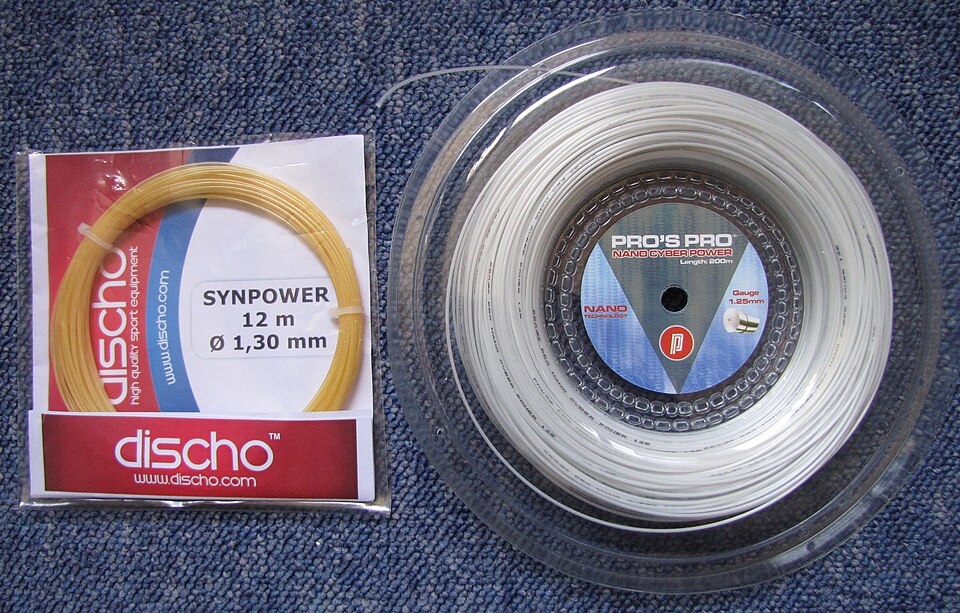
¿1,20 o 1,25 mm? Lo que esos 0,05 milímetros no pueden prometer.
Un cordaje más fino no es necesariamente más blando ni genera más efecto. Distingue diámetro, rigidez en el impacto y horas de juego satisfactorio antes de elegir calibre o comprar una bobina.
8 min de lecturaMisma tripa, mismo poliéster: invertir verticales y horizontales cambia el híbrido
Tripa en verticales y poliéster en horizontales no es lo mismo que al revés. Mediciones históricas de rozamiento explican por qué importa el orden y qué anotar al comparar híbridos.
9 min de lectura¿Nunca rompes cuerdas? El poliéster puede salirte más caro
La resistencia a la rotura y la vida útil en pista no son lo mismo. Cómo comparar poliéster, multifilamento y nylon sin confundir duración con ahorro.
7 min de lectura
¿Un cordaje para generar efecto debe ser rugoso o deslizante? Estás preguntando por dos contactos distintos
El agarre entre pelota y cuerda y la fricción entre verticales y horizontales cumplen funciones diferentes. Cómo interpretar las promesas de efecto, los ensayos de híbridos y el movimiento visible del cordaje sin confundirlos.
8 min de lecturaPor qué un poliéster usado puede sentirse más duro aunque pierda tensión
La caída de tensión no explica por sí sola el desgaste del poliéster. Cómo distinguir deformación, fricción entre cuerdas y cambios de trayectoria antes de volver a encordar.
7 min de lectura
Jack Draper prueba la tripa natural: jugar en serio no obliga a usar poliéster
Qué puede aprender un jugador avanzado del ensayo de Draper: rigidez, vida útil y comparación de cordajes sin copiar una receta profesional que no conocemos.
8 min de lectura