Strings and setup records
Choose material, gauge and main–cross combinations, then track changes after first use. Record installation dates and playing time to guide the next adjustment.
Alcuni articoli sono disponibili in lingua originale. La lingua è indicata su ogni link. 한국어 · English · 繁體中文
Discutine →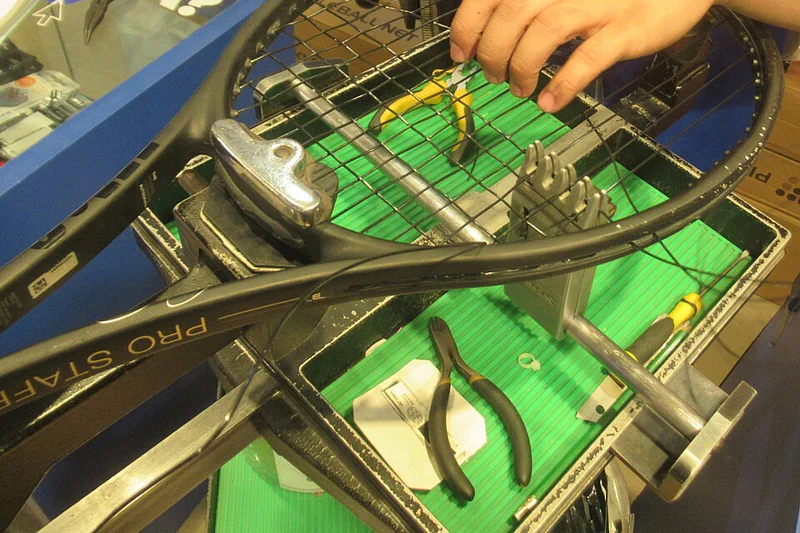
Publication and correction timeline
Source publication, publication on this site, updates and corrections for articles linked to this topic. These are not the times when matches or real-world events happened. Titles and links point to current article editions, not reconstructed historical drafts.
Four gauges for Hyper-G Round, two for the Hybrid System
The date this site published the article, separate from the date of a match, study or event it discusses.
Sources linked to this article · 2
Inside Lynx Touch: two material regions in one monofilament
The date this site published the article, separate from the date of a match, study or event it discusses.
Sources linked to this article · 1
Polyester and nylon inside one string: NXT Control 16 at 1.32 mm
The date this site published the article, separate from the date of a match, study or event it discusses.
Sources linked to this article · 1
O-TORO has six sides; O-TORO SPIN has five at the same 1.23 mm
The date this site published the article, separate from the date of a match, study or event it discusses.
Sources linked to this article · 3
Before choosing polyester only for durability
Added the fast-swing response, alternative materials, hybrids and tension-maintenance considerations.
Sources linked to this article · 2
Eight sides for REV, five for SPIN: two POLYTOUR profiles
The date this site published the article, separate from the date of a match, study or event it discusses.
Sources linked to this article · 2
Inside REXIS ACTIVATE 125: nylon core and three manufacturer technologies
The date this site published the article, separate from the date of a match, study or event it discusses.
Sources linked to this article · 1
Both octagonal: RPM Team and Rough differ in density and surface design
The date this site published the article, separate from the date of a match, study or event it discusses.
Sources linked to this article · 2
Metallic ribbons around nylon fibres: Sensation Plus at 1.28 and 1.34 mm
The date this site published the article, separate from the date of a match, study or event it discusses.
Sources linked to this article · 2
Pigment, extrusion and five gauges: what Diadem says about Solstice Black
The date this site published the article, separate from the date of a match, study or event it discusses.
Sources linked to this article · 1
The 2007 Speedport Black: two insert systems change the same frame’s feel
The date this site published the article, separate from the date of a match, study or event it discusses.
Sources linked to this article · 1
Separate material from gauge when choosing strings
Added material and construction choices, millimetre comparisons, setup records and replacement decisions.
Sources linked to this article · 1
6.8 m mains and 6.3 m crosses: what Tour Bite + Vanquish contains
The date this site published the article, separate from the date of a match, study or event it discusses.
Sources linked to this article · 2
Both co-poly, both 1.23 mm: WASABI PRO pairs square mains with round crosses
The date this site published the article, separate from the date of a match, study or event it discusses.
Sources linked to this article · 2
Polyamide in the filaments, matrix and coating: the Xplore construction
The date this site published the article, separate from the date of a match, study or event it discusses.
Sources linked to this article · 1
Before choosing polyester only for durability
The date this site published the article, separate from the date of a match, study or event it discusses.
Sources linked to this article · 2
Separate material from gauge when choosing strings
The date this site published the article, separate from the date of a match, study or event it discusses.
Sources linked to this article · 1
Separate material from gauge when choosing strings
Added a Traditional Chinese edition. The existing Korean and English text and source reference dates are unchanged.
Sources linked to this article · 1
Broken strings: the backup-racquet clock and a receiver’s first-serve restart
The source publication date recorded for this article. It does not mean that every linked source below was published on this date.
Sources linked to this article · 2
Dalla prima tensione al cambio corde: oltre il numero dell’app
Scegli il punto di partenza, interpreta il calo iniziale e decidi se continuare, modificare la prossima incordatura o sostituire. Le stime ipotetiche dell’app sono indicate chiaramente.
8 minuti di lettura
La racchetta si è raffreddata. Le corde hanno recuperato?
Un esperimento sulla temperatura delle corde spiega perché raffreddare una racchetta dopo averla lasciata al caldo potrebbe non ripristinare la tensione precedente, e perché le percentuali di perdita più citate richiedono attenzione.
7 minuti di lettura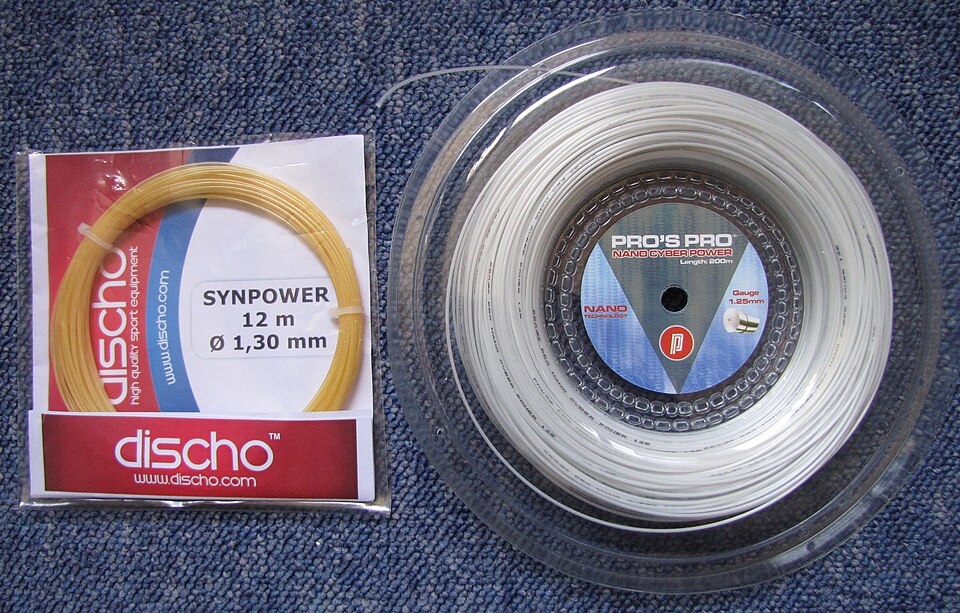
1,20 o 1,25 mm? Quello che 0,05 millimetri non possono promettere.
Una corda più sottile non è automaticamente più morbida né produce necessariamente più spin. Come leggere diametro nominale, rigidità all’impatto e durata utile prima di scegliere il calibro o comprare una matassa.
8 minuti di letturaStesso budello, stesso poliestere: invertire verticali e orizzontali cambia l’ibrido
Budello nelle verticali e poliestere nelle orizzontali non equivalgono al contrario. Misure storiche dell’attrito spiegano perché conta l’ordine e che cosa annotare prima del confronto.
9 minuti di letturaNon rompi mai le corde? Il poliestere può costarti di più
Resistenza alla rottura e durata delle buone sensazioni non coincidono. Come scegliere il materiale considerando gioco e manutenzione.
7 minuti di lettura
Una corda da spin deve essere ruvida o scorrevole? Stai parlando di due contatti diversi
La presa tra palla e corda e l’attrito tra verticali e orizzontali svolgono compiti diversi. Come leggere le promesse sullo spin, i test degli ibridi e il movimento visibile delle corde senza confonderli.
8 minuti di letturaPerché un vecchio monofilamento può sembrare più duro anche se perde tensione
La tensione non racconta tutto: flessione del piatto, attrito tra le corde e traiettoria d’uscita possono cambiare in modi diversi. Come capire quando reincordare.
7 minuti di lettura
Draper prova il budello: il poliestere non è una patente da agonista
Che cosa può imparare un giocatore esperto dal test di Jack Draper: rigidità, durata utile e confronti sensati, senza copiare una ricetta da professionista che non conosciamo.
8 minuti di lettura