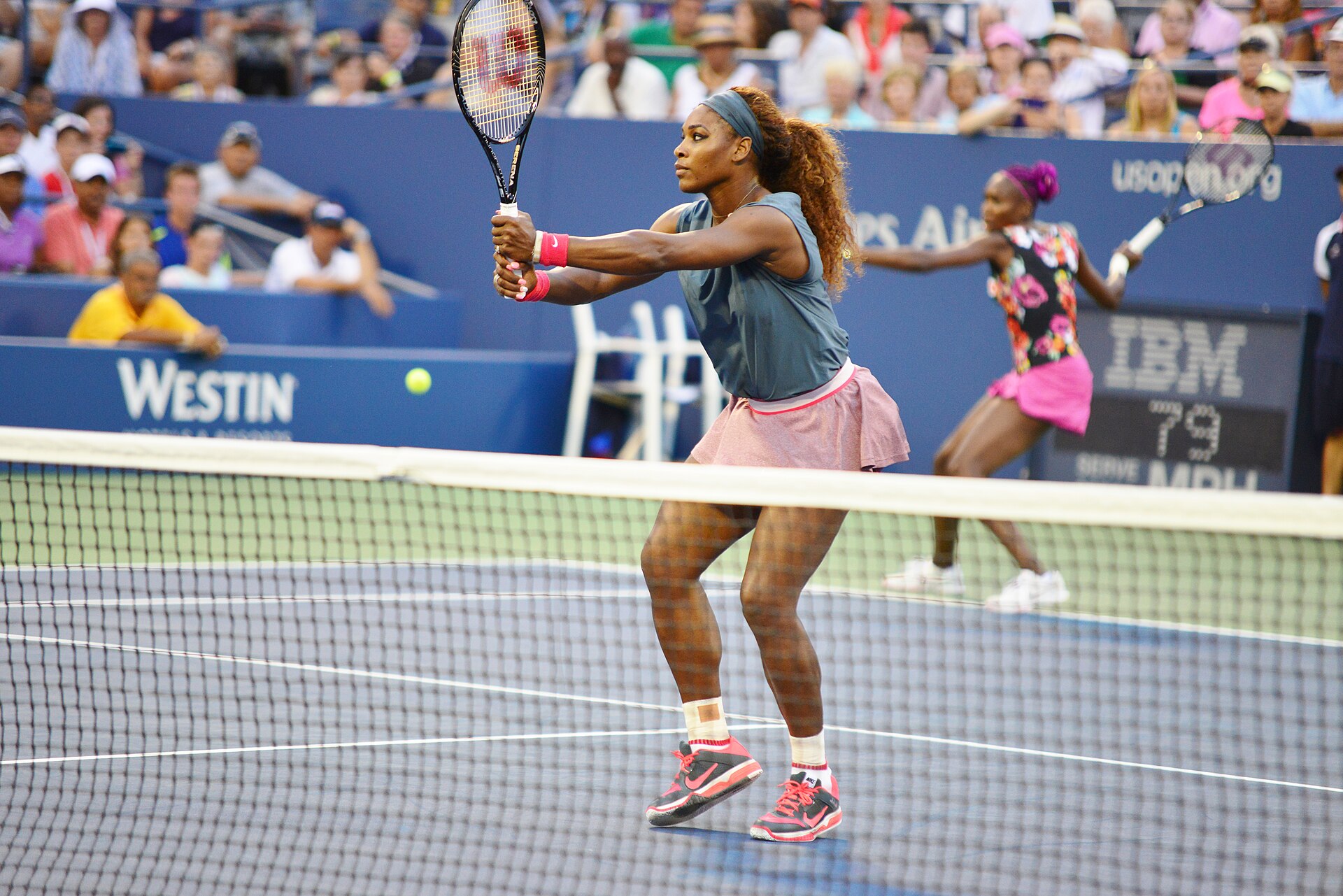
What the receiver’s partner should watch
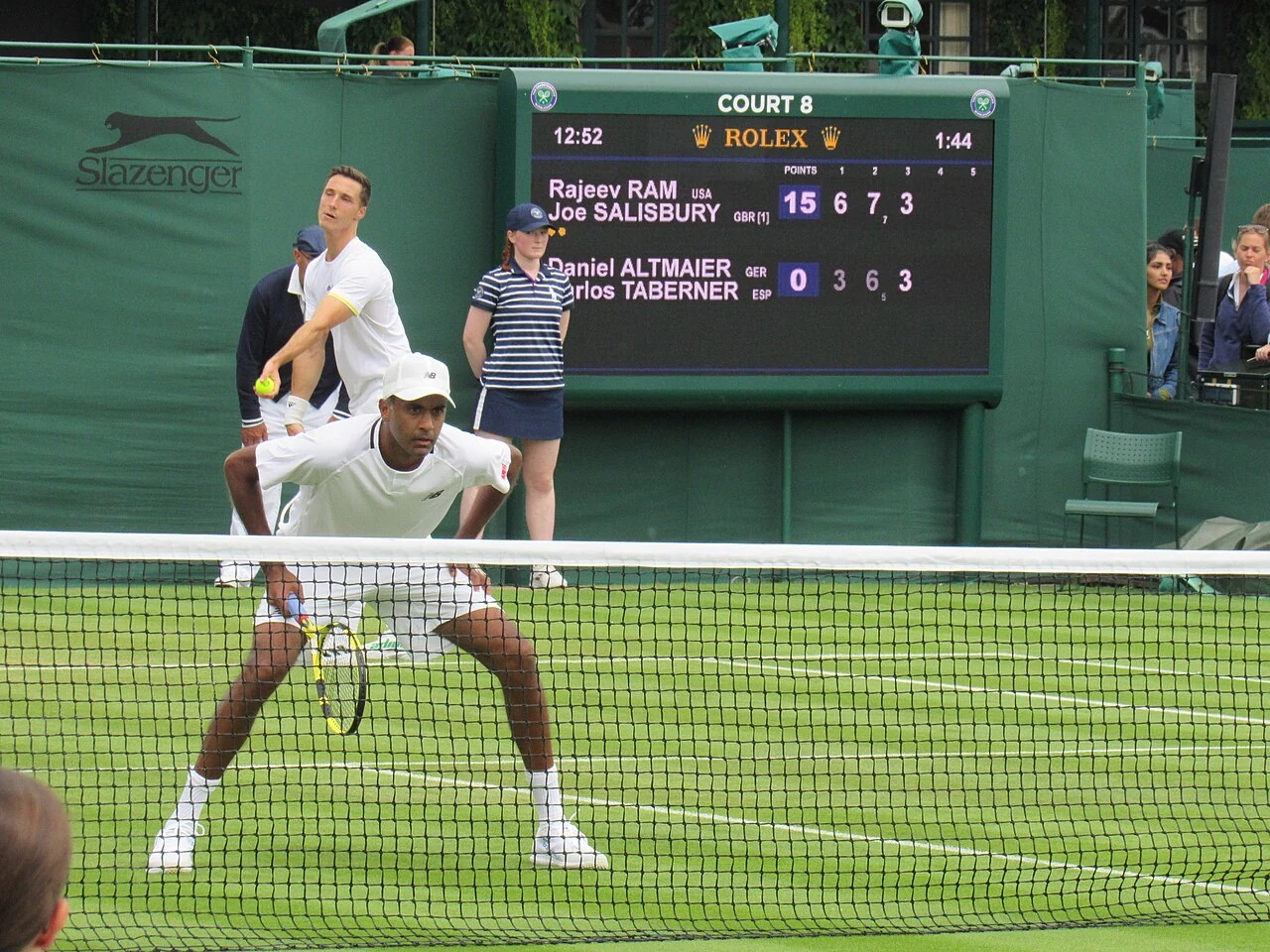
Use the return and the opponent’s next contact to decide whether to advance, hold or retreat.
Некоторые статьи доступны на языке оригинала. Язык указан у каждой ссылки. 한국어 · English · 繁體中文
357 · 10 / 24
Use the return and the opponent’s next contact to decide whether to advance, hold or retreat.
Use four corners and a centre marker for movement, stopping and recovery; progress from a known sequence to colour cues and then a rally with a ball.
Manual point-by-point records contain core and optional fields. Compare dates, opponents, surfaces and the fields actually recorded.
A dampener changes string vibration and impact sound. Check the placement and security of button and worm designs, then compare sound and feel on the same racquet.
The four-server sequence and deuce/ad receiving assignments stay fixed for the set. Examples show what can change in a new set and what happens during rallies.
In Tennis Abstract’s October 5 table, Lehecka was eighth in overall Elo while its ATP Rank column listed 16. Read opponent-strength and surface ratings in context.
Polyester’s firm, low-powered response can suit fast swings. Players who rarely break strings should compare feel, tension maintenance and replacement demands first.
Use WTA’s 52-week rules, expiring points, an October 7 ATP Race gap and a Slam-winner qualification case to interpret the tables.
Mass, balance and swingweight describe different parts of handling. Compare candidate racquets through quick returns and sustained rallies.
From 40-all, win two consecutive points; in a standard tiebreak, reach seven with a two-point lead. Follow the service rotation and six-point change of ends.
A net-touching serve into the correct box is replayed. Examples explain a miss outside the box, post contact and stepping on the baseline.
Use USTA’s progression from toss to abbreviated motion and full action, then add a target and spin. Compare contact and placement as speed develops.
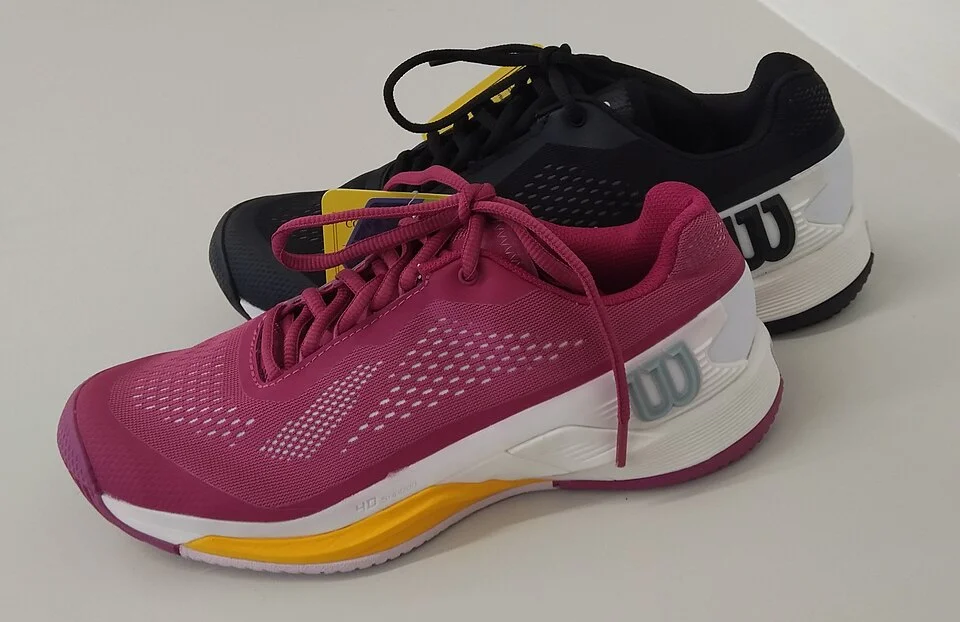
Choose between lighter flexible construction and more substantial support according to your movement. Compare starts, stops and cuts under matched conditions.
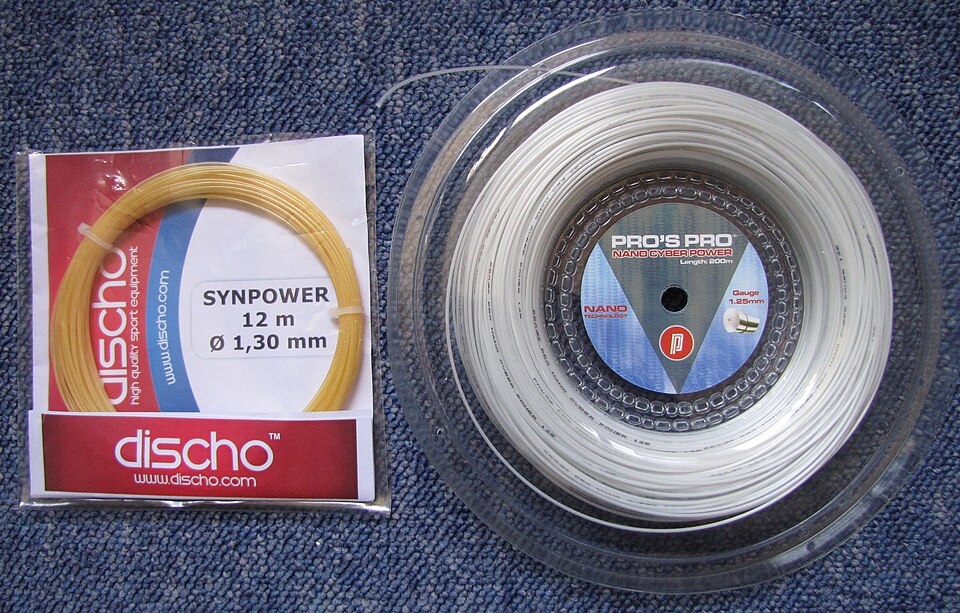
Choose material and construction, then compare diameter in millimetres. A decision guide for synthetic gut, multifilament, natural gut and polyester.
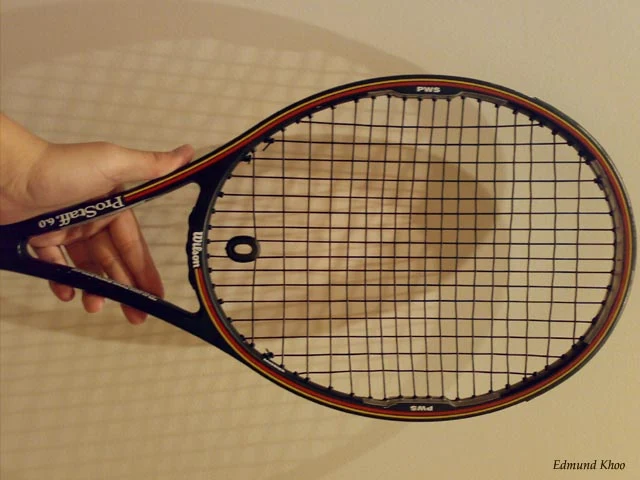
16×19 means 16 mains and 19 crosses. Compare launch, depth and string movement when pattern density changes within a similar head size.