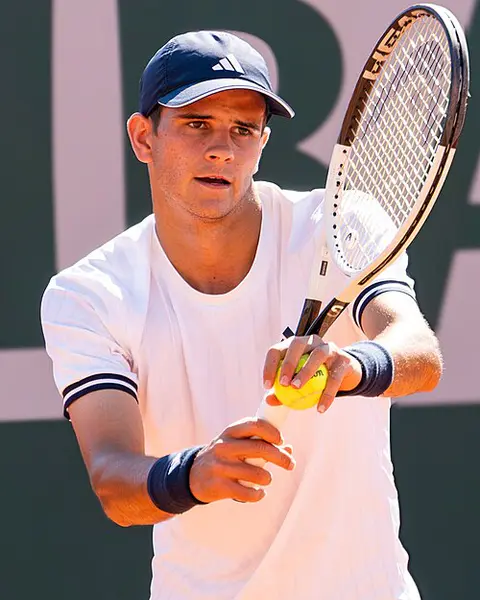
Jodar’s Shanghai runner-up run: four comebacks before the final
He lost the first set and won in each of his first four matches, then won the semifinal in two. In the final, Davidovich Fokina recovered from the set-and-break lead Jodar had built.
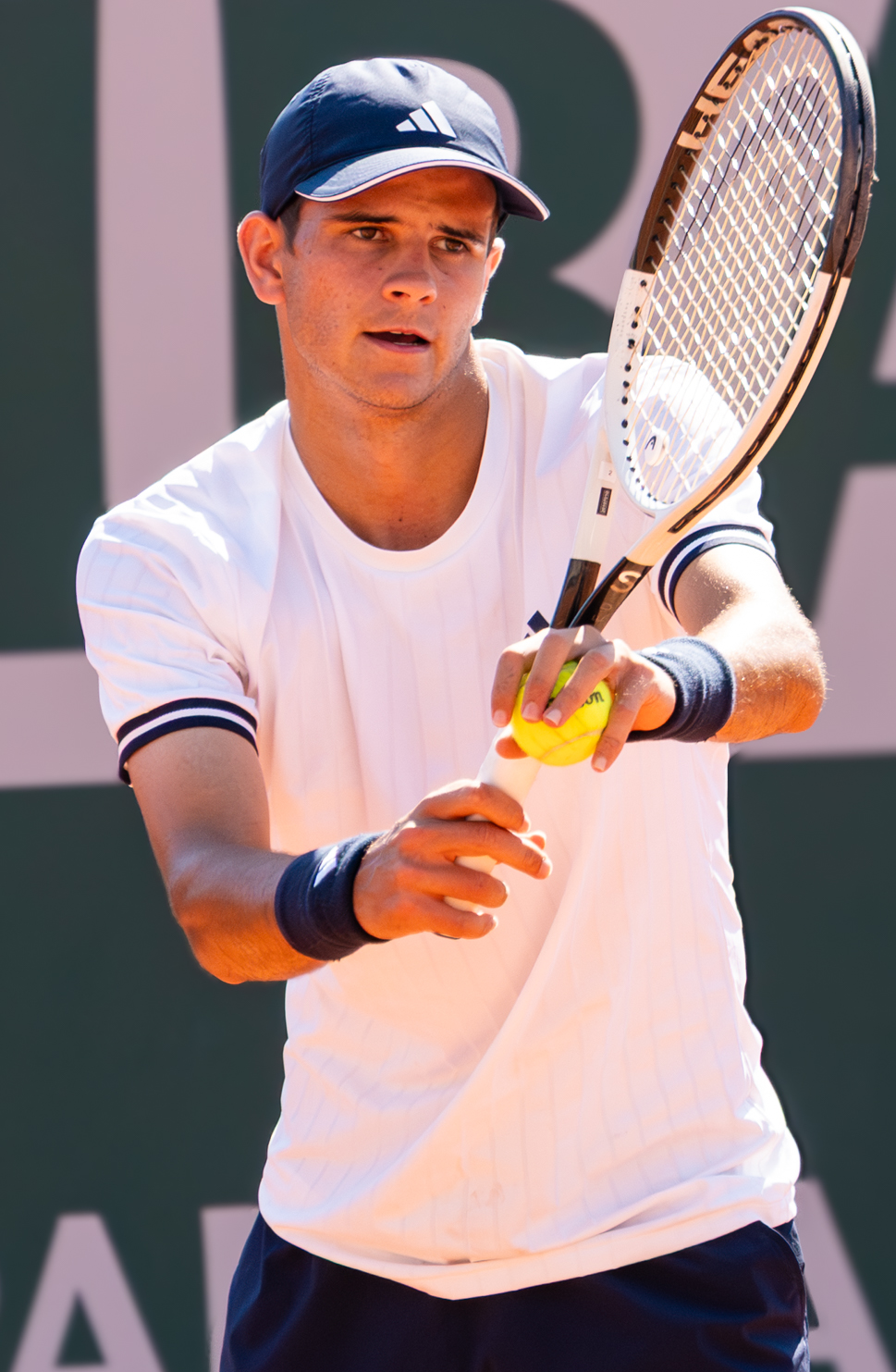
Rafael Jodar lost the opening set in each of his first four matches at the 2026 Shanghai Masters and won all four. In the October 17 semifinal, he beat Daniil Medvedev 6–3, 6–4 for his first straight-sets win of the week. His five matches to the final comprised 14 sets, ten won. Each comeback and the two-set semifinal involved a different response to pressure.
The repeated comebacks become more informative when the differences are preserved. Against his first opponent, Jodar saved deciding-set break points. Against the next, he needed a second-set tiebreak. An early break then helped reverse another match, while five breaks across the last two sets drove the win over Casper Ruud. Each was a recovery from a set down, but the recorded turning points were different.
Five matches, different turning points
| Date | Opponent | Score from Jodar’s perspective |
|---|---|---|
| 10/10 | Thiago Agustin Tirante | 4–6, 6–2, 6–3 |
| 10/12 | Jiří Lehečka | 4–6, 7–6(2), 6–4 |
| 10/14 | Botic van de Zandschulp | 6–7(4), 6–4, 6–2 |
| 10/16 | Casper Ruud | 4–6, 6–4, 6–3 |
| 10/17 | Daniil Medvedev | 6–3, 6–4 |
The sequence begins with the second round on October 10 and ends with the semifinal on October 17. Every opening-set defeat in the first four rows is followed by two sets won. The fifth row contains two wins from the outset. Four comebacks therefore describes the initial four matches; five victories includes the semifinal. Keeping that scope fixed produces an accurate account before any final result is available.
This analysis connects scores and decisive passages recorded in the official match reports. Quantifying physiological fatigue or whole-match shot success would require additional measurement. The comparisons here use the documented timing of breaks, saved opportunities, tiebreaks and attacking sequences, which provide specific differences between matches.
The first two matches: protect the serve, then win a tiebreak
The opening result against Thiago Agustin Tirante was 4–6, 6–2, 6–3. The October 10 report records all six break points faced in the deciding set being saved. Six saves from six opportunities is concrete evidence of how Jodar preserved his service games. The last set still contained repeated chances for the opponent; Jodar’s task was to remove those chances while maintaining the lead required to finish.
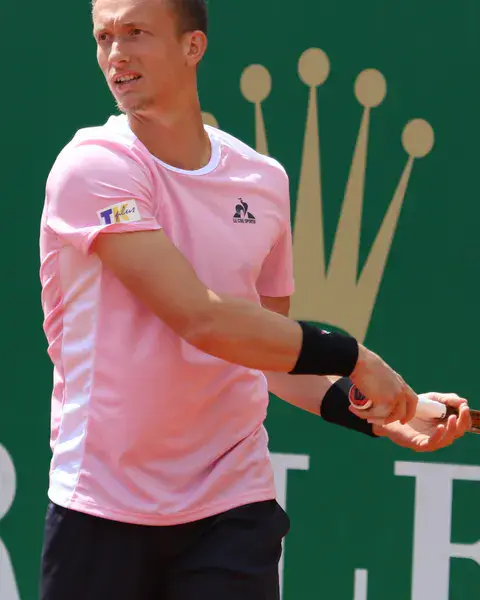
Against Jiří Lehečka on October 12, the score was 4–6, 7–6(2), 6–4. Jodar kept the second set alive until a tiebreak, won it 7–2 and then took the deciding set. Lehečka had reached the Tokyo final immediately before Shanghai. The victory also moved Jodar to 2–0 in their head-to-head series. Where the first match highlighted service danger in the decider, the second hinged on a tiebreak played one set from defeat.
At the next session, alternate a service game facing break point with a tiebreak that must be won. Choose targets for the serve and first return before each point, then restart from the same score. Notice whether urgency changes the target or interrupts the preparation you normally complete.
The next two: an early break and sustained return pressure
On October 14, Botic van de Zandschulp saved two first-set break points and won the tiebreak 7–4. Afterwards, Jodar explained that he had been doing the right things but his opponent had played the important tiebreak points better. An early break in the second set then helped him settle into the next phase. He completed a 6–7(4), 6–4, 6–2 win in two hours and 30 minutes.
The October 16 quarterfinal against Ruud began with a break in the tenth game giving the Norwegian the first set, 6–4. Ruud also recovered an early second-set break to level at 2–2. Jodar later broke for 5–4 and served out the set without losing a point. He broke three more times in the decider. The final two sets contained five breaks of Ruud’s serve, producing a 4–6, 6–4, 6–3 victory.
Both reports show return opportunities being rebuilt after an opening-set loss. Against Van de Zandschulp, the early break immediately changed the shape of the next set. Against Ruud, return pressure continued after an initial advantage had been recovered by the opponent. The useful analytical question is which part of an existing process continued to create opportunities. A lost set can contain evidence about what to retain as well as what to change.

The semifinal: rebuild a lead within the same set
The Medvedev match began differently. Jodar took the opening set 6–3, then lost a break advantage in the second but won three of the final four games to close 6–4. The official report counted 22 winners for Jodar and 14 for Medvedev, describing accurate timing and placement that pulled the opponent from corner to corner. The one-hour, 44-minute victory made Jodar the youngest finalist in Shanghai’s history.
Here the important sequence was rebuilding an advantage already earned, rather than recovering from a set down. Losing a break in the second set leaves the actual score and remaining service order in place. The next return opportunity and the next service game can still create separation before that set ends. Taking three of the last four games gives a measurable outline of how Jodar completed that task.
- Write the set results first, then place the decisive break or tiebreak underneath each set.
- When a lead is lost, record who serves next and the starting score. That anchors the next decision in the actual situation.
- Keep practice scenarios separate: break point against, a tiebreak needed to stay in the match, and the game immediately after a break is recovered.
The October 18 final posed a different task. Jodar won the first set 6–1 and led 3–2 with a break in the second, but Davidovich Fokina immediately broke back and forced a deciding set through the tiebreak. After an exchange of breaks to start the third, Davidovich Fokina broke again in the fifth game. The return pressure and recovery that had carried Jodar through earlier rounds now came from his opponent. Reviewing this runner-up run means examining choices from behind alongside the work of protecting the next service game while ahead.
Sources and further reading
- Rolex Shanghai Masters / ATP — Jodar fights back against Tirante in Shanghai
- Rolex Shanghai Masters / ATP — Jodar defeats Lehecka in Shanghai third round
- Rolex Shanghai Masters / ATP — Jodar rallies past Van de Zandschulp in Shanghai
- Rolex Shanghai Masters — Shanghai Masters – Jodar beats Ruud in the quarterfinals
- Rolex Shanghai Masters — Jodar reaches first Masters 1000 final
- Rolex Shanghai Masters — Shanghai final preview: Jodar and Davidovich Fokina
- Rolex Shanghai Masters / ATP — Davidovich Fokina stops Jodar for Shanghai title
Keep reading
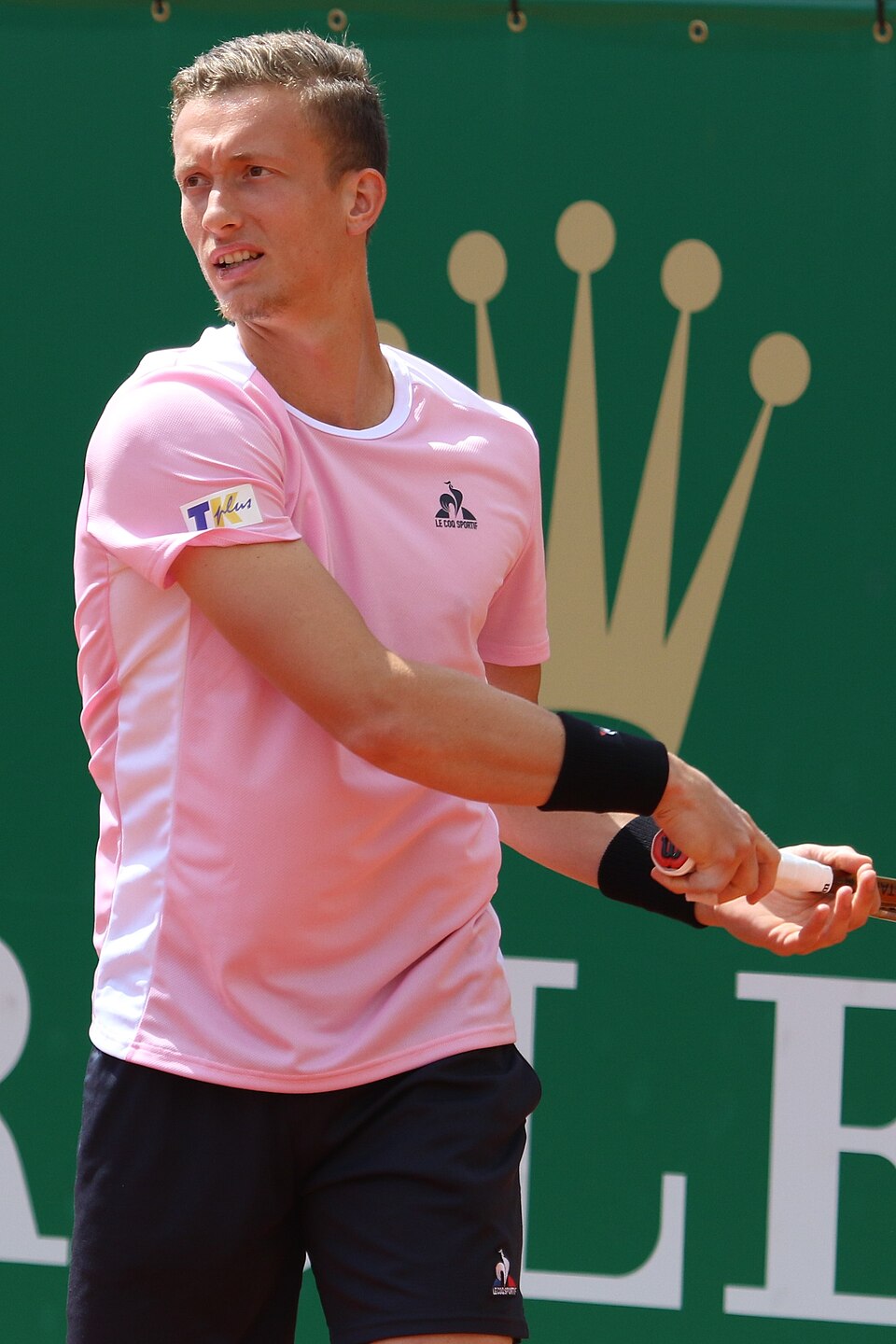
Lehecka held serve for five matches. Sinner broke him in his second service game.
Lehecka’s 2026 Miami run ended against Sinner, but the useful story lies in 11 break points, a missed 0–40 chance and the difference between holding and controlling.
8 min read
Medvedev hit fewer forehands. The space he did not abandon may be the interesting part
A 45% forehand share in Daniil Medvedev’s charted matches raises a useful question: how much court position are you spending to avoid your backhand?
8 min read
Arthur Gea’s 2026 breakthrough: from Australian Open upset to first ATP title
Arthur Gea’s 2026 path from Noumea to an Australian Open upset and a Los Cabos title reveals different steps behind one apparently sudden breakthrough.
8 min readTENNIS TENSION LAB
Check your racquet’s tension today.
Get a high-precision tension reading in under 10 seconds. Tension Lab tracks changes from your first reading and helps you see when to restring.
- High-precision tension measurement. Ready in under 10 seconds.
- Track every change in feel. See the full story over time.
- Time to restring? Never leave it to guesswork.