Making sense of tennis data
Compare rates with attempt counts and streaks with dates and event scope. Choose serve, return, rally or research measures that answer the question at hand.
Alcuni articoli sono disponibili in lingua originale. La lingua è indicata su ogni link. 한국어 · English · 繁體中文
Discutine →
Publication and correction timeline
Source publication, publication on this site, updates and corrections for articles linked to this topic. These are not the times when matches or real-world events happened. Titles and links point to current article editions, not reconstructed historical drafts.
How variable arm movements can support a stable shot
The date this site published the article, separate from the date of a match, study or event it discusses.
Sources linked to this article · 1
Comparing racket vibration: ball speed, direction and feel
The date this site published the article, separate from the date of a match, study or event it discusses.
Sources linked to this article · 1
Low-compression balls: better forehands today and learning over eight weeks
The date this site published the article, separate from the date of a match, study or event it discusses.
Same serve speed, different joint demands: the role of mass distribution
The date this site published the article, separate from the date of a match, study or event it discusses.
Reading the 2026 US Open doubles draw: two names, one team
The date this site published the article, separate from the date of a match, study or event it discusses.
Sources linked to this article · 3
Reading the 2026 US Open singles draw: from 128 players to the final
The date this site published the article, separate from the date of a match, study or event it discusses.
Sources linked to this article · 3
Reading WTA match notes: align the match date and the record
The date this site published the article, separate from the date of a match, study or event it discusses.
Sources linked to this article · 2
Yastremska at the 2024 Australian Open: eight wins and a semifinal turning point
The date this site published the article, separate from the date of a match, study or event it discusses.
Shanghai completes Ruud’s quarterfinal set across all nine Masters events
The source publication date recorded for this article. It does not mean that every linked source below was published on this date.
Sources linked to this article · 1
Forty first-serve points each: Lehecka’s 80% and Borges’s 67%
The source publication date recorded for this article. It does not mean that every linked source below was published on this date.
Sources linked to this article · 2
Two tiebreaks, shifting leads: how Andreeva reached Beijing’s last four
The source publication date recorded for this article. It does not mean that every linked source below was published on this date.
Sources linked to this article · 1
Bublik wins 40 of 47 first-serve points to stop Machac
The source publication date recorded for this article. It does not mean that every linked source below was published on this date.
Sources linked to this article · 1
Two breaks each: Vacherot wins the tiebreak and the Tokyo comeback
The source publication date recorded for this article. It does not mean that every linked source below was published on this date.
Sources linked to this article · 1
Sixteen holds, yet three sets: Lehecka’s Tokyo win over Bergs
The source publication date recorded for this article. It does not mean that every linked source below was published on this date.
Sources linked to this article · 1
Fery, Basavareddy, Boyer and Basing: Stanford’s September Top 300 quartet
The source publication date recorded for this article. It does not mean that every linked source below was published on this date.
Sources linked to this article · 1
Shelbayh wins 28 of 37 first-serve points to defeat Boyer
The source publication date recorded for this article. It does not mean that every linked source below was published on this date.
Sources linked to this article · 1
Draxl secured his 2026 NBO wildcard before the Winnipeg final
The source publication date recorded for this article. It does not mean that every linked source below was published on this date.
Sources linked to this article · 2
Miami 2026 semifinals: Sinner’s tiebreak and Lehecka’s return pressure
The source publication date recorded for this article. It does not mean that every linked source below was published on this date.
Sources linked to this article · 1
No breaks needed: Heide beats Diallo through two tiebreaks
The source publication date recorded for this article. It does not mean that every linked source below was published on this date.
Sources linked to this article · 1
Three aces for Mpetshi Perricard: Medvedev’s Dubai 2025 return challenge
The source publication date recorded for this article. It does not mean that every linked source below was published on this date.
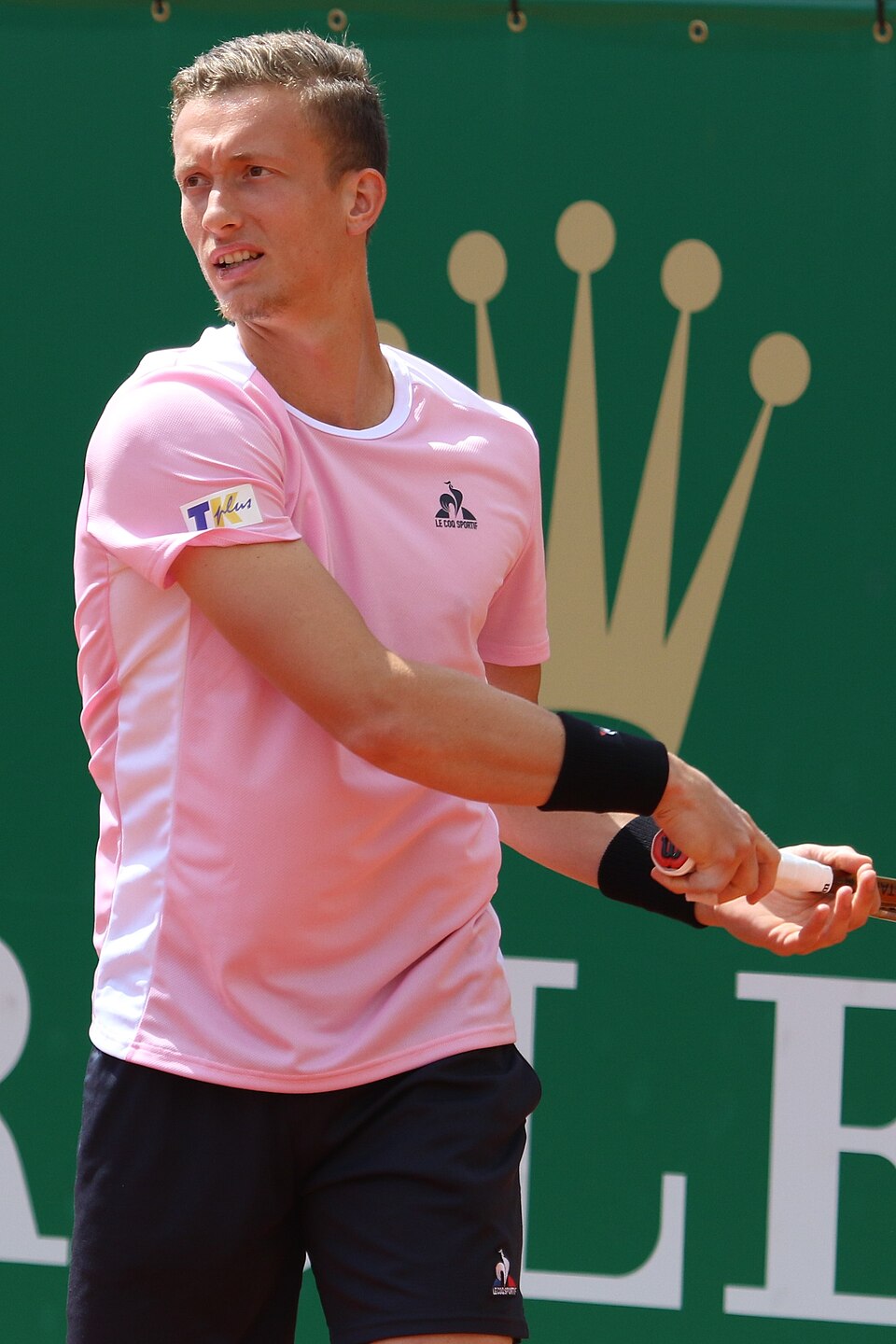
Lehecka non aveva perso il servizio per cinque partite. A Sinner sono bastati due turni.
La finale di Miami 2026, gli 11 break point e il mancato recupero da 0–40: cosa distingue tenere il servizio dal controllare davvero il gioco.
8 minuti di lettura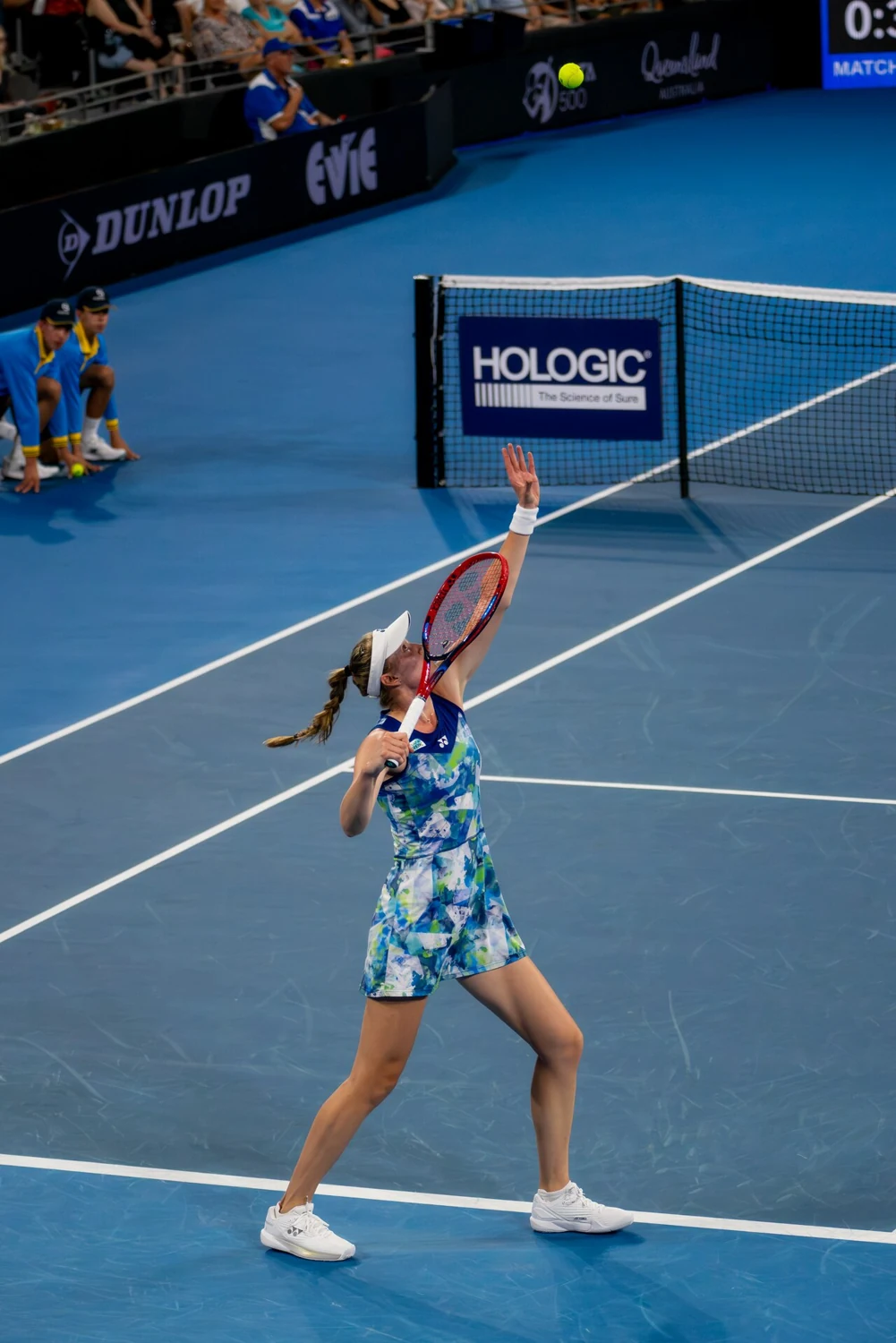
27% di prime, nessuna palla break: il set di Rybakina che un numero solo non spiega
Nel primo set della finale US Open 2026, Rybakina vinse 22 punti su 30 al servizio pur mettendo appena il 27% di prime. Per capirlo bisogna ricostruire come i punti diventano game.
8 minuti di letturaZverev ha vinto 39 punti su 42 con la prima. Non è una statistica sugli ace
Il dominio iniziale di Alexander Zverev al servizio contro Ben Shelton nella finale dello US Open 2026 spiega perché percentuale di prime, ace e punti vinti raccontano cose diverse.
8 minuti di lettura
Nessun titolo Slam. Il 72,5% di vittorie nei set decisivi. Come ricordare Nishikori?
L’addio di Kei Nishikori ha riportato alla luce una statistica straordinaria nei set decisivi. Merita attenzione e una lettura più precisa di «vinceva sempre i punti importanti».
8 minuti di lettura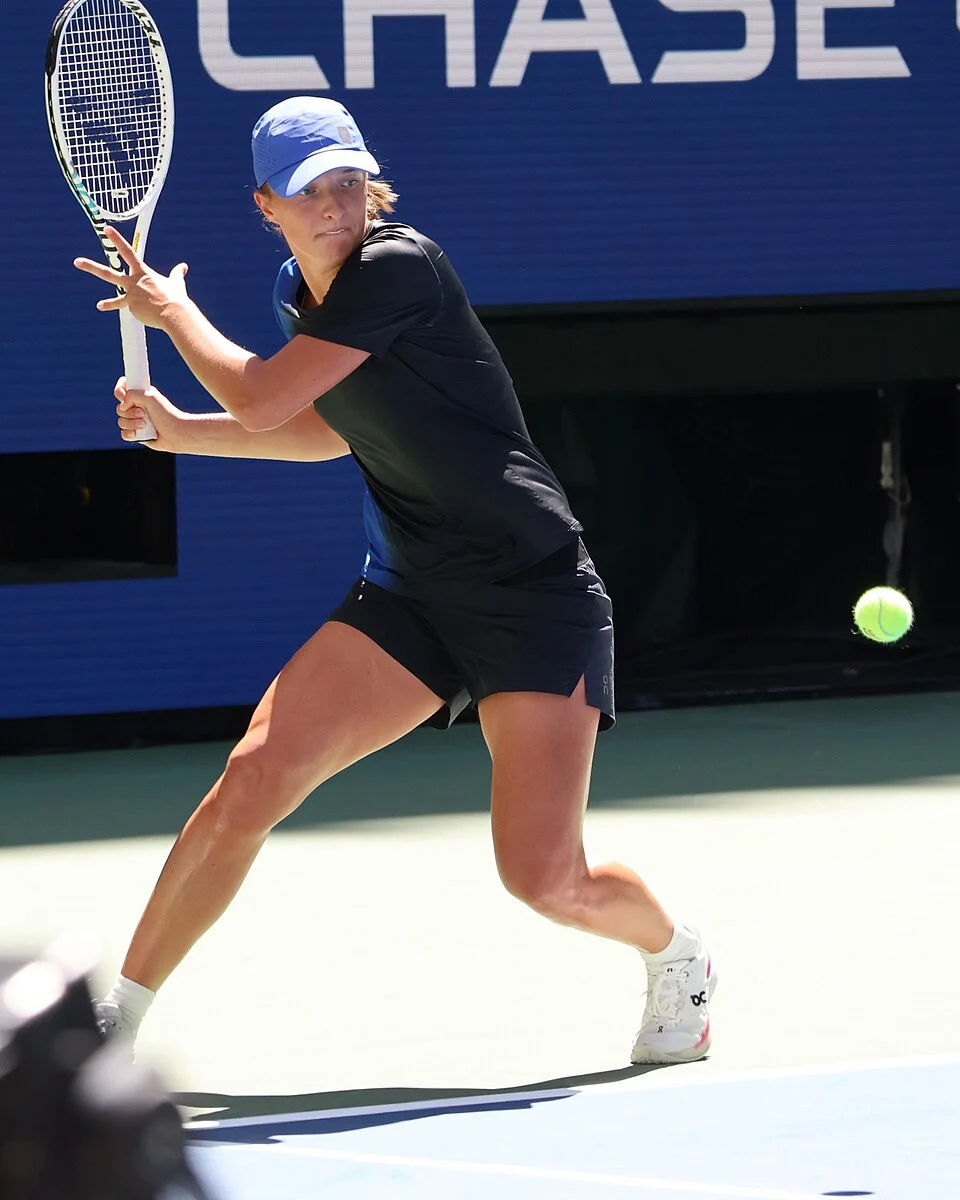
Perché Iga Świątek ha apprezzato gli scambi lunghi a Pechino
Świątek ha detto che gli scambi prolungati all’esordio a Pechino l’hanno aiutata a sentire campo e palla. Che cosa può impararne un giocatore esperto prima di attribuire alle corde condizioni poco familiari.
7 minuti di lettura