Reading the 2026 US Open doubles draw: two names, one team
Each doubles draw has 64 teams and six rounds. Read team seeds, individual nationalities, set scores and tiebreak figures together.
Compare rates with attempt counts and streaks with dates and event scope. Choose serve, return, rally or research measures that answer the question at hand.
Alcuni articoli sono disponibili in lingua originale. La lingua è indicata su ogni link. 한국어 · English · 繁體中文
Discutine →
Each doubles draw has 64 teams and six rounds. Read team seeds, individual nationalities, set scores and tiebreak figures together.
Each singles draw contains 128 players and seven rounds. Follow seeds, match slots and adjacent branches to identify the route ahead.
A 2023 study followed 60 children through eight weeks of coaching and a two-week retention interval, measuring down-the-line and crosscourt accuracy.
An eight-child equipment comparison and a 14-beginner coaching study measured different outcomes. Use rally success and later repeatability to plan progression.
An eight-player study matched racket mass, balance and swingweight while changing resistance to twisting. Joint demands varied across serve phases.
Manual point-by-point records contain core and optional fields. Compare dates, opponents, surfaces and the fields actually recorded.
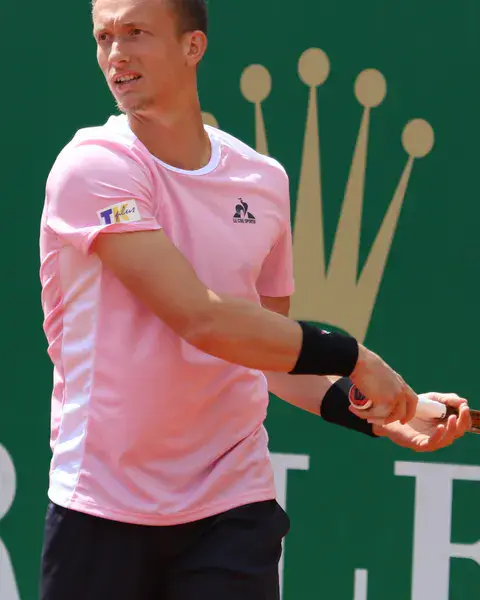
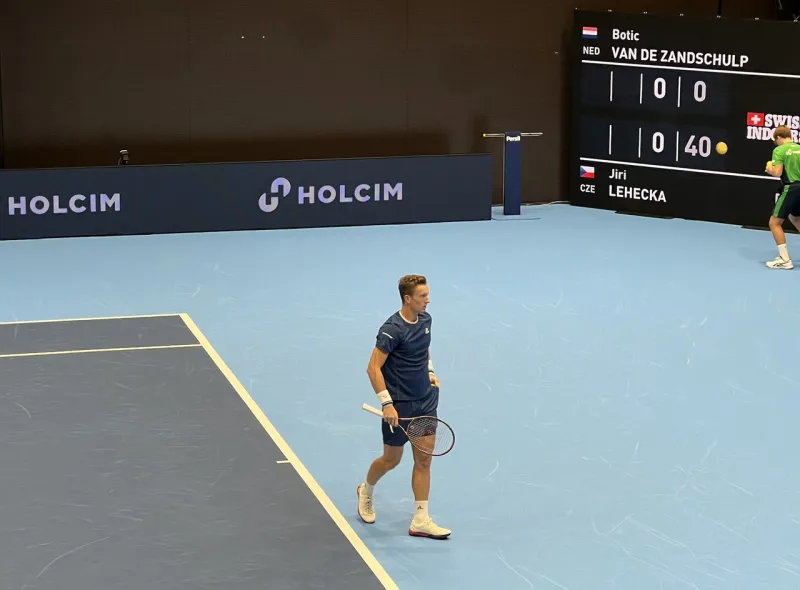
In Tennis Abstract’s October 5 table, Lehecka was eighth in overall Elo while its ATP Rank column listed 16. Read opponent-strength and surface ratings in context.
Daily tournament notes, total weeks at No. 1 and year-end rankings answer different questions. Beijing dates and Sabalenka’s 99-week and 107-week figures show how.
Auger Aliassime retired trailing 2-5 in the opening set on October 14, 2026. Ruud’s first Shanghai quarterfinal completed his set across all nine Masters 1000 events.
Lehecka won 6-3, 3-6, 6-3 in Shanghai on October 10, 2026. Their forty first-serve points came from fifty and sixty opportunities respectively.
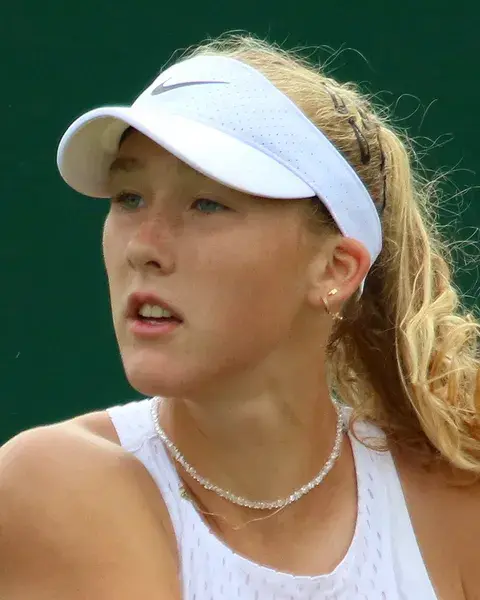
Andreeva beat Alexandrova for the first time in their 2026 Beijing quarterfinal, converting four of seven break chances and winning five of the last six tiebreak points.
Shanghai second round, October 9, 2026: 18 aces and 10 holds in 11 service games carried Bublik to a 6–4, 7–6(4) victory.
Vacherot beat Tsitsipas 4-6, 7-6(5), 6-4 on October 2, 2026. Both held fourteen of sixteen service games; Vacherot won the second-set tiebreak 7-5.
Lehecka won 6-3, 6-7(3), 6-3 on October 1, 2026. He never lost serve, but Bergs took the second-set tiebreak 7-3.
Stanford’s September 17, 2026 update listed four former players inside the ATP Top 300, separating their September positions from career highs.
Shelbayh won 7–6(2), 6–1 in the Tiburon second round on September 16, 2026. Boyer landed 35 first serves and won 18 of those points.
A semifinal place secured Draxl’s Montreal main-draw entry in 2026. Comparing it with his Winnipeg title and Toronto entry in 2025 separates tournament results from the wildcard race.
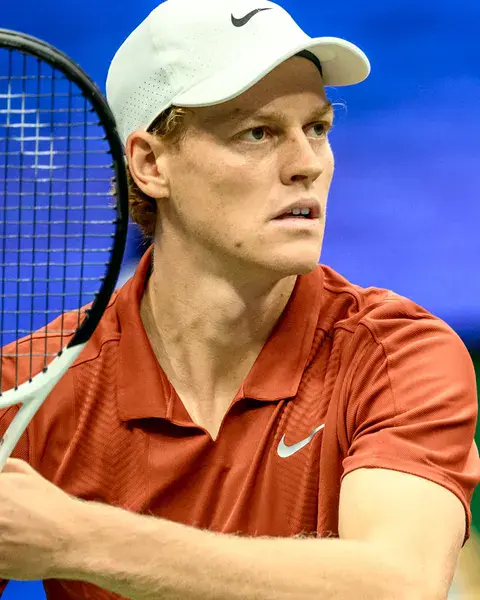
Both March 27 semifinals ended in straight sets. Sinner won the last three points from 4-4 in the tiebreak; Lehecka broke Fils four times.
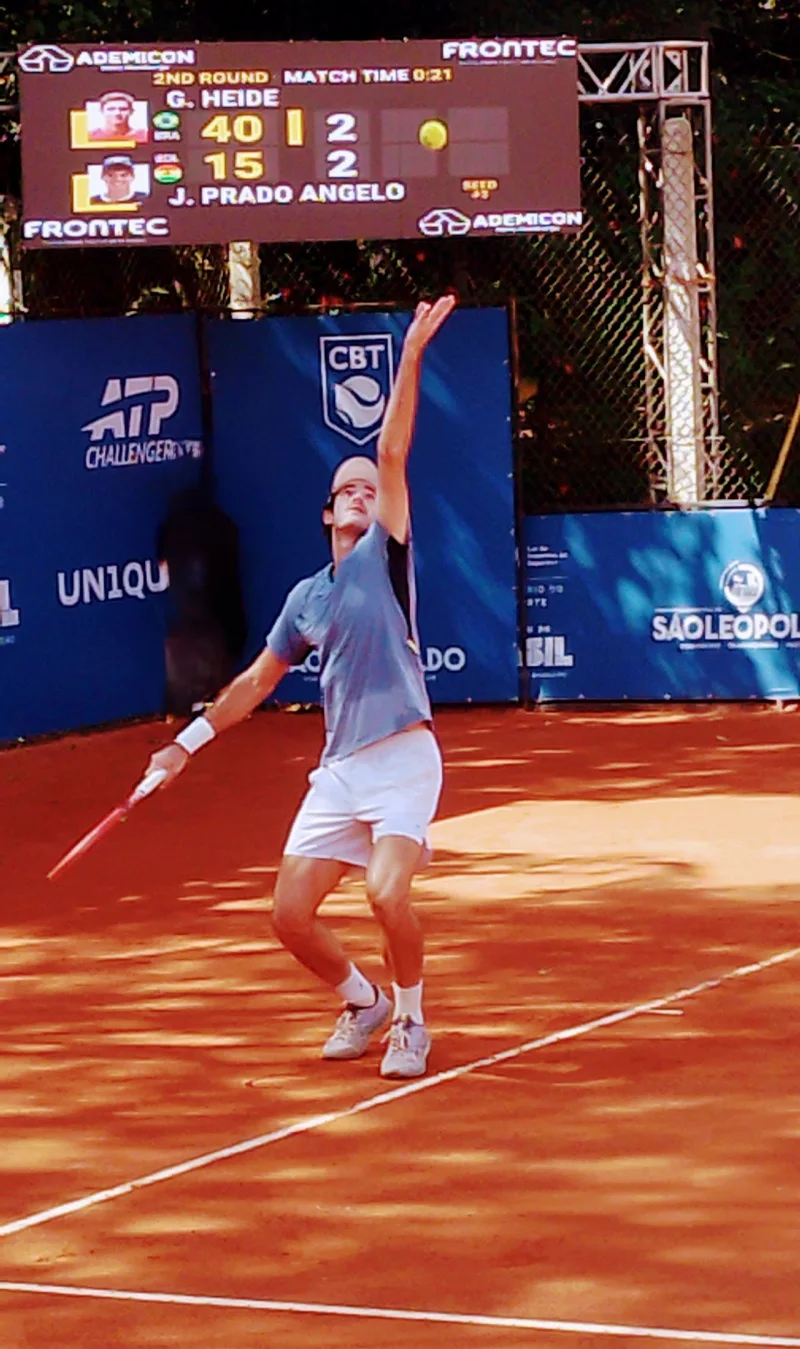
Heide won 7–6(4), 3–6, 7–6(2) in Vancouver on February 6, 2026. Diallo faced no break points but lost both tiebreaks.
Medvedev won 6–4, 6–4 in Dubai’s 2025 second round and hit six aces himself. His account centred on holding serve and making baseline exchanges count.
Three deciding-set qualifying wins preceded five main-draw victories. The quarterfinal win over Noskova and 2-for-10 break-point conversion against Zheng frame the run.
A trial in 35 junior boys measured planned movement, reactive agility and sprinting. Its results show why the exact task matters.
A 2020 forehand experiment found better accuracy and more consistent swing timing with scaled equipment, alongside coordinated variation between arm segments.
A nine-player forehand experiment found more vibration at higher ball speeds. Damping time also depended on the measurement direction.
La finale di Miami 2026, gli 11 break point e il mancato recupero da 0–40: cosa distingue tenere il servizio dal controllare davvero il gioco.
8 minuti di lettura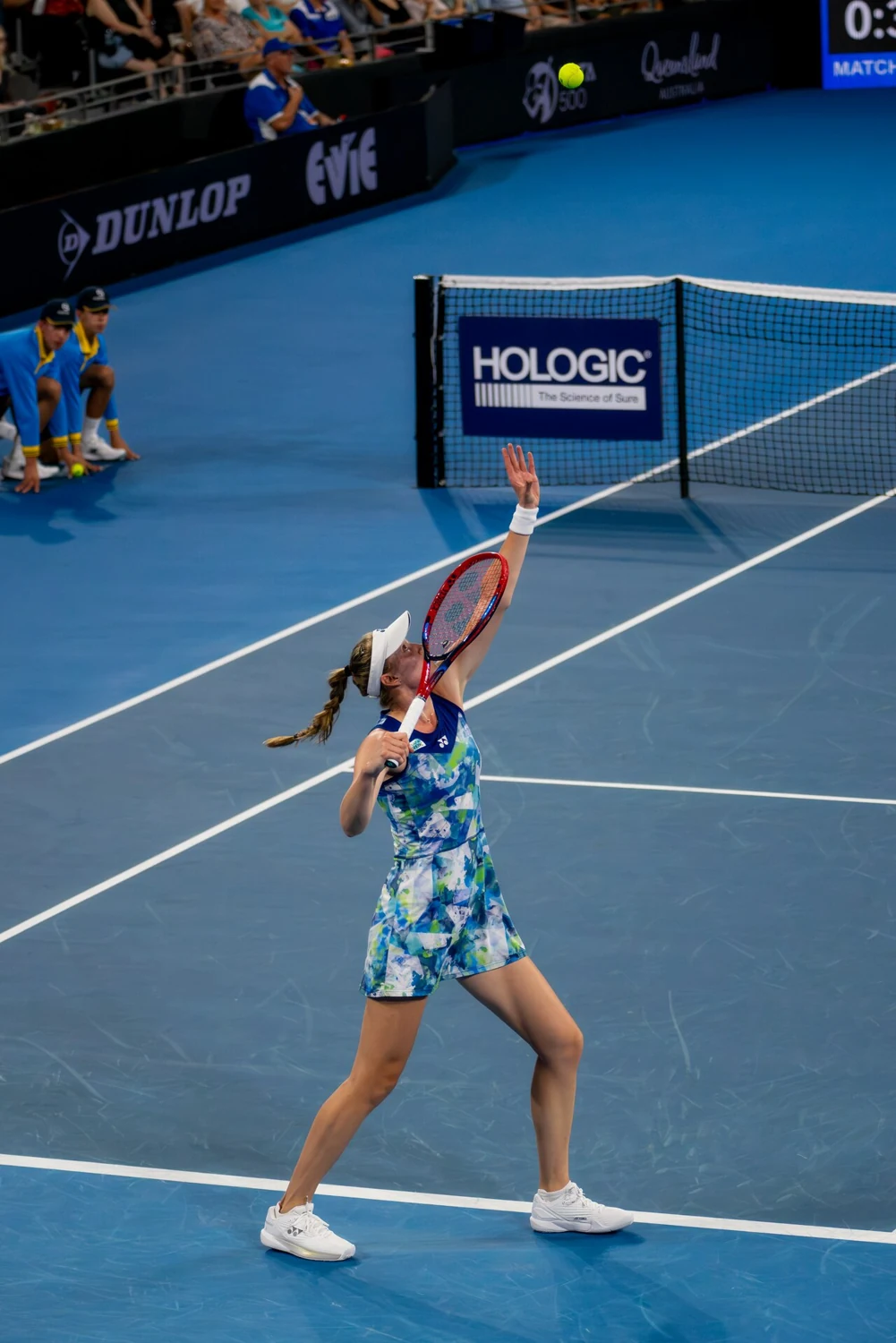
Nel primo set della finale US Open 2026, Rybakina vinse 22 punti su 30 al servizio pur mettendo appena il 27% di prime. Per capirlo bisogna ricostruire come i punti diventano game.
8 minuti di letturaIl dominio iniziale di Alexander Zverev al servizio contro Ben Shelton nella finale dello US Open 2026 spiega perché percentuale di prime, ace e punti vinti raccontano cose diverse.
8 minuti di lettura
L’addio di Kei Nishikori ha riportato alla luce una statistica straordinaria nei set decisivi. Merita attenzione e una lettura più precisa di «vinceva sempre i punti importanti».
8 minuti di lettura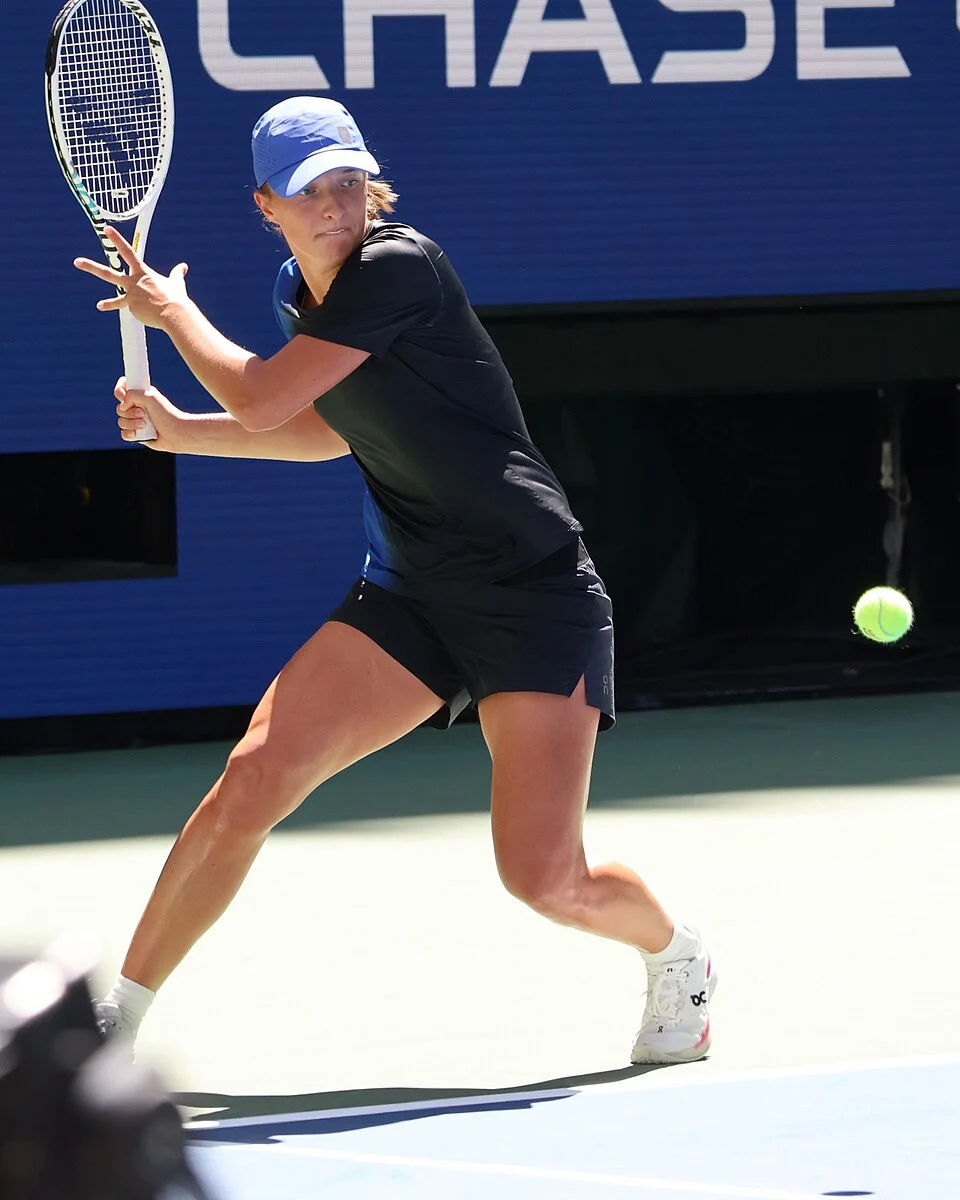
Świątek ha detto che gli scambi prolungati all’esordio a Pechino l’hanno aiutata a sentire campo e palla. Che cosa può impararne un giocatore esperto prima di attribuire alle corde condizioni poco familiari.
7 minuti di lettura