One goal for the next practice
Choose countable outcomes: target hits, successful returns or balanced recoveries. Compare repeated tasks and the next session before changing distance or pace.
Część artykułów jest dostępna w języku oryginału. Język podano przy każdym linku. 한국어 · English · 繁體中文
Porozmawiaj o tym →
Publication and correction timeline
Source publication, publication on this site, updates and corrections for articles linked to this topic. These are not the times when matches or real-world events happened. Titles and links point to current article editions, not reconstructed historical drafts.
Six weeks of training: what changed in starts and reactive movement
Added participant and training details, test procedures and before-and-after times.
Agree a practice format when serves are still developing
Specified first-ball, positioning and rotation agreements, then a progression from feeds to actual serves.
Did an outward coaching cue still help two weeks later?
Added group allocation, eight-week training, two-week retention and task-specific results.
How do you join LTA Free Park Tennis without your own racket?
Specified session length, equipment, booking and child accompaniment, activities and follow-on participation.
Sources linked to this article · 1
How variable arm movements can support a stable shot
Added equipment and target conditions, arm coordination findings and a practical observation task.
Sources linked to this article · 1
Two scoring games for streaks and momentum swings
Expanded the scoring arithmetic, choice of format and serve-led practice organisation.
Sources linked to this article · 1
What the receiver’s partner should watch
Added movement decisions based on return height, opponent contact and the central gap, with a progressive drill.
Sources linked to this article · 2
Low-compression balls: better forehands today and learning over eight weeks
Added sample sizes, testing conditions, results and a practical progression record.
Start serve practice by observing the toss
Added the progression from toss to full motion and observation criteria for target, spin and tempo.
Sources linked to this article · 1
What to check beyond outsole wear
Added visible wear, cushioning and support changes, court-only care and replacement selection criteria.
Sources linked to this article · 1
What to check beyond outsole wear
Clarified situation-specific choices and buying or replacement decisions, removing repeated note-taking and editorial-process language.
Sources linked to this article · 1
Three players, one court: a rotating doubles practice
Clarified boundaries, rotations, role-specific tasks and the volley variation in a usable practice sequence.
Sources linked to this article · 1
Add a direction cue to the X drill
Added marker setup, cue progression, shadow strokes and observation tasks for the move to a court rally.
Sources linked to this article · 2
Zheng’s Florida training block precedes US Open quarterfinal and Beijing semifinal
Added the post-injury return timeline and the decisions linking Toronto, Florida and the US Open.
Sources linked to this article · 1
Six weeks of training: what changed in starts and reactive movement
The date this site published the article, separate from the date of a match, study or event it discusses.
Agree a practice format when serves are still developing
The date this site published the article, separate from the date of a match, study or event it discusses.
Agree a practice format when serves are still developing
Added a complete Traditional Chinese edition. The existing Korean and English copy and factual reference date are unchanged.
Did an outward coaching cue still help two weeks later?
The date this site published the article, separate from the date of a match, study or event it discusses.
How do you join LTA Free Park Tennis without your own racket?
The date this site published the article, separate from the date of a match, study or event it discusses.
Sources linked to this article · 1
How variable arm movements can support a stable shot
The date this site published the article, separate from the date of a match, study or event it discusses.
Sources linked to this article · 1
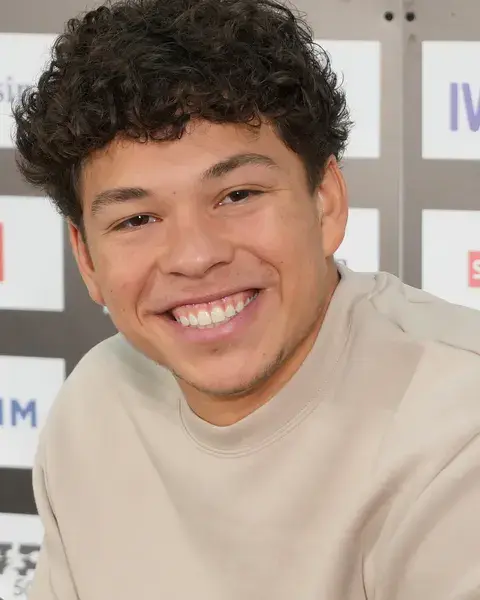
Shelton poprawił bekhend. Dlaczego Zverev nadal mógł go atakować?
Lepszy bekhend pomógł Benowi Sheltonowi zrobić postęp latem 2026 roku. W finale US Open pozostał jednak dobrym celem dla Alexandra Zvereva. Poprawa nie wyklucza podatności na presję.
8 min czytania
Możesz zrezygnować z podrzutu. Dlaczego mimo to z niego serwujesz?
Złapanie piłki po przerwanym podrzucie to nie to samo co zamach i chybienie. Poznaj przepis, zachowaj płynność gry i ćwicz decyzję, zanim podwójny błąd uczyni ją kosztowną.
8 min czytania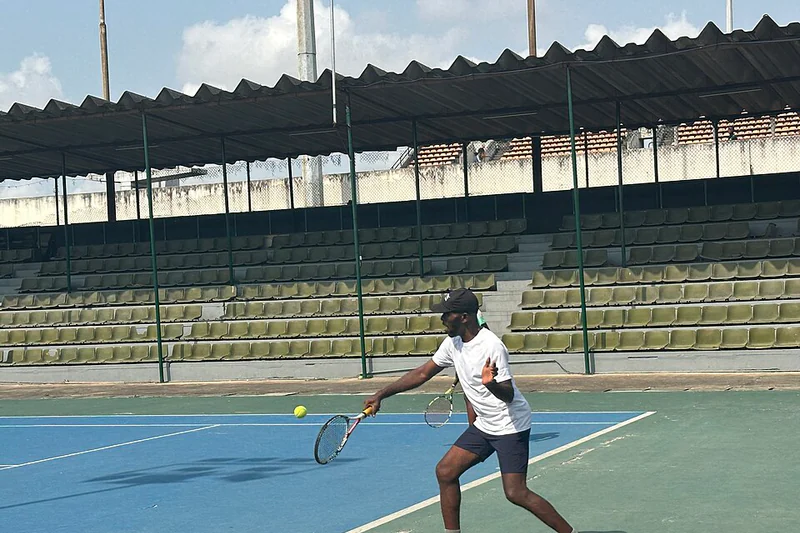
Maszyna do piłek z AI: przed zakupem poproś o cały trening
Dyskusje o Pongbot, Acemate i Tero pokazują pytania o ćwiczenia, aplikację, transport, naprawę oraz rzeczywiste warunki zwrotu.
8 min czytaniaZnowu przegrywasz z „przebijaczem”? Przestań udowadniać, że masz lepsze uderzenia
Jak wygrywać z cierpliwym obrońcą: utrudniać mu kontakt z piłką, rozsądnie wybierać kierunki i atakować przy siatce bez polowania na kończący strzał.
7 min czytania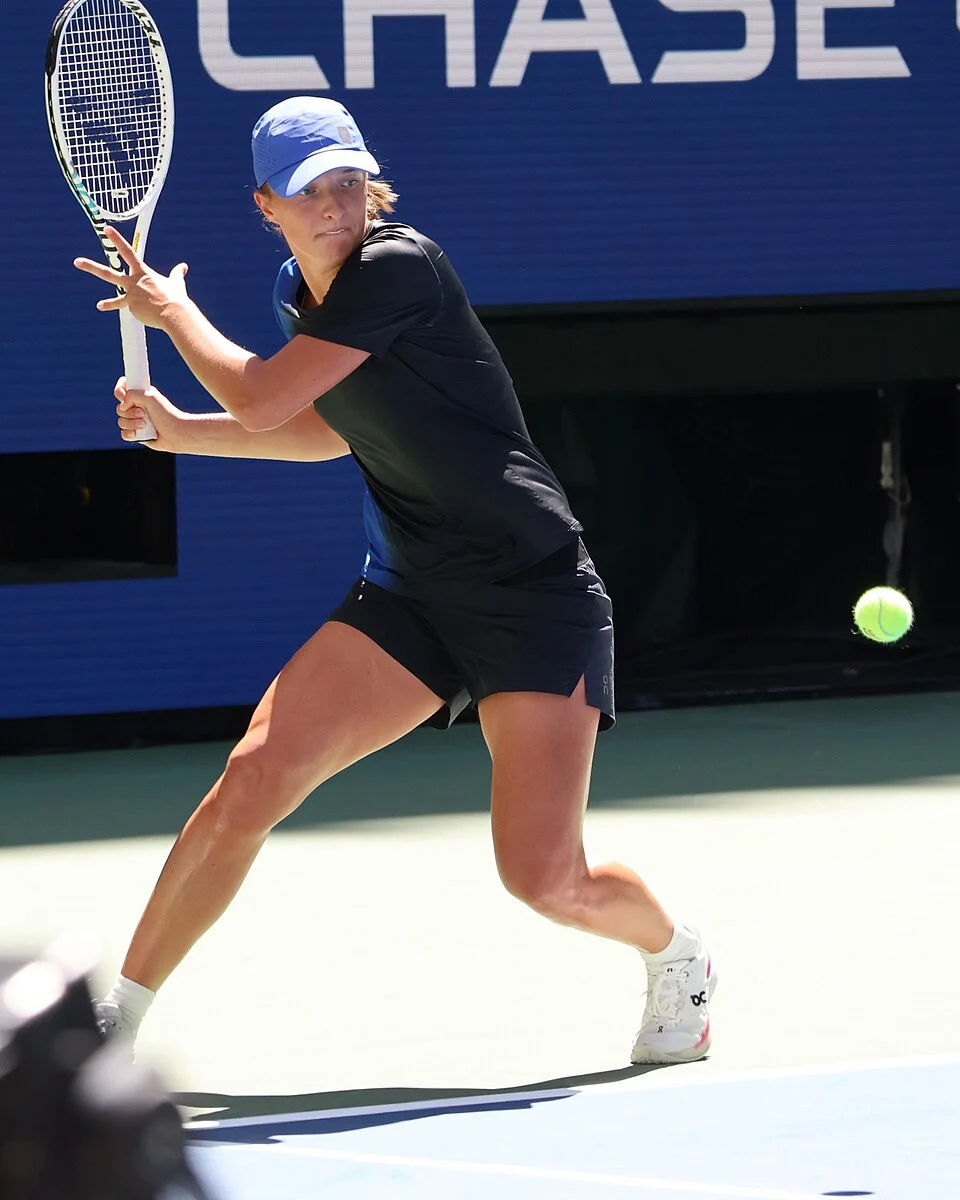
Dlaczego Iga Świątek cieszyła się z długich wymian w Pekinie
Świątek mówiła, że dłuższe wymiany w pierwszym meczu w Pekinie pomogły jej poczuć kort i piłkę. Czego mogą się nauczyć doświadczeni gracze, zanim winą za obce warunki obarczą naciąg?
7 min czytania
Dlaczego wczesny kort Szarapowej był ważniejszy od budzika
W opowieści Thomasa Hogstedta o wczesnych treningach chodzi o praktyczną przewagę: dostęp do kortu. Co doświadczony gracz może z niej wziąć bez kopiowania planu dnia mistrzyni.
8 min czytania