Take it to the court
Groundstrokes
18
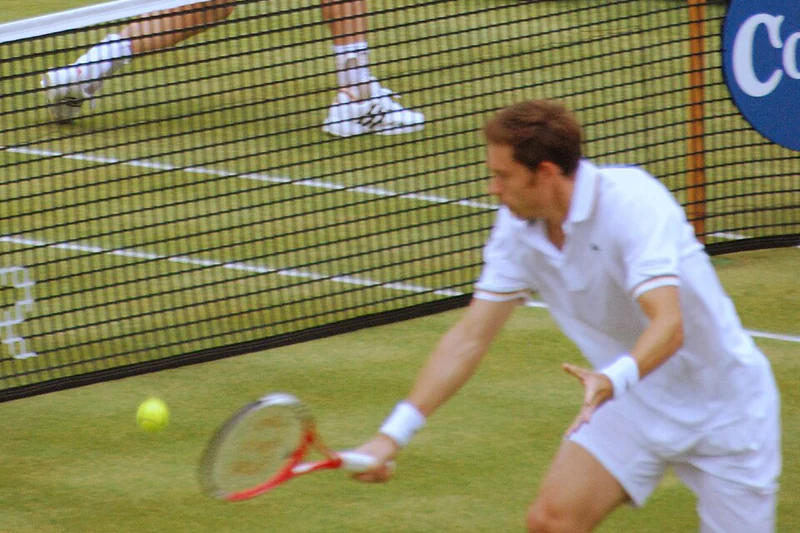 If You Charge Every Short Ball and Keep Getting PassedThe ball's height, your balance, and the opponent's position—not shortness alone—determine whether you have permission to come to the net.4 min read
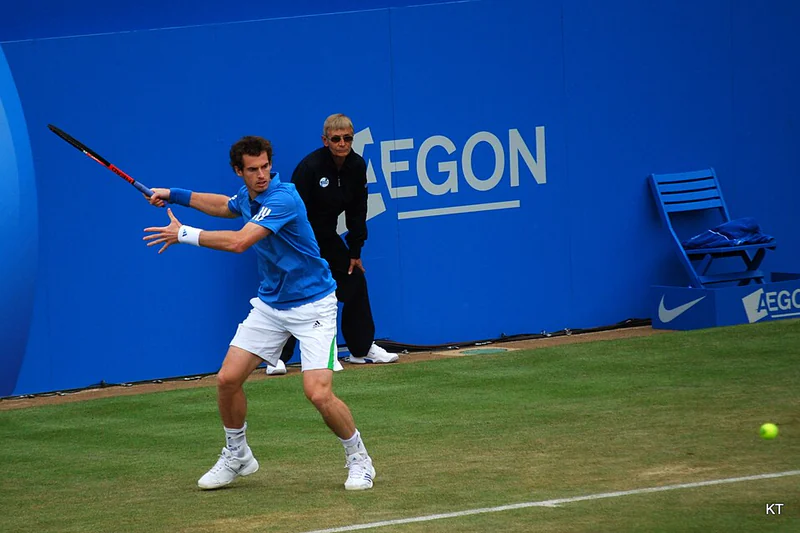 The First Target for a Better Backhand Is Not Down the LineUsing the longer diagonal and the lower middle of the net increases your margin without requiring a technical change.3 min read
 A Defensive Lob Needs More Than HeightHeight, depth, and recovery time must work together if you are going to reset the point.3 min read
 Why Your Drop Shot Keeps Becoming a GiftA ball is not effective merely because it lands short; the drop shot works when the opponent has first been pinned deep.4 min read
 Before You Try to Roll Over a Forehand That Keeps Going LongForcing the ball downward can simply add more errors into the net.4 min read
- Three Common Causes of a Forehand in the NetBefore opening the racquet face, check whether contact dropped too low or your weight stayed behind you.4 min read
- A Checklist for a Sudden Increase in ShanksBefore blaming your eyes, consider spacing from the ball, wind, fatigue, and a new racquet together.4 min read
- Why Trying to Crush a Shoulder-High Ball Leads to ErrorsFirst decide whether to let the high ball drop or take it early.4 min read
- An Inside-Out Forehand Takes More Than Running Around the BackhandBecause you expose the backhand corner, shot quality and the next recovery position are critical.4 min read
- If You Are Always Late, Look Beyond Shortening the SwingLate contact begins with the first read and foot preparation, not simply with arm speed.4 min read
- When Scooping a Low Slice Sends the Ball FloatingCreate space under the ball with your knees and racquet path instead of lifting with the wrist.4 min read
- One-Handed or Two-Handed Backhand: Criteria Before StyleBoth are valid choices; physical capacity, reach, and training environment determine which one fits.5 min read
- A Missed Overhead May Start With the First Step, Not the ArmBackpedaling under the ball costs both balance and contact position.4 min read
- Must You Always Go Down the Line Against a Net Rusher?The first passing shot can be effective without being a winner: a low ball at the feet can create an easier next shot.4 min read
- When Your Backhand Slice Floats Up to Be AttackedContact in front and a long path through the ball produce a lower shot more reliably than chopping steeply downward.4 min read
- Why Committing to Only Topspin or Only Flat Shots Costs YouSpin is not a style identity; it is a tool you vary with height, time, and target.4 min read
- The Real Reason an Easy Volley Goes Into the NetIn trying to hit down on the ball, players often drop both the racquet head and their center of mass.4 min read
- If Your Volleys Keep Going Long, Start by Shortening the SwingAt a distance where you should use the incoming ball's pace, a big backswing destabilizes both contact and the racquet face.4 min read