Take it to the court
Serve and return
18
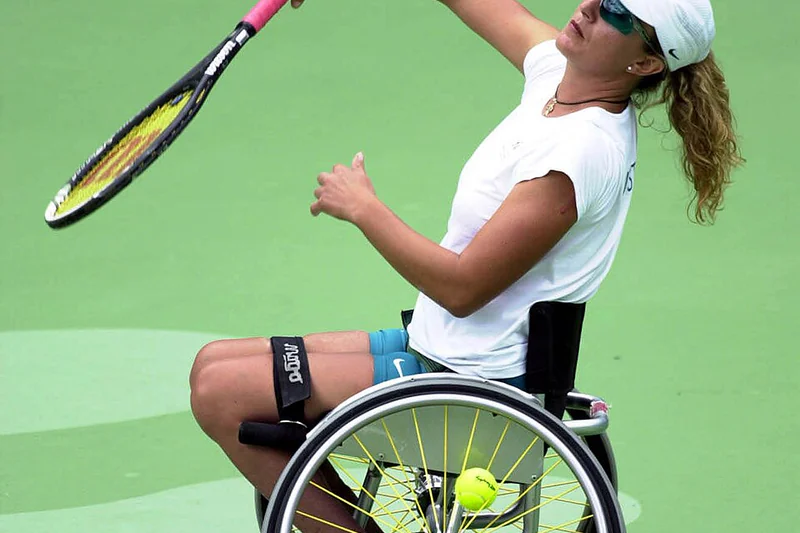 Against a Big Server, Change What You Track Beyond the Ace CountYour strategy changes according to how often you get a racquet on the serve and turn the return into a neutral ball, not how many serves you never reach.5 min read
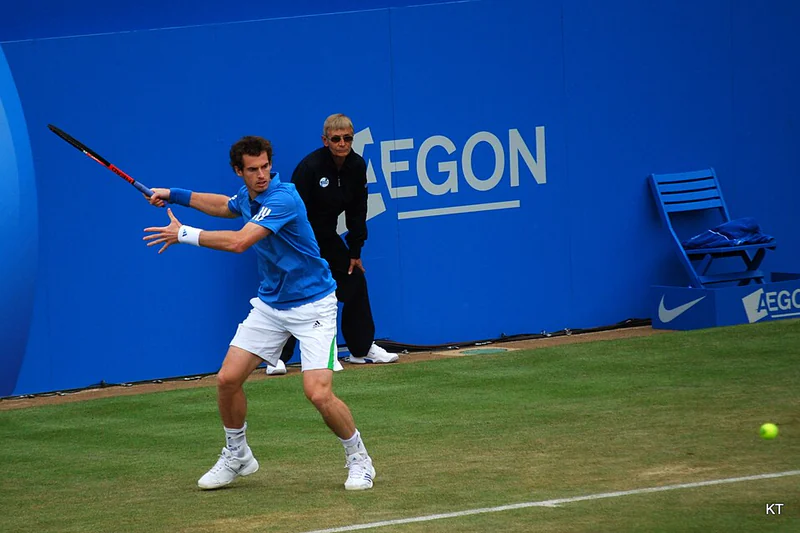 Should You Chip the Return or Take a Full Swing?Available time, contact height, and the position that follows should determine the choice—not your preferred technique alone.4 min read
 If a Full Swing Makes You Late Against a Fast First ServeThe opponent has already supplied the pace, so compact preparation and a stable center can redirect it.4 min read
 Three Things to Prepare for a Left-Handed ServeKnowing intellectually that the spin is reversed is not enough. Train the spacing, target, and body response with a partner's ball.4 min read
- There Is No Single Correct Baseline Position for the ReturnOne or two steps can make a major difference depending on the opponent's pace, spin, and direction and on your reaction time.4 min read
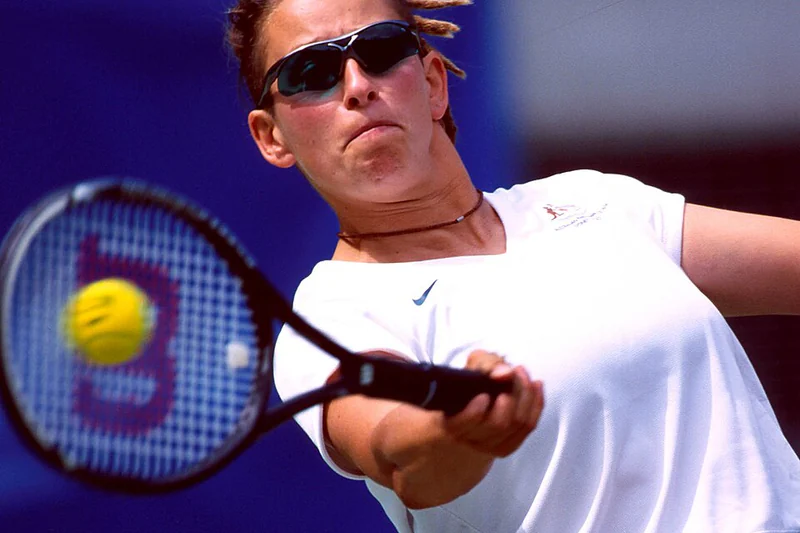 When Attacking a Weak Second Serve Produces More ErrorsMoving forward and aiming for a line are not the same form of attack.4 min read
- The Timing Reference for a Late Return Split-StepJump after the server strikes the ball and you are already late; land too early and your feet become planted.4 min read
- A 60-Second Reset When Double Faults Start to SnowballInstead of searching for a new technique, restore just three things: toss, breathing, and a generous target.3 min read
- Is a Higher First-Serve Percentage Always Better?If a first serve merely lands in and hands the initiative to the returner, the number means something different.4 min read
- Flat, Slice, or Kick Serve: When Should You Use Each?These are not three ranks of speed; they are three trajectories for shaping the returner's position and your next ball.5 min read
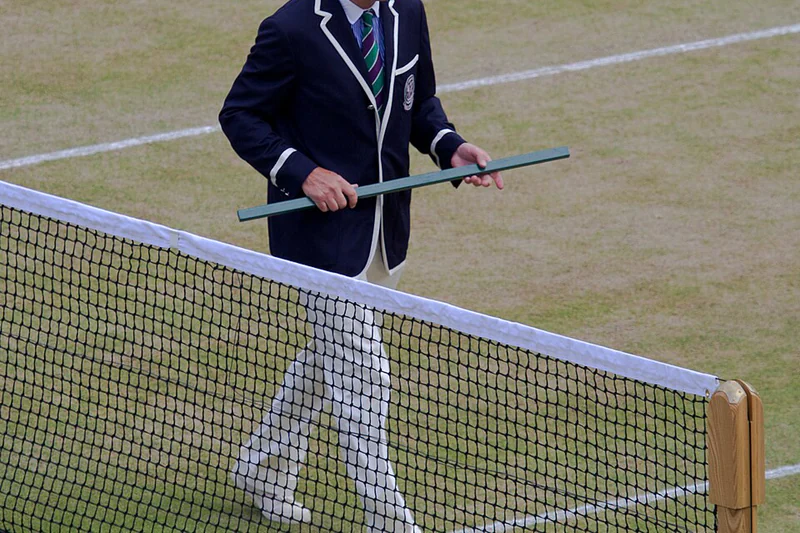 Find an Unnoticed Foot Fault With One PhoneWatching only the ball can hide the instant a foot touches the baseline or crosses the imaginary extension of the center mark or sideline.3 min read
- An 18-Serve Drill for Building Placement Before SpeedIn a match, reliably reaching three locations creates more pressure than one fast, predictable direction.4 min read
- Why the First Ball After a Good Serve Keeps Breaking DownIf you stand and admire the serve, even a weak return becomes a difficult ball for which you are unprepared.4 min read
- Why "Snap Your Wrist" Is a Risky Way to Explain the ServeRapid rotation of the racquet face is the result of a whole-body sequence, not a whip from one wrist joint.5 min read
- Why Your Arm Tightens Up on the Second ServeTrying to guide the ball in softly can remove the racquet-head speed and spin margin that make the serve safe.5 min read
- Protecting the Shoulder as You Increase Serve VolumeBecause the serve is a repeated overhead motion, a sudden increase matters before the raw count does.5 min read
- When the Toss Wanders, Fix This Before the SwingChasing the toss to manufacture a good serve breaks down balance and contact together.4 min read
- Protecting Your Toss and Serve in the WindRather than fighting the wind, reduce the toss's unnecessary hang time and enlarge the target.4 min read