Take it to the court
Singles strategy
18
 Losing to a Pusher May Not Mean You Need to Attack MoreThe trap begins when a soft-looking ball makes you rush a shot that is harder than your actual success rate supports.5 min read
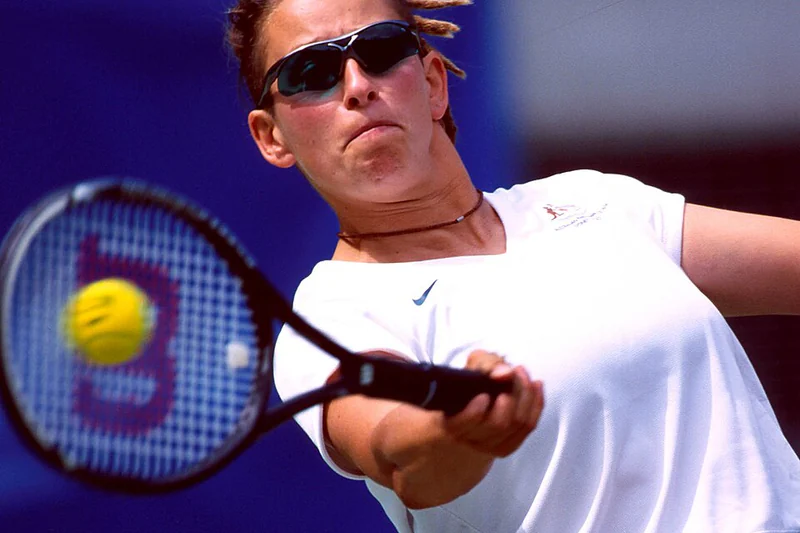 Change Direction Down the Line Only When These Three Conditions Are PresentA short ball, good balance, and contact in front are the three conditions that reduce the risk.4 min read
 When You Are Losing, Change Exactly One Thing at the ChangeoverIf you change everything from the racquet to the swing, you will have no standard for judging the next two games.4 min read
 Why the Match Suddenly Becomes Hard to Finish at 5-3Awareness of the finish line can replace your normal patterns with choices that are either too safe or too hurried.4 min read
- When Deep Through the Middle Becomes Your Most Attacking DefenseClosing off the angles and keeping the opponent back buys time to make choices again on the next ball.3 min read
- Why You Should Calculate an Error Budget Before Counting WinnersIn recreational matches, the number of free points you give away often affects the result more than the number of spectacular shots you make.4 min read
- A Checklist for Reading an Opponent in the First Four GamesLook beyond the shots that appear impressive to the choices the opponent repeats under pressure.4 min read
- When Trading Pace With a Big Hitter Pushes You BackDo not try to overpower the opponent's pace; reduce attacking angles with depth, height, and the middle.4 min read
- Why a Beginner's Ball Can Feel Harder Than a Skilled Opponent'sRedirecting clean pace and generating your own pace against slow, irregular balls are different abilities.5 min read
- What to Look for in the Warm-Up Against a Left-HanderLook beyond the reversed direction itself to how crosscourt rallies and serve patterns connect to your weaknesses.4 min read
- Against a Moonballer, Move Them Forward and Back Before Side to SideA high ball gives the opponent recovery time, so simply hitting wider is not enough.5 min read
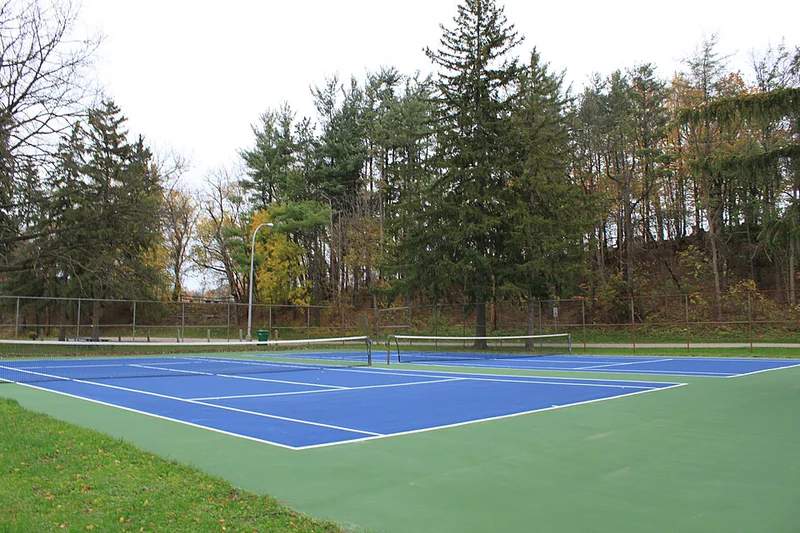 Crosscourt Is the Default for Geometry, Not TimidityThe diagonal court is longer and the net is lower, giving the same swing more margin for success.4 min read
- Should You Hide a Weak Backhand or Hit More of Them?Protect it in matches and expose it in practice so that the weakness undermines neither strategy nor long-term growth.4 min read
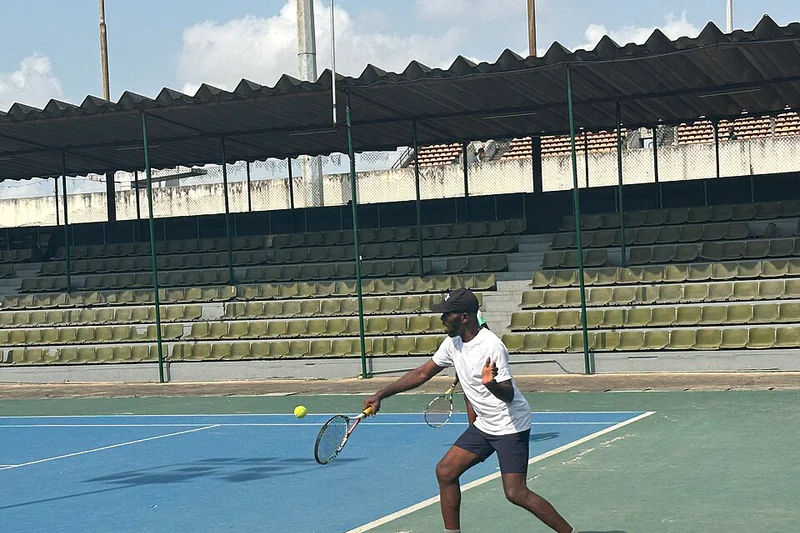 Rally-Tolerance Training for Players Who Rush From the Third BallYou do not have to enjoy long rallies, but you do need the ability to wait for a sound attacking opportunity.4 min read
- Should You Play the Same Shot at 30-0 and 30-40?The score should adjust the risk you can absorb and the response you expect from the opponent, rather than changing your technique.4 min read
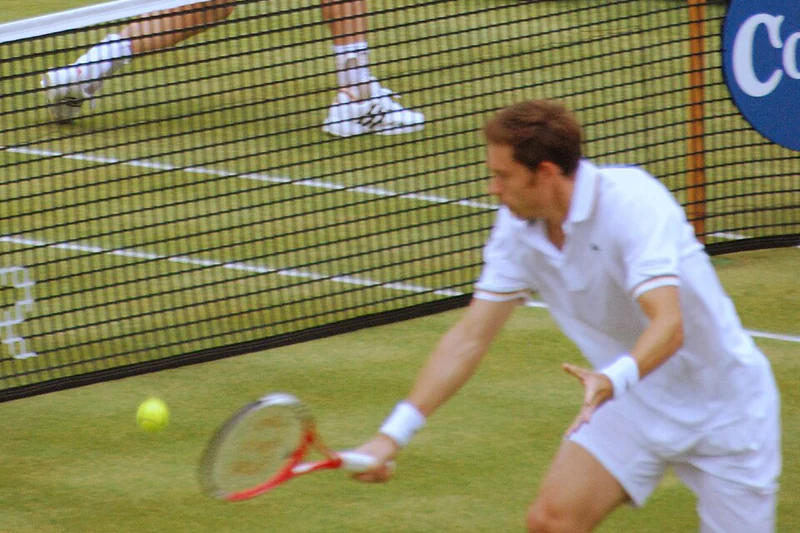 Why Going Only for Passing Shots Is Difficult Against a Serve-and-VolleyerA low first return at the feet can make the second ball an easier pass.5 min read
- On a Short-Ball Attack, Choose the Next Position Before the WinnerIf you hit hard and return to the baseline, you surrender the court advantage you just created.4 min read
- When an Opponent's Low Slice Keeps Taking Away Your RhythmInstead of forcing a winner upward, get lower than the ball and use a pattern that creates a higher next ball.4 min read