Take it to the court



Doubles
16
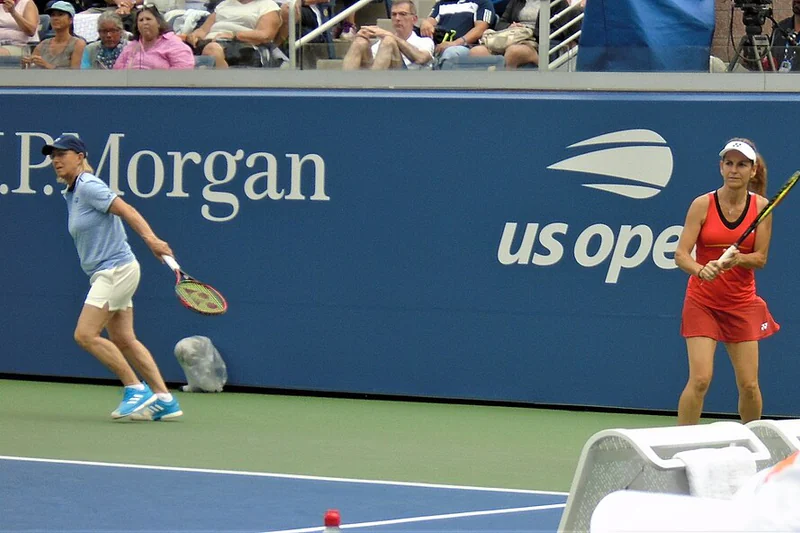 When Does the Australian Formation Make the Returner Uncomfortable?When the net player starts on the server's side, they take away the familiar crosscourt return and ask the returner to change direction down the line.4 min read
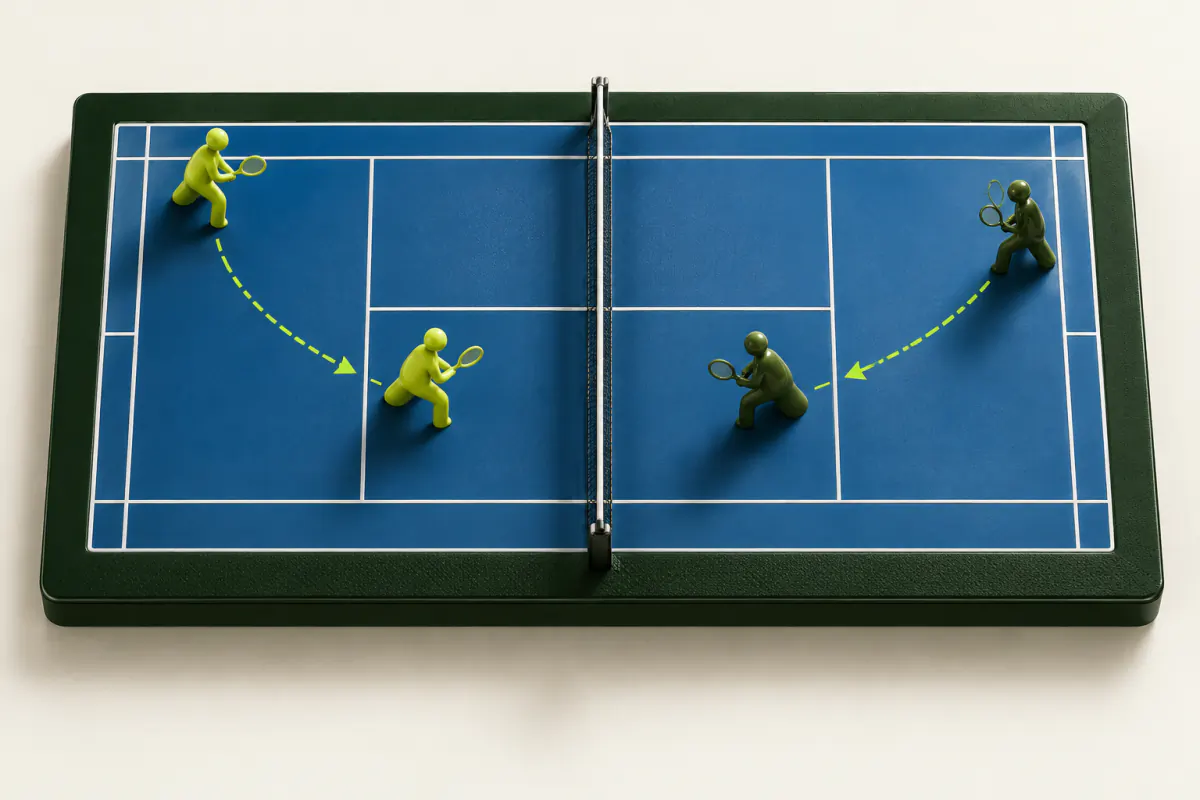 What to Say to Your Partner in the 10 Seconds Between PointsA next-serve location, an opening move, and one encouraging word are enough; you do not need to give a long lesson.3 min read
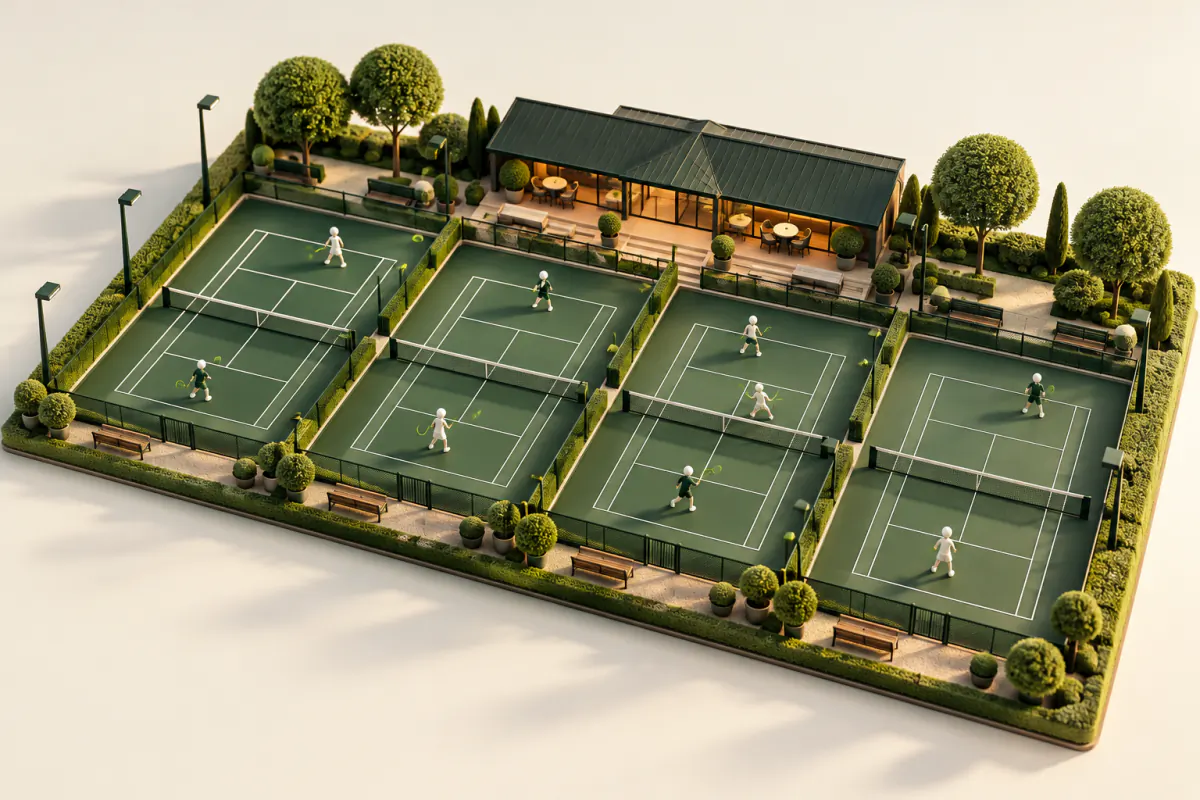 The I Formation: The Agreement Matters More Than the CrouchIf the server and net player do not know which way each will go, they can block one another in the middle.5 min read
- How to Use the Lob Return Against a Net Player Who Crowds the NetThe lob does not have to be a perfect winner; it only needs to turn the net player around and change both teams' positions.4 min read
- A Lob Over Your Partner: When Should You Switch?If both players chase the ball, an entire side of the court is left open.4 min read
- Where to Start When the Net Feels Scary in DoublesYou can learn one step at a time from near the service line instead of reacting from right on top of the net.4 min read
- What to Say When Your Partner Makes Several Mistakes in a RowInstead of repeating "It's okay," agree on one simple role your partner can carry out on the next ball.4 min read
- Three Sentences for Assigning Overheads in DoublesWho can track the ball and move safely matters more than who hits the better overhead.4 min read
- Poaching Is About When You Go, Not How Fast You AreMove before the returner reads the ball and you simply open the alley; move too late and the ball has already passed through the middle.4 min read
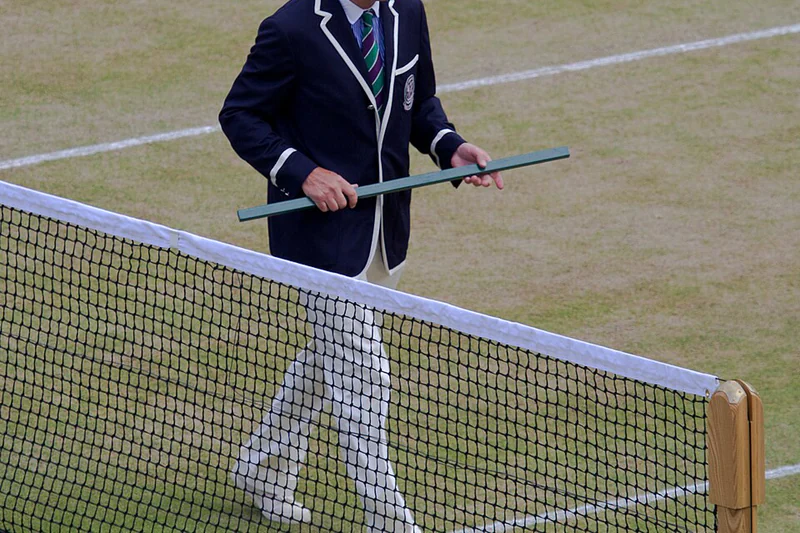 Can Doubles Partners Switch Return Sides During a Set?The receiving team sets its order at the start of the set and keeps that same order throughout the set.3 min read
- When the Net Player Keeps Picking Off Your Doubles ReturnBefore aiming for a tighter crosscourt angle, adjust the return's height, depth, and preparation time.4 min read
- In Doubles, Your Serve Should Create Your Partner's VolleyBody and T serves narrow the return angles and give the net player time to move.4 min read
- When Opponents Send Every Ball to One Player on Your TeamInstead of trying to hide the less experienced partner, use both players' positions and opening patterns to remove the easy target.5 min read
- Doubles Tiebreak Serving Order: Remember 1-2-2The first server serves one point, then each server serves two points, continuing the order already established in the set.3 min read
- Doubles Is Not Two Singles Players: Move as One WallWhen the gap between partners opens, opponents do not have to beat either player; they can simply hit through the hole.4 min read
- When You Never Know Who Should Take the Ball in the MiddleEven a rule such as "forehand takes it" cannot prevent collisions without context and a team agreement.4 min read