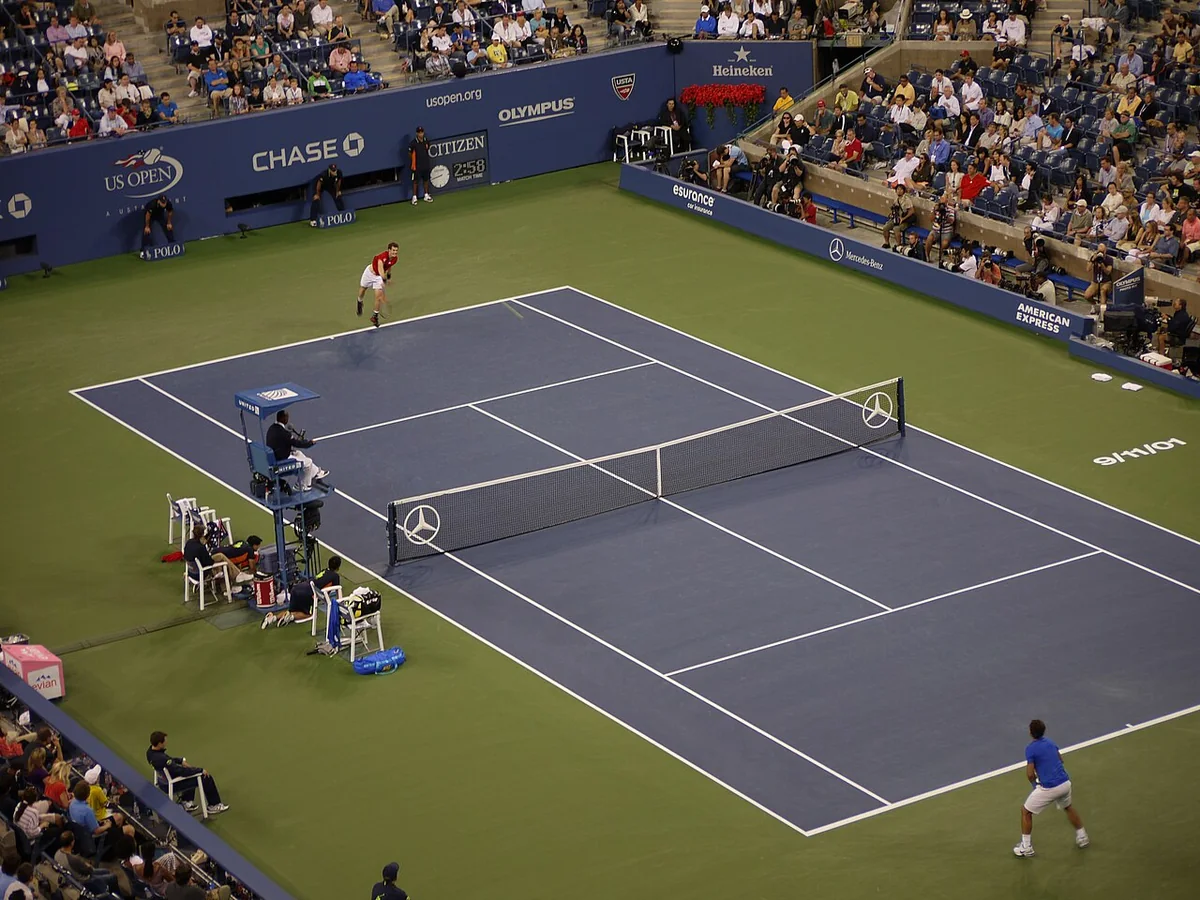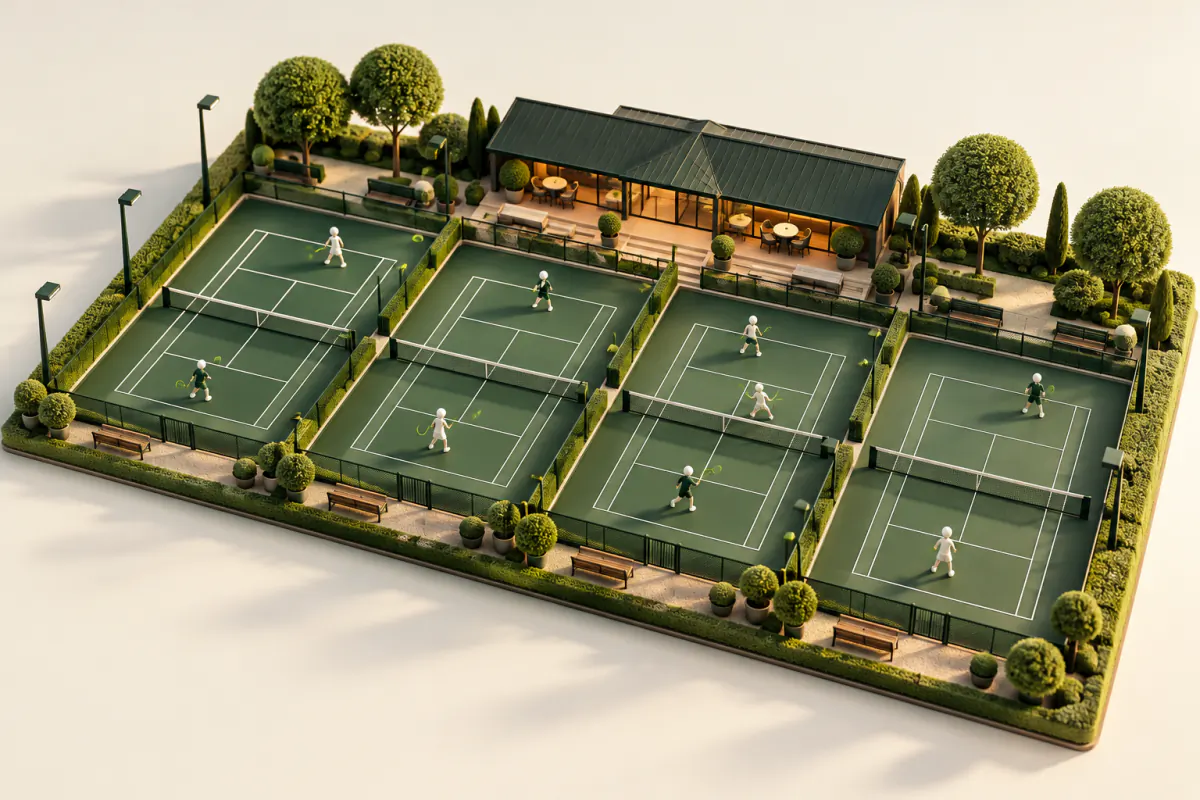
How do you join LTA Free Park Tennis without your own racket?
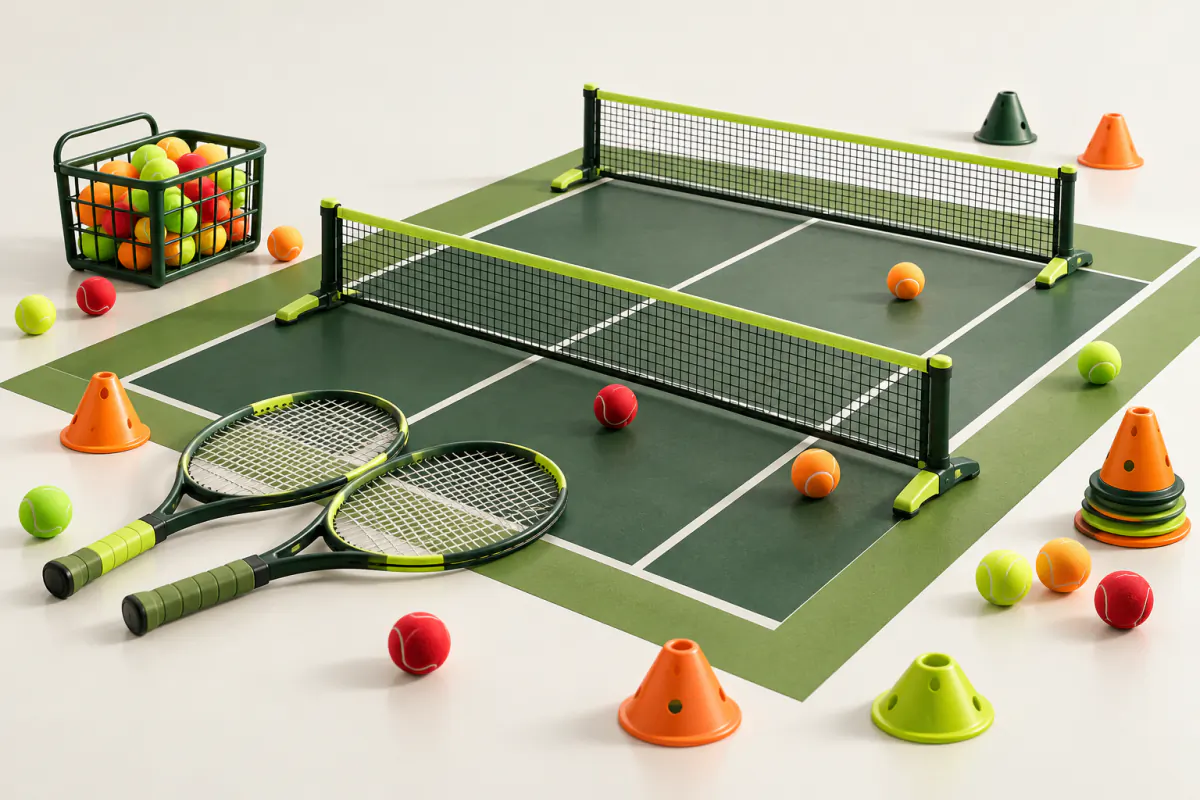
Free one-hour weekend group sessions include racquets and balls. Book with an LTA Advantage account; under-13s attend with an adult.
Choose countable outcomes: target hits, successful returns or balanced recoveries. Compare repeated tasks and the next session before changing distance or pace.
Certains articles sont proposés dans leur langue originale, indiquée sur chaque lien. 한국어 · English · 繁體中文
En discuter →
Free one-hour weekend group sessions include racquets and balls. Book with an LTA Advantage account; under-13s attend with an adult.
A 2023 study followed 60 children through eight weeks of coaching and a two-week retention interval, measuring down-the-line and crosscourt accuracy.
An eight-child equipment comparison and a 14-beginner coaching study measured different outcomes. Use rally success and later repeatability to plan progression.
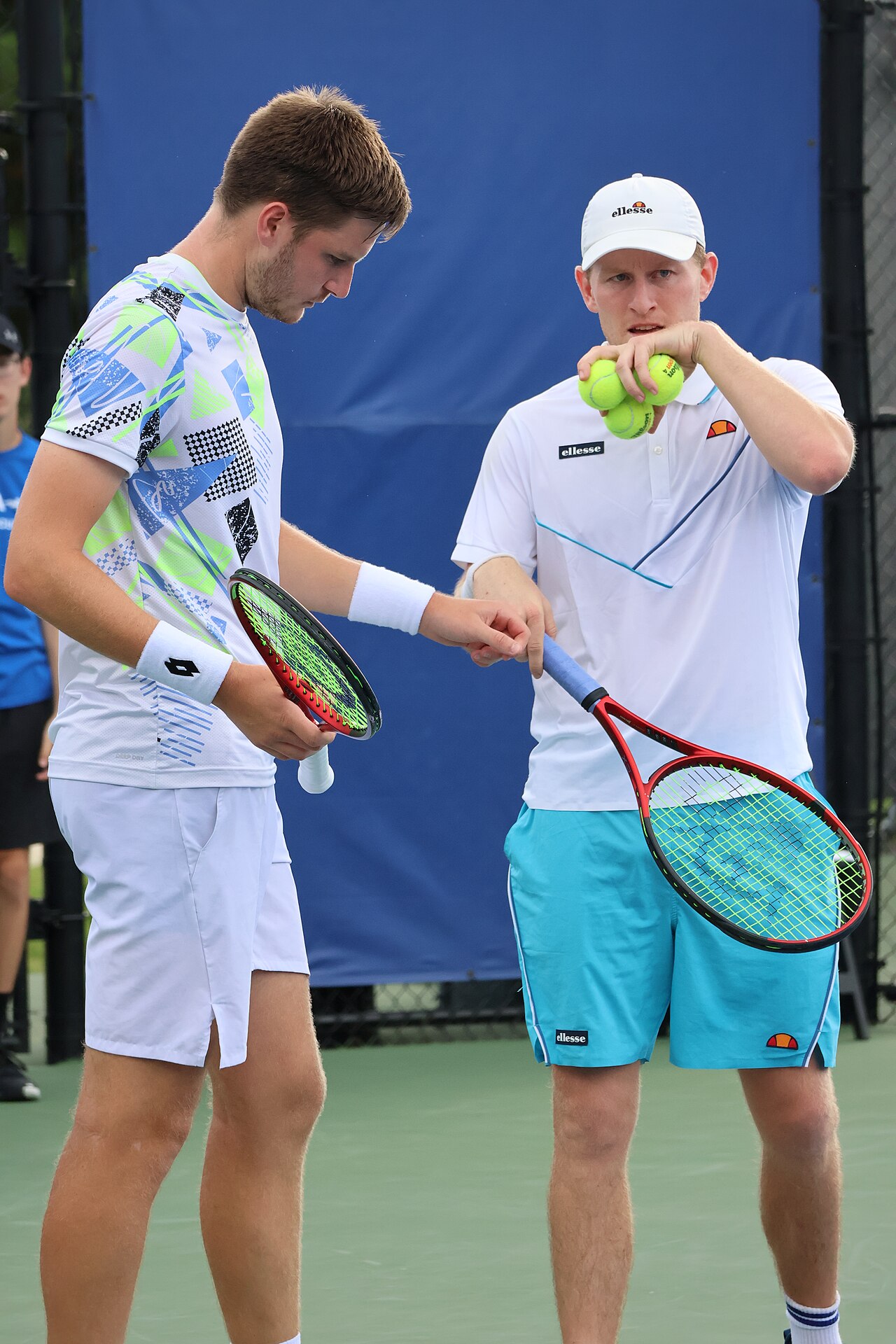
Agree the first ball, target area and rotation so four players with different serving skills can practise together, then progress from feeds to actual serves.
LTA’s Belts and +/- five formats give otherwise familiar practice points a different objective.
Use the return and the opponent’s next contact to decide whether to advance, hold or retreat.
Use four corners and a centre marker for movement, stopping and recovery; progress from a known sequence to colour cues and then a rally with a ball.
Use USTA’s progression from toss to abbreviated motion and full action, then add a target and spin. Compare contact and placement as speed develops.
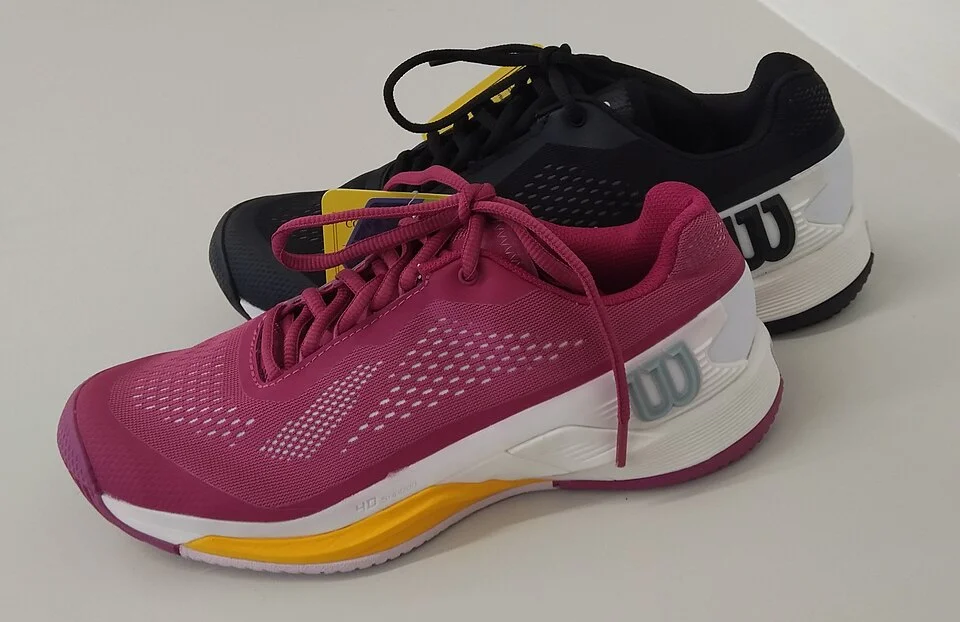
Inspect cushioning, stretched uppers and lateral hold as well as outsole holes. Connect forefoot, toe and medial-upper wear with movement on court.
WTA’s October 9 interview follows the decisions after Toronto qualifying defeat: skipping Cincinnati, training in Florida and then beating Svitolina in Beijing.
A trial in 35 junior boys measured planned movement, reactive agility and sprinting. Its results show why the exact task matters.
USTA’s one-against-two game uses different court areas to keep all three players involved.
A 2020 forehand experiment found better accuracy and more consistent swing timing with scaled equipment, alongside coordinated variation between arm segments.
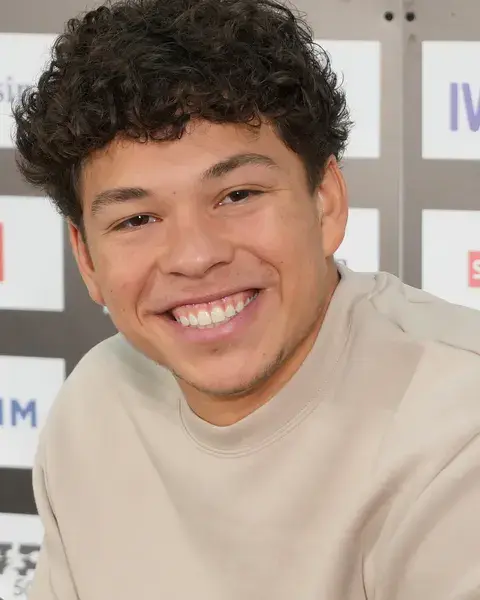
Le revers de Ben Shelton a accompagné ses progrès durant l’été 2026. En finale de l’US Open, il restait pourtant une cible pour Alexander Zverev. Un coup peut progresser sans cesser d’être vulnérable.
8 min de lecture
Rattraper un lancer abandonné n’est pas la même chose que tenter de frapper et manquer la balle. Connaissez la règle, gardez le rythme du match et travaillez cette décision avant qu’une double faute ne la rende coûteuse.
8 min de lecture
Les discussions sur Pongbot, Acemate et Tero révèlent les questions oubliées : exercices utilisables, dépendance à l’application, transport, réparation et conditions de retour.
8 min de lecturePourquoi un joueur expérimenté peut perdre face à un défenseur, et comment lui compliquer la tâche sans chercher le coup gagnant à tout prix ni monter au filet au mauvais moment.
7 min de lecture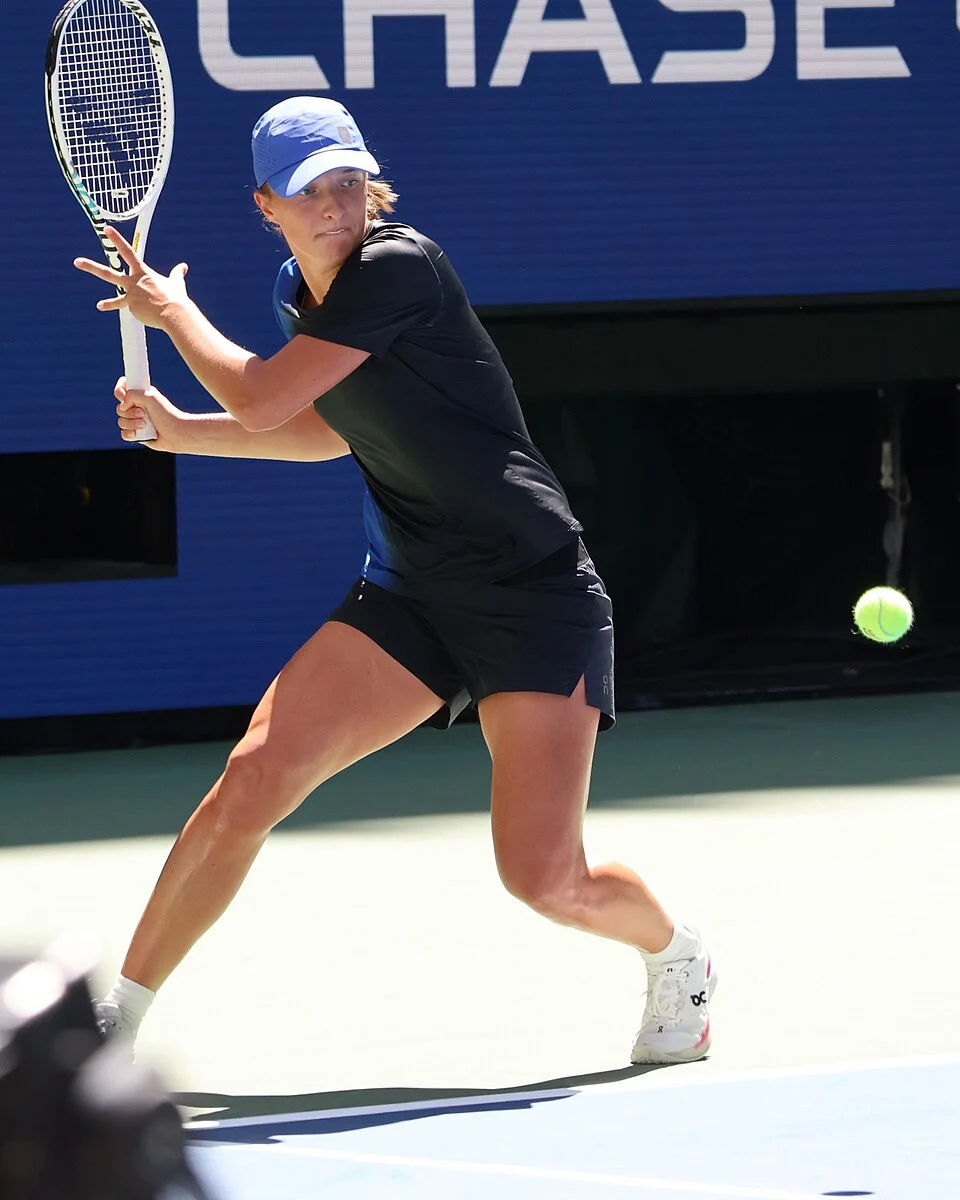
Świątek a expliqué que les longs échanges de son premier match à Pékin l’avaient aidée à sentir le court et la balle. Une piste pour les joueurs expérimentés avant d’accuser leur cordage dans des conditions inhabituelles.
7 min de lecture
Dans le récit de Thomas Hogstedt, s’entraîner tôt permet surtout de disposer d’un court. Une leçon d’organisation pour les joueurs confirmés, sans copier l’emploi du temps d’une championne.
8 min de lecture