Rules on court

Work through abandoned tosses, corrected out calls and partner calls in doubles. Apply scoring, service-order and hindrance conditions to concrete situations.

تتوفر بعض المقالات بلغتها الأصلية. تظهر اللغة بجوار كل رابط. 한국어 · English · 繁體中文

ناقش هذا →
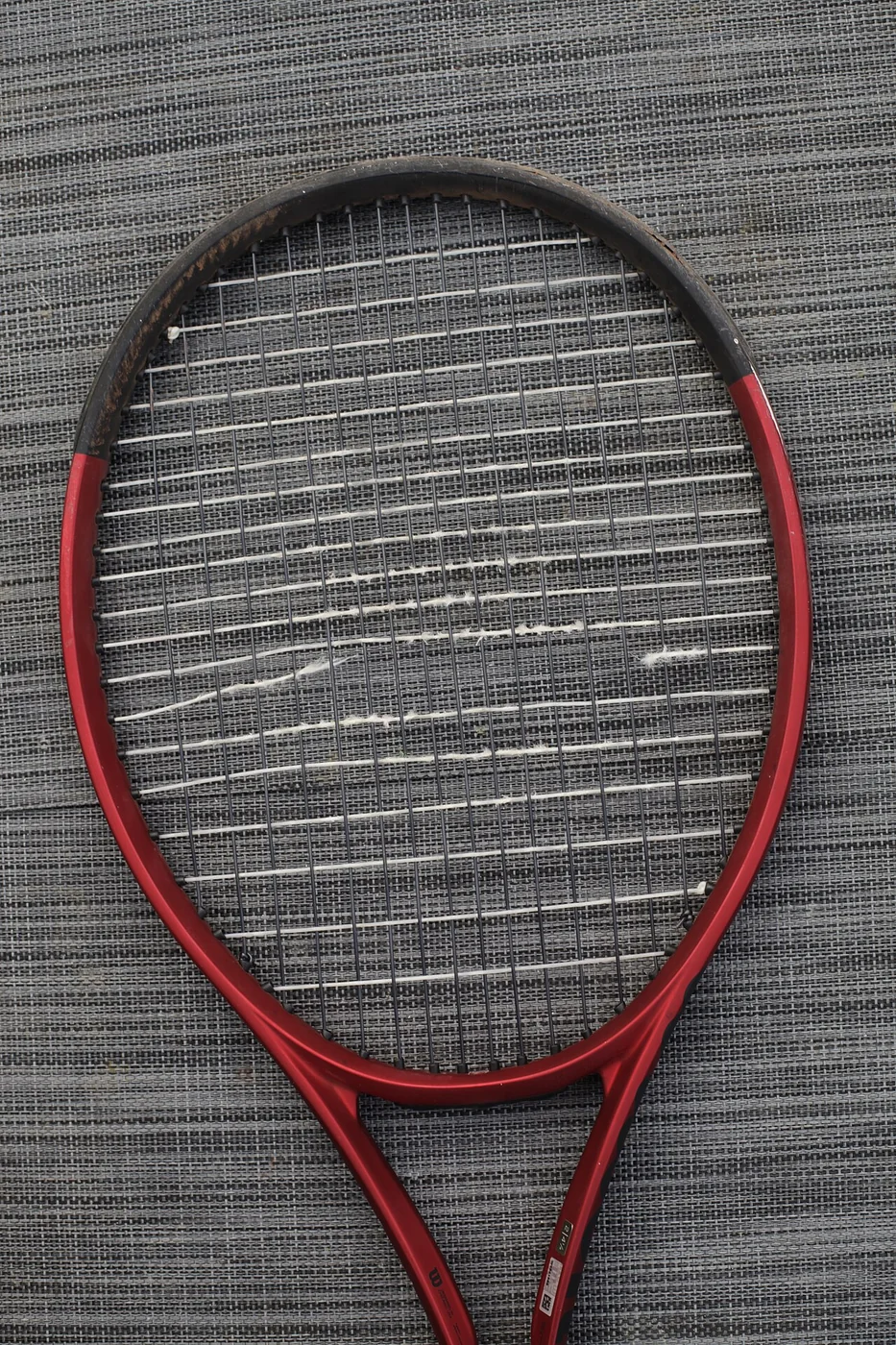
A tennis racquet and two balls beside white court lines
Michael Chang playing in Cincinnati in 1994
Players & the tour

Michael Chang’s underarm serve: the shot after it mattered too

Michael Chang’s 1989 underarm serve was not an ace. Revisit the Lendl point, the return it created and a smarter way to practise surprise tactics.

7 min read
Goran Ivanisevic at an event in Vienna in 2016
The competitive game

Can a Wild Card Be Seeded? The Ranking Dates Behind WC

A player can enter on a wild card and still be seeded. Learn why Grand Slam entry and seeding use different ranking dates, with a practical draw-reading guide.

8 min read
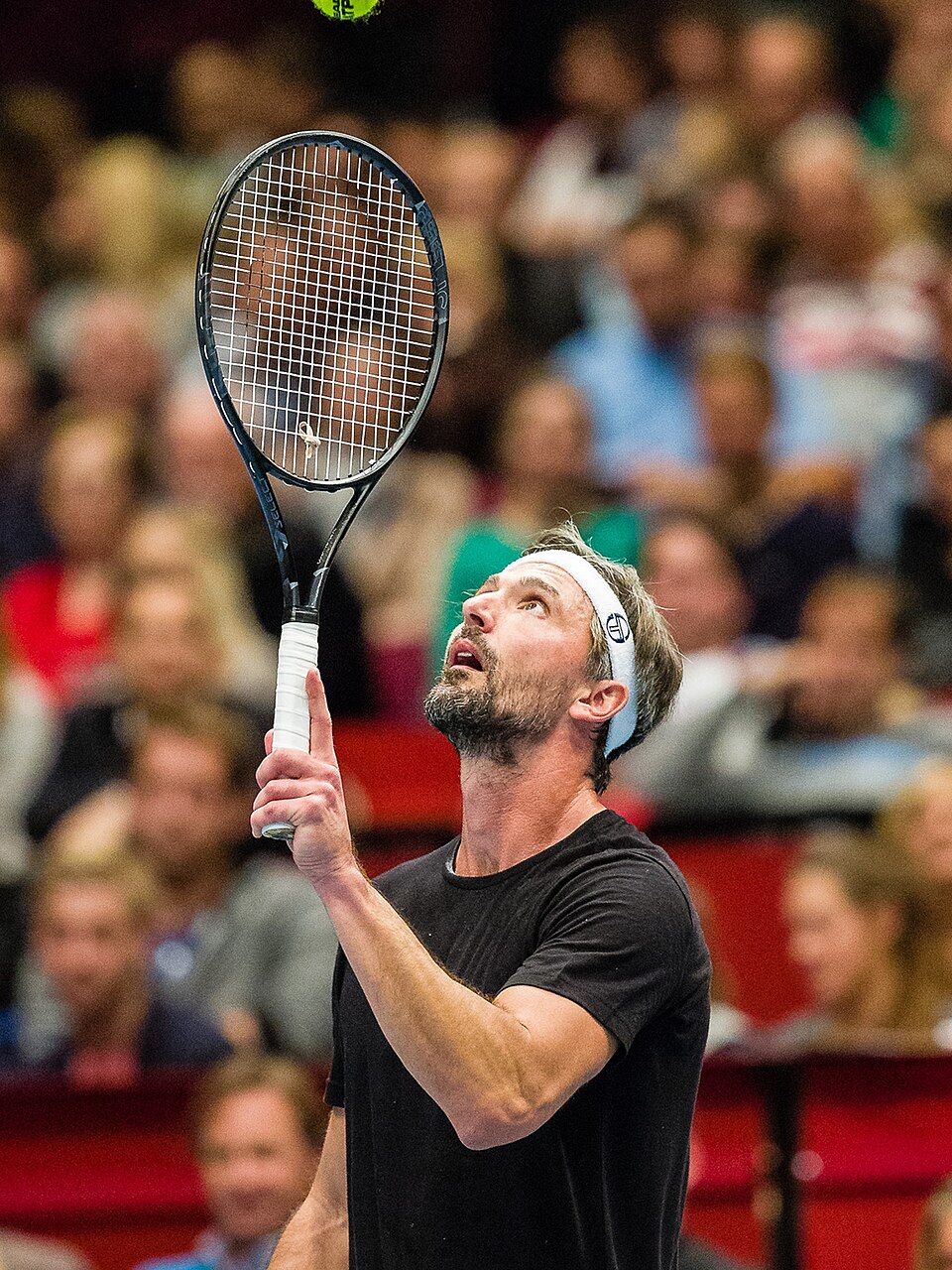
Ernests Gulbis preparing to strike a serve at the 2008 Pacific Life Open
Match tactics

Abandoned toss or missed swing: the rules for resetting a second serve

Catching an abandoned service toss is different from swinging and missing. Know the rule, keep the match moving, and practise the decision before a double fault makes it expensive.

7 min read
A tennis racquet and two balls beside white court lines
The competitive game

You changed “out” to “in.” Is the point replayed—or already lost?

A corrected out call has different consequences when made by a player or an official. USTA’s Code explains why the opponent gets the point, doubles disagreement and the specific net-serve exception.

8 min read
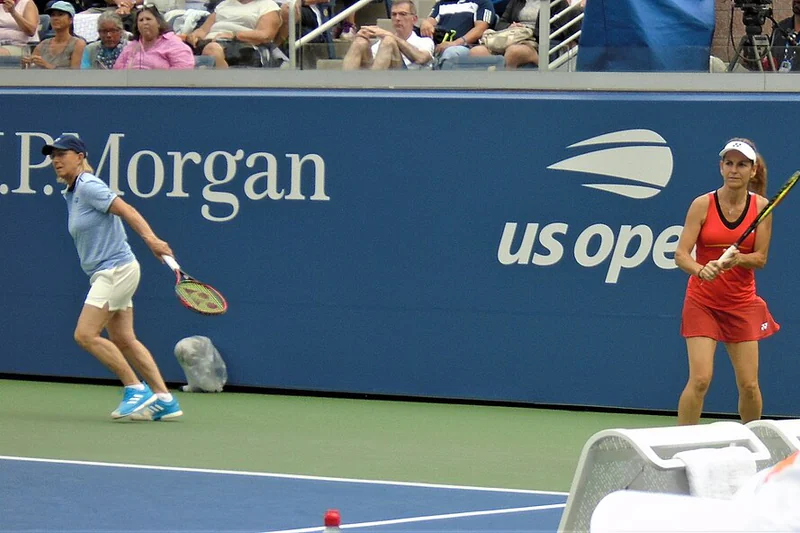
Martina Navratilova and Arantxa Sánchez Vicario warming up together on a US Open court
The competitive game

You shouted “get back” to your doubles partner. Why can that cost you the point?

USTA’s short-lob example explains when doubles communication becomes deliberate hindrance, why a late claim fails, and why grunts and involuntary cries need different treatment.

8 min read