
Výzkum

Read rules, education and research with a practical question in mind. Literature explainers are distinct from original experiments.

Některé články jsou k dispozici v původním jazyce. Jazyk je uveden u každého odkazu. 한국어 · English · 繁體中文

Ze světa tenisu

Analýzy a komentáře

Zobrazit vše
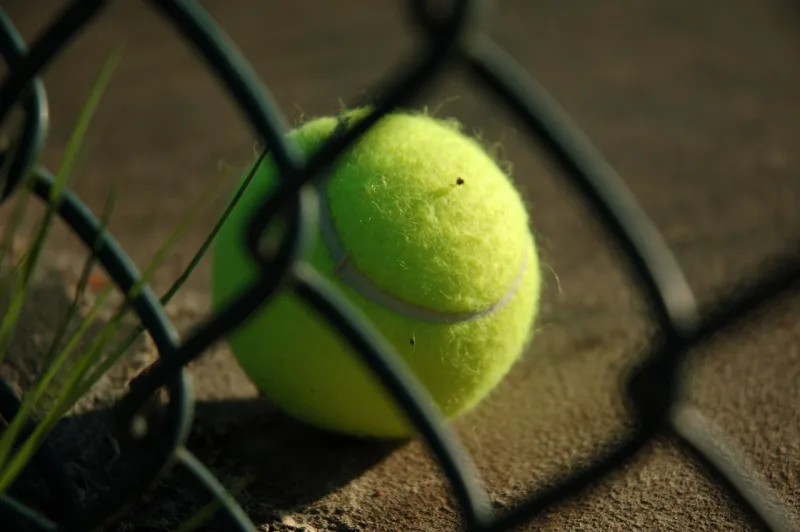
Close-up of a tennis ball
The competitive game

Type 3, green-dot or high-altitude? Read the ball category before buying

Use the 2026 ITF approval specifications to choose ball categories by size, rebound, altitude and competition, with an organiser’s ordering checklist.

7 min read
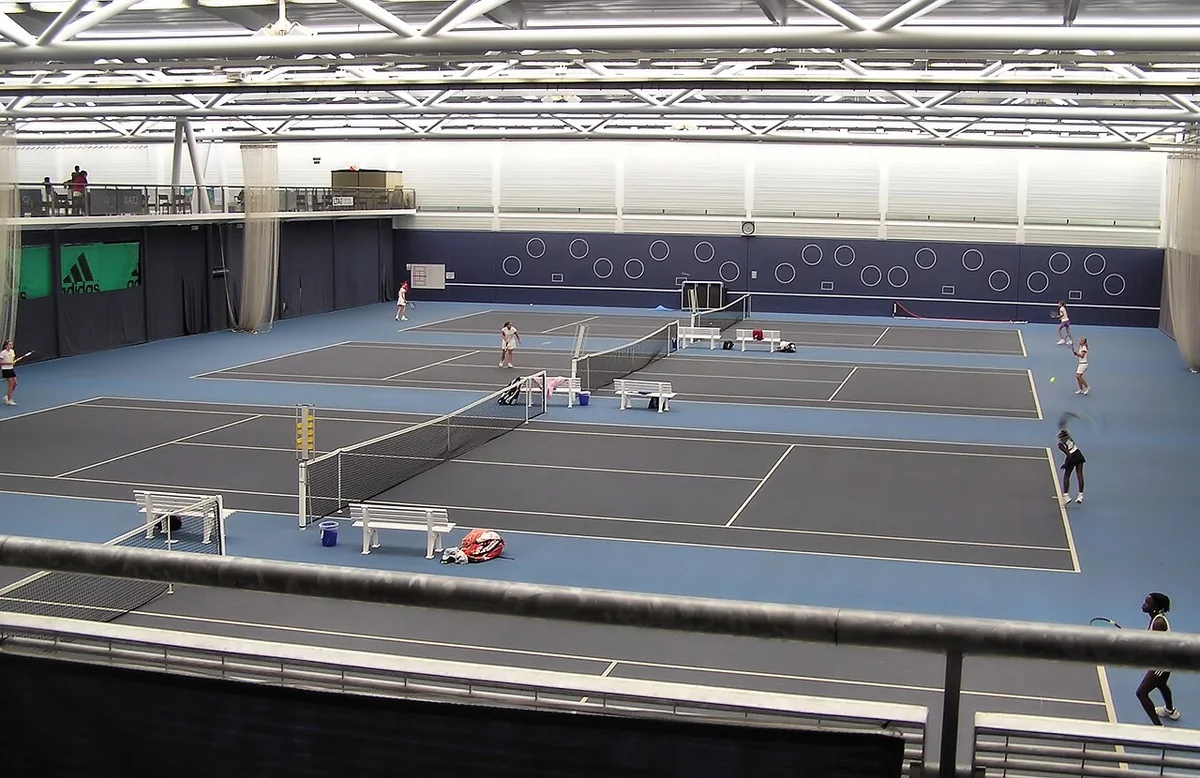
Indoor courts at the University of Bath
The competitive game

Four players, one court: plan six matches before settling the group

Adapt a four-player round robin for a club singles session, with a match order, rest considerations, a score sheet and a worked three-way tie.

6 min read
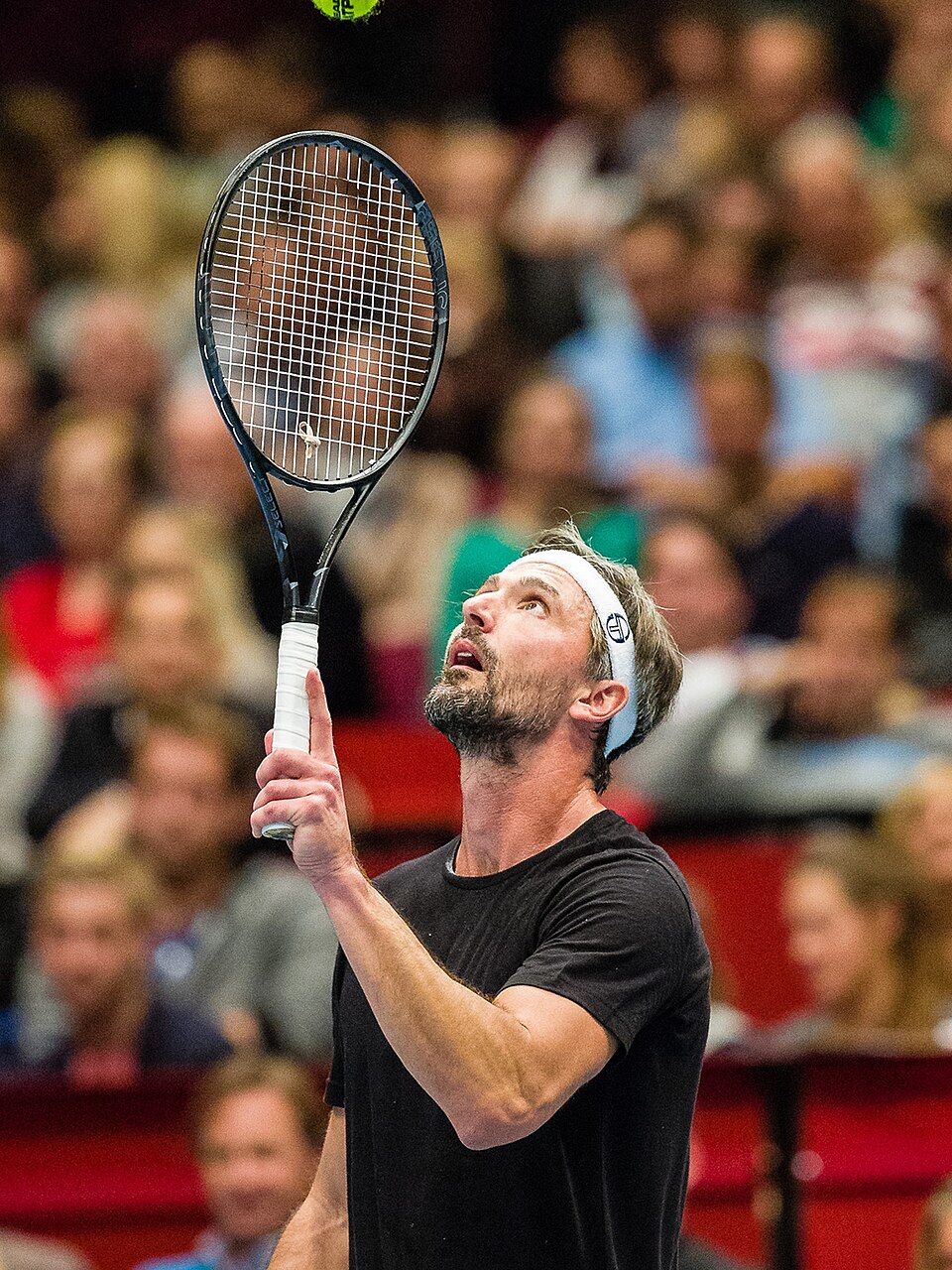
Goran Ivanisevic at an event in Vienna in 2016
The competitive game

Can a Wild Card Be Seeded? The Ranking Dates Behind WC

A player can enter on a wild card and still be seeded. Learn why Grand Slam entry and seeding use different ranking dates, with a practical draw-reading guide.

8 min read
Beverly Baker Fleitz holding a tennis racquet in a 1949 newspaper photograph
Match tactics

What could two forehands add? Four hypothetical points and the cost of preparation

A 37-player sample puts a stronger second wing at roughly four extra points per match. Grip changes, returns and recovery determine how that hypothetical translates to court.

6 min read
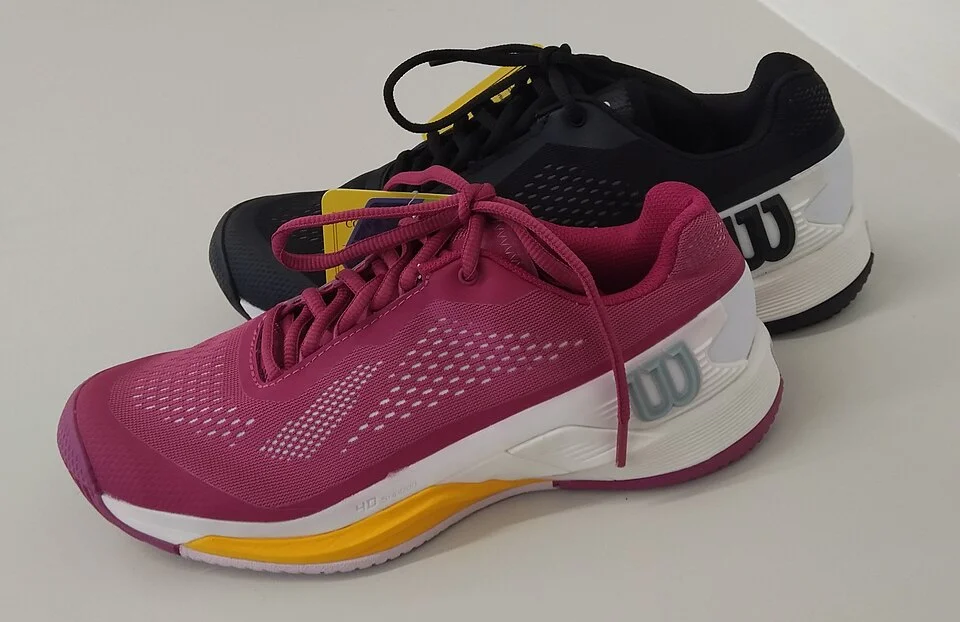
Pink and black Wilson Rush Pro tennis shoes photographed against a light background
The competitive game

Read tennis-shoe traction with surface, load and direction

In a 2016 TWU pilot, traction force and its coefficient changed differently with loading. Connect translational and rotational measurements with practical footwear notes.

6 min read
Ernests Gulbis preparing to strike a serve at the 2008 Pacific Life Open
Match tactics

Abandoned toss or missed swing: the rules for resetting a second serve

Catching an abandoned service toss is different from swinging and missing. Know the rule, keep the match moving, and practise the decision before a double fault makes it expensive.

7 min read
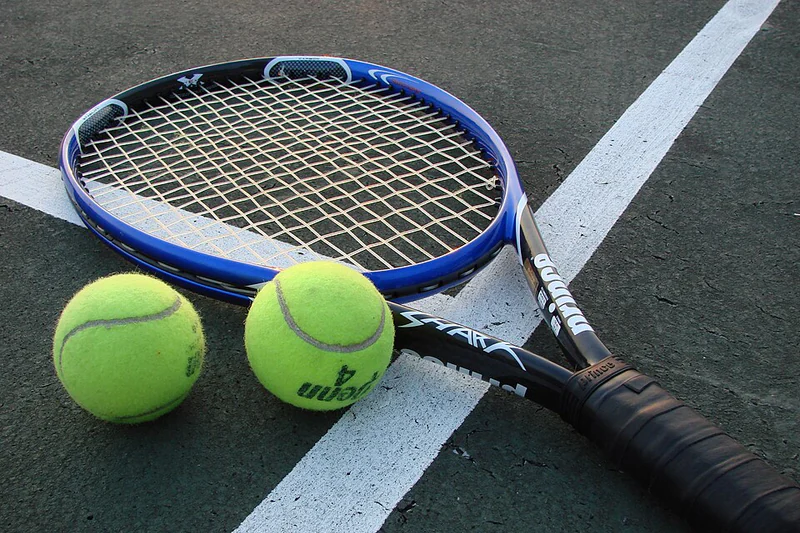
A blue tennis racquet and two balls on a court
The competitive game

Retail and tour tennis balls: compare bounce, felt and playing history

Use a 26-type ball study to understand wear, pressure and bounce, then compare current balls with a practical record of surface and playing conditions.

6 min read
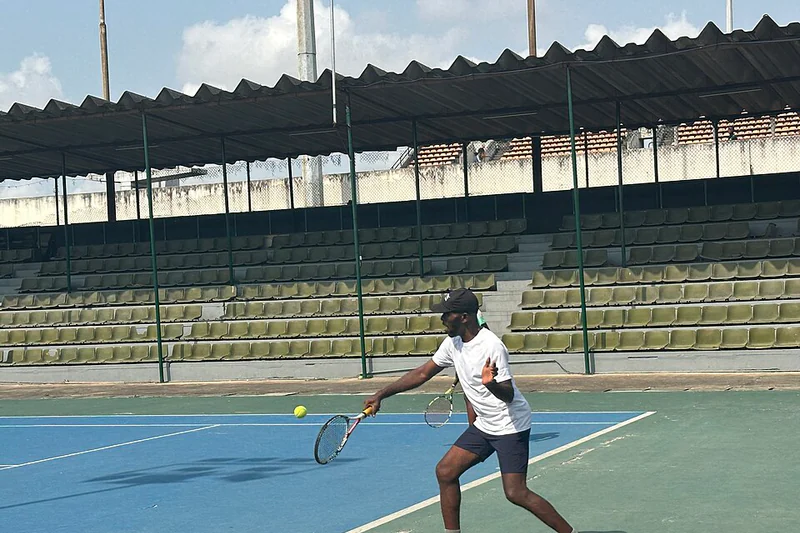
Tennis practice at a public sports facility in Nigeria
Match tactics

Before buying an AI ball machine, ask for a full practice session—not just its top speed

Pongbot, Acemate and Tero discussions reveal the questions a specification sheet misses: usable drills, app dependence, transport, repair and the real return conditions.

8 min read
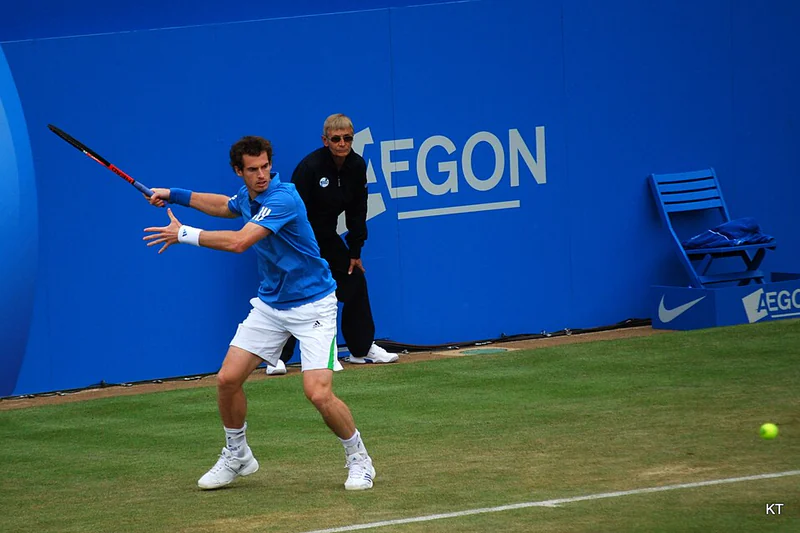
Andy Murray preparing a forehand on a grass court in 2011
Match tactics

Still losing to pushers? Stop trying to prove you hit the better ball

Why experienced players lose to defensive retrievers—and how to change the geometry of the point without gambling on winners or rushing the net.

7 min read
A tennis racquet and two balls beside white court lines
The competitive game

You changed “out” to “in.” Is the point replayed—or already lost?

A corrected out call has different consequences when made by a player or an official. USTA’s Code explains why the opponent gets the point, doubles disagreement and the specific net-serve exception.

8 min read
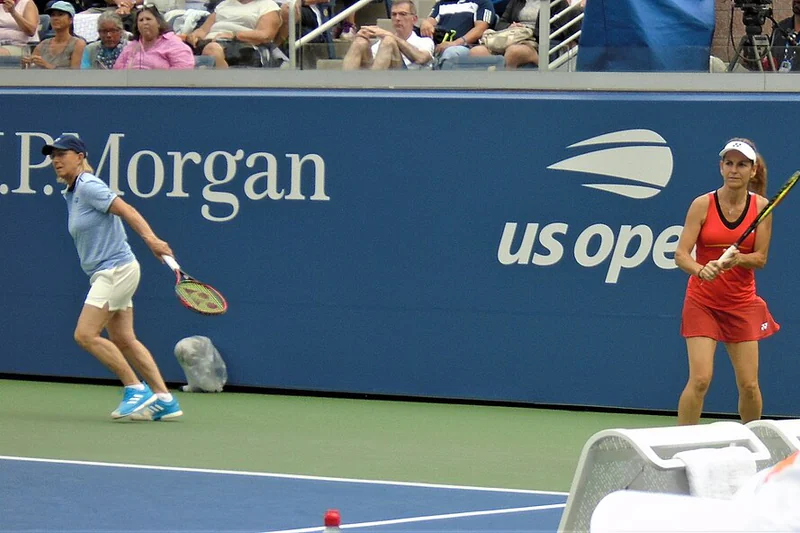
Martina Navratilova and Arantxa Sánchez Vicario warming up together on a US Open court
The competitive game

You shouted “get back” to your doubles partner. Why can that cost you the point?

USTA’s short-lob example explains when doubles communication becomes deliberate hindrance, why a late claim fails, and why grunts and involuntary cries need different treatment.

8 min read
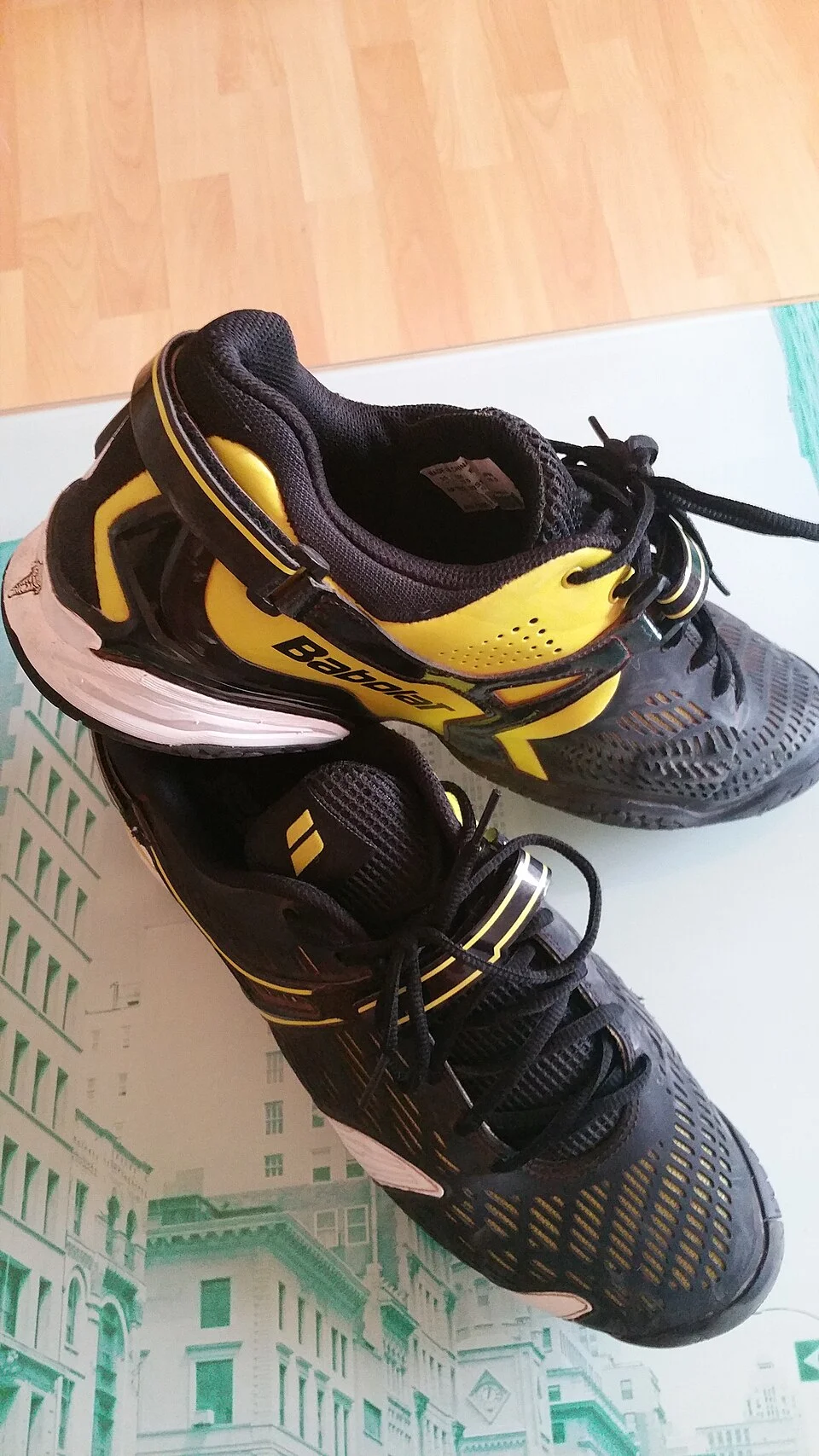
A pair of black and yellow Babolat tennis shoes viewed from above
The competitive game

Your tennis shoes feel plush. What happens when you brake?

A soft heel can win the shop-floor audition while telling you little about a wide forehand. What a 16-shoe laboratory study reveals about cushioning, forefoot loading and stability.

8 min read

Zdroje