Analysis & columns
The stories behind the scoreline. Players, rivalries, tactics and equipment—examined for people who know the game.
Strings & tension
10
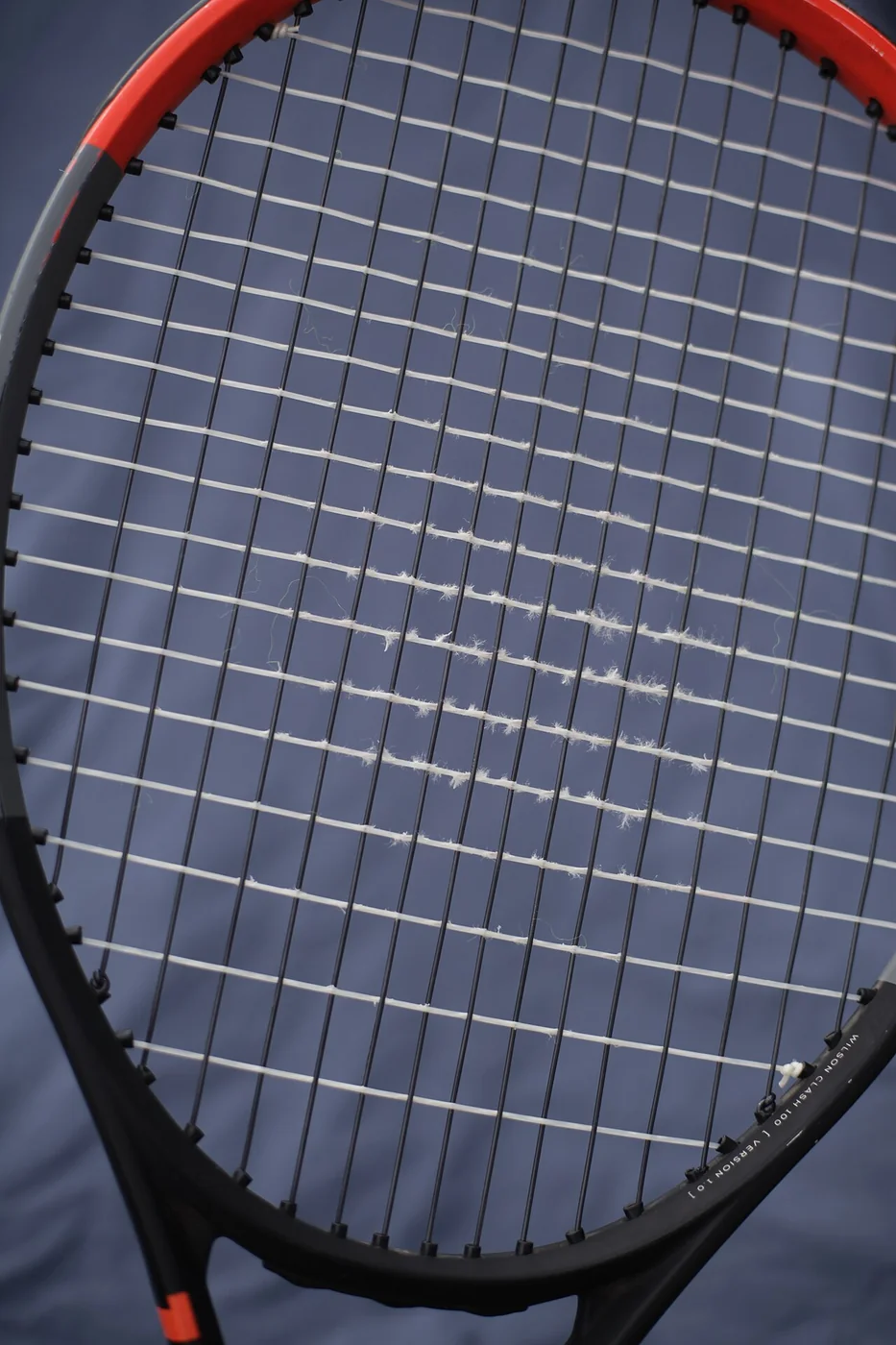
Your first natural-gut string job: what the price tag leaves out
Natural gut can be damaged before the first hit. Choose a first full bed with material checks, careful installation and moisture exposure in mind, alongside the option of keeping your multifilament.
8 min readSynthetic gut or multifilament: what should your first restring pay for?
Choose your first nylon setup by the shots you need and the installed cost. Compare solid-core synthetic gut with multifilament, then decide when the extra expense earns its place.
11 min read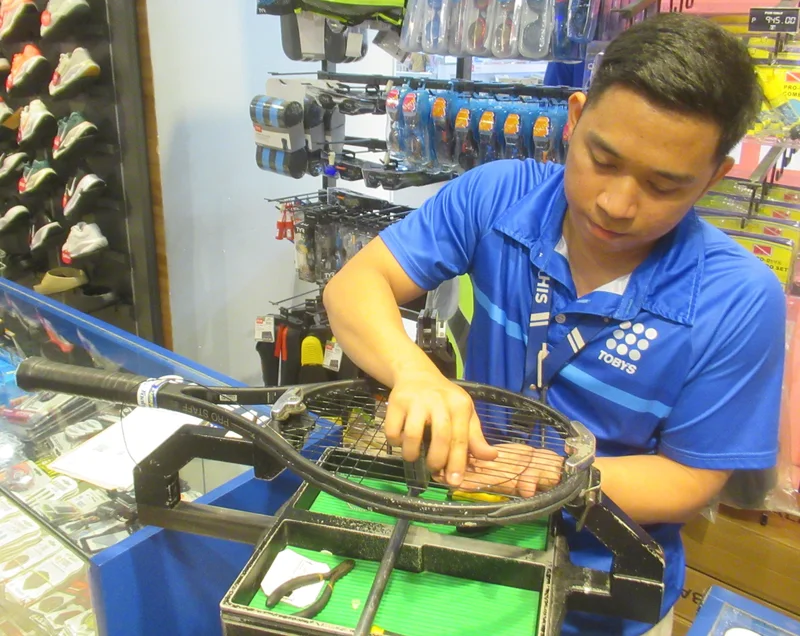
4G Soft is softer than 4G. Where does 217.2 sit among 1.25 mm strings?
A dated TWU comparison puts 4G Soft below 4G in dynamic stiffness but above Element and Velocity MLT. Read the reference tension, units and material before choosing.
7 min readWhite clamp marks or real slipping? Check three holding points before raising tension
A practical guide to string jaws, clamp bases and puller grips, using GAMMA maintenance guidance and the Baiardo L manual.
7 min read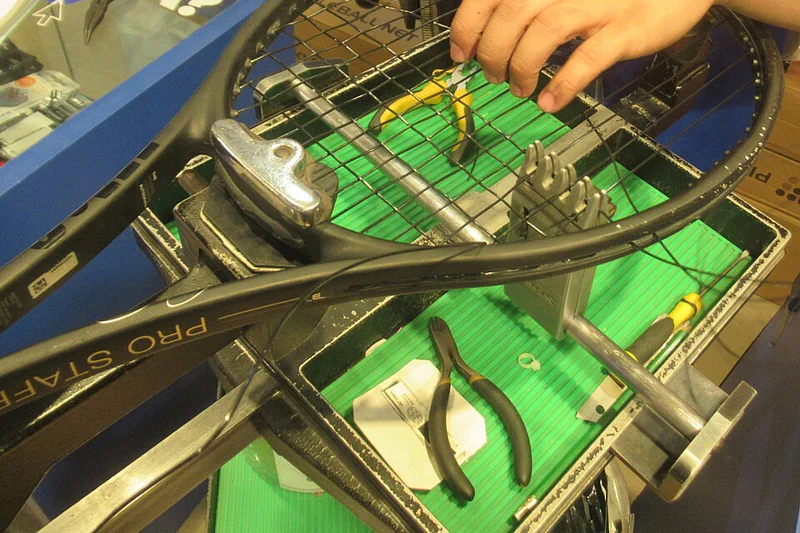
Focus HEX and Co Focus: match 1.23 mm before comparing the profiles
MSV describes Co Focus as using the same material as Focus HEX with a round profile. Their shared diameters offer a practical starting point for a controlled comparison.
7 min read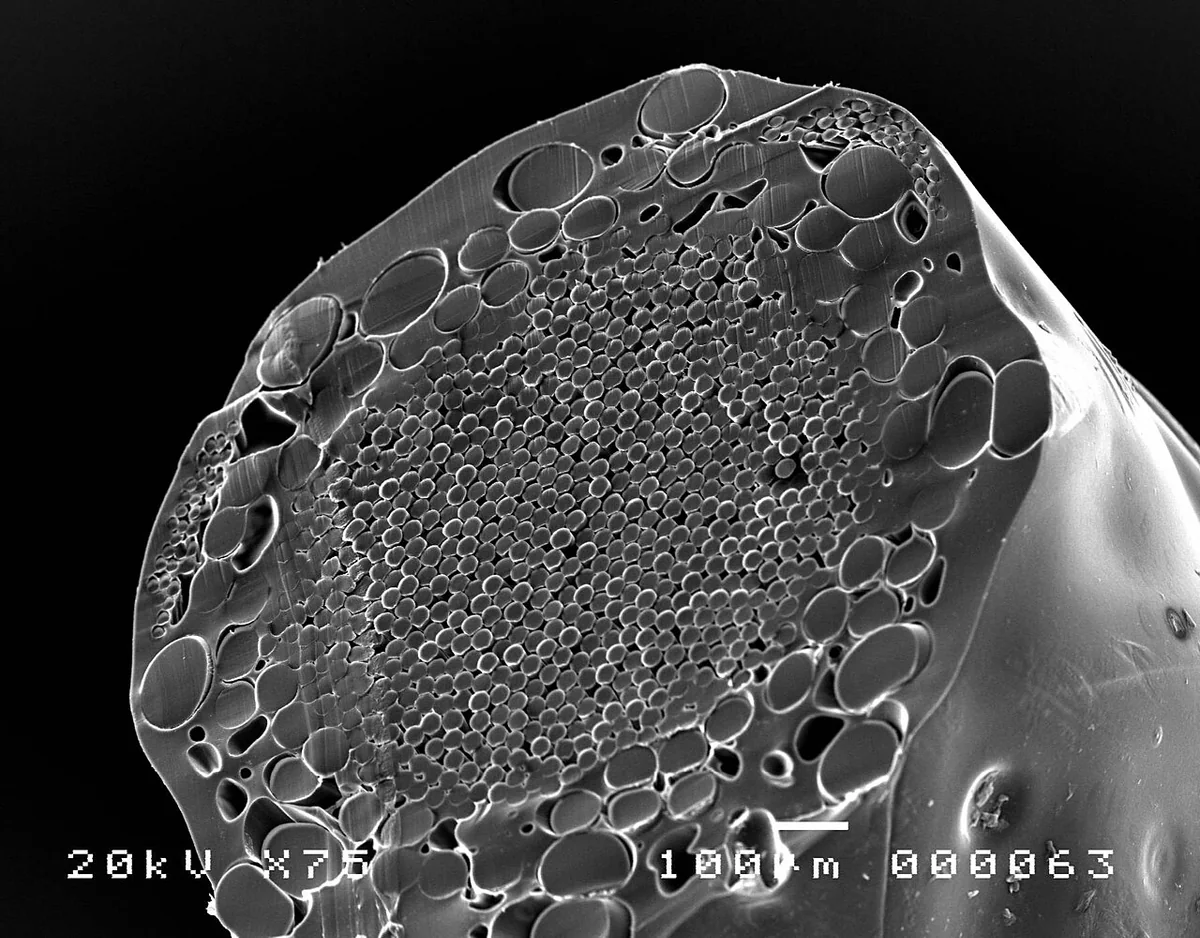
X-Natural versus Solstice Power: rough surfaces, different constructions
Solinco X-Natural bonds multifilament fibres with TPU; Diadem Solstice Power is a star-shaped co-poly. Compare construction before choosing a textured string.
7 min readFrom first tension to restringing: decisions beyond an app reading
Choose a starting tension, interpret the first drop and decide whether to continue, adjust the next job or replace the strings. Hypothetical app estimates are clearly separated from measurements.
8 min read
Should a spin string be rough or slippery? You are asking about two different surfaces
A 2016 surface experiment and reversed hybrid measurements reveal two kinds of friction. Use their mechanisms to structure a practical string comparison.
7 min read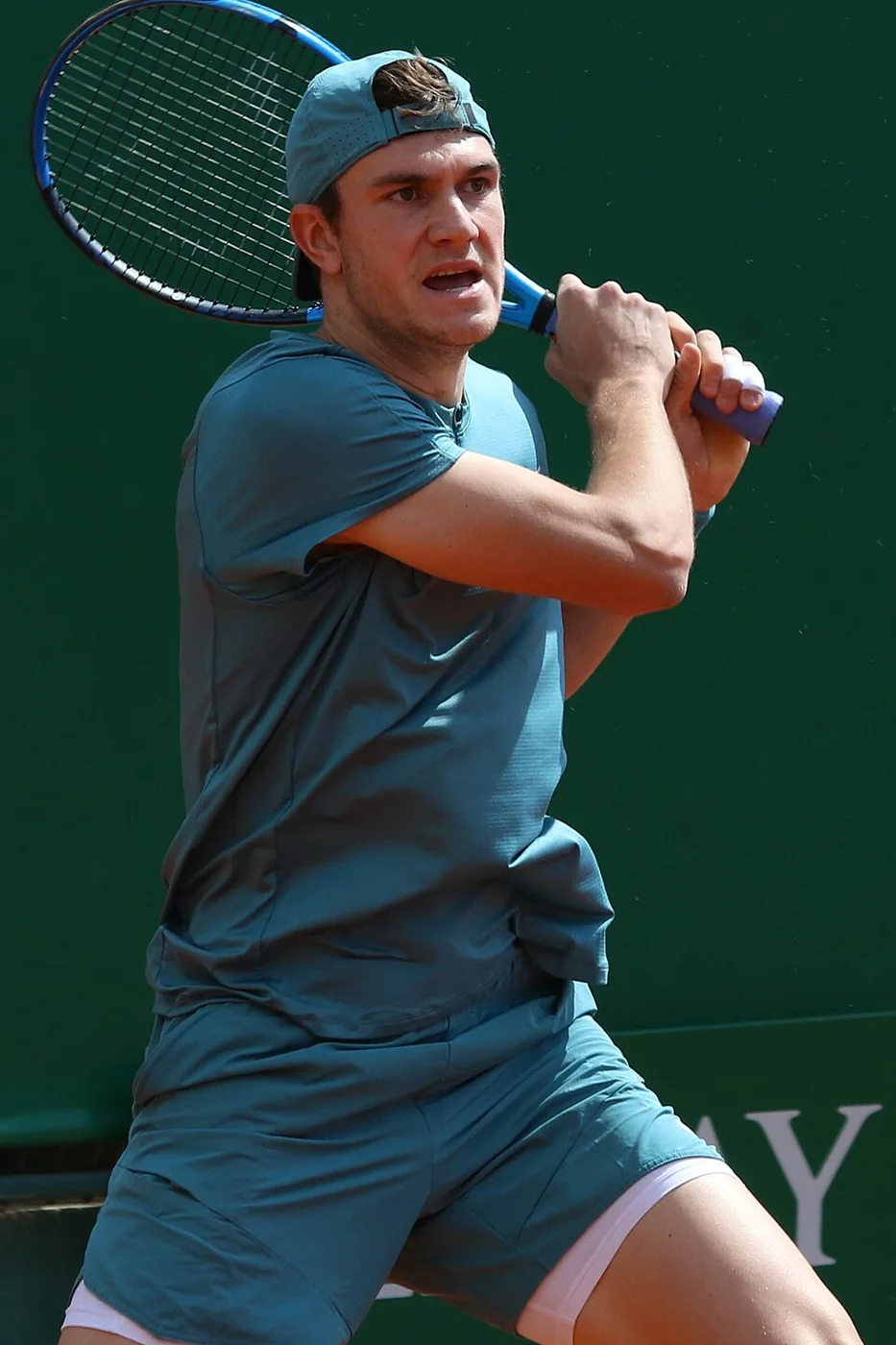
Jack Draper’s natural-gut experiment challenges the “serious players use poly” rule
What Jack Draper’s reported move from polyester toward natural gut tells experienced players about string stiffness, useful life and choosing a setup without copying a pro’s prescription.
8 min readLower tension, higher launch—but where did the topspin go?
Lower string tension can raise the launch angle without delivering more topspin. What TWU’s string-movement experiments reveal, and how to judge a useful low-tension setup.
9 min readRacquets & gear
9
Dunlop CX 400 Tour vs CX 200: easier depth or quicker preparation?
Compare the 2024 CX 400 Tour and CX 200 through defensive depth, short-ball attacks and serving. Includes specifications, Limited Edition differences and a practical demo order.
12 min read
Lightweight racquets: which Boom, Clash or EZONE to demo first
Less total weight and less resistance to rotation lead to different shortlists. Compare the Boom MP L, Clash 100L, EZONE 100L and Boom MP in useful pairs.
9 min read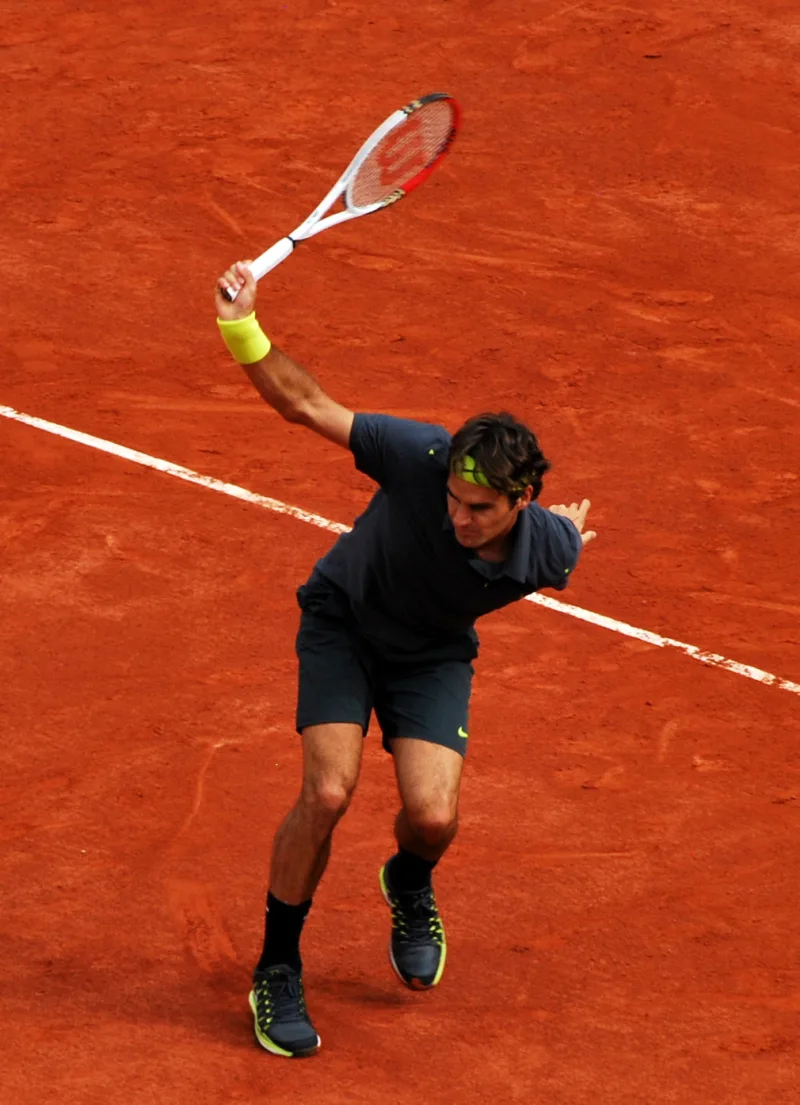
One-handed backhand racquets: RF 01, Pro or PERCEPT 100?
Choose by topspin and slice separately. Compare RF 01, RF 01 Pro and PERCEPT 100 through high contact, return depth and serving demands.
11 min read
Racquet aerodynamics: can equal swingweights feel different?
Racquets with the same swingweight can have different aerodynamic resistance. Separate drag reductions from swing speed, then compare full swings, compact returns and the ball that leaves the strings.
8 min read
Yonex PERCEPT 97 vs VCORE 98: choose depth and direction before a spin label
Try VCORE first for extra depth, or PERCEPT for narrower targets with your own swing. Keep direction changes and returns in the decision after gaining height.
10 min read
Ripcord or Ripstick 100: one extra cross, different ports and a more connected feel?
The 2025 Prince Ripcord 100 300g uses 16×19 and conventional grommets; Ripstick uses 16×18 and O-Ports. Compare verified specifications with the reviewers’ specific observations.
7 min read
Your grip feels sticky in the shop. Why does it slip in the second set?
Tacky feel and sweat handling are different things. Choose an overgrip by its behaviour during a match, and stop judging it with a dry hand alone.
5 min read
Both racquets say 305 g. Why does one keep arriving late?
Identical listed weight does not mean identical swingweight. Read mass, balance and rotational resistance together before choosing a new frame or matching a second racquet.
8 min read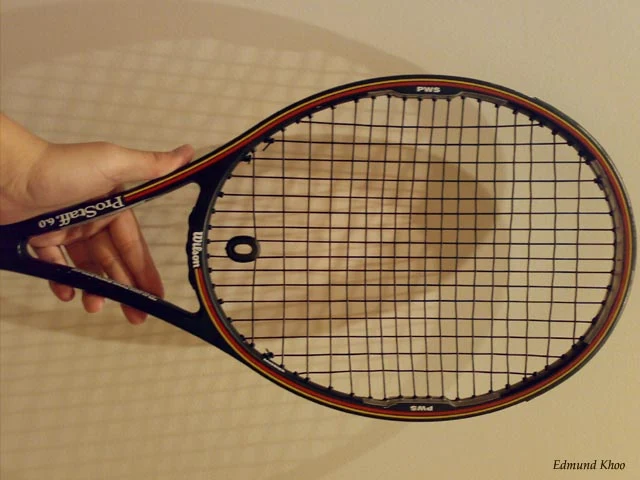
12 o’clock or 3 and 9? The same four grams can change a racquet in different ways
Racquet weight at 12 o’clock and at 3 and 9 changes different rotational demands. A worked example separates swingweight, twist resistance and the limits of laboratory evidence.
8 min readMatch tactics
6

High backhands: when to step in and when to retreat
Choose a high-backhand response by preparation time and recovery space. Compare early contact, retreating, slice and the run-around forehand, then practise the next ball too.
10 min read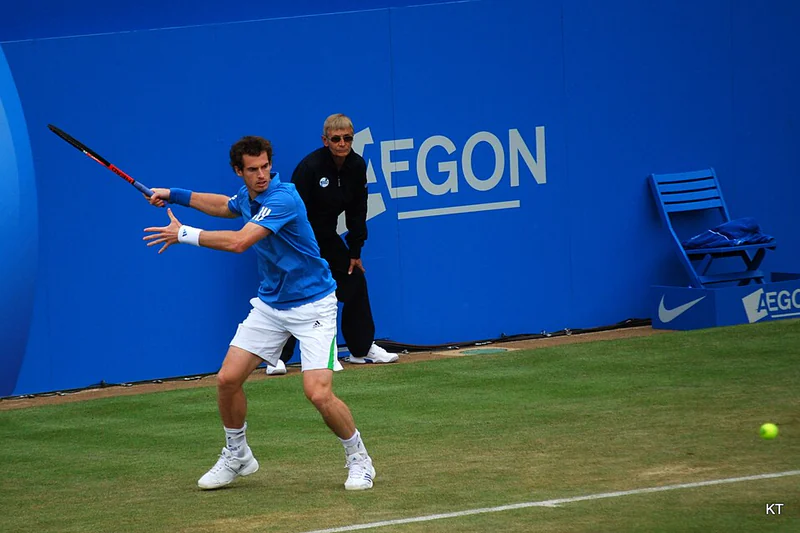
Going down the line: attacking and changing the rally
Separate a down-the-line attack from a shot that escapes an unfavourable rally. Use depth, contact, net clearance and recovery to choose—and practise—the change.
8 min read
Djokovic’s first attack: open court or wrong-foot?
In Beijing, Djokovic missed and made attacks behind the returner within the same game. Compare the incoming ball, execution and recovery before copying the direction.
9 min read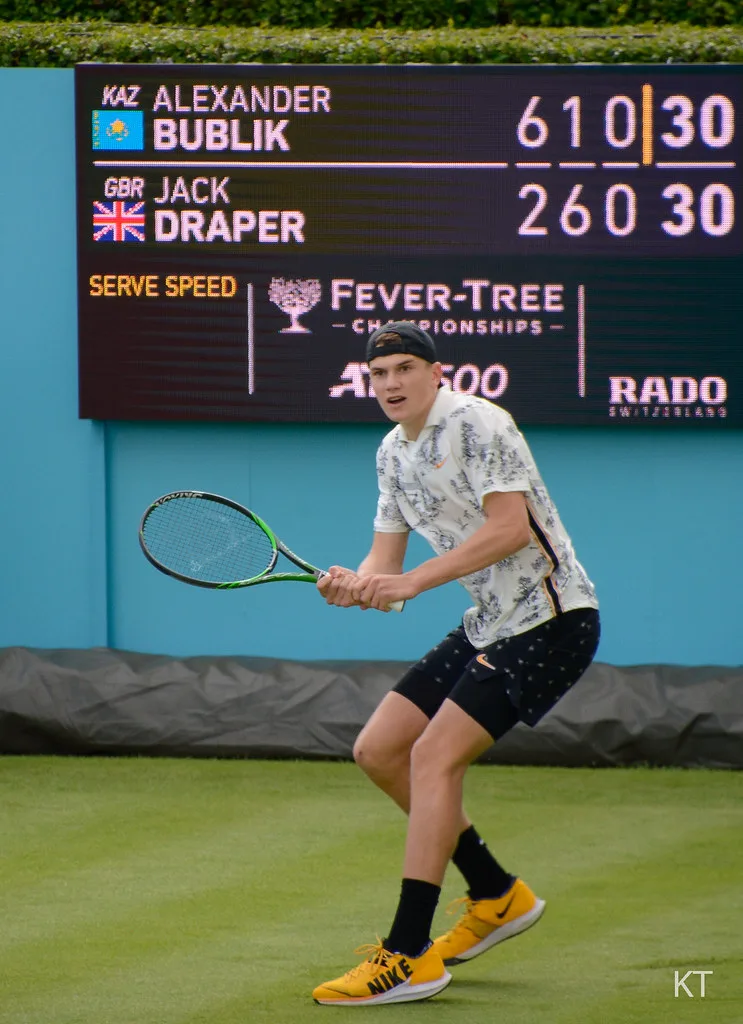
Reading serve habits: when a return prediction helps—and when it costs
A 2026 virtual-return experiment separates serve tendencies, subtle weight shifts and rare-direction costs. Distinguish choosing a direction, contacting the ball and making a playable return.
10 min read
Serve leg drive: connect the motion before bending deeper
Use research on serve coordination to separate knee depth from leg drive, toss timing and racquet preparation, then choose one practical adjustment.
8 min read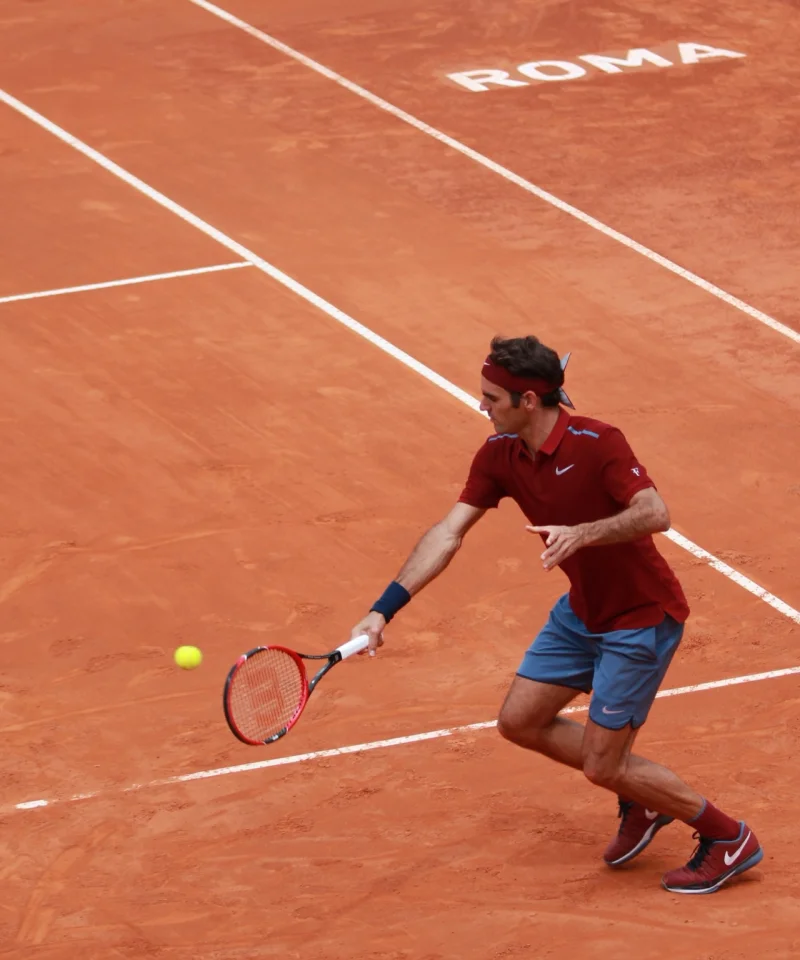
Slice tactics: choosing depth or a short angle
A deep slice keeps an opponent back; a short angle draws them forward and wide. Use their next contact to choose, with examples from Tatjana Maria’s 2026 season.
8 min readPlayers & the tour
53

Jang Su-jeong: what travelled beyond the Wimbledon wait
Jang missed Wimbledon’s main draw before winning her first WTA 125 title. Her path from that wait to a shared court in Andong reveals what preparation can carry forward.
9 min read
WTA Finals doubles 2026: possible rematches and deciding points
Three potential doubles matchups to watch at Indian Wells, from a Wimbledon rematch to major champions meeting. The no-ad format, match tiebreaks and PST/KST dates shape the choices.
7 min read
Alex de Minaur’s attack starts with his feet
De Minaur is using his speed to take time away. Rotterdam, Melbourne and Shanghai show the promise of that approach—and the different obstacles it still faces.
11 min read
Alexander Bublik’s risks: when a trick becomes a winning play
Bublik gives different reasons for an underarm serve and an all-out attack. His Paris breakthrough and Shanghai misses show how to judge the purpose behind the spectacle.
10 min read
Hyeon Chung’s Melbourne: the thoughts before the sixth match point
The 2018 Australian Open interviews reveal a player developing his serve and net game while navigating expectation, missed chances and a painful semifinal exit.
12 min read
Guangzhou 2026: returning to the same courts with different jobs to do
Badosa–Ruzic, Wang Xiyu–Linette and Tjen–Siniakova offer three possible routes into Guangzhou, alongside the newly announced Venus Williams–Tjen doubles partnership.
9 min read
Han Na-lae: two major draws and a decision to stop
When Han Na-lae retired, the 2023 US Open was her standout memory. Her route there, first-round defeat and final team title explain why a breakthrough and a lasting tour career are different achievements.
10 min read
Soonwoo Kwon’s Adelaide title began with two rematches
Kwon lost to Machac and Draper, then beat both on the way to the 2023 Adelaide title. The rematches, a shifting final and his next defeat reveal what changed.
11 min read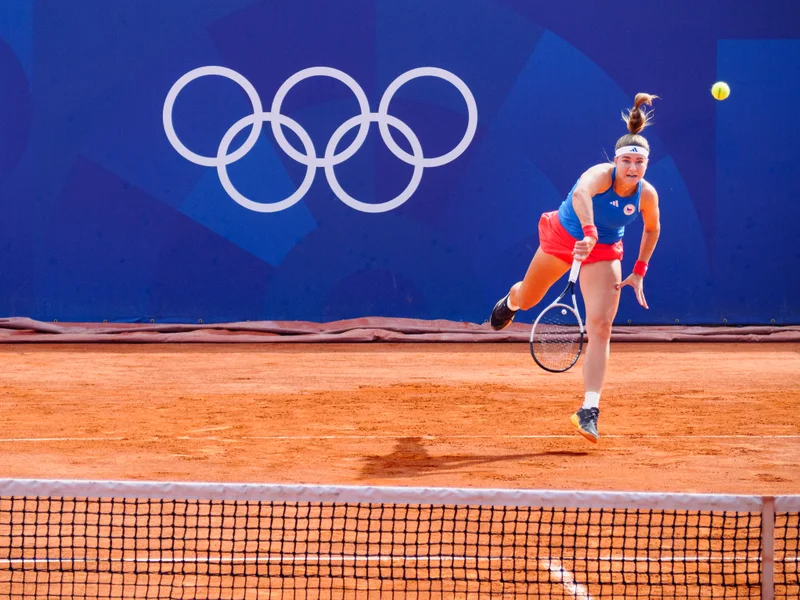
Muchova at the net: follow the shot that gets her there
Serve-and-volley, an attacking return and a reply dipping at her feet: the choices behind Karolina Muchova’s 2024 US Open run.
11 min read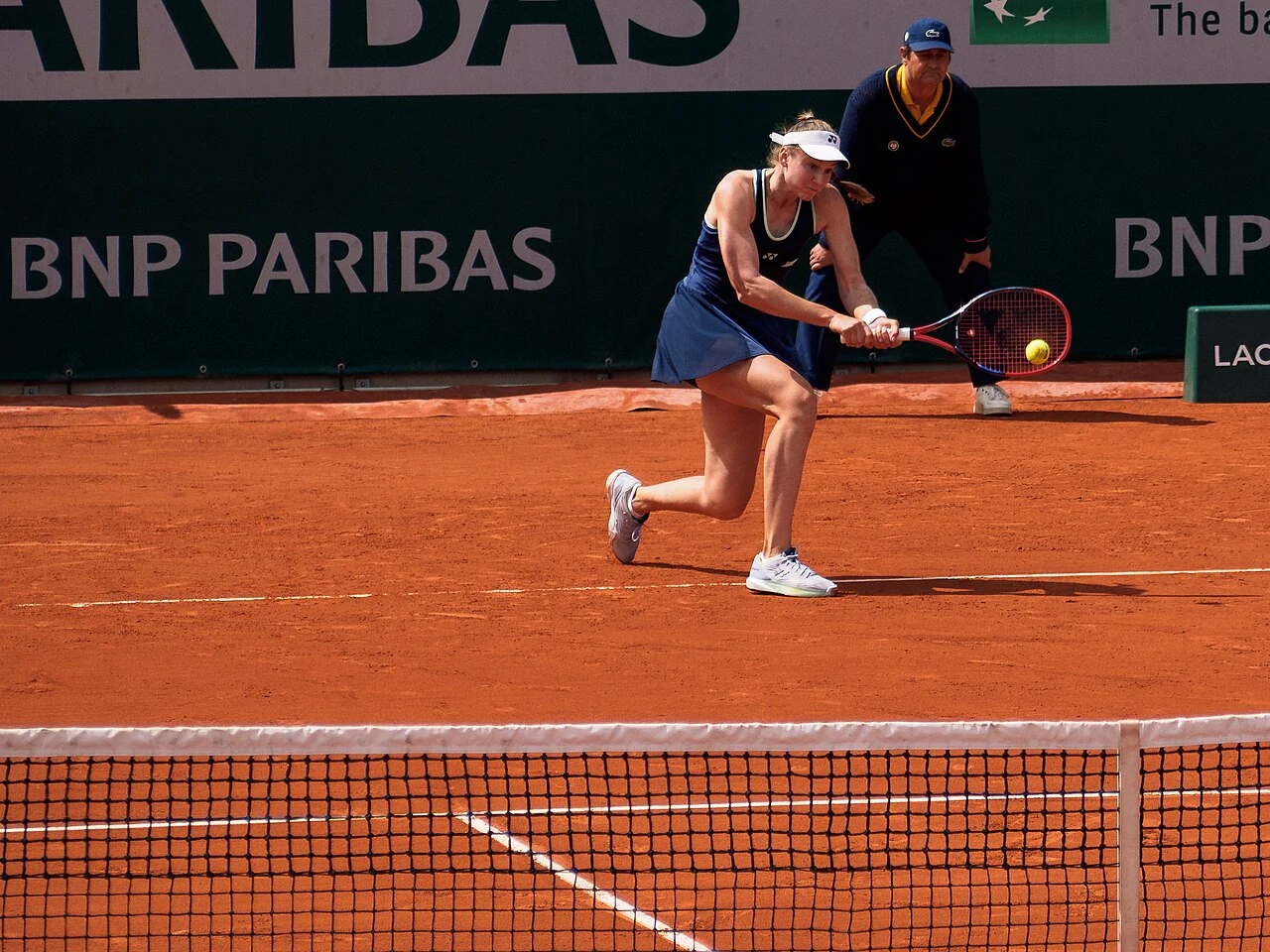
Tokyo 2026: three different answers to a powerful serve
Rybakina–Osaka, Osaka–Eala and Bencic–Eala offer three ways to watch the season’s final WTA 500: return quality, variety on serve and timing.
9 min read
Victoria Mboko after the breakthrough: three finals, then a pause
Mboko’s progress cannot be counted in trophies alone. Her ITF streak, two tour titles, three finals in 2026 and injury absence reveal different tests of a rising player.
11 min read
Vienna 2026: three matchups that put the defenders on the front foot
A Vienna watchlist built around Alcaraz–Medvedev, Medvedev–Tien and Zverev–De Minaur, with programme times, the Turin stakes and the questions behind each possible meeting.
9 min read
The day Zhang Shuai treated herself like a doubles partner
A missed match point, a US Open doubles final and one protected-ranking entry left: the circumstances behind Zhang Shuai’s Beijing revival in 2024.
11 min read
Hyeon Chung’s Seoul return: wildcards and a team role
Chung initially wanted younger players to receive Gwangju’s wildcards. His changing schedule, Davis Cup role and Seoul qualifying route reveal the choices behind his return.
9 min read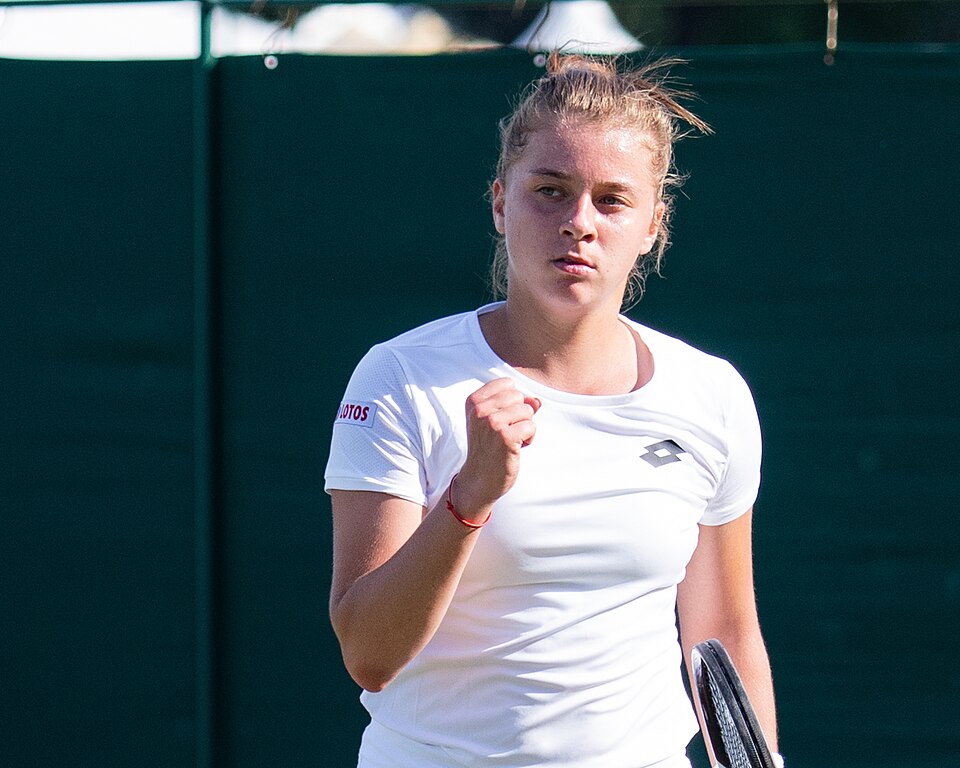
Beyond the drop shot: three sequences behind Chwalinska’s Wuhan title
Defensive drop shots, a successful drop–lob sequence and improved depth tell different parts of Maja Chwalinska’s 2026 Wuhan title run.
9 min read
Flavio Cobolli’s next step: finishing from in front
Creating an attacking opportunity and closing a match are different skills. Cobolli’s path from his first major main draw to the 2026 Paris final provides a useful way to watch his next step.
11 min read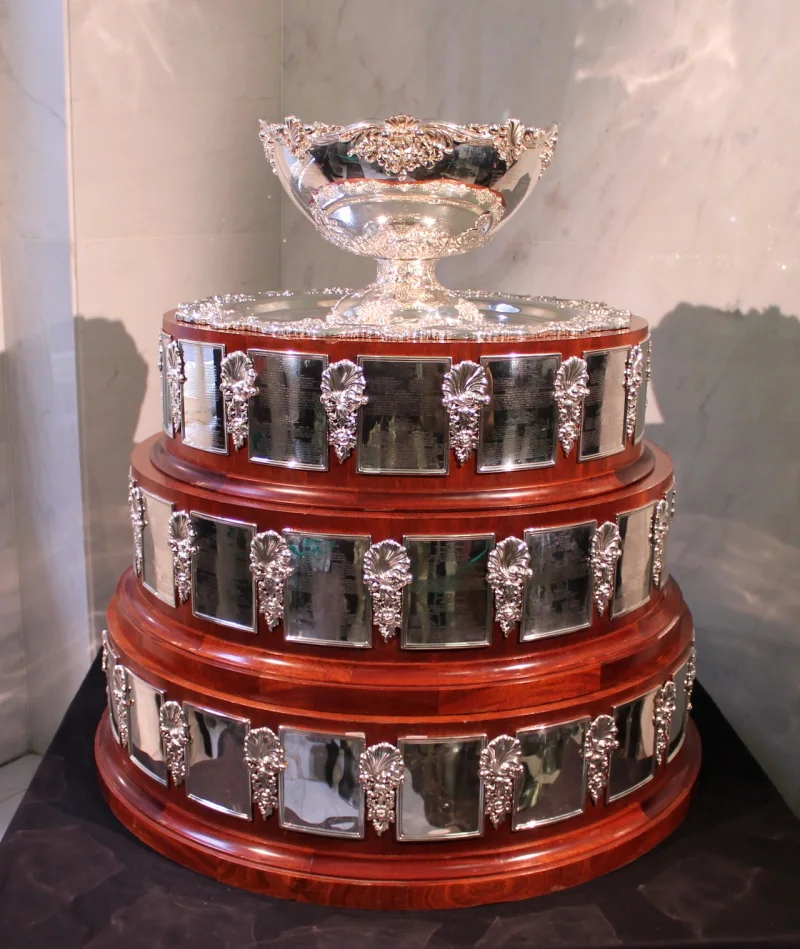
Davis Cup 2026: when three singles wins are no longer a route
Korea, Canada and Czechia qualified with three singles wins despite doubles defeats. Compare three Final 8 ties under the shorter format, with a complete CET–KST schedule.
8 min read
Hong Kong Open 2026: three rematches worth watching
Choose potential Zheng–Eala, Shnaider–Fernandez and Paolini–Sakkari rematches through their changed 2026 conditions, with a Hong Kong and KST viewing schedule.
8 min read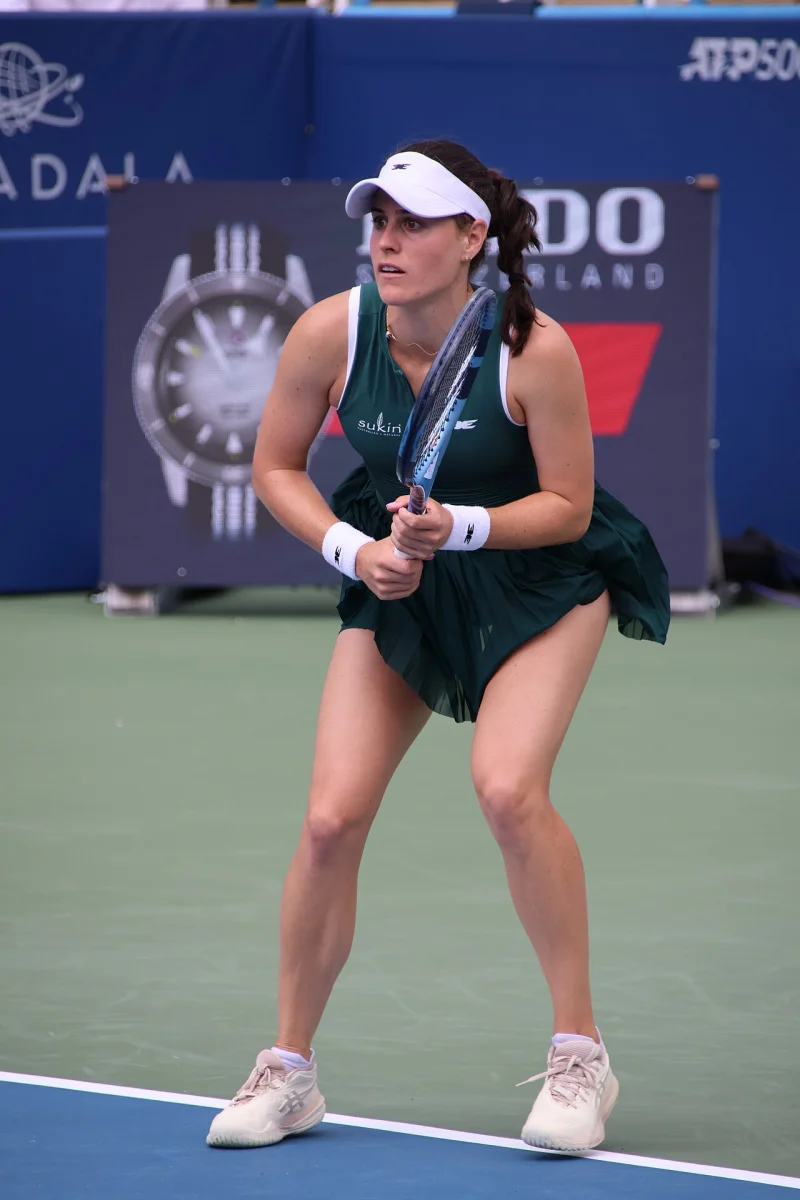
Korea Open 2026: chances, leads and Birrell’s first title
Three Korean opening wins led to different second-round problems. Park’s break chances, Ku’s lead and Birrell’s final reveal how Seoul turned on the next phase.
9 min read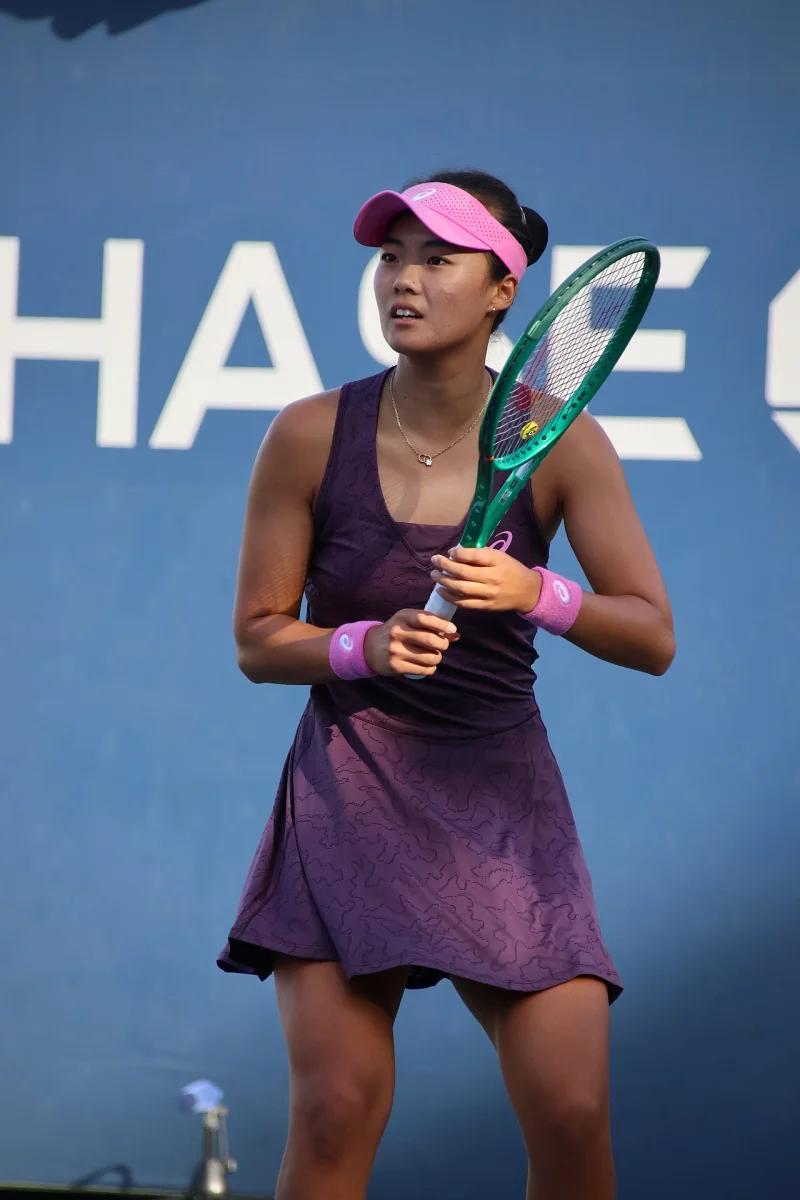
Yeonwoo Ku’s 2026: finding her attack, finishing the match
Ku’s comeback restored her attacking confidence. Her Montemor title and reversed leads in Paris and Seoul reveal the next challenge, with her October Edmond result bringing the story forward.
10 min read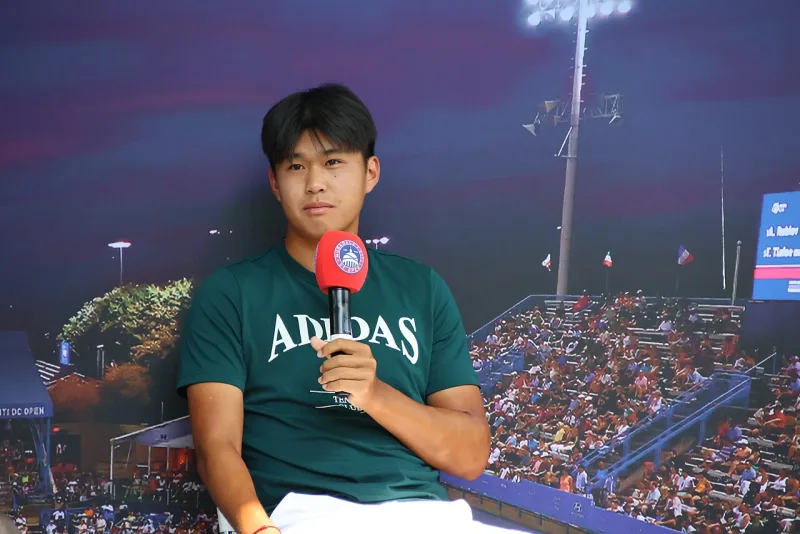
Learner Tien: adding attack without losing patience
Tien’s development is more than a switch from defense to attack. Follow his work with Michael Chang through Melbourne, Indian Wells and Geneva to see how his choices are expanding.
13 min read
Nam Ji-sung’s doubles: familiar partners, faster adjustments
Nam’s next task is changing a prepared plan together when it stops working. His major debut, Challenger titles and Asian Games silver reveal different dimensions of a doubles partnership.
10 min read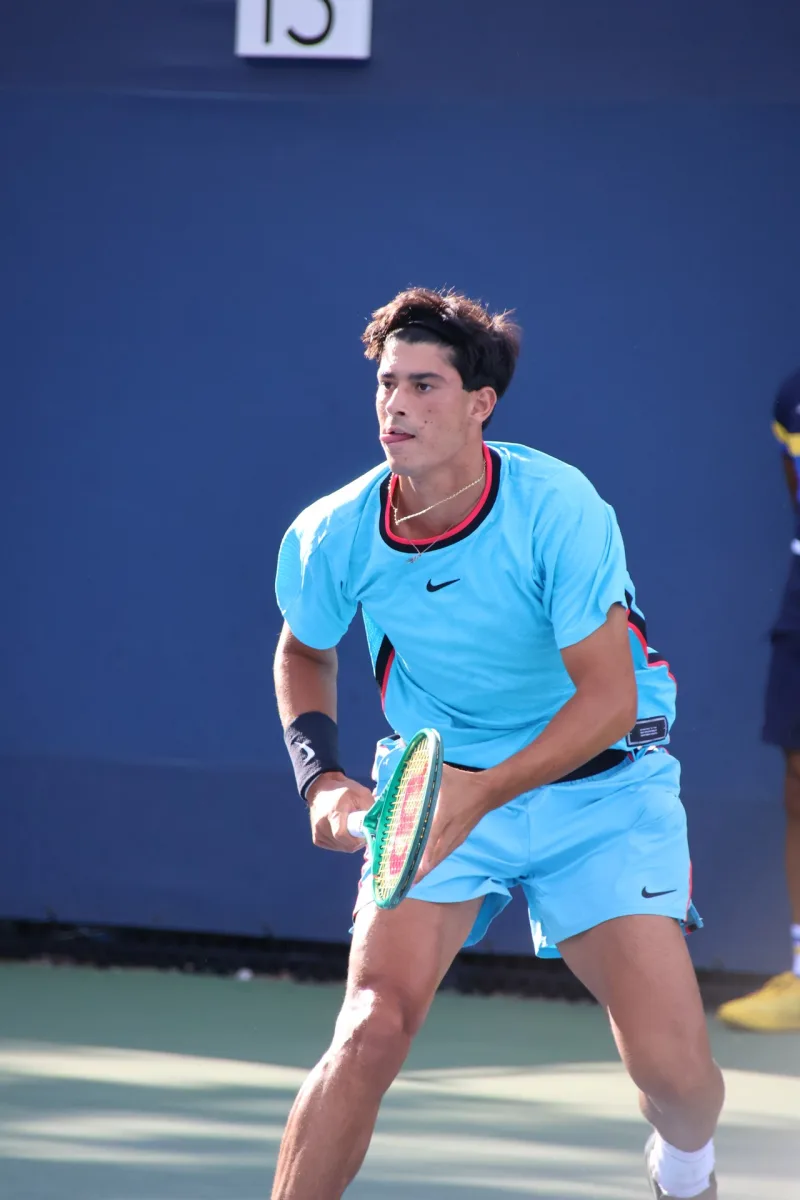
Next Gen Finals 2026: short sets, a longer contest
The Reggio Calabria schedule in local and Korean time, plus three conditional pairings to watch through pressure returns, recovery between sets and the group qualification picture.
9 min read
Noskova’s grass double: the contests hidden inside 3-0
The same 3-0 lead concealed different battles in Berlin and Wimbledon. Deuces, break points and service order reveal how Noskova built her grass titles—and what to watch next.
10 min read
Paris Masters 2026: KST times and a pre-draw watchlist
Paris day sessions fall in the Korean evening; night sessions cross into the next morning. Three possible pairings turn this year’s matches into specific questions for your viewing schedule.
9 min readTiebreak win rates: Muchova’s ten wins and the choices after 6–6
An unbeaten tiebreak record can survive a tournament defeat. Three 2026 WTA sequences connect dated win–loss samples with the serves, returns and rallies that decided them.
10 min read
Zverev–Cobolli: depth, short balls and the line in the Paris final
Three passages from the 2026 Roland-Garros final show different attacking roles for a deep return, a drop shot and down-the-line winners, with point, game and set outcomes kept distinct.
9 min read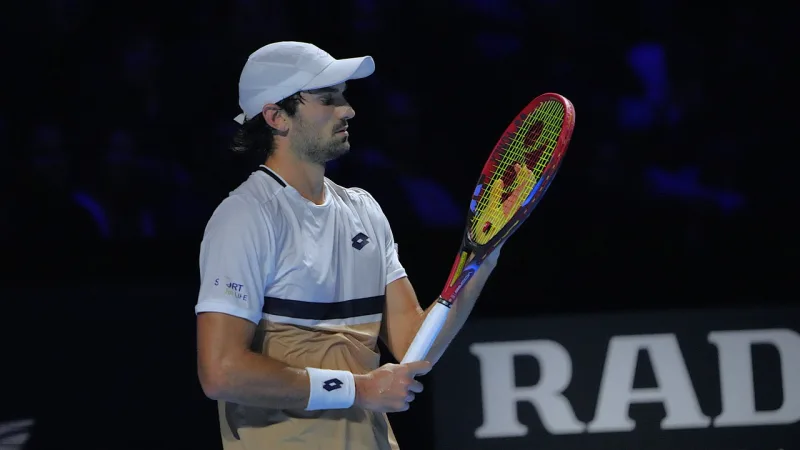
Vacherot: from a shock title to a place on tour
Losing his Shanghai crown left Vacherot with a different starting point from a year earlier. Follow the move from qualifying alternate to major seed, and the demands still ahead.
11 min read
How Cibulkova turned two defeats into a 2016 WTA Finals title
A retained set and a win over Halep kept Singapore open. Cibulkova’s route connects Linz pressure, group-stage arithmetic and an attacking final against Kerber.
7 min read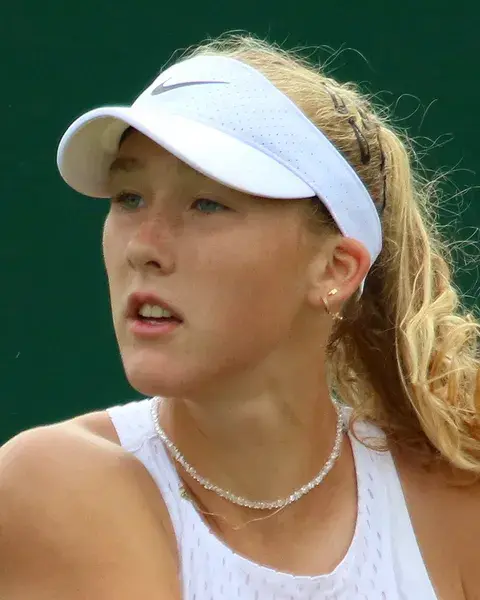
No.3, No.23, No.98: Beijing moved three careers in different ways
The October 12, 2026 WTA rankings put Andreeva in the top three, Zheng back in the top 30 and Charaeva in the top 100. Read the results and points behind those different milestones.
7 min read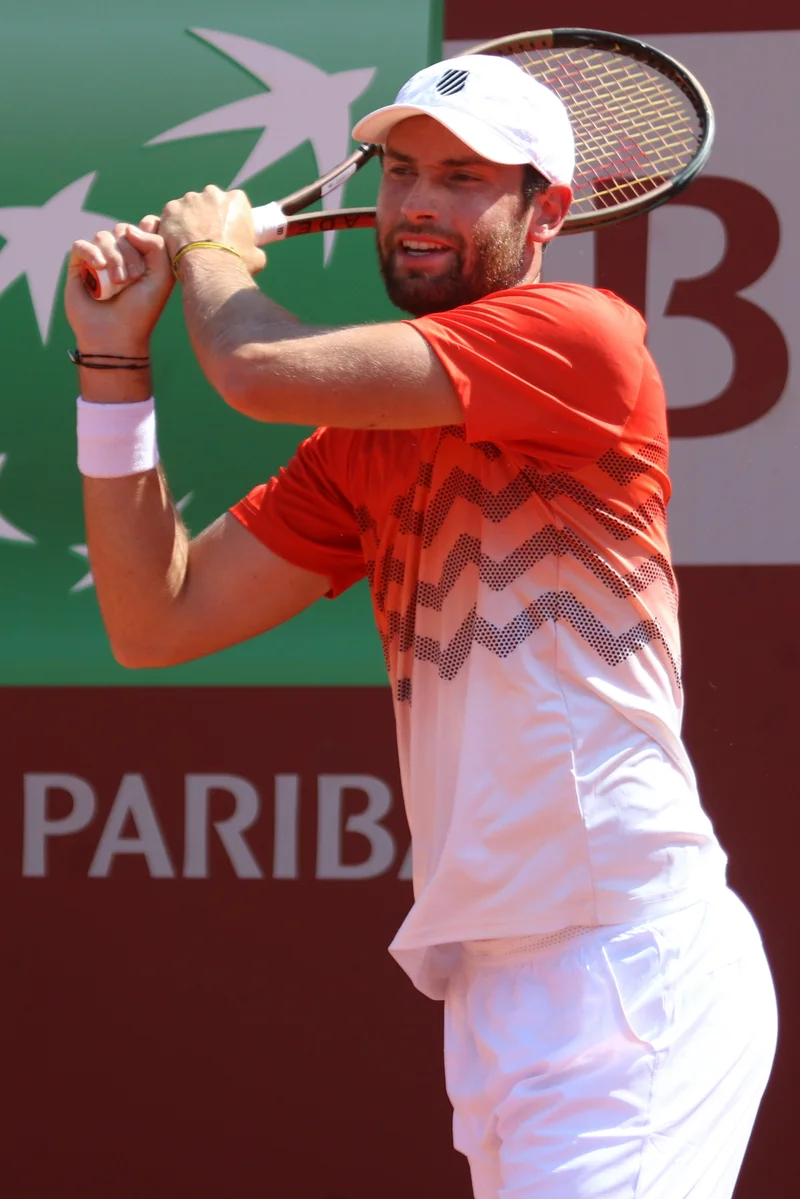
Quentin Halys needed eleven attempts for a top-10 win. Dubai showed what changed.
Halys saved five break points against Rublev in Dubai in 2025, then reached his first ATP 500 semifinal. Follow the results behind that breakthrough.
6 min read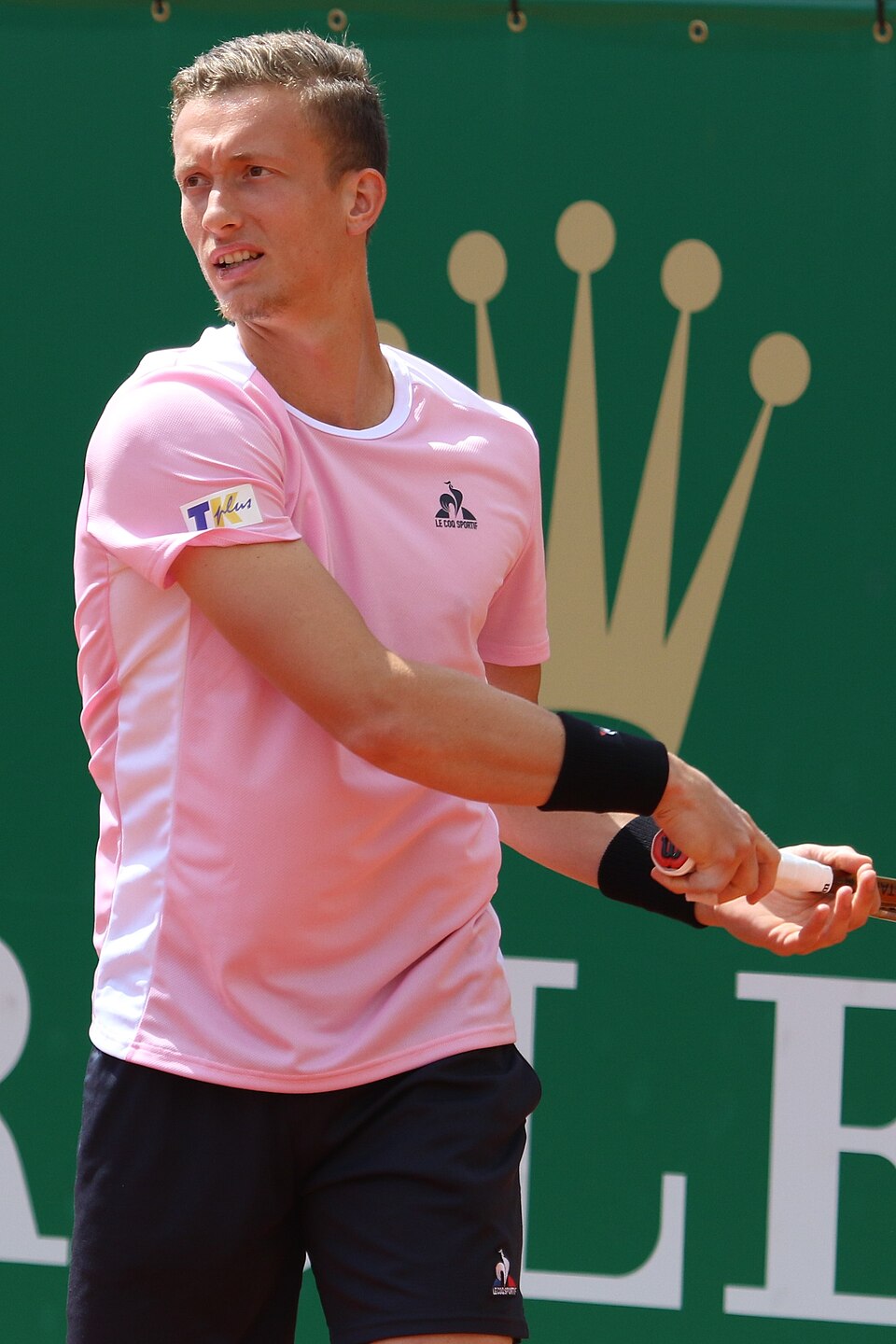
Lehecka held serve for five matches. Sinner broke him in his second service game.
Lehecka’s 2026 Miami run ended against Sinner, but the useful story lies in 11 break points, a missed 0–40 chance and the difference between holding and controlling.
8 min read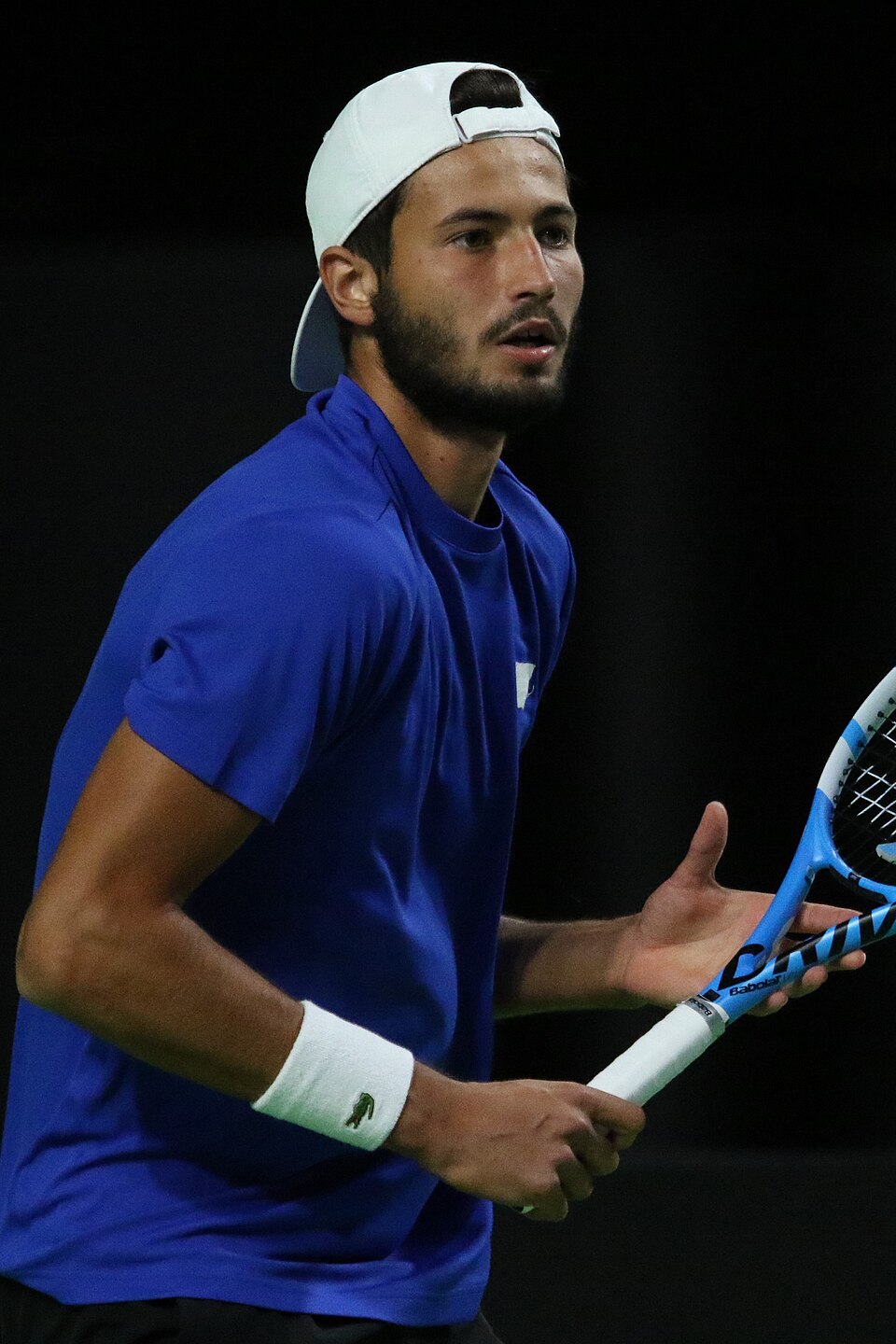
Titouan Droguet: 21 aces opened the door. A lob kept the next one open.
Droguet’s first ATP semi-final in Montpellier combined powerful serving, hard-won tie-breaks and a revealing response from Auger-Aliassime.
8 min read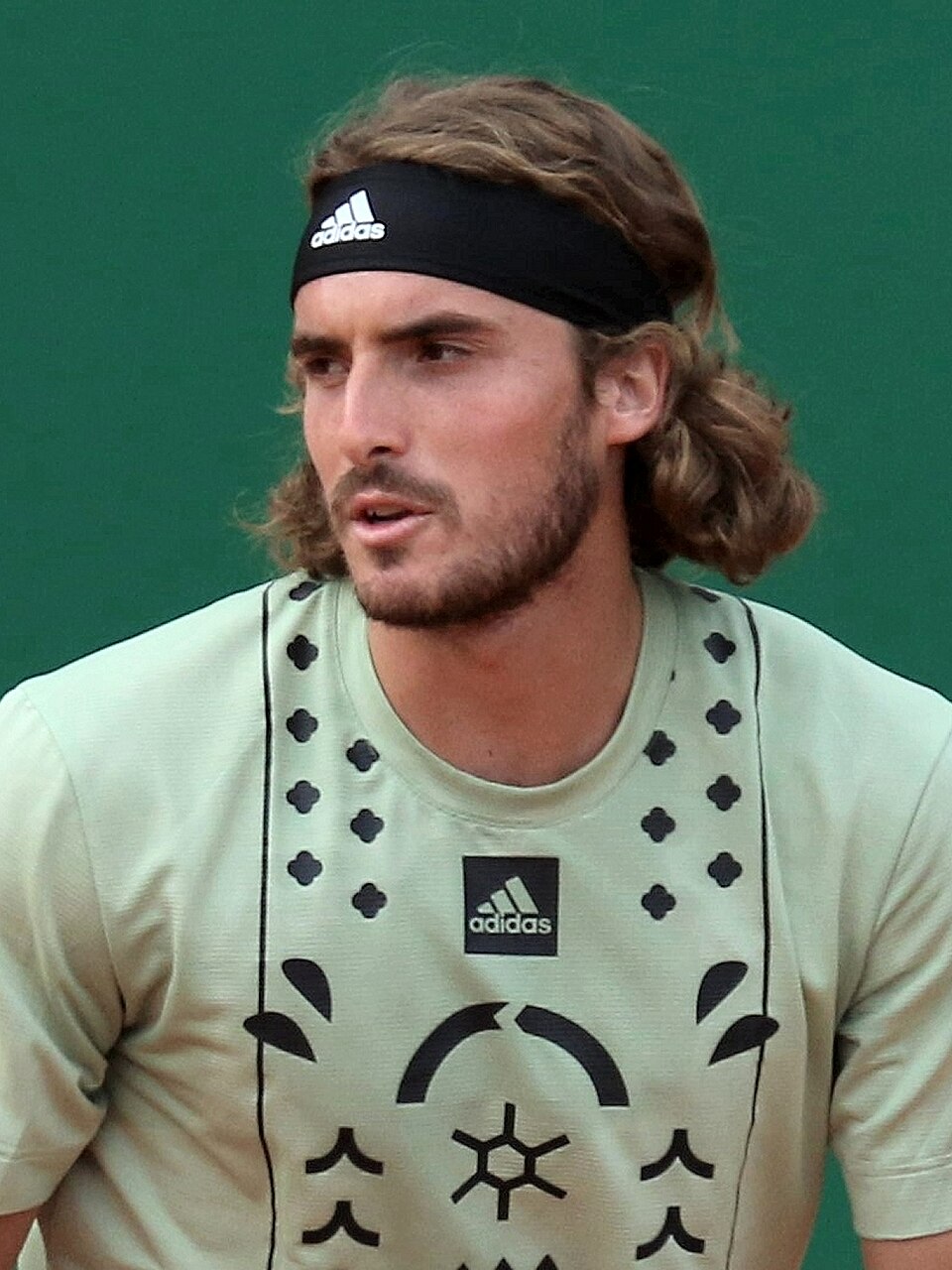
Tsitsipas’s first Dubai ATP 500: twelve finals and seven break points saved
A 6-3, 6-3 title on March 1, 2025: read the ATP 500 final record, Dubai history and a return game reversed from 40-0 together.
6 min read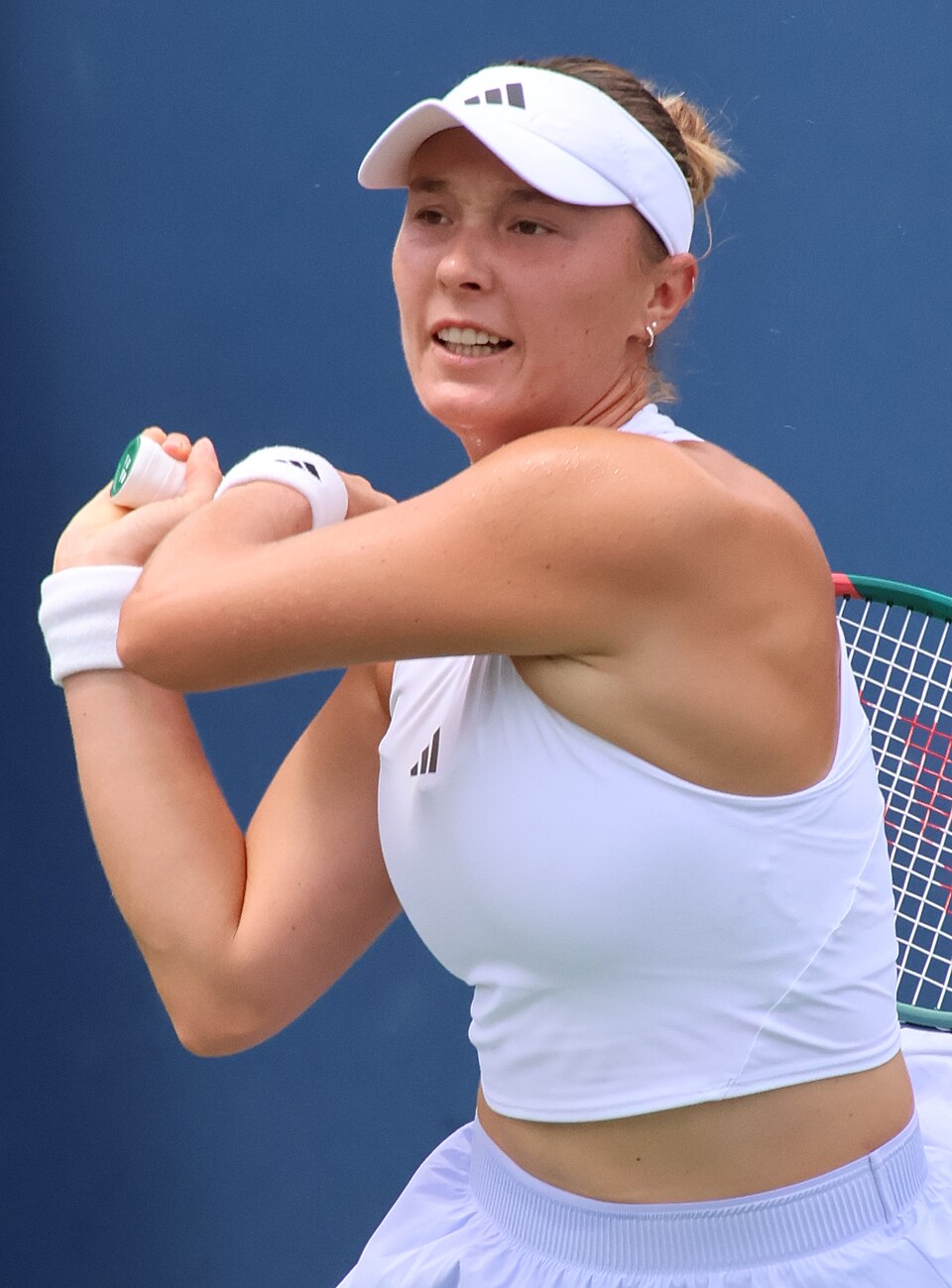
Alina Charaeva beat the world No. 1. The revealing part came after she lost the lead.
Charaeva’s Beijing win over Rybakina began with a lead she could not keep. Follow the comeback, her earlier milestones and three sequences worth watching.
8 min read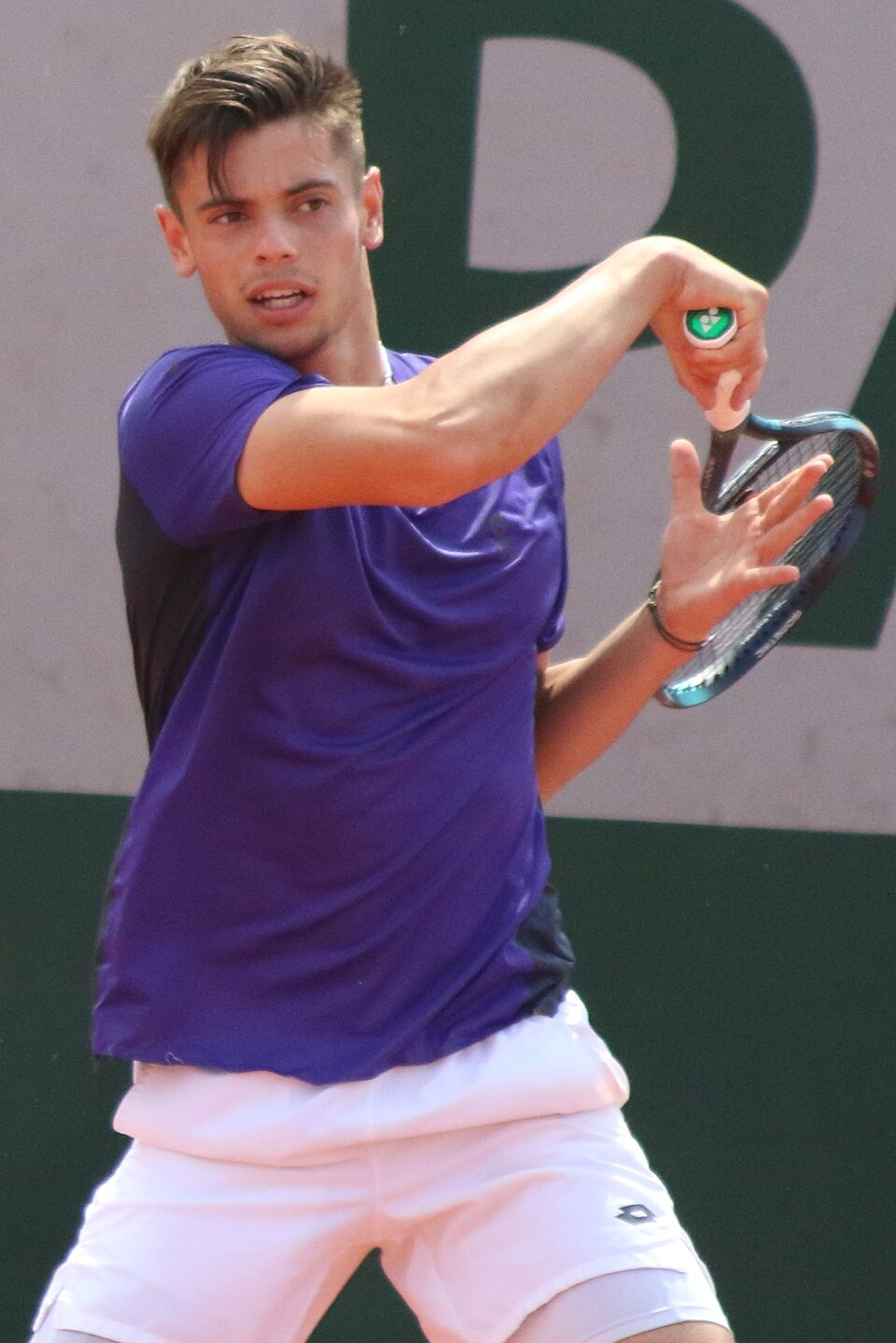
Arthur Gea’s 2026 breakthrough: from Australian Open upset to first ATP title
Arthur Gea’s 2026 path from Noumea to an Australian Open upset and a Los Cabos title reveals different steps behind one apparently sudden breakthrough.
8 min read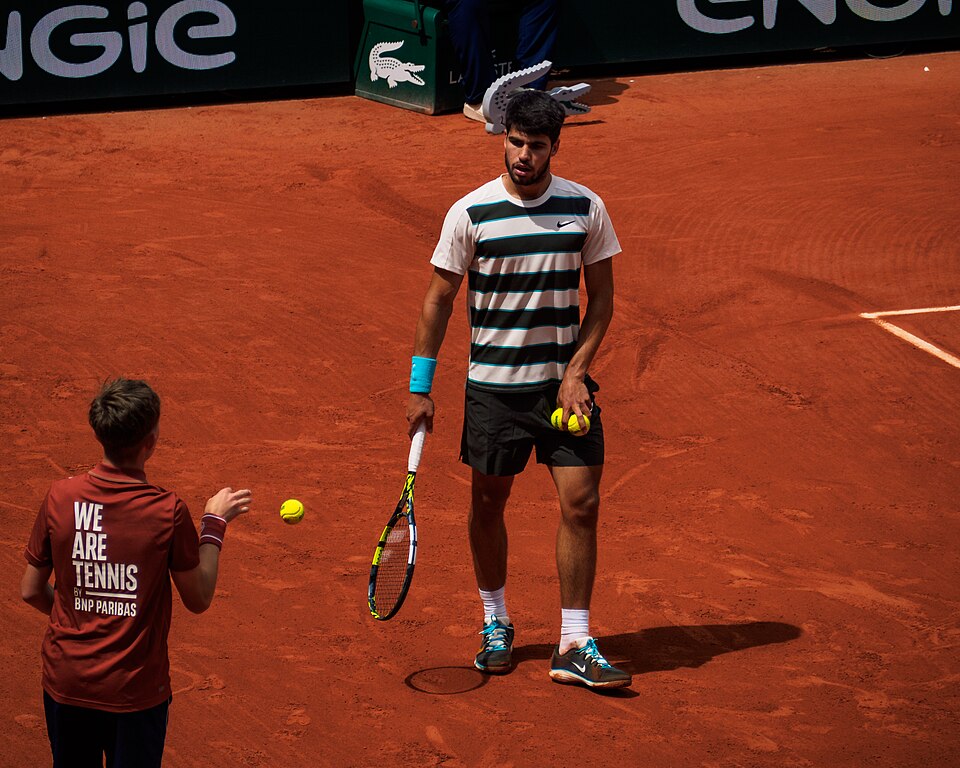
Alcaraz finished at 3:34am. Who should pay for tennis running late?
After a four-hour, 28-minute US Open quarter-final against Ben Shelton, Carlos Alcaraz questioned the schedule. Wimbledon shows both the value and the cost of setting a finishing boundary.
6 min read
Zheng, Fernandez, Svitolina, Osaka, Pegula: read Eala’s first title through the draw
Alexandra Eala’s 2026 Washington title came through five major names and the top three seeds. Why the route to her first WTA trophy matters as much as her move into the Top 20.
8 min read
Why Kostyuk chose a 250 before winning Madrid: the pressure of being expected to win
Marta Kostyuk chose Rouen over Stuttgart before her Madrid title. Coach Sandra Zaniewska explains the need for consecutive matches and experience as the favourite.
9 min read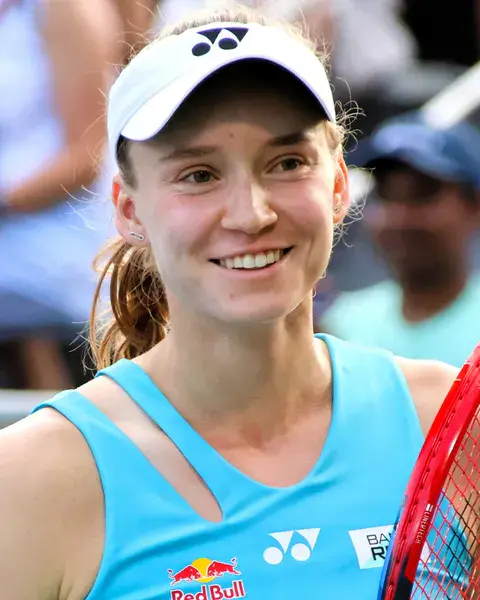
Rybakina and Sabalenka won 92 points each. The useful serving clue is hidden inside that tie
Rybakina aimed 63% of her first serves at Sabalenka’s backhand corner in the 2026 Australian Open final. Why that figure needs the miss rate, the second serve and the whole point beside it.
8 min readRybakina lost her first match as No. 1. Charaeva did more than wait for it to happen
Alina Charaeva beat new world No. 1 Elena Rybakina in Beijing on 3 October 2026. Repeated breaks back, a decisive hold and the limits of the ranking tell the fuller story.
6 min read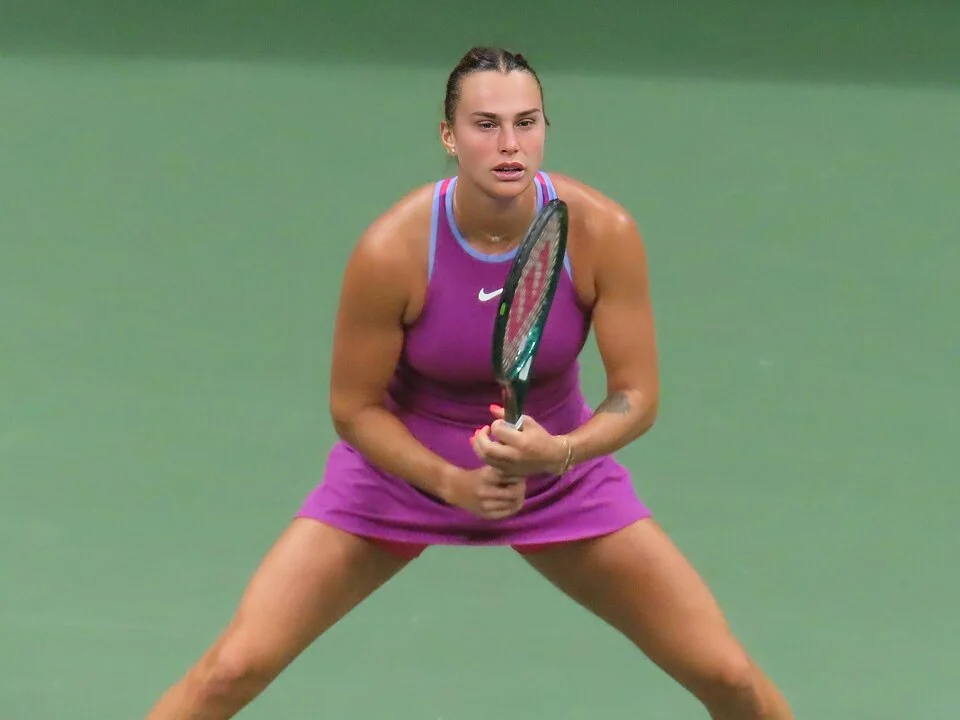
Sabalenka won 6–1, 6–3. The more revealing contest was with her own expectations
After her Beijing opener, Aryna Sabalenka described the cost of demanding more from herself. What experienced players can learn about keeping a high standard without carrying every mistake into the next point.
8 min read
Shelton improved his backhand. Why could Zverev still target it?
Ben Shelton’s backhand helped him progress in the summer of 2026, yet Alexander Zverev found it a useful target in the US Open final. Improvement and vulnerability can coexist.
6 min read
Siniakova and Patten: eight straight points against Djokovic, then an 8–10 finish
A 48-minute comeback and a 94-minute quarterfinal at the 2026 US Open mixed doubles. The scoring sequences and Muchova’s account reveal the day’s partnership questions.
6 min read
5–0 was not the finish: the Williams sisters and the lead a tiebreak can take away
Serena and Venus Williams led the deciding US Open tiebreak 5–0 before losing 10–7. Their 2026 doubles return shows why a big lead still leaves two teams with work to do.
8 min read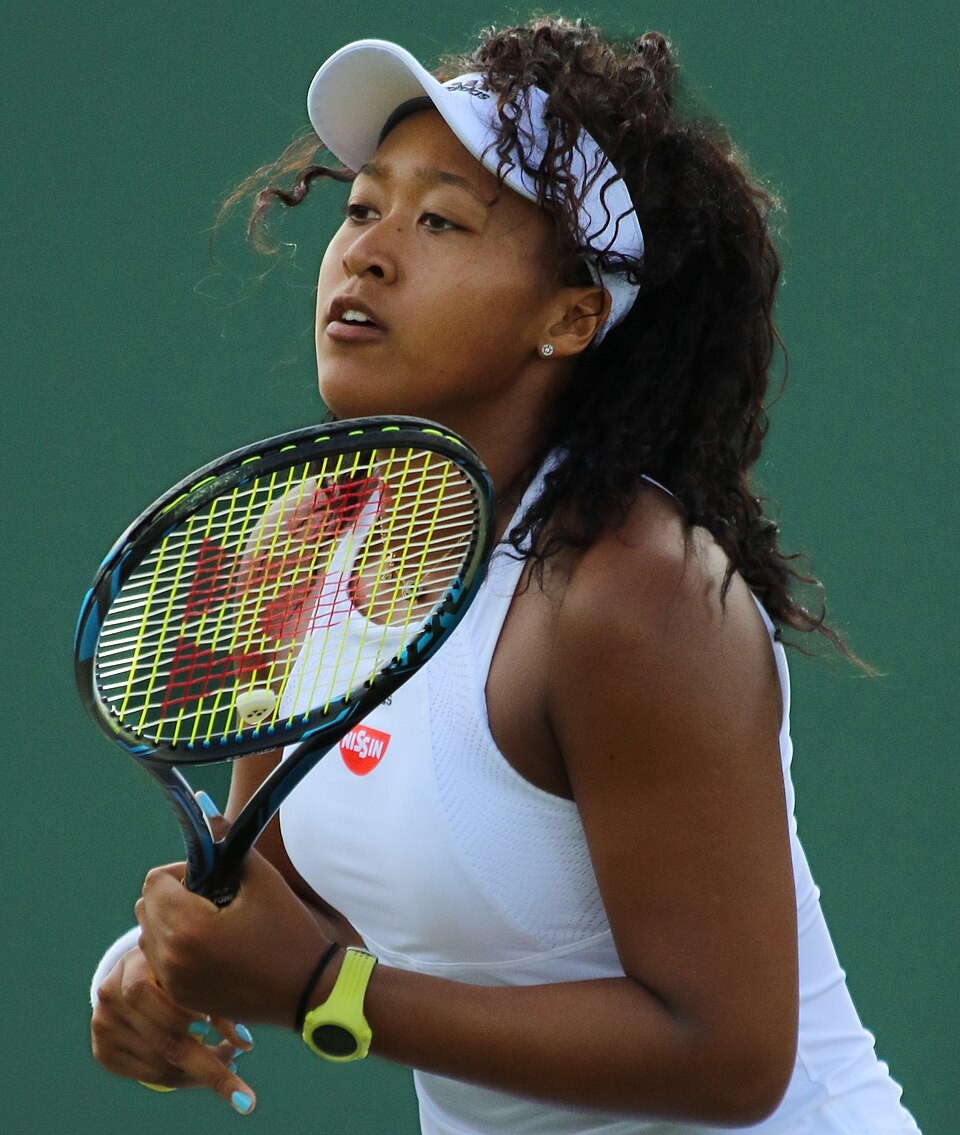
Osaka, Gauff and Wimbledon’s lifetime invitation: what the Last 8 Club actually offers
Wimbledon’s Last 8 Club has different qualifying rounds for singles and doubles. Why Osaka and Gauff enter from 2027, and what the lifetime invitation includes.
8 min read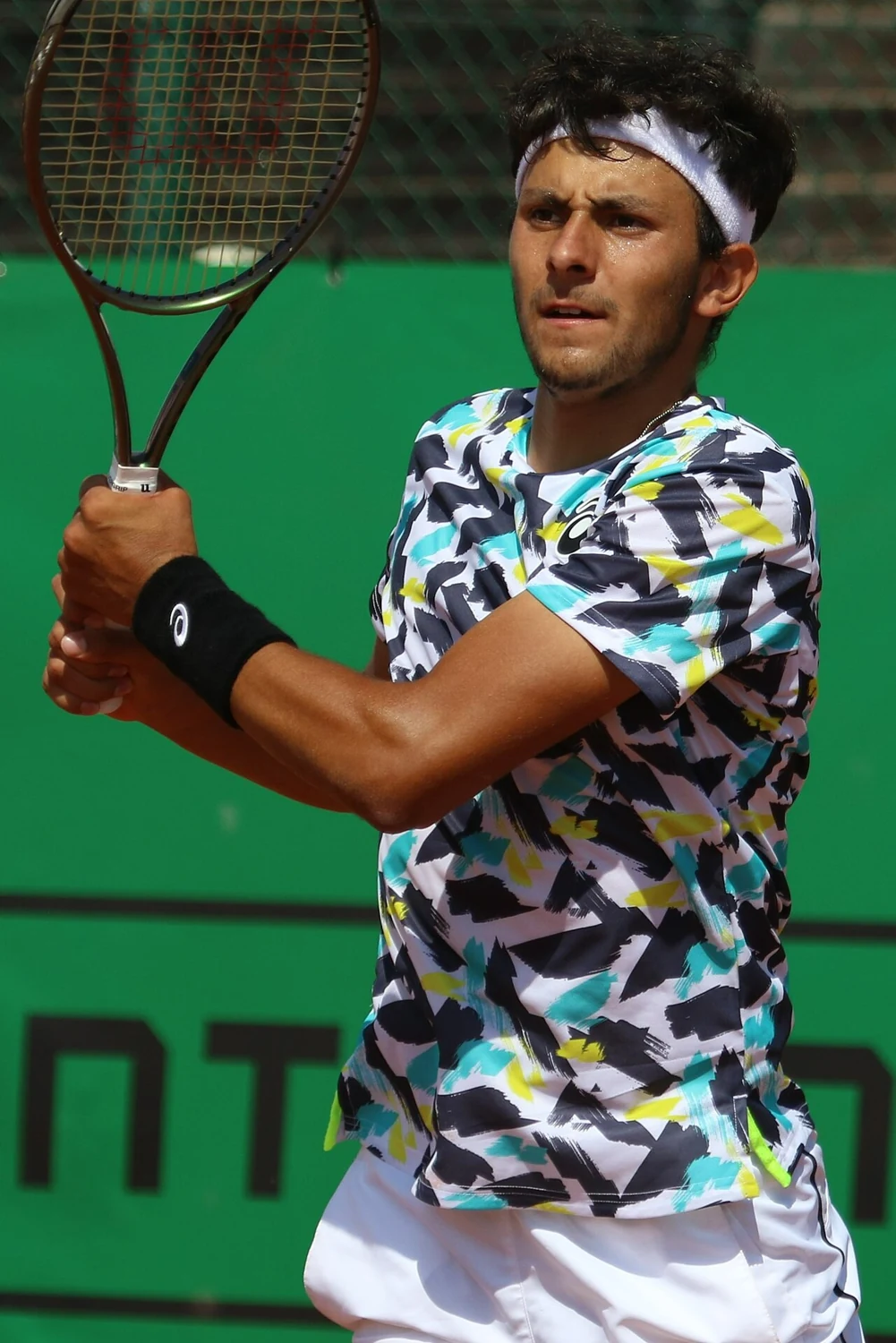
Seven Challenger titles. Why was Emilio Nava still waiting for a breakthrough?
Nava’s 2026 Neckarcup title paired a top-100 player’s progress with a tournament’s uncertain future. It is a revealing look at the distance between excellent tennis and a sustainable stage.
6 min readNo. 114 to a Roland Garros final: what Chwalinska’s variety made opponents solve
Maja Chwalinska reached the 2026 Roland Garros final from qualifying at No. 114. Her defeat to Mirra Andreeva reveals the tactical demands behind a remarkable run.
8 min read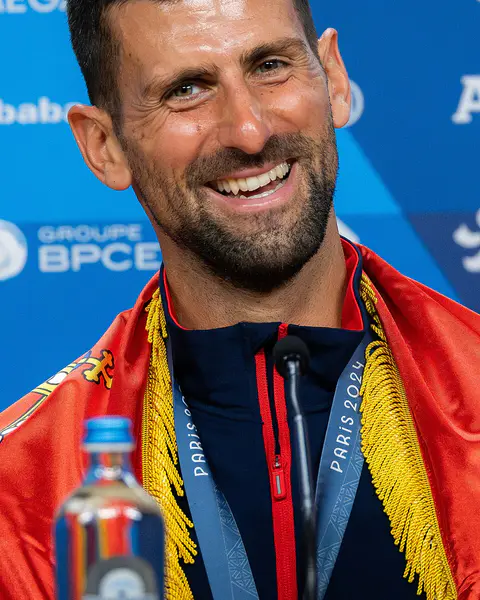
Djokovic plays less. Why is the last part of a tournament still so hard?
A lighter calendar and a deep Grand Slam run answer different questions. Djokovic’s comments on an emptying tank offer a better way to think about tournament readiness than counting entries.
8 min readNadal–Djokovic 2013 or Alcaraz–Sinner 2025: what makes a Roland-Garros match greater?
Two clay-court classics invite a fierce comparison. Their verified turning points reveal why duration, suspense, sustained quality and personal memory need different scorecards.
8 min read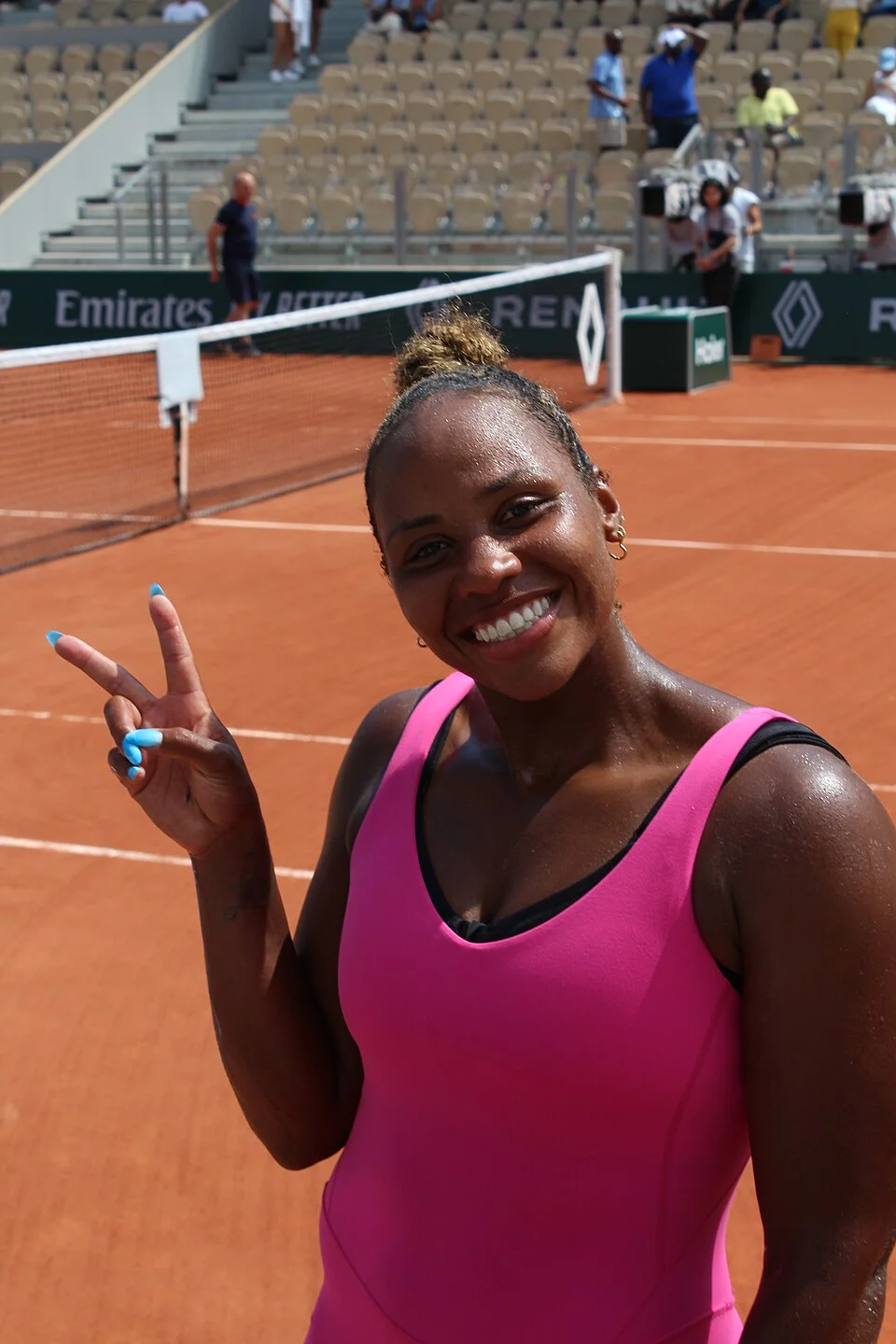
Siniaková and Townsend: does your doubles partner need to play like you?
After their 2026 Roland-Garros title, Kateřina Siniaková praised how different her game was from Taylor Townsend’s. The useful lesson is about shared options, not simply pairing opposites.
7 min read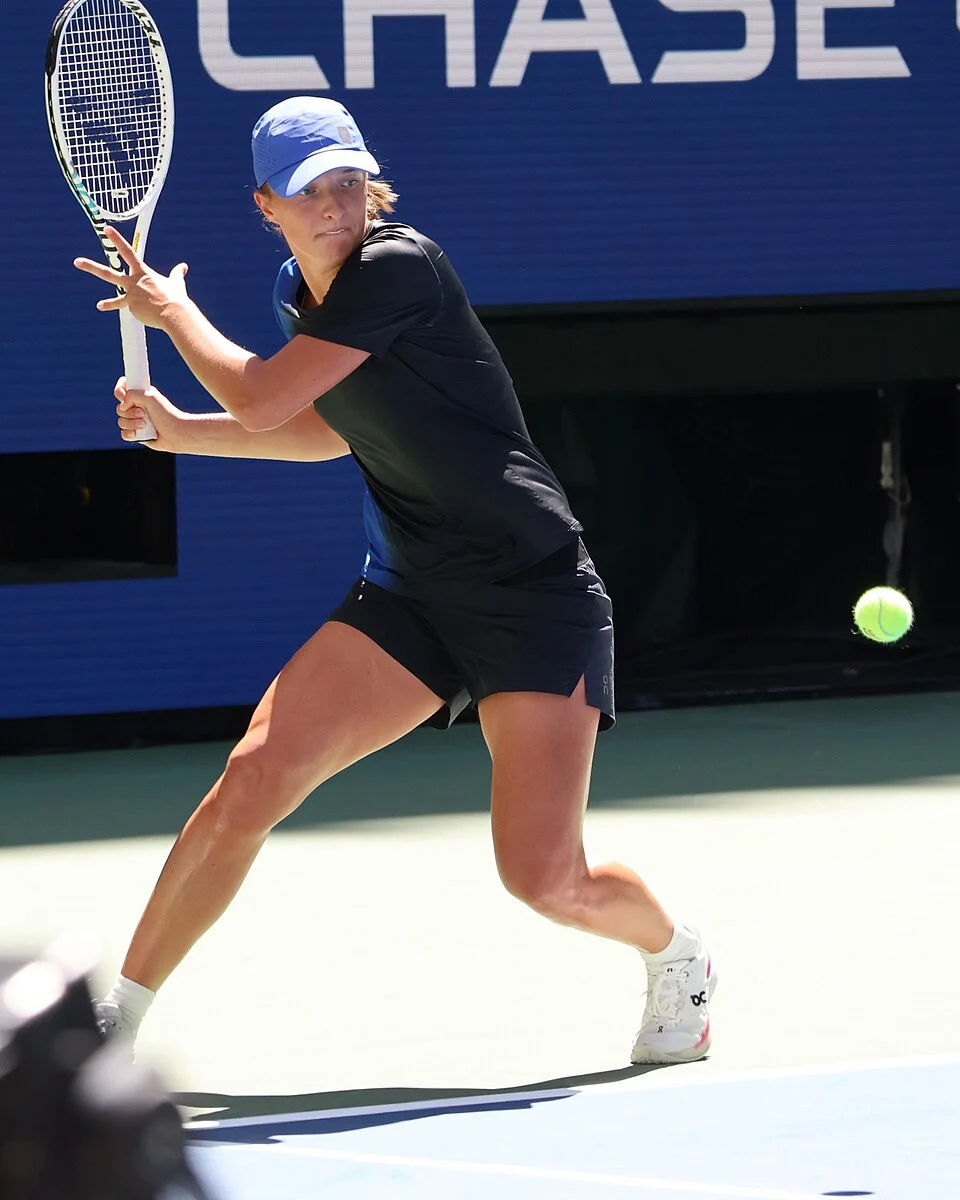
Why Iga Świątek welcomed the long rallies in Beijing
Świątek said the extended rallies in her Beijing opener helped her feel the court and ball. What experienced players can learn before blaming unfamiliar conditions on their strings.
7 min read
A US Open semi-final, then retirement: why Joe Salisbury chose to stop
Joe Salisbury retired at 34 after a final US Open semi-final with Rajeev Ram. His account separates the ability to compete from wanting another season of tour life.
8 min readThe competitive game
5

Korea’s National Sports Festival: two 2–1 finals, different routes to gold
Gangwon and Gyeonggi won the team titles through very different finishes. Separate individual entries, changing line-ups and decisive doubles explain the 2026 general division.
9 min read
Do used tennis balls fly slower? The felt makes a difference
A raised nap and a worn-down cover are different stages of ball wear. Separating flight from bounce helps explain why a ball can still rebound well yet arrive differently on return.
7 min read
Medical and toilet breaks: when does the three-minute clock start?
Treatment time starts when the medical professional is ready; toilet time starts on entry to the facility. Read the permissions and clocks in the 2026 WTA and Grand Slam rules.
8 min read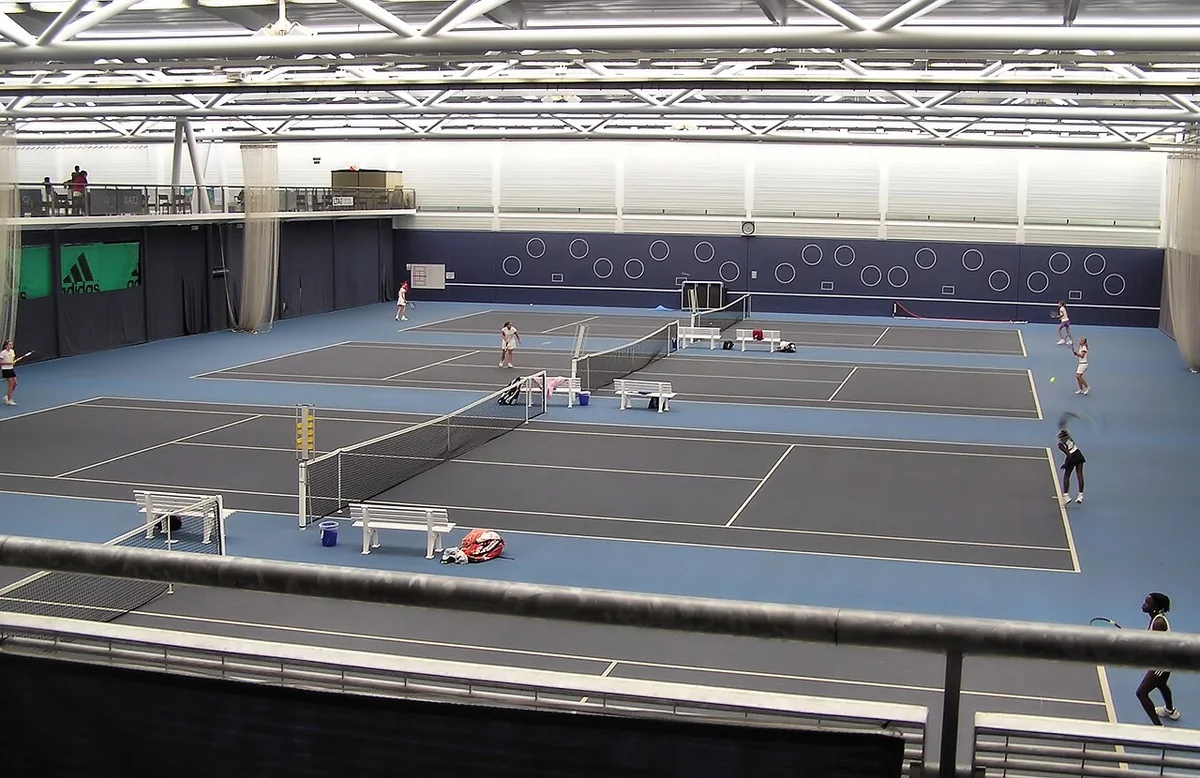
Four players, one court: plan six matches before settling the group
Adapt a four-player round robin for a club singles session, with a match order, rest considerations, a score sheet and a worked three-way tie.
6 min readYou changed “out” to “in.” Is the point replayed—or already lost?
A corrected out call has different consequences when made by a player or an official. USTA’s Code explains why the opponent gets the point, doubles disagreement and the specific net-serve exception.
8 min read